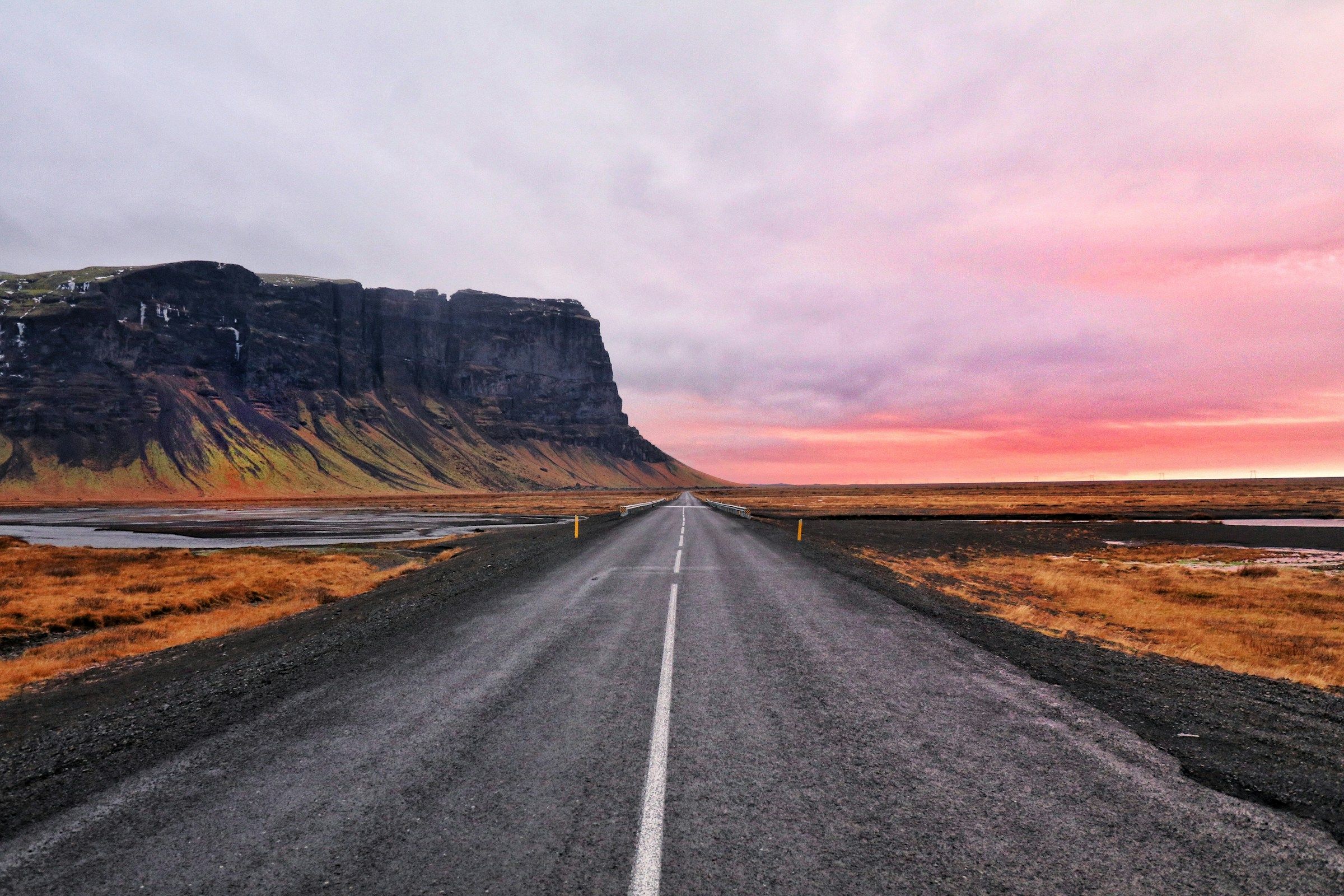
On paper, Iceland’s Ring Road is a modest drive. Without stops, it takes about 17 hours.[1] Almost nobody does it that way, because the road passes waterfalls, glacier lagoons and lava fields that make you pull over.
So the real question is how many pullovers your calendar can afford. A week and a bit more than a week are both common choices, and the gap between them is only three days. Those three days change the trip more than the arithmetic suggests.
How Long the Loop Actually Is
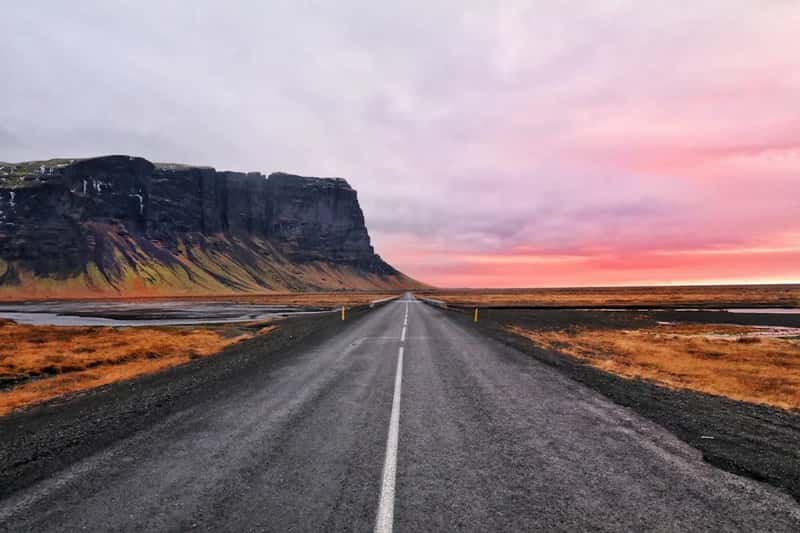
Guides quote slightly different lengths, which can be confusing. One puts Route 1 at about 1,322 km[2], while another gives 1,332 km[1]. The difference comes down to how each source measures it, and a few kilometers won’t change your plans.
A real change arrived in 2026, though. A new section near Höfn shortens the Ring Road by 12 km.[3] Iceland’s road authority notes that older published loop lengths are no longer a reliable input for budgeting.[4]
What a Seven Day Pace Feels Like
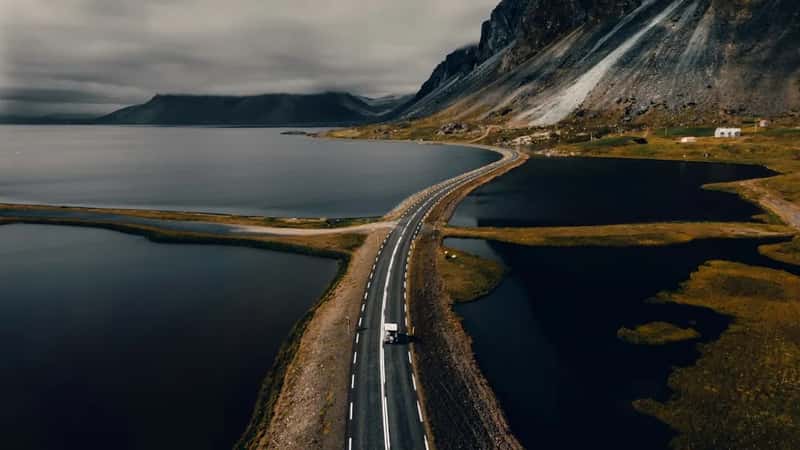
Seven days is tight, though plenty of travelers manage it. One rental company’s guide says to expect four to six hours of driving per day and limited time to explore.[5] Another writer calls seven days the minimum, but says you’ll really be pushing it.[6]
The main cost is how rushed the nights feel. Seven or eight days tends to mean a series of one night stays, hardly enough time to unpack.[7] Think of it as a highlight reel, with each region getting a morning or an afternoon.
How Ten Days Changes Your Daily Rhythm
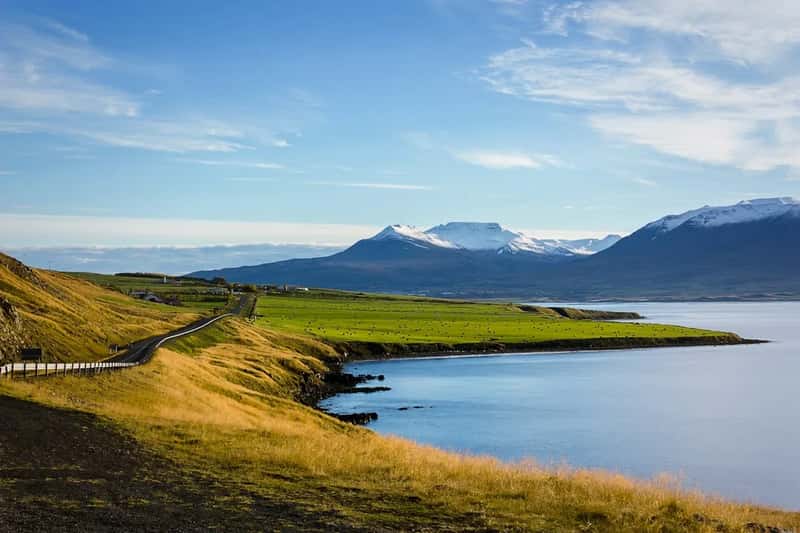
Ten days mostly buys you shorter drives. One itinerary guide puts the average at around three hours a day[8], which leaves room for hiking boots and hot springs. That’s the difference between ticking off a viewpoint and actually walking out to it.
Check how your flights fall, since that can quietly shrink the benefit. Ten calendar days may leave only eight full days between arrival and departure.[9] Flight times, season, driving comfort, walks and detours determine the pace[9], so ten days is not automatically relaxed.
Snæfellsnes, the Detour Most People Add First
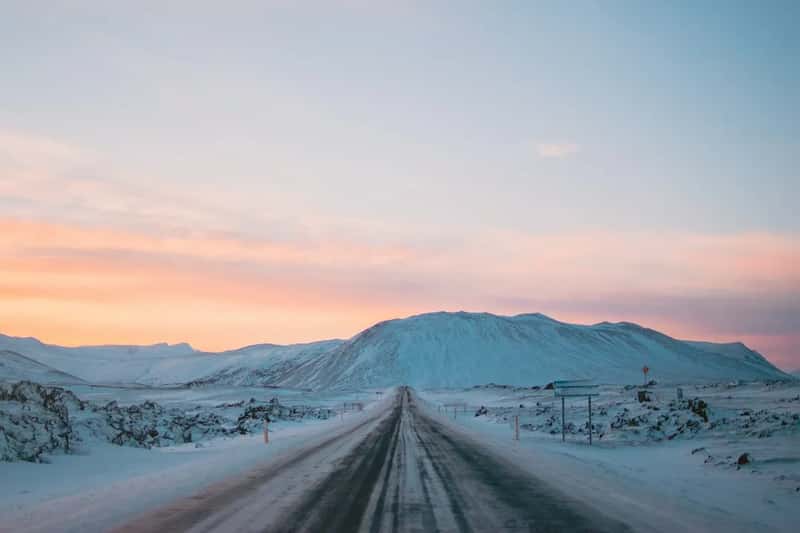
This peninsula in West Iceland is the most common extra. Rick Steves’ guide describes it as an Iceland in miniature that isn’t officially on the Ring Road but is an easy add on.[10] It’s also home to Snæfellsjökull National Park, known for birdlife, lava fields and green valleys.[11]
On a seven day plan, it usually means a quick pass. One 2026 itinerary writer says Snæfellsnes added three hours and that they’d do it again.[12] With ten days, a full day on the peninsula runs to roughly four hours of driving and about 300 km[5], and you can slow down for the coastline.
The Eastfjords Without the Squeeze
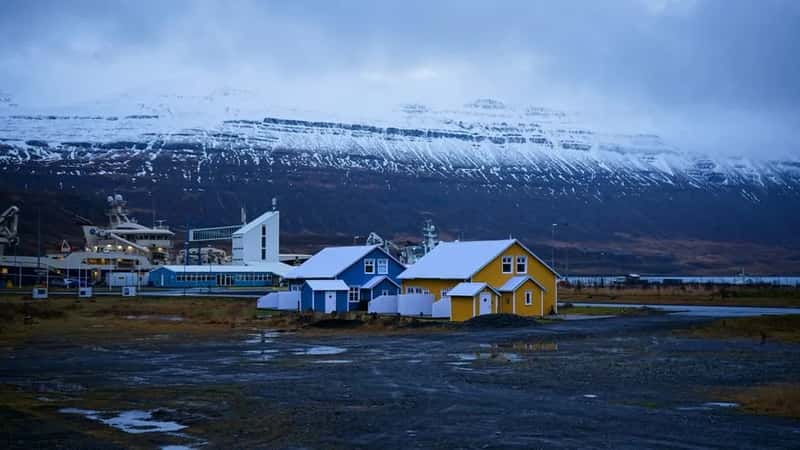
The east is where a short trip loses the most. The road winds through fjord after fjord, and fast schedules tend to treat it as a transit zone. A ten day plan can detour down the mountain pass into Seyðisfjörður to see its colorful wooden buildings.[8]
Those detours need planning. Seyðisfjörður, Stuðlagil, Húsavík and Snæfellsnes are worthwhile but aren’t automatic stops on Route 1.[9] Services also thin out, so one guide advises keeping the tank above half between Höfn and Egilsstaðir.[13]
North Iceland and the Case for a Second Night
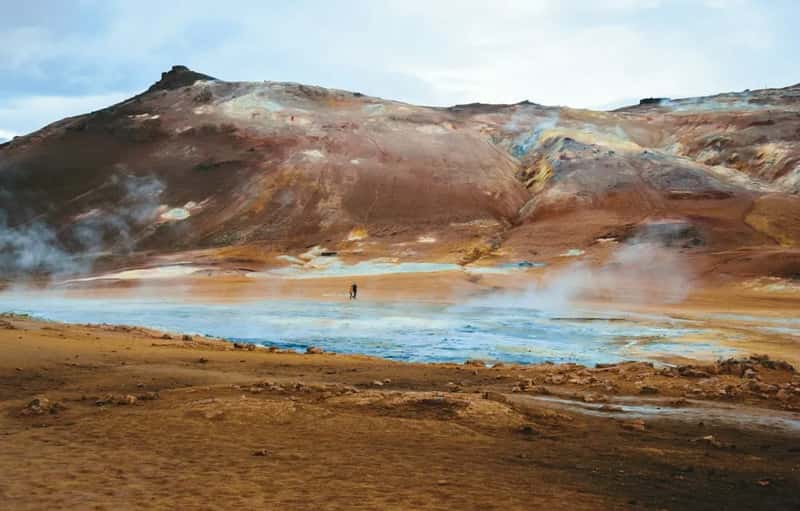
Mývatn is the clearest example of what extra time does. Rick Steves’ guide says it’s the Ring Road stop most deserving of a second night or longer.[10] The steaming ground, lava formations and pools reward a slower day.
Ten days also makes room for side trips. Húsavík is a detour of 45 minutes each way from Mývatn[10], and a whale watching excursion can leave from there.[8] Seeing Dettifoss alone takes about two hours, including the drive off the main road and the hike.[10]
Glacier Country and the Diamond Beach Afternoon
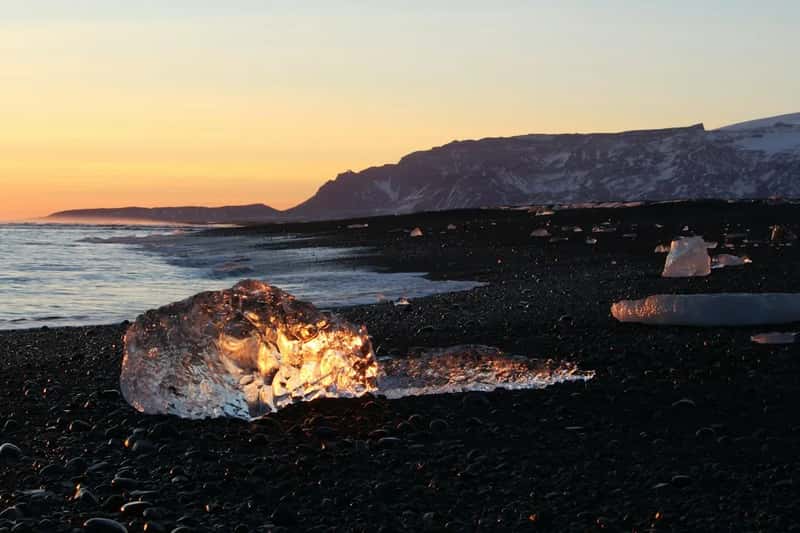
The Southeast is a good test of what each schedule allows. On a seven day trip you might stop at the lagoon, take photos and move on. With ten days, you can spend an entire afternoon among the icebergs at Diamond Beach.[8]
The road itself changed here in 2026. A new Hornafjörður section near Höfn opened on June 24, 2026, and has been tolled since September 1.[3] The toll is 1,500 ISK for a single trip[4], and in a rental car you pay on spolur.is within 12 hours of crossing.[3]
A Buffer for Weather and Road Closures
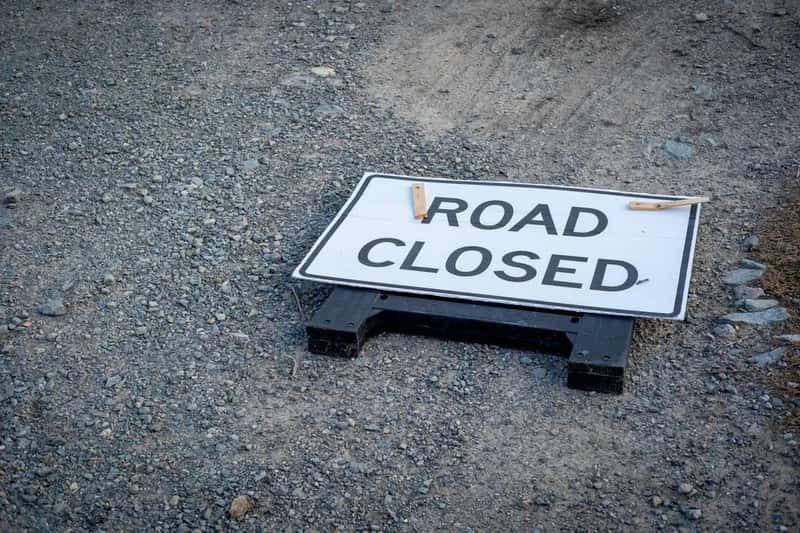
Spare days work like insurance. Extra time helps when you find unexpected spots or need to adjust plans because of weather.[1] A seven day schedule has very little room to absorb a lost afternoon.
The risk isn’t limited to midwinter. SafeTravel’s guidance warns that winter road conditions can also occur in spring and autumn.[4] In extreme weather it can take hours for conditions to calm and for crews to clear snow[14], so check road.is before you depart.[15]
What Three Extra Days Cost
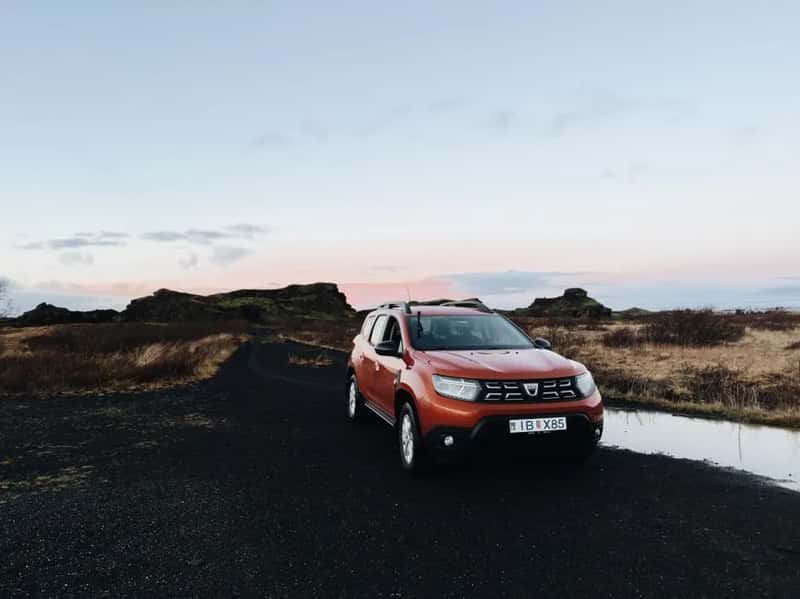
The fees that scale with time are small. Since January 1, 2026, Iceland has charged 6.95 ISK per kilometer for passenger cars.[16] One 2026 budget guide says rental agencies often add an admin fee that brings the effective rate to about 8.81 ISK.[17] Every extra 100 km of detouring adds roughly 700 ISK at the government rate.
Lodging is the bigger line. The lodging tax has been 800 ISK a night for hotels and guesthouses since January 2025[18], so three more nights add 2,400 ISK in tax. Hotel double rooms average 20,000 to 35,000 ISK in summer.[19] The room rate, not the tax, drives the difference.
Booking Pressure Is Higher on a Longer Route
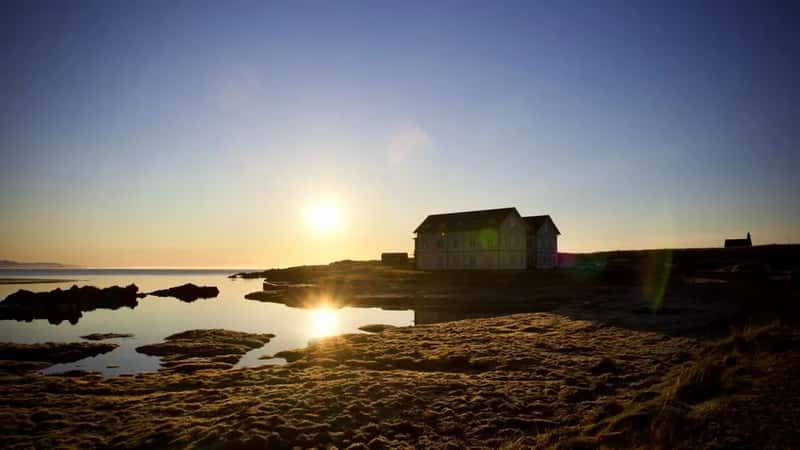
Iceland is busy. The country welcomed just under 2.3 million foreign overnight visitors in 2025, close to six for every resident.[16] More nights on the road means more reservations to secure.
Small towns fill first. One 2026 guide says guesthouses in Vík and Höfn sell out two to three months ahead in summer.[12] Even in May and September, Mývatn and Skaftafell can fill within a week.[12] Shoulder months may also help the budget, since accommodation prices can double from mid June to August.[19]