Your phone buzzes.
One message. Three words: Can’t make it.
And something inside you – quiet, animal, involuntary – exhales.
Not with disappointment. Not with worry. With something that feels dangerously close to joy.
That exhale is a confession. Not about your friend. About you. About the architecture of a life you’ve constructed so carefully around other people’s comfort that your own needs became a secondary language – one you forgot you even spoke.
The identity gap is this: the version of yourself you present to the world – enthusiastic, available, up for anything – and the version sitting quietly in the dark of your own chest, counting down the minutes until everyone leaves. One of them is a performance. The other one knows the truth.
1. The Pre-Trip Rehearsal

The exhaustion didn’t start when your friend canceled.
It started three days ago.
Psychologists call it anticipatory processing: the mental rehearsal, outfit planning, energy rationing, and social scripting that many people do in the hours – or days – leading up to an obligation.
You’ve already packed and repacked the bag in your mind. You’ve already navigated the conversation where they want to stop somewhere you don’t. You’ve already calculated how to seem enthusiastic when you’re running on empty.
When those plans cancel, you’re not just getting the trip back. You’re getting back the three days of background processing your brain had already dedicated to it.
That’s why the relief floods the room when the message comes through.
The cost was already being paid. In full. In silence.
And nobody saw the invoice.
2. The Obligation Architecture
There is a particular kind of life that gets built quietly, over years.
Brick by brick. Yes by yes.
Not being able to say no can quickly cause you to take on too much at work, have too many responsibilities in the household, and even get involved in social obligations you don’t genuinely want to participate in.
Every trip you agreed to. Every itinerary shaped around someone else’s wishes. Every hotel room where you stared at the ceiling while your travel companion slept soundly, oblivious.
When your “yes” comes from obligation, your body often pays the bill later.
This is the obligation architecture. The invisible scaffolding holding up a social life that looks full from the outside and feels hollow from within. You built it to keep the peace. To be seen as easy. To be the person no one worries about.
The problem is that the structure has no room for you in it.
You are load-bearing. But you are not a resident.
3. The Autonomy Hunger
What you’re actually craving when that trip gets canceled isn’t laziness.
It isn’t antisocial behavior.
It’s something far more primal.
Research from the University of Rochester, published in the Journal of Personality and Social Psychology, has consistently shown that autonomy – the sense of choosing how you spend your time – is one of the strongest predictors of psychological well-being. The relief you feel at canceled plans is, at its core, a craving for autonomy.
A trip planned around someone else’s energy, someone else’s pace, someone else’s need for adventure or comfort or noise – that is not a vacation. That is service delivery in a new time zone.
Your nervous system knows the difference.
It knew before you did. It’s been trying to tell you for years.
The canceled trip didn’t create the hunger. It just finally let you feel it.
4. The Fawn Response in Transit
Here is something most travel companions never consider.
Some people don’t just travel with others. They perform for them.
For some, people-pleasing is a trauma response – like fawning – which isn’t just an attempt to accommodate others but an attempt to hold on to relationships even at great personal cost. People-pleasing can be a survival strategy formed in environments where someone’s emotional safety was uncertain.
On the road, this becomes vivid. Every meal choice deferred. Every complaint swallowed. Every moment of genuine displeasure repackaged into a smile at a restaurant you didn’t want to enter.
Part of people-pleasing requires concealing your true emotions to avoid disappointing others. Instead of communicating feelings like frustration or resentment, people-pleasers hold these feelings inside and put on a happy face while tackling the innumerable tasks they’ve agreed to.
You are not a traveler in those moments.
You are a mirror. Reflecting someone else’s idea of a good time.
And mirrors don’t get to have preferences.
5. The Identity Gap (A Personal Note)
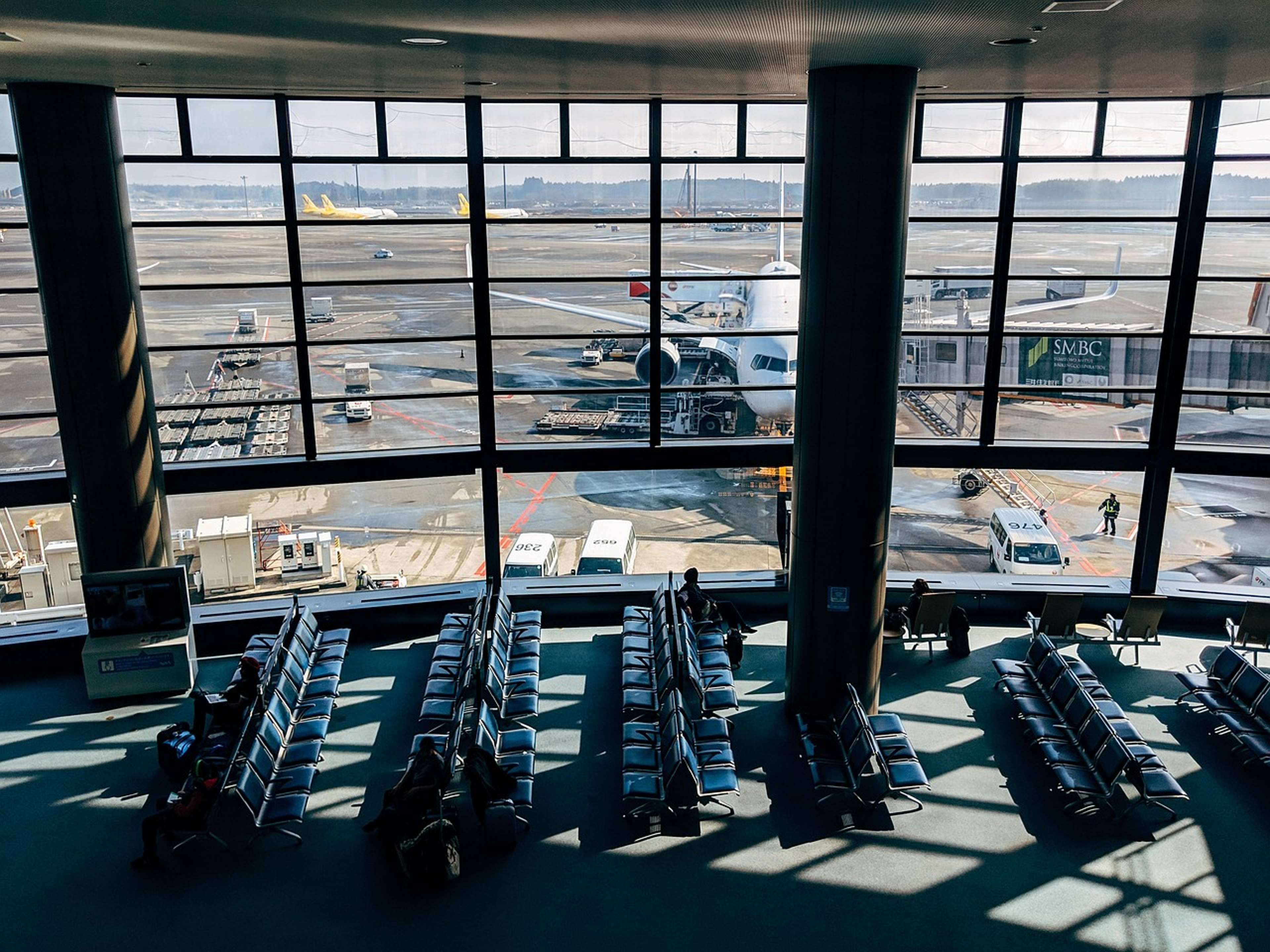
I remember standing in a departure terminal once, watching my travel companion rearrange the itinerary for the fourth time.
Every version was for them.
I smiled and nodded and offered suggestions that were really just translations of what they already wanted. And somewhere in the fluorescent hum of that airport, I realized I had no idea what I actually wanted from the trip. I had spent so long editing myself into someone agreeable that the original draft had gone missing.
Loss of authentic self represents perhaps the most profound impact of people-pleasing. Over time, constant mirroring of others makes it increasingly difficult to identify what you actually like, want, or believe. Your preferences, opinions, and identity become obscured.
That was the moment I understood.
The trip wasn’t the problem. I had arrived at the airport already lost.
The cancellation, when it eventually came – for a different trip, with a different friend – felt less like disappointment and more like finding a door I had locked from the outside.
6. The Burnout Trap
There is a cycle here. Quiet and cyclical and utterly ruthless.
You say yes. You show up. You perform adequately. You come home depleted.
Either we stick to our plans and feel exhausted or we start canceling them and feel guilty. The more burnout we experience, the less cognitive flexibility we have, and the more likely we are to go with inertia – which in this case means saying yes to more social events, which makes us feel more exhausted and guilty, which then breeds more burnout.
Rinse. Repeat. Pack the suitcase again.
Consistently prioritizing others’ needs over one’s own can lead to chronic stress, anxiety, and even depression. The persistent neglect of personal boundaries and self-care can result in emotional exhaustion and burnout, leaving the people-pleaser feeling drained and resentful.
The trip becomes a metaphor for the whole life.
You’re always somewhere you half-consented to. You’re always leaving a version of yourself at the departure gate.
And nobody thinks to ask if you’re okay with the destination.
7. The Quiet Cost of Empathy
You are not cold. You are not selfish.
In fact, you may feel too much.
Empathy, the ability to understand and share the feelings of others, is another common trait among those who feel relief when social events are canceled. With their heightened sense of understanding and emotional absorption, social scenarios can sometimes be quite overwhelming. The prospect of social interactions, especially ones that are forced or obligatory, can sometimes seem intrusive and exhausting.
On a trip with a high-needs companion, you are not just managing your own experience. You are absorbing theirs. Processing their moods. Pre-empting their disappointments. Carrying the invisible emotional luggage that never shows up on any packing list.
While heightened empathy allows them to tune into others’ feelings, it can also lead to emotional exhaustion, as they become deeply affected by the emotions they pick up on. A canceled event provides a break from this emotional roller coaster and gives them the chance to replenish their emotional resources.
The relief, then, is not about your friend.
It is about the weight of the world you carry for everyone around you.
And the rare, staggering luxury of putting it down.
8. The Decision Fatigue Nobody Maps
Here is what the travel brochure never mentions.
Group travel is a gauntlet of micro-negotiations.
There is also decision fatigue. In groups, you make micro-decisions constantly. Do you jump in with your story? Do you wait? Do you ask a question? Do you laugh even though you didn’t catch the punchline? Those tiny choices can add up, especially if you care about being considerate.
For someone already running on social fumes, each of these micro-decisions is a small withdrawal from an account that was nearly empty before the trip began.
The restaurant debate. The check-in line disagreement. The quiet tension when you wanted to sit in silence and they wanted to dissect every moment of the day.
At the same time, it takes energy to track a room. After social time, your brain may crave stillness so it can shut off the scanning.
A canceled trip means the account stays solvent.
No wonder you feel rich when that message arrives.
9. The Identity You Only Find Alone
There is a version of you that only exists in solitude.
Not the performing version. Not the accommodating version.
The actual one.
This need also ties to identity. When you spend time alone, you hear your own preferences again. You remember what you like, what you do not like, and what you want next. That makes your choices feel clearer – including your choices about people.
Solo hours in a cancelled itinerary are not wasted. They are excavations. You are digging back down to the layer of yourself that got buried under everyone else’s agenda.
Feeling relief at canceled plans could mean you’re someone who embraces authenticity. You’d rather be true to yourself than conform to societal expectations of constant socializing.
The canceled trip doesn’t rob you of an experience.
It returns you to the only experience that was ever truly yours.
The quiet. The unscheduled hour. The self that has been patiently waiting by the door.
10. The Signal You’ve Been Ignoring
This is the heaviest point.
Because it is not about the trip. It was never about the trip.
It is about the cumulative weight of a life organized around everyone else’s comfort zone. A life where people-pleasing is a form of emotional overfunctioning – coming from the desire for harmony, approval, and connection – that creates a pattern of self-neglect and emotional suppression that feels safe in the short term but is often damaging over time.
When plans get canceled and your nervous system floods with calm, your body is telling you something specific. It’s telling you the gap between your social obligations and your actual energetic capacity had become dangerously wide.
Your nervous system is not broken. It is honest. More honest, perhaps, than you have allowed yourself to be with anyone – including yourself.
The constructive move is to start listening to that signal before the plans get made, rather than only hearing it when they get canceled. That might mean scheduling fewer things. It might mean building buffer days into your week.
The relief is not a character flaw. It is a diagnostic.
Read it carefully. It is the most honest thing your body has said to you in months.
There is a particular kind of loneliness in always being needed. It wears the costume of purpose. It speaks in the language of reliability. People call you dependable, and you accept the word like a gift, not recognizing it as the name of your own cage.
The canceled trip, the exhaled breath, the flood of private relief – these are not signs that you are selfish or cold or secretly hoping your relationships will dissolve. They are signs that somewhere along the way, you forgot to include yourself in the itinerary. That you became the travel agent for everyone else’s emotional journey and simply never booked your own seat.
The next time your phone buzzes with a cancellation and something in your chest goes quietly, terribly still – don’t rush past it. Don’t perform disappointment you don’t feel. Sit with the relief like it’s a message, because it is. It is the part of you that has been waiting at the gate, in the dark, holding a ticket with only your name on it, asking – very gently – if you are finally ready to board.