The confirmation of a screwworm case in a Texas cow earlier this year marked the first such finding in the United States in years and prompted immediate border restrictions on cattle imports from parts of Mexico. The development has drawn attention to how illegal livestock movements across Central America may be accelerating the parasite’s return. Researchers tracking the outbreak point to gaps in enforcement and monitoring as key factors allowing the pest to move faster than expected models predicted. ([1])
The Timeline of Resurgence
The New World screwworm had been largely eliminated from the United States, Mexico and most of Central America through sustained control programs that focused heavily on Panama’s border with Colombia. Average annual cases in Panama remained low for more than two decades, yet numbers surged sharply in 2023. The parasite then advanced through Central America and reached Mexico by the close of 2024.
Analyses of infestation reports show the northward movement outpaced typical dispersal rates. Experts note that the speed of spread has not followed steady patterns seen in earlier modeling, suggesting additional human-assisted factors at work. The U.S. Department of Agriculture responded by closing select border crossings and increasing funding for containment measures.
How Smuggling Disrupts Tracking Systems
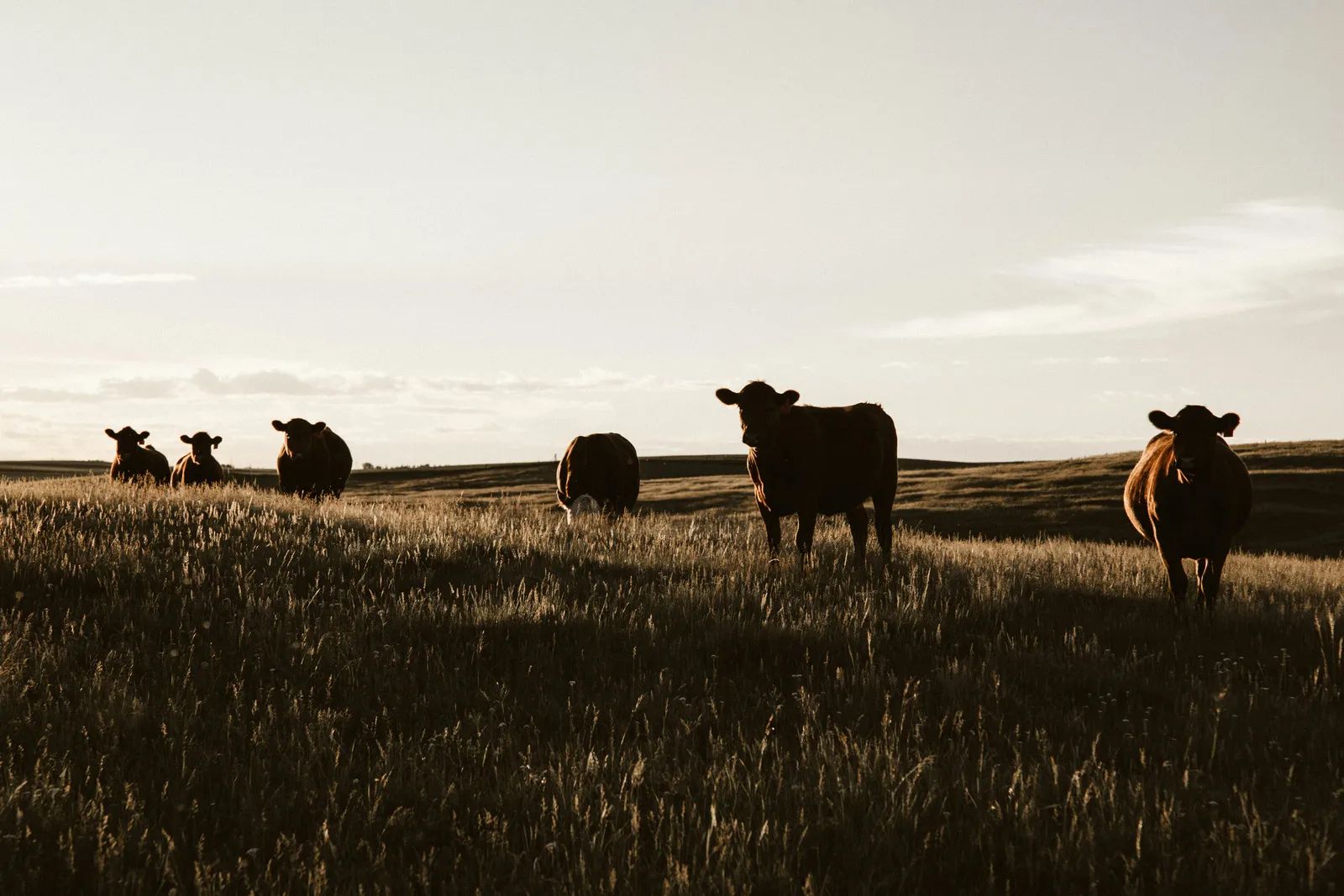
Legal cattle trade relies on ear tags that record origin and confirm animals have passed health inspections. Not every producer meets the requirements for proper tagging, which has created an illegal market for falsified or swapped tags. Animals from areas with known infections can enter legitimate supply chains and travel northward undetected.
Smugglers also route cattle through protected zones where livestock are not permitted. Regions such as the Maya Biosphere Reserve in Guatemala and parts of Honduras near the Nicaraguan border have become corridors for these movements. Trail-camera evidence from monitoring programs has documented lesions consistent with screwworm on native species in these same areas.
Consequences for Wildlife and Regional Security
Wildlife populations face elevated risk because cattle provide a dense, reliable host for the flies to lay eggs. Unlike scattered wild animals, large herds create conditions that support higher parasite numbers. Researchers have observed that current cattle densities exceed those present during earlier eradication efforts, increasing exposure for species such as tapirs and pumas.
The same illicit networks tied to cattle smuggling have been linked to other cross-border crimes and habitat damage. Officials warn that similar pathways could accelerate the arrival of additional threats, including African swine fever, if it reaches the mainland Americas. Improved enforcement of existing laws on tagging and protected-area access, along with expanded wildlife surveillance, is viewed as essential to limit further spread.
Stakeholders and Next Steps
Ranchers, rural economies, conservation groups and public-health agencies all stand to be affected by continued northward movement. The issue spans multiple countries and requires coordinated action rather than isolated national responses. Current laws already address many of the identified problems; consistent application and reduced corruption in the tagging system remain the primary gaps.
Key points for containment:
- Strengthen border and protected-area enforcement
- Expand screwworm monitoring to include wildlife
- Address corruption in cattle identification systems
- Coordinate regional biosecurity measures
Without these steps, the economic and ecological costs could grow substantially for livestock producers and native species alike.