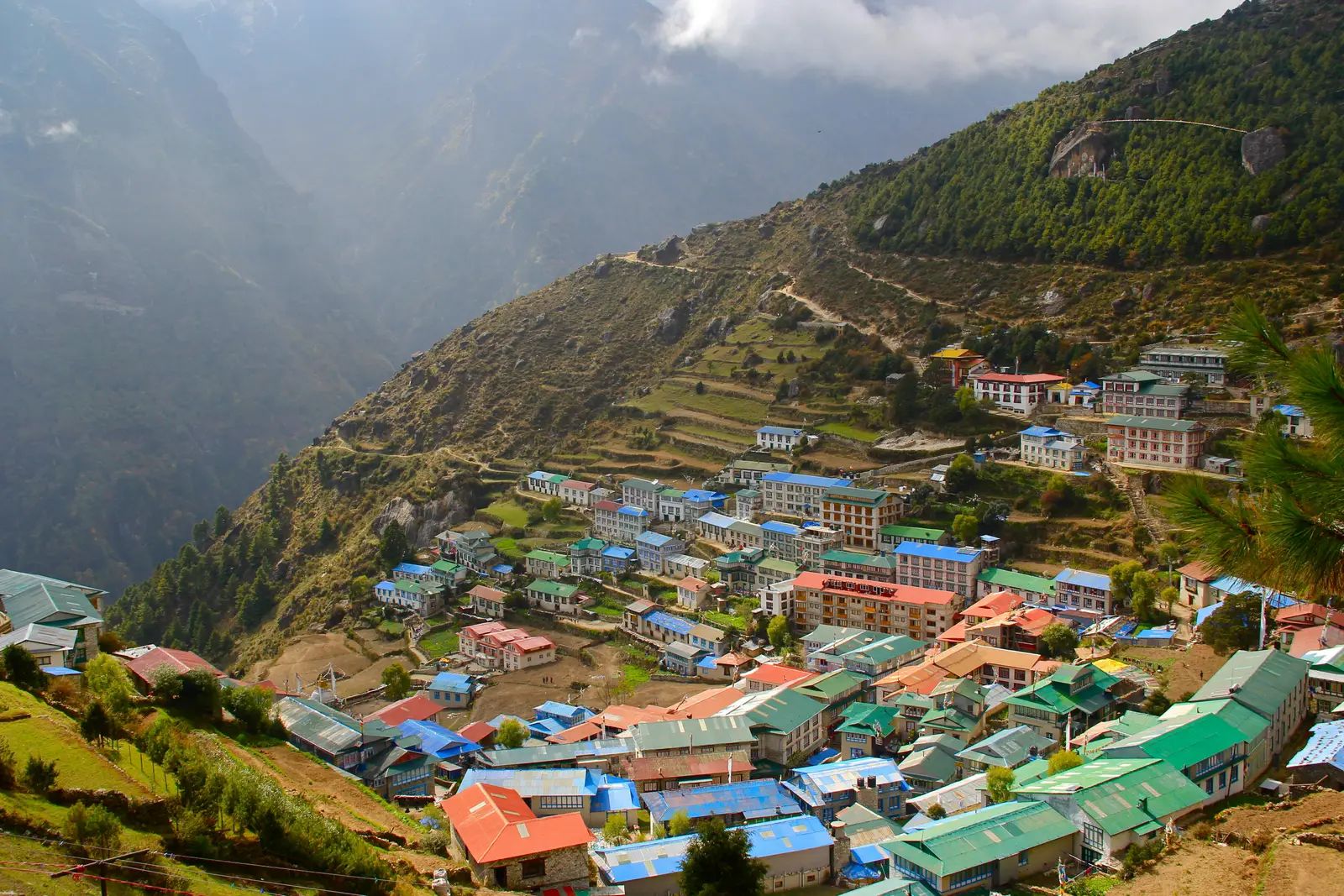
High in eastern Nepal, the Kanchenjunga Conservation Area stands as one of the Himalayas’ most remote and least-visited trekking frontiers. Twenty years ago this month, local communities took formal control of its management in a pioneering experiment. The milestone now coincides with growing questions about how the region will sustain its gains amid shifting priorities and a changing climate.
A Landmark Handover in the Mountains
In September 2006, officials traveled to a remote village to transfer day-to-day oversight of the conservation area to the people who live there. The move marked a deliberate shift toward community-led protection of forests and wildlife in one of Nepal’s most rugged border zones. Travelers who reach the area today still encounter the same towering peaks and dense rhododendron forests that made the handover feel historic at the time. The decision reflected years of work by local leaders who believed residents could safeguard the land more effectively than distant authorities. Early results proved them right. Forest cover across Nepal rose noticeably in the following years, and tiger numbers in key habitats more than tripled. Those improvements helped turn the Kanchenjunga region into a quiet success story for adventure travelers seeking trails far from the crowds on Everest or Annapurna.
Tragedy Overshadowed Early Progress
The handover ceremony ended in sudden loss when the return flight crashed the next day. The accident claimed the lives of key figures who had championed the community model, including several Nepali conservationists with deep ties to the mountains. Rescue teams struggled for days in bad weather before reaching the site, leaving Kathmandu without clear answers in the immediate aftermath. Despite the setback, the framework they helped establish continued. Local management committees took charge of patrols, tourism guidelines, and resource use. The approach kept poaching in check and encouraged sustainable trekking practices that still shape visitor experiences in the area today.
Why the Region Still Draws Serious Trekkers
Kanchenjunga remains harder to reach than most other Himalayan routes, requiring longer approaches and fewer facilities along the way. That isolation preserves a sense of wilderness that appeals to experienced hikers looking for raw scenery rather than teahouse circuits. The conservation model has kept large sections of forest intact, supporting rare wildlife sightings that add to the trek’s appeal. Yet the same remoteness that protects the landscape now complicates efforts to maintain momentum. Younger residents often leave for jobs in cities or abroad, thinning the pool of people available to run patrols and guide visitors. Conservation groups note that fresh energy is needed to keep the original vision alive as tourism patterns evolve.
What Comes Next for This Himalayan Outpost
The 20-year mark highlights both the durability of community management and the gaps that remain. Forest recovery has slowed in recent years, and new pressures from changing weather patterns are beginning to affect trails and wildlife corridors. Travelers planning trips to the region may notice more emphasis on low-impact practices as managers adapt. The area’s future will likely depend on whether a new generation steps forward to blend traditional knowledge with modern tools. For those willing to make the journey, Kanchenjunga still offers a rare window into a corner of the Himalayas where local stewardship has shaped the landscape for two decades.