León stands out among Nicaraguan destinations for its layered past, where ornate colonial structures sit alongside reminders of repeated political upheaval. The city played a central role in the country’s revolutions and protests, giving its streets a distinct intensity that sets it apart from more polished neighbors like Granada. Travelers who reach it often note a lived-in energy that feels both historic and immediate.
A Capital of Upheaval
León’s political significance stretches across centuries of Nicaraguan history. The city served as a focal point for independence movements, liberal reforms, and later 20th-century insurgencies that reshaped the nation. Its central location and university presence helped turn it into a hub for students, intellectuals, and activists who challenged successive governments. This repeated involvement in national struggles left visible marks on the urban fabric. Churches and government buildings that once hosted colonial administration later became sites of rallies and confrontations. The pattern created a collective memory that residents still reference when discussing the city’s identity today.
Architecture That Tells Two Stories
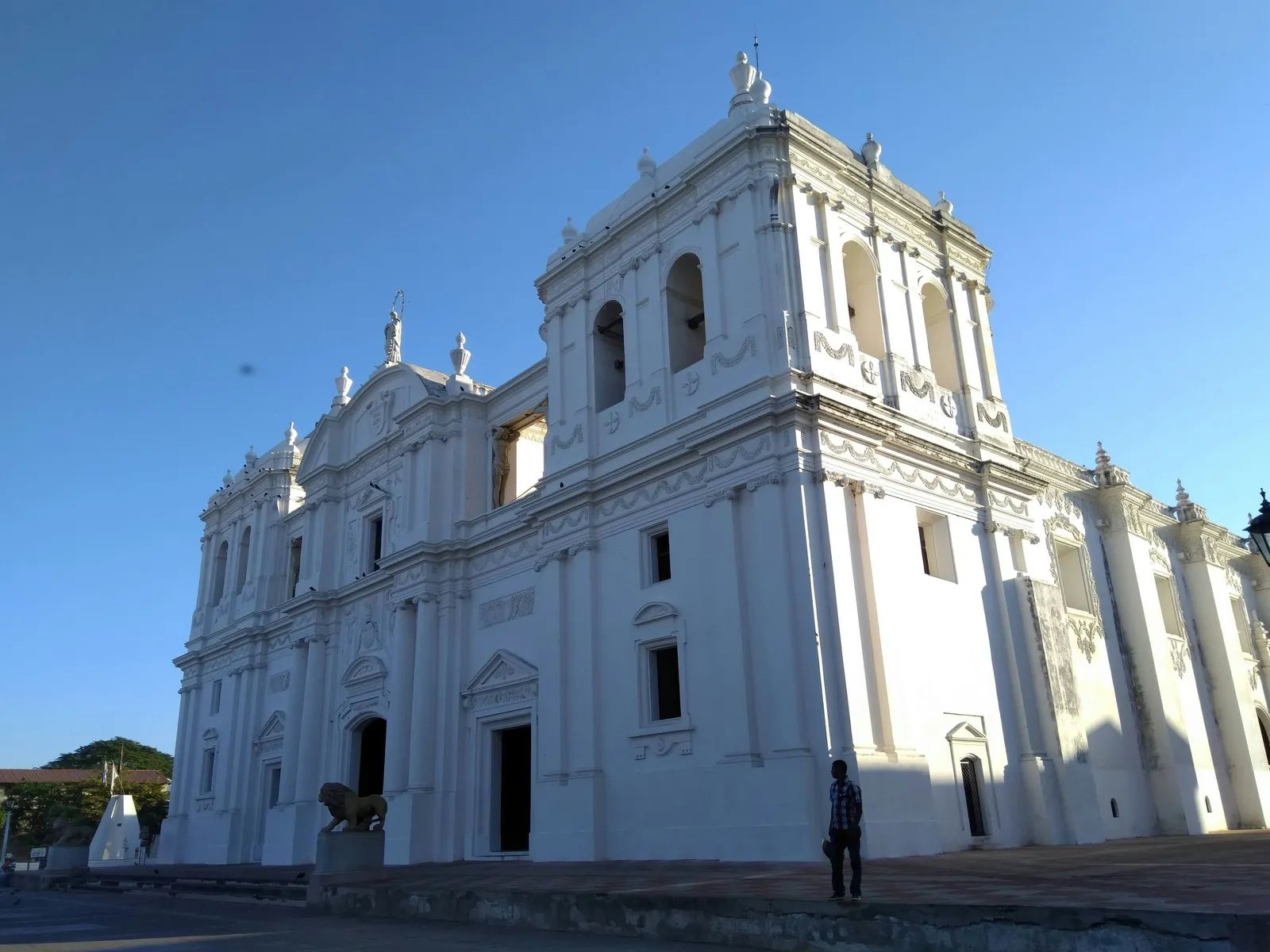
Colonial-era construction remains the most striking visual feature of León. Whitewashed facades, thick adobe walls, and tiled roofs line the central plazas, reflecting Spanish planning from the 16th and 17th centuries. Many of these buildings survived earthquakes and conflicts that destroyed other regional centers. Yet the same structures often carry more recent scars. Bullet holes or restored sections on certain walls hint at mid-20th-century clashes. Preservation efforts have kept the historic core intact while allowing everyday life to continue around the monuments, creating a setting where past events feel close rather than distant.
Daily Life Amid the Legacy
Residents navigate the city’s dual character with routine that blends tourism and local commerce. Markets operate near historic churches, and university students cross plazas that once hosted political gatherings. The result is a pace that feels busier and less curated than in some other Nicaraguan towns. Visitors who stay longer than a quick stop often describe an atmosphere that rewards observation over checklists. Side streets reveal workshops, modest museums, and cafés where conversations touch on both heritage and current conditions. This mix gives León a texture that rewards those willing to move at its rhythm.
Why the City Remains Distinct
León’s combination of preserved colonial design and revolutionary history produces a destination that resists simple categorization. It offers neither the beach-focused relaxation of the Pacific coast nor the polished charm marketed to first-time visitors elsewhere in the region. Instead, it presents a compact urban environment shaped by both beauty and conflict. For travelers seeking context beyond standard sightseeing, the city supplies a tangible connection to Nicaragua’s political evolution. Its streets and buildings continue to function as living records rather than static exhibits, a quality that keeps the place grounded even as interest in Central American travel grows.