Many people assume fine wine improves steadily with age, yet guidance from wine educators indicates that the majority of bottles are crafted for drinking within a couple of years after bottling. An opened bottle shifts noticeably faster, often within days, as oxygen and other factors take hold. These timeframes represent quality windows rather than strict expiration dates, and proper storage plays a key role in preserving character.
The Core Factors That Shorten Wine Quality
Oxygen exposure stands out as a primary driver of change once a bottle is opened, allowing oxidation to dull fresh fruit notes and introduce off aromas over time. Heat accelerates the process even in sealed bottles, with temperatures above 75 degrees Fahrenheit often aging wine in unintended ways and potentially pushing corks outward. Light compounds the issue, as bright sources can generate unwanted flavors in clear glass within hours. A faulty closure adds another variable by permitting gradual air exchange before the bottle is even opened. These elements combine to limit how long most wines hold their intended profile. Everyday bottles show the effects first, while only a small share of wines are produced with extended aging in mind. Storage conditions matter from the start, and avoiding temperature swings or vibration helps maintain balance.
Storage Practices That Protect Unopened Bottles
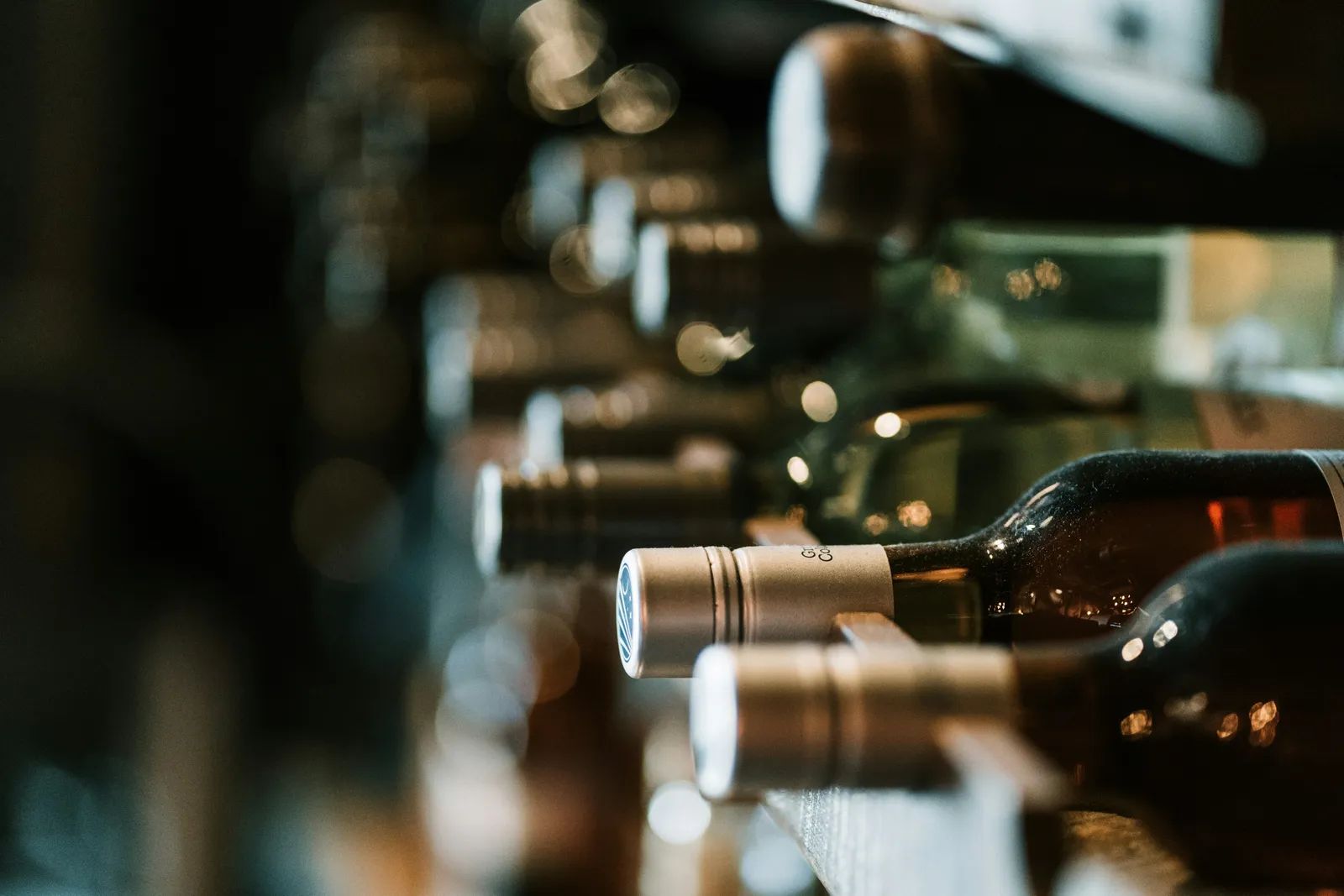
A steady cool environment between 50 and 59 degrees Fahrenheit offers the most reliable setting for unopened wine according to established recommendations. The kitchen often proves unsuitable because of frequent temperature changes from cooking and appliances. Natural cork bottles benefit from lying on their side during longer storage so the cork stays moist and seals effectively. Short periods at room temperature carry lower risk than prolonged heat, though cooler and darker locations remain preferable. A refrigerator can serve for brief stays of a couple of months, yet extended time there may affect cork elasticity. Avoiding direct sunlight or strong artificial light prevents premature flavor shifts in sensitive varieties.
Recognizing When Wine Has Passed Its Best
Visual and aromatic cues provide the clearest signals without requiring a taste test. A brown tinge often points to oxidation, accompanied by notes of bruised apple, nuts, or honey. Vinegar or nail polish aromas suggest volatile acidity from bacterial activity in the presence of oxygen, while a damp cardboard scent typically indicates cork taint. A cork pushed partially out of the neck frequently signals prior heat exposure. Reduction can produce struck match or rotten egg smells at higher levels. In each case the changes primarily affect enjoyment rather than safety, though bottles showing mold or unusual growth warrant discarding.
Opened Bottles and Their Shorter Timelines
Reclosing and refrigerating a still wine can extend usability to around five days in many cases. Sparkling varieties lose their effervescence more rapidly, typically holding for one to three days with a dedicated stopper. Fortified styles vary more widely, with some lasting weeks or months depending on the specific type. Boxed wines often maintain freshness longer after opening because the internal bag reduces air contact, sometimes reaching two to three weeks or more under refrigeration. Freezing leftover portions in ice cube trays offers a practical option for later use in cooking or mixed drinks, though quality may decline slightly upon thawing. The key remains judging each bottle by its storage history and observable condition rather than assuming indefinite stability.