Nepal has long celebrated the rebound of its greater one-horned rhinoceros population as a rare conservation victory in South Asia. Between 2015 and 2021 the total count rose 16.6 percent to 752 animals, a figure that reflects decades of anti-poaching work and careful management inside protected areas. Yet a closer look at animals moved to new sites reveals that the celebrated numbers rest on habitat that is no longer keeping pace with the rhinos’ needs.
From Near Extinction to Steady Growth
The greater one-horned rhino once hovered on the brink in Nepal, with only a handful surviving in Chitwan National Park by the late twentieth century. Intensive protection and community involvement turned the tide, allowing the population to expand steadily. By the most recent national census the species had reached 752 individuals across several reserves, a level that would have seemed impossible a generation earlier.
Authorities decided the next logical step was to spread the risk by establishing new groups outside Chitwan. Bardiya National Park, which had lost its last rhinos decades ago, received translocated animals starting in the 1980s. Today it supports roughly 38 rhinos, while Shuklaphanta National Park also hosts a small but growing population. The strategy has reduced the chance that a single disaster could wipe out the entire Nepali herd.
Tracking Reveals Unexpected Wanderings
Researchers fitted five rhinos moved from Chitwan to Bardiya’s Babai Valley with GPS collars between 2016 and 2017. The data showed the animals maintaining home ranges far larger than those recorded in better-studied populations. Instead of settling into compact territories, the rhinos ranged widely in search of food, water, and resting sites.
The pattern points directly to conditions on the ground. Riverine forests in the valley are fragmented, grasslands remain limited, and seasonal water sources dry up quickly. During the driest months the Babai River often shrinks to isolated pools, forcing rhinos to travel long distances. Some individuals have even crossed into neighboring India in search of relief.
Floods and Habitat Shifts Compound the Pressure
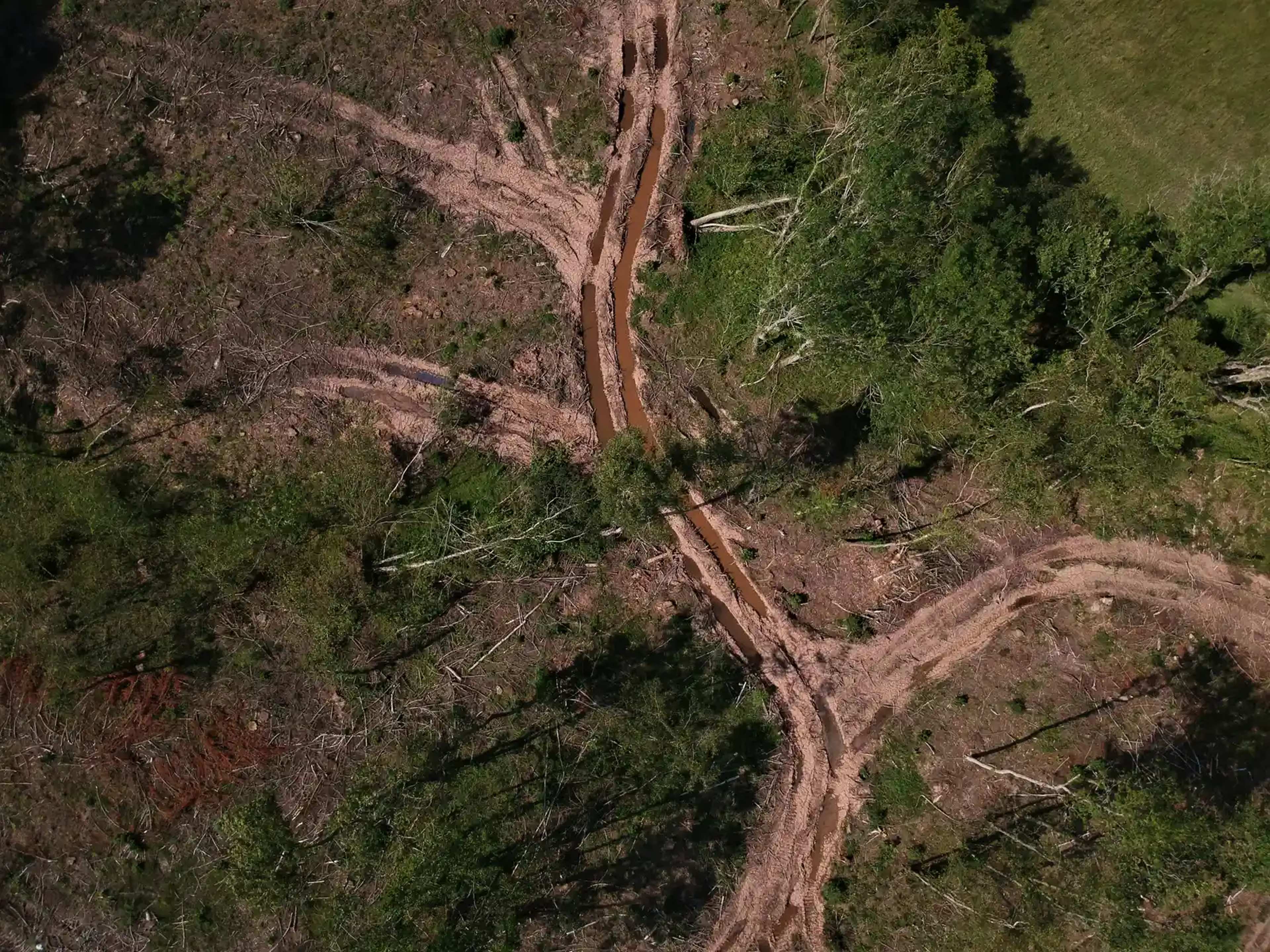
Two major floods, in 2015 and 2017, swept through the Babai Valley and altered the landscape in lasting ways. Grassland patches that rhinos rely on for grazing were inundated or washed away, and traditional wallowing sites used for cooling and skin care disappeared. The changes left the valley less hospitable than planners had assumed when the translocation program began.
Study co-author Babu Ram Lamichhane, now with Wild Care Nepal, noted that the habitat in the Babai Valley is simply not at an optimal level for the species. The combination of reduced forage, scarce water, and fewer wallows explains why the collared rhinos keep moving rather than staying within the designated release zones.
What Matters Now for Conservation and Visitors
The mismatch between population numbers and habitat quality carries practical consequences. Rhinos that leave protected areas face higher risks from human conflict, roads, and poaching. For travelers who come to Nepal hoping to see these animals in the wild, the situation underscores that long-term viewing opportunities depend on more than head counts.
Park managers and conservation groups are already examining ways to restore grasslands, improve water retention, and reconnect fragmented forest patches. These steps would benefit not only rhinos but also the broader ecosystem that supports tigers, elephants, and countless other species that draw visitors to the Terai region.
A Measured Path Forward
Nepal’s rhino recovery remains one of the brighter stories in Asian wildlife conservation. The growth from near-zero in some areas to hundreds of animals demonstrates what sustained protection can achieve. At the same time, the experience in Bardiya shows that moving animals is only the first step; the land itself must be able to sustain them.
Continued investment in habitat restoration, together with ongoing monitoring, will determine whether the current numbers translate into stable, self-sufficient populations. For now, the rhinos themselves are sending a clear signal: success on paper must be matched by livable conditions on the ground.