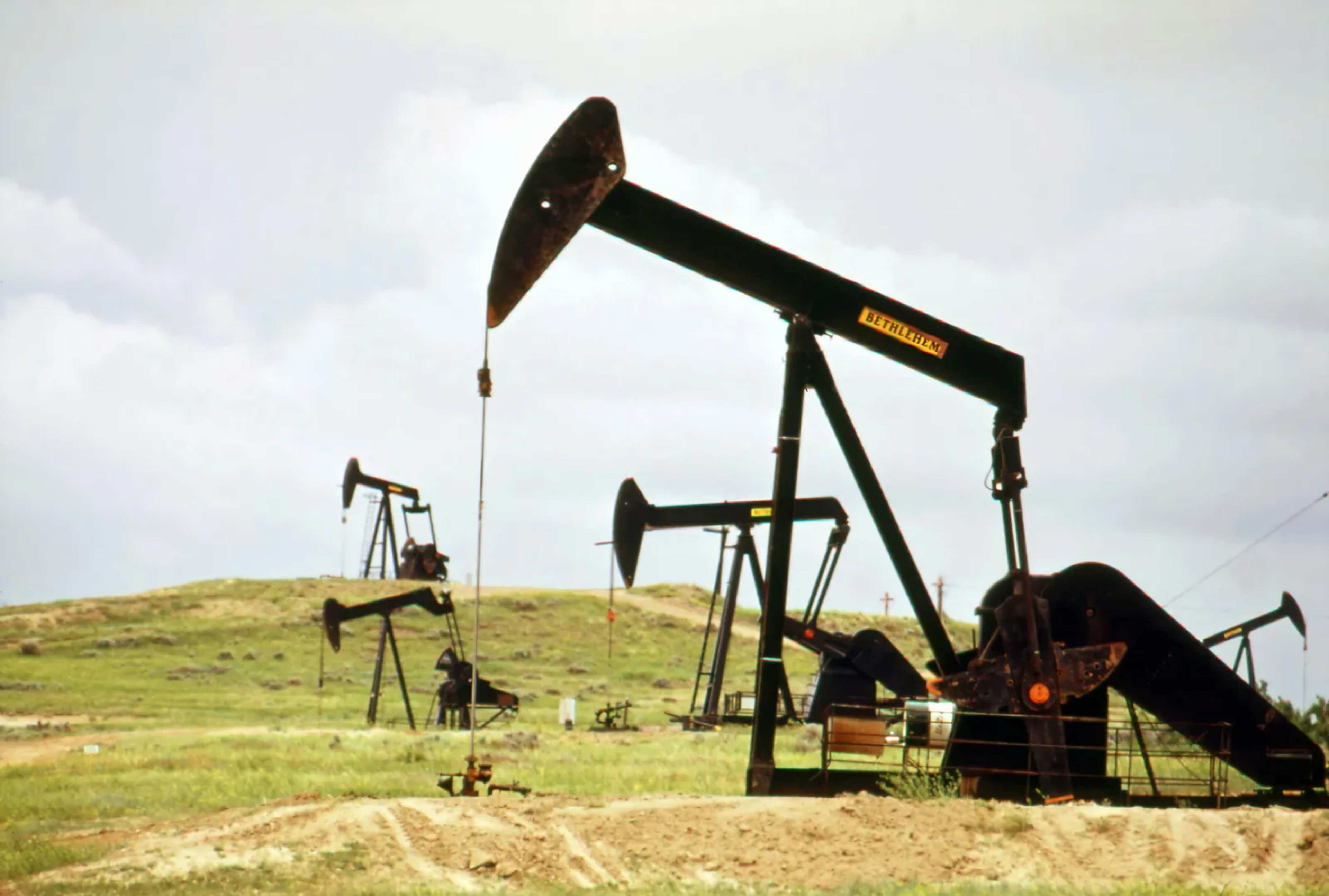
A fresh analysis from Earth Insight shows that planned and active oil and gas operations already intersect with more than 61.5 million hectares of protected and conserved areas across tropical countries. That footprint equals roughly 2.5 times the land area of the United Kingdom. Mining concessions add another 42.7 million hectares of overlap with the same category of lands. The findings arrive as governments prepare to review progress on the global target of conserving 30 percent of nature by 2030. ([1])
Extent of the Overlaps
The report maps industrial claims against areas already counted toward conservation targets. Oil and gas blocks cover the largest share of the documented overlap. Mining concessions follow at a smaller but still substantial scale. Both sets of data cover tropical nations where many of the world’s remaining intact ecosystems are located. The combined pressure reaches well beyond isolated incidents and affects a continuous stretch of land larger than several European countries combined. The analysis draws on spatial data for ongoing projects as well as future concessions. It therefore captures both current operations and those still in planning stages. Protected and conserved areas in this context include national parks, indigenous territories, and other designations recognized under international frameworks. The overlaps indicate that formal protection status alone has not kept industrial activity at bay.
Pressure on the 30×30 Target
In 2022, nearly 200 countries adopted the Kunming-Montreal Global Biodiversity Framework, which includes a headline commitment to protect 30 percent of terrestrial, inland water, and coastal areas by 2030. The new report underscores that simply expanding the total area under protection will not meet the goal if existing protected zones remain open to extraction. Florencia Librizzi, deputy director at Earth Insight and author of the study, noted that the analysis reveals a major gap between conservation commitments and the industrial pressures facing areas already counted as protected and conserved. Delegates will gather in Yerevan, Armenia, later this month to assess early progress. The timing places the Earth Insight findings directly in front of negotiators. Rather than focusing solely on new designations, the report urges governments to examine the quality of protection already in place and to address enforcement shortfalls.
Stakeholders and Next Steps
A coalition that includes the World Commission on Protected Areas, the Key Biodiversity Areas Secretariat, and the International Indigenous Forum on Biodiversity contributed to the underlying data review. These groups emphasize that effective conservation requires more than lines on a map. Local communities, indigenous organizations, and national agencies all stand to be affected when industrial plans advance inside or adjacent to protected zones. The report stops short of calling for an outright halt to extraction. Instead it highlights the need for clearer separation between conservation priorities and resource development. Governments are encouraged to revisit permitting processes and to ensure that any new activity undergoes rigorous environmental review before approvals are granted. The data make clear that current trajectories risk undermining the very areas counted toward the 2030 target. Without adjustments to how protected status is enforced, the numerical goal could be reached on paper while the ecological integrity of those lands continues to erode.