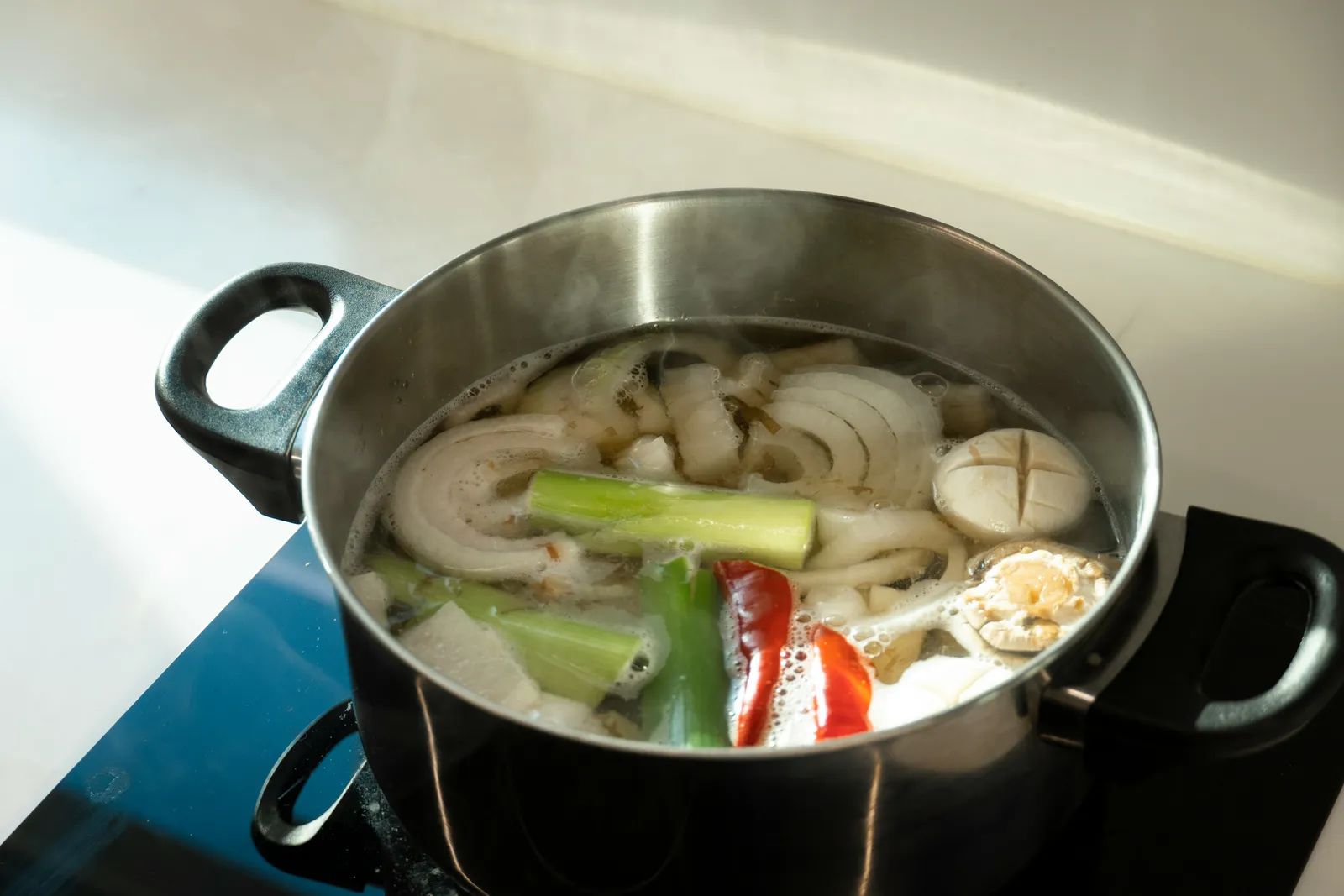
Many home cooks open a carton of vegetable broth for a recipe and then tuck the rest into the refrigerator, assuming it will stay good for a week or more. The reality is more limited. Federal guidance points to a shorter window once the seal is broken, and that window applies whether the broth came from a store or a homemade pot.
The Everyday Oversight
People often treat opened vegetable broth like other pantry staples that improve with time or hold up for extended periods. In practice, once exposed to air and moved to cold storage, the product enters a narrower safety range. Refrigerators set at 40°F or below slow bacterial growth, yet they do not stop it entirely. The result is a conservative recommendation that surprises many cooks who reach for the carton days later without a second thought.
USDA Guidance Sets the Baseline
The U.S. Department of Agriculture places opened low-acid canned foods, soups, and leftovers in the same 3-to-4-day category for refrigerated storage. Vegetable broth falls under this general umbrella because no separate row exists for it on the main cold-storage charts. Manufacturers sometimes list longer windows on their own cartons, yet those figures reflect product-specific testing rather than the broader federal baseline. When a label offers no time, the 3-to-4-day default remains the safest reference point. FoodSafety.gov aligns with the same refrigerator span for soups and stews that contain vegetables. The emphasis stays on prompt chilling after opening and consistent cold temperatures. Any broth left at room temperature beyond two hours, or one hour when the air exceeds 90°F, moves into the discard zone regardless of appearance.
Homemade Stock Follows the Same Clock
Extension services from Oregon State and the University of Maine both list 3 to 4 days for homemade vegetable stock kept in the refrigerator. The cooling step matters as much as the storage time. Large pots should be divided into shallow containers so the liquid drops below the danger zone quickly. Placing hot broth straight into the refrigerator or using an ice bath speeds the process and reduces risk. No meaningful storage difference separates vegetable broth from vegetable stock. Both are cooked liquids without the protective elements found in meat-based versions, yet the recommended times remain consistent across sources.
Freezing Extends Usability
Freezer storage at 0°F keeps broth safe for longer periods, though quality is the limiting factor. Most guidance suggests using frozen portions within 2 to 3 months for best flavor and texture. Small, labeled containers or ice-cube trays work well because they allow cooks to thaw only what is needed. Thawing options include the refrigerator, cold water, or the microwave. Refrigerator-thawed broth can return to the freezer without reheating, while cold-water thawing requires cooking before refreezing. Quality may decline with each cycle, so planning ahead prevents waste.
Clear Signals to Discard
Visible mold, a sour or off odor, and any bulging, leaking, or deeply dented package are reliable reasons to throw the broth away. A slimy texture or unexpected fizzing in cold liquid also warrants caution. Color changes alone are less definitive because vegetable broth varies with the ingredients used. The absence of obvious spoilage does not guarantee safety. USDA notes that harmful bacteria cannot always be detected by sight or smell. Counting the days since opening and confirming proper storage remain the most reliable checks.
| Storage Situation | Recommended Time |
|---|---|
| Opened, refrigerated at 40°F or below | 3 to 4 days |
| Homemade, refrigerated | 3 to 4 days |
| Left at room temperature | 2 hours maximum |
| Frozen at 0°F | 2 to 3 months for quality |
Proper handling turns a short window into reliable use. Writing the opening date on the carton and planning meals around that timeline keeps the broth both safe and flavorful.