Picture a hotel lobby at 3 a.m. Dim lights, a humming ice machine, one clerk staring at a screen. Nothing happening, right? Not even close. Between midnight and 6 a.m., a tiny crew is closing the books on the day, calming stranded strangers, answering alarms, and quietly handing the building to the morning team.
Some of these moments are funny. Some are tense. A few are the kind night staff carry home with them. The early ones might change how you look at the keycard in your pocket, but the situation waiting at #1 has less to do with rooms than with people.
#23 – The Day Officially “Ends” While You’re Brushing Your Teeth
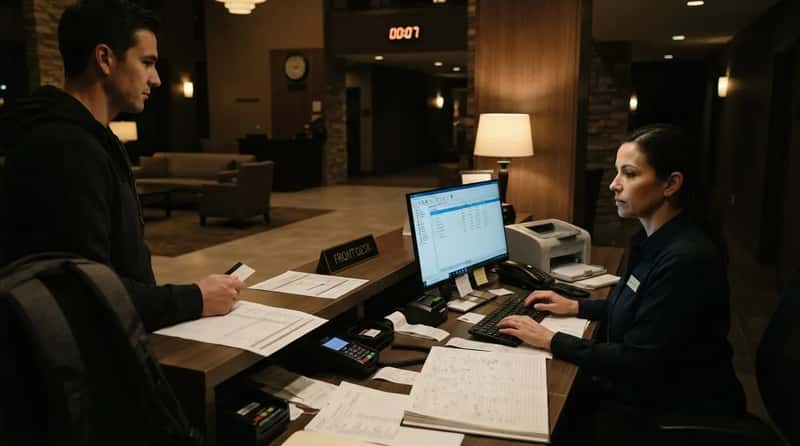
Midnight is paperwork time at many hotels. The night auditor reviews the day’s charges, checks that the numbers match, and rolls the system over to the next business date. It’s a real accounting job, done a few feet from the lobby couch.
On a small crew, that one person can be accountant, front desk agent, and first call for security all at once. A guest with a broken keycard can walk up mid-audit, and the auditor has to switch hats on the spot.
That’s the calm part of the night. The next guest is already hours behind schedule…
#22 – The Flight That Landed Four Hours Late
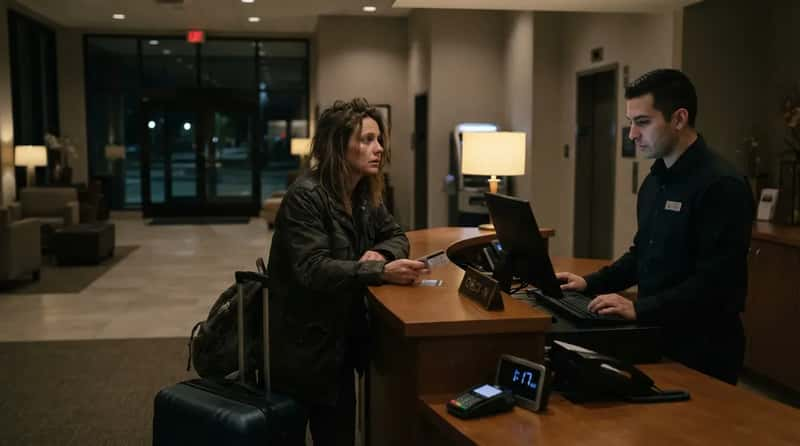
A delayed flight can turn a 6 p.m. arrival into a 1 a.m. one. Guests shuffle in exhausted and rumpled, convinced their room was given away. Most of the time it wasn’t, as long as someone told the hotel.
Night staff say these are often the easiest guests of the shift, because all they want is a key and a pillow. The reservation may carry a note about the late arrival, but only if someone typed it in. When there’s no note, things get tense fast.
And when that note goes missing, the next situation gets ugly…
#21 – The Reservation That Quietly Vanished Before You Landed
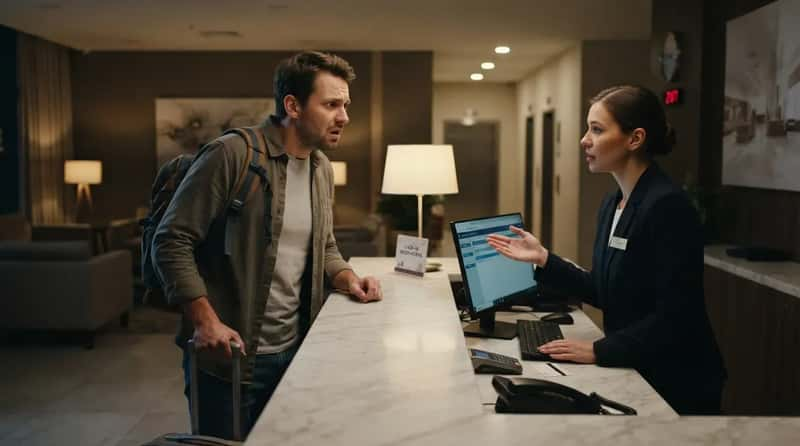
Many hotels hold unguaranteed reservations only until a set hour, often in the evening. After that, the room can go to a walk-in. A guest who rolls in at 2 a.m. may be told their booking is gone, and the shock on their face says everything.
Whether you keep the room usually depends on how it was booked. A guaranteed reservation is typically held all night, while a standard one may not be. The desk agent often has little power to override it, so the outcome can come down to a single line in the booking terms. Some hospitality workers call the cutoff outdated in the age of delayed flights. Others say it’s the only way to avoid empty rooms.
Quick Compare
- Guaranteed booking: usually held all night, often backed by a card or prepayment.
- Standard booking: may be released after the hotel’s cutoff hour.
- Late-arrival note: helpful, but only if it actually made it onto the reservation.
Next up is a small plastic card that causes huge frustration…
#20 – The Keycard That Dies at Exactly the Wrong Moment
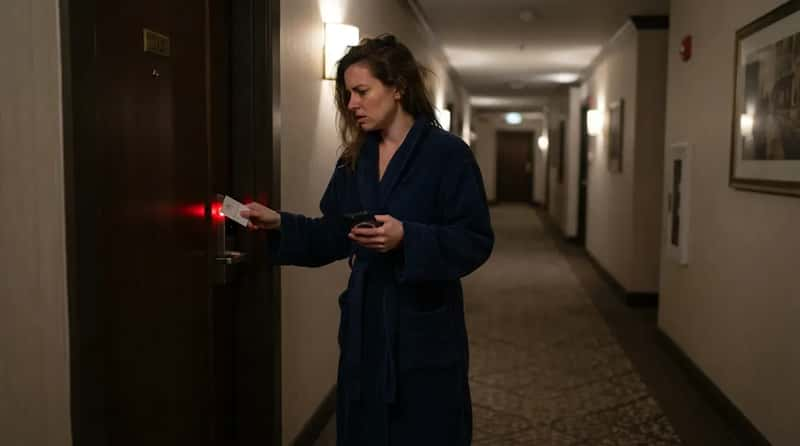
It’s 1 a.m., and the little light on the door blinks red. The front desk gets this call again and again. The card stops working, and the guest assumes the hotel did something wrong.
Often the card was simply stored near something that interfered with it, like a phone with a magnet case or another card. Staff can re-encode a new one in seconds. Hotels usually verify your ID before issuing a replacement, even when you’re standing there in a robe.
A dead keycard is mild, though, compared to the guest in the next story…
#19 – The Guest Who Swears This Is Their Room
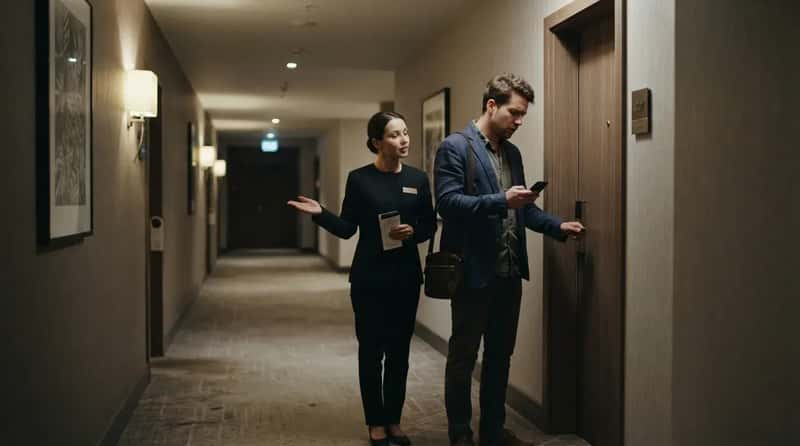
After a late night out, some guests step off the elevator on the wrong floor. They try a door that looks right and can’t understand why it won’t open. A few call the desk, certain the lock is broken.
Staff handle it gently. They ask for a name and ID, then walk the guest to the right floor if needed. Many hotels avoid saying a room number out loud in a public lobby. It’s a quiet security habit that protects everyone sleeping upstairs.
That one is polite and discreet. The next situation is anything but quiet…
#18 – The Wedding After-Party That Moved Into the Hallway
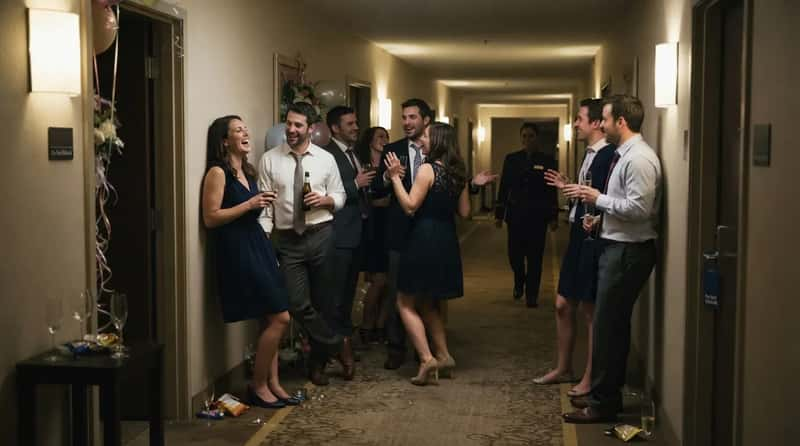
Wedding weekends can mean a whole block of rooms filled with celebrating guests. The reception ends, but the party doesn’t. Soon the hallway is a second venue, and the neighbors start calling the desk.
Night staff typically begin with a friendly knock and a polite request. Repeated complaints can lead to firmer warnings. Hotels have policies that can include asking guests to leave if they keep disturbing others.
But the loudest sound of the night comes next…
#17 – The Fire Alarm Set Off by Shower Steam
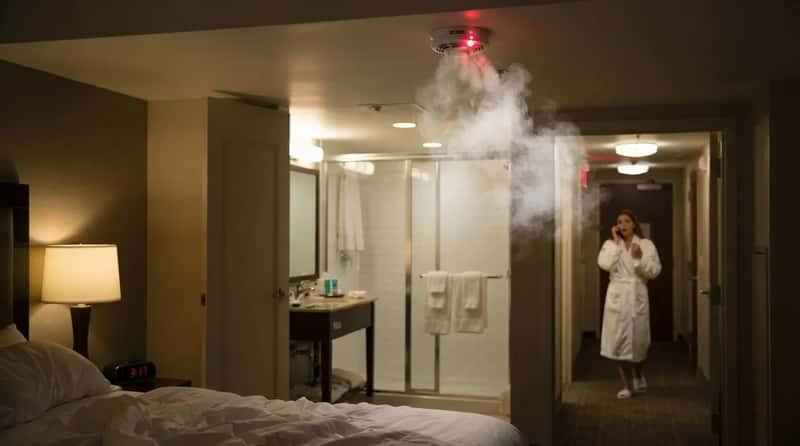
Few sounds clear a hotel faster than a fire alarm. Sometimes the culprit is burnt toast, aerosol spray, or heavy steam near a detector. Staff still can’t assume it’s harmless.
They check the alarm panel, find the location, and follow the property’s emergency procedure. Guests in robes and bare feet can end up in the parking lot at 3 a.m. Every alarm gets treated as real until someone has confirmed otherwise.
Not every midnight call is that dramatic, though. Some are almost comically small…
#16 – The Midnight Call About the Wi-Fi and the TV Remote
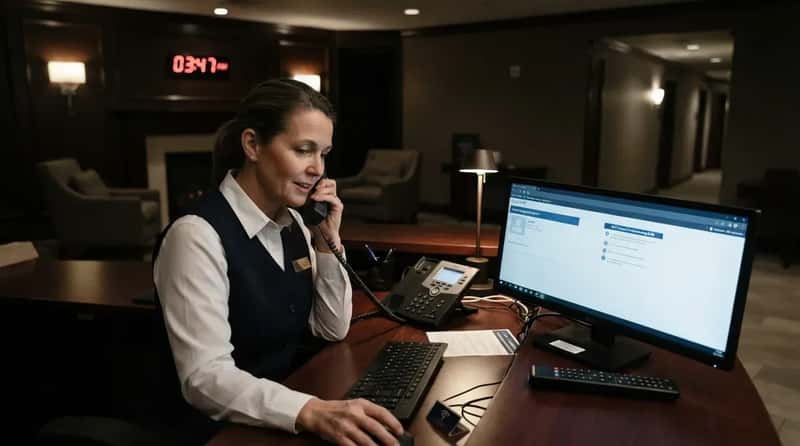
Some of the most common overnight calls are tiny tech problems. The Wi-Fi won’t connect. The TV is stuck on the wrong input. The remote has apparently vanished into thin air.
These calls sound trivial, but they matter to a guest with a morning deadline or an exhausted kid. Night staff often talk people through fixes over the phone. A single reset can solve a problem that felt like a disaster. Many hotel workers privately call these the easiest wins of the night.
The next one involves a very awkward hallway moment…
#15 – Locked Out in the Hallway, Wearing Nothing but a Towel
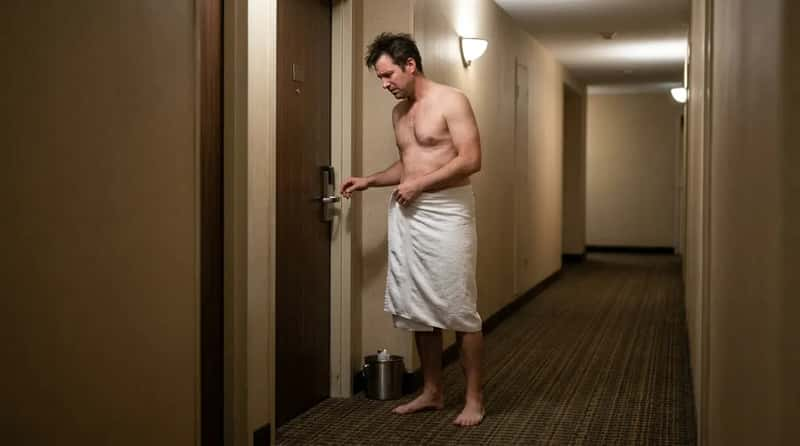
Someone steps out to grab ice, and the door clicks shut behind them. Now they’re stuck in the corridor with no phone and no key. It happens more often than most people admit.
Staff will usually verify who is registered to the room before letting anyone back in. That check protects guests from strangers claiming to be locked out. It can feel painfully slow when you’re standing there barefoot, but there’s a reason for it.
Still, a bad weather night makes that look easy…
#14 – The Storm Night When the Lobby Filled with Strangers
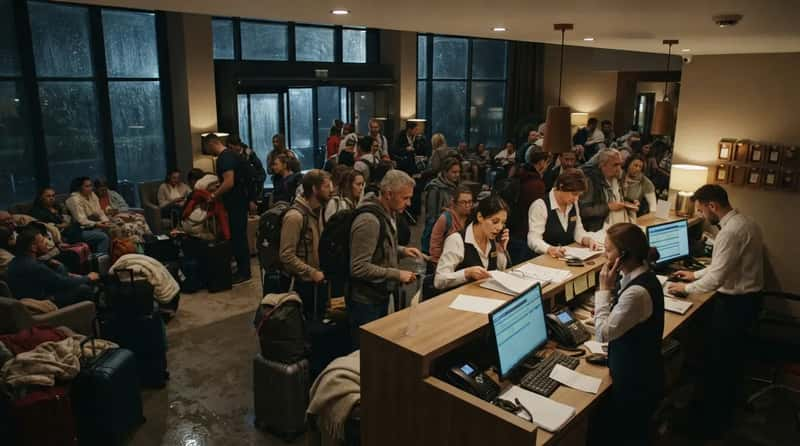
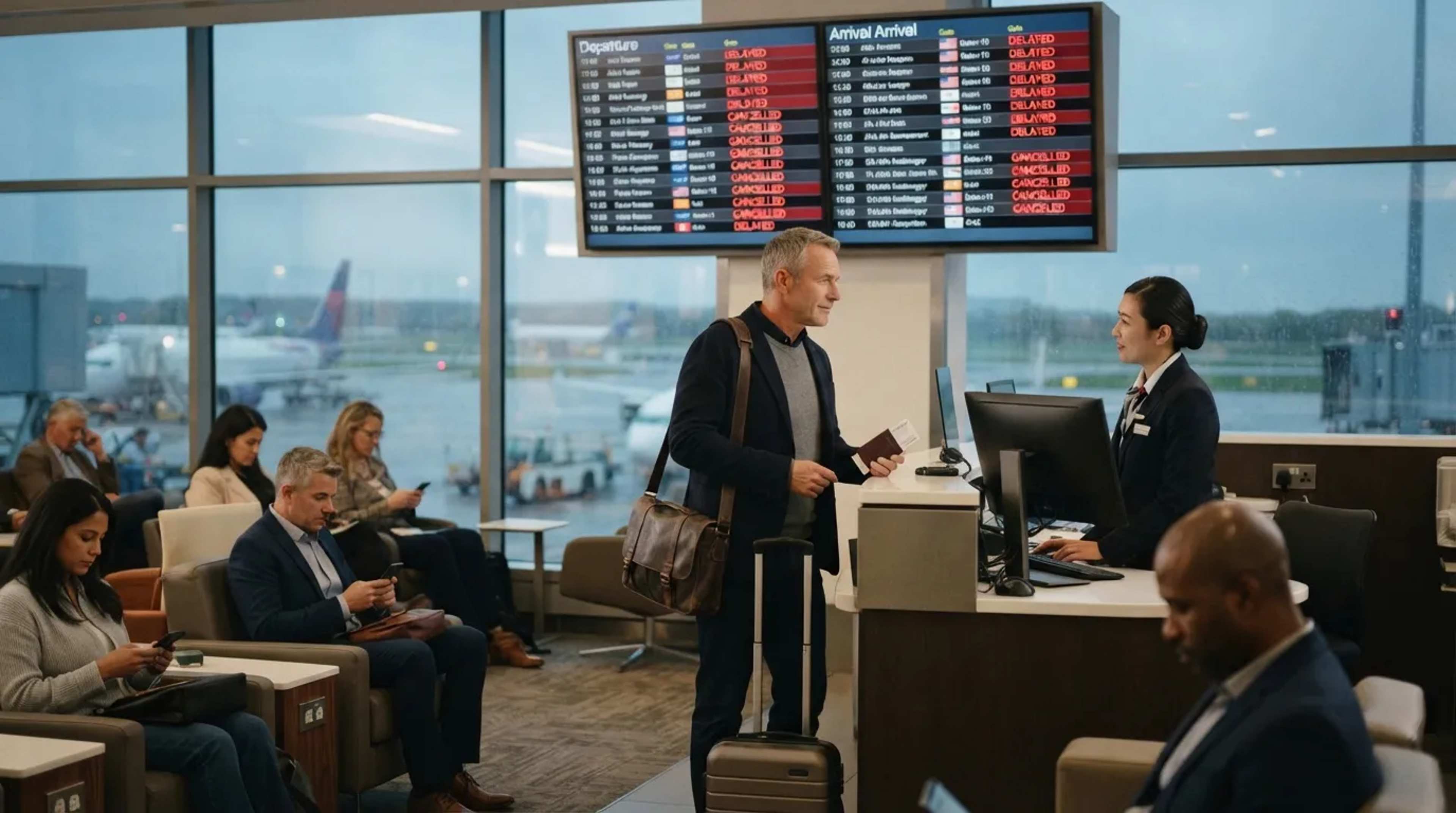
Flight cancellations and closed highways can send stranded travelers straight to the nearest hotel. A calm lobby becomes a crowded waiting room in minutes. People are tired and worried, and everyone wants a bed.
Night teams juggle availability, tempers, and limited supplies. Rooms can sell out within hours when a major disruption hits a nearby airport. Staff can’t create rooms that don’t exist, which frustrates everyone on both sides of the desk.
The next problem is smaller, but it ruins plenty of nights…
#13 – The Thermostat War at 2 A.M.
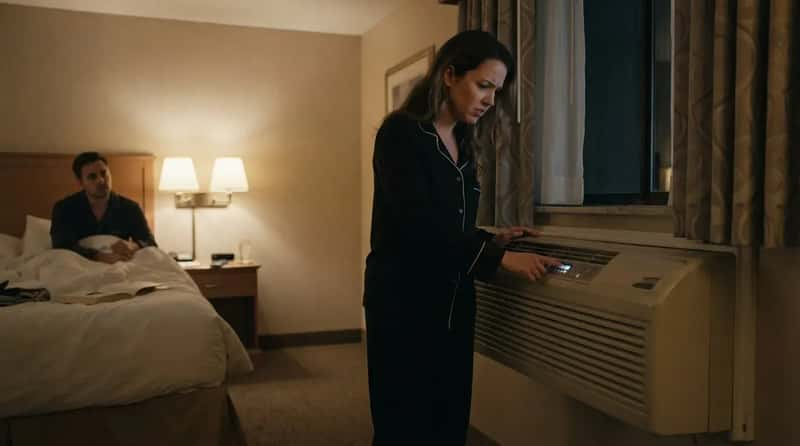
Too hot, too cold, or a heating unit that sounds like a jet engine. Temperature complaints are a staple of the overnight shift. Guests call convinced something is broken.
Sometimes it is. Other times the unit is simply set to a mode the guest hasn’t found. Staff may offer a room change if a unit truly can’t be fixed that night, because maintenance isn’t on-site until morning at many properties.
Worth Knowing
- Many room units have separate mode and fan settings, so “no cold air” can be a setting rather than a breakdown.
- A balcony door or window left slightly open can confuse a thermostat.
- If maintenance is off-site overnight, a room move is often the fastest fix.
- Describing what you hear or feel, like rattling or no airflow, helps the morning team repair it.
That gap between a problem and the person who can fix it matters even more when security is involved…
#12 – The “Visitor” Nobody Registered
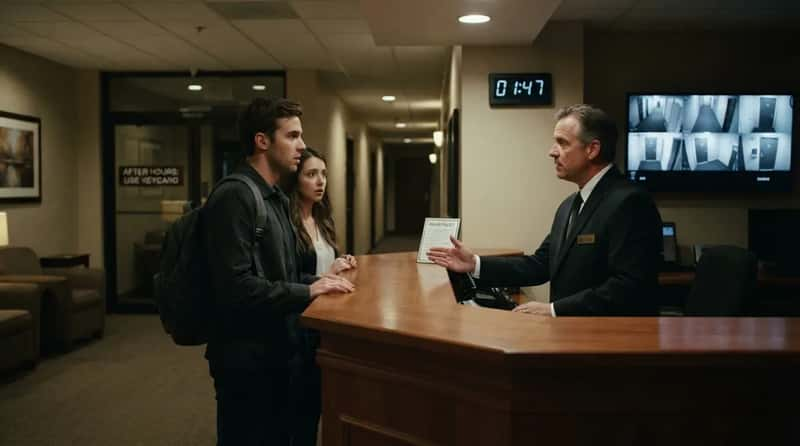
A guest comes back at 1 a.m. with a friend. That alone is usually fine, but policies about extra guests and building access vary by property. The night desk is the one that has to enforce them.
Staff keep an eye on lobby doors, hallways, and camera feeds. Many hotels lock side entrances overnight and require a keycard to get in. Anyone who can’t explain why they’re there may be asked to leave.
But a certain smell in the hallway gives away far more than visitors do…
#11 – The Smoke Smell That Gave Someone Away
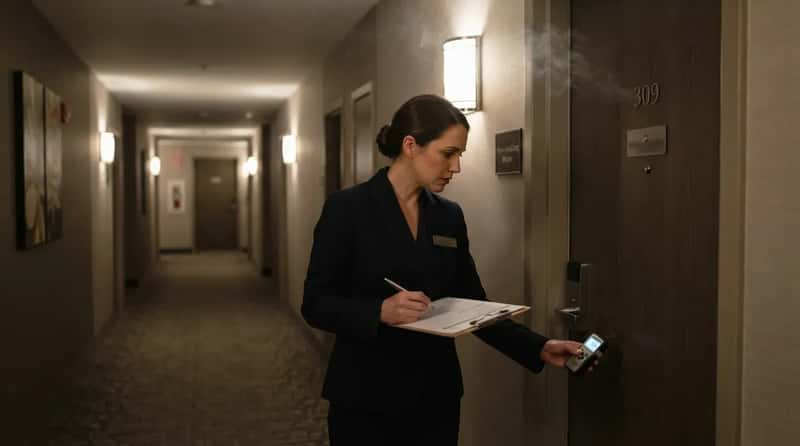
Many hotels list their rooms as non-smoking, and many charge cleaning fees if guests break the rule. Night staff are often the first to notice a smell drifting down a hallway. Sometimes a smoke detector goes off, too.
The proof usually surfaces later. Housekeeping documents the room’s condition, and the fee can show up on the final bill. Guests are often stunned at checkout, long after they believed nobody noticed.
Next, a very different kind of arrival turns the quiet lobby into a crowd…
#10 – A Tour Bus Rolls In at 3 A.M.
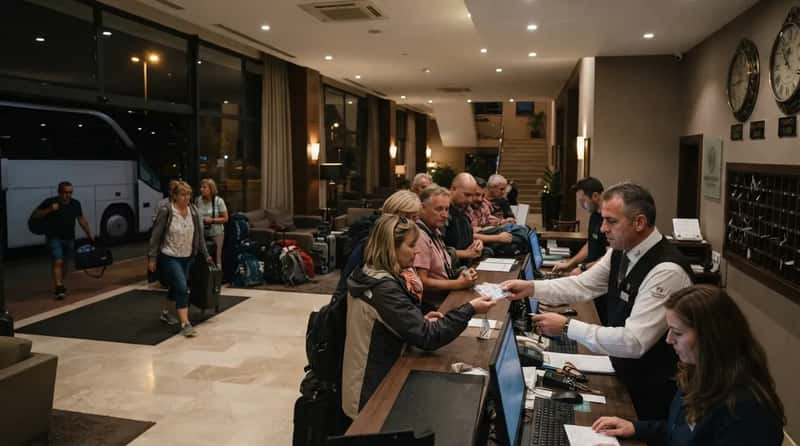
Sports teams, tour groups, and performers sometimes arrive in the middle of the night after a long drive. A whole group needs keys at the same time. The lobby suddenly feels tiny.
Night teams prepare by pulling room lists ahead of time. A prepared group can be checked in far faster than a bus of strangers with no list. Without that prep, the front desk becomes a bottleneck.
Then there’s the temptation that guests never expect to be locked…
#9 – The Pool Everyone Wants After Hours
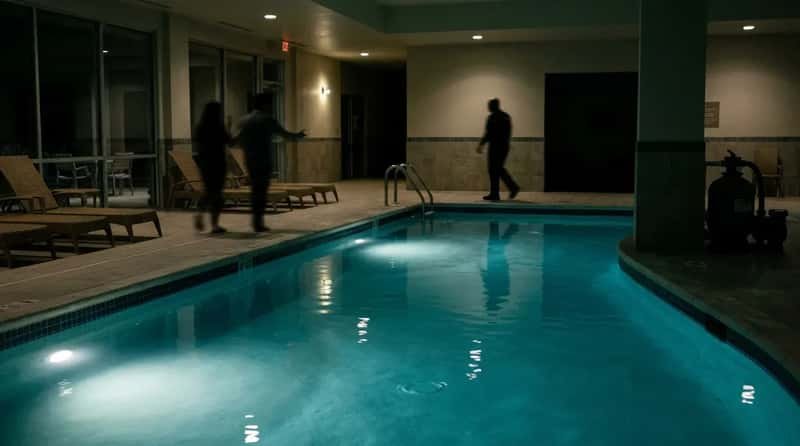
Hotel pools usually have posted hours, and they close for a reason. Still, some guests wander down late for a quick swim. Others bring friends.
Staff have to balance hospitality with safety. Most hotel pools have no lifeguard, which is exactly why after-hours access is discouraged. Night teams may politely send people back upstairs, and it can feel like a buzzkill. It’s really a liability issue.
The next problem is mechanical, and it can trap people…
#8 – The Elevator That Stops Between Floors
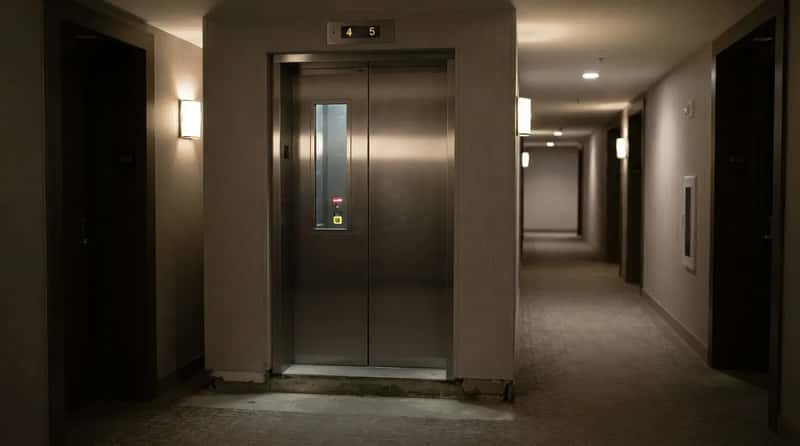
A stuck elevator is rare, but it does happen. A guest presses the call button, and the desk has to coordinate help. The pressure lands on the overnight crew.
Staff typically contact the elevator company or emergency services. The best thing a trapped rider can do is stay calm and wait for trained help. Forcing the doors open can be dangerous.
Losing power across the whole building is a bigger test…
#7 – When the Power or Internet Goes Out
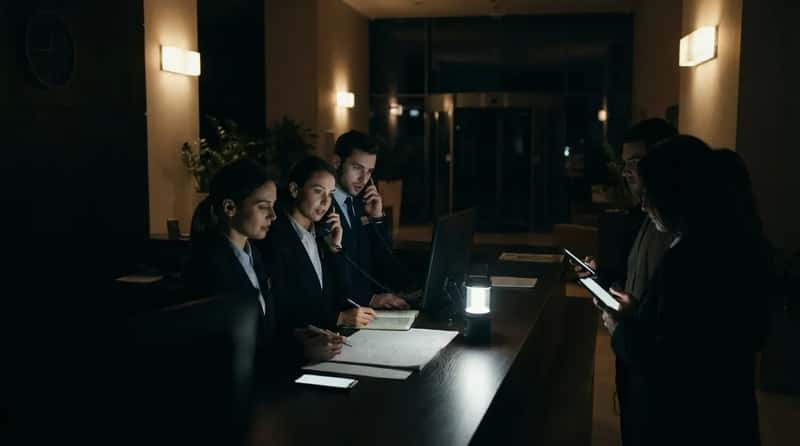
An outage at 4 a.m. leaves a hotel dark and confused. Guests call the desk asking what’s going on. Staff often know little more than the people calling.
Emergency lighting and backup systems help in a lot of buildings. Many properties have emergency procedures, but not every system works the same way. Communication becomes the main job. Honest updates calm people faster than silence does.
Fast Facts
- U.S. building and fire codes generally require emergency lighting along exit routes to last at least 90 minutes.
- A phone flashlight is safer than a candle, since open flames add fire risk in a dark building.
- An internet-only outage can slow check-ins and key encoding, even when the lights stay on.
And as the sky begins to lighten, the clock starts mattering for a different reason…
#6 – The 4 A.M. Wake-Up Call That Saves a Flight
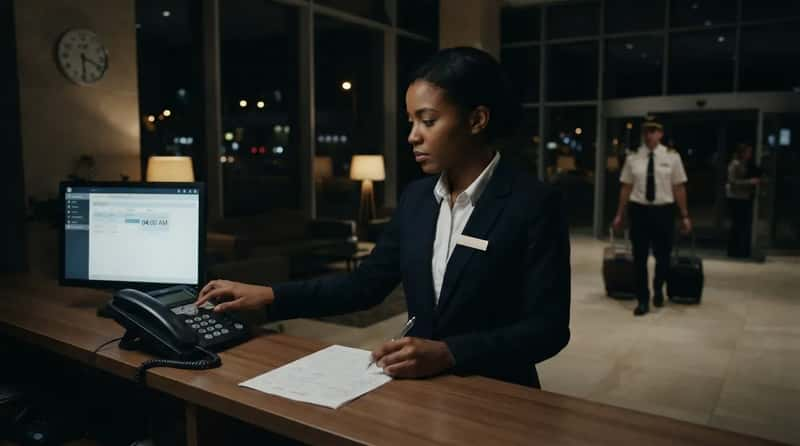
Airline crews, business travelers, and early-morning drivers all need to be up before the sun. They rely on wake-up calls or early shuttles. A missed one can cost someone a flight.
Night staff double-check the list. One forgotten call can send a traveler racing to the airport in a panic. Most people trust their phone alarm, but the hotel call remains a backup for the nights when the phone dies.
Meanwhile, a whole new crew is already arriving while the night team is still on duty…
#5 – The Breakfast Crew Arrives Before Anyone Is Awake
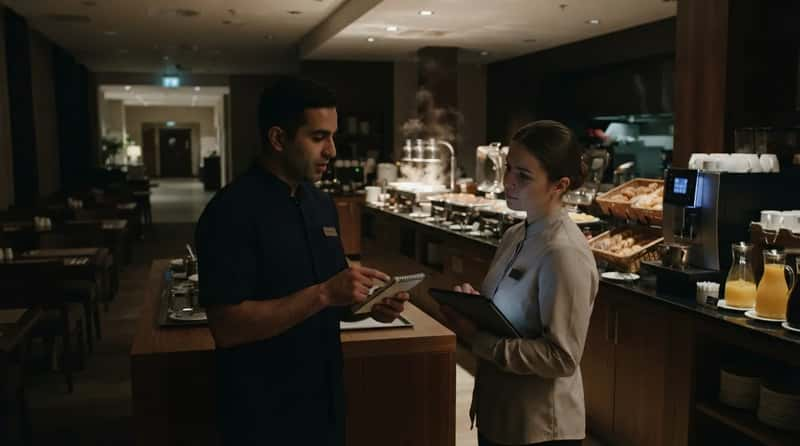
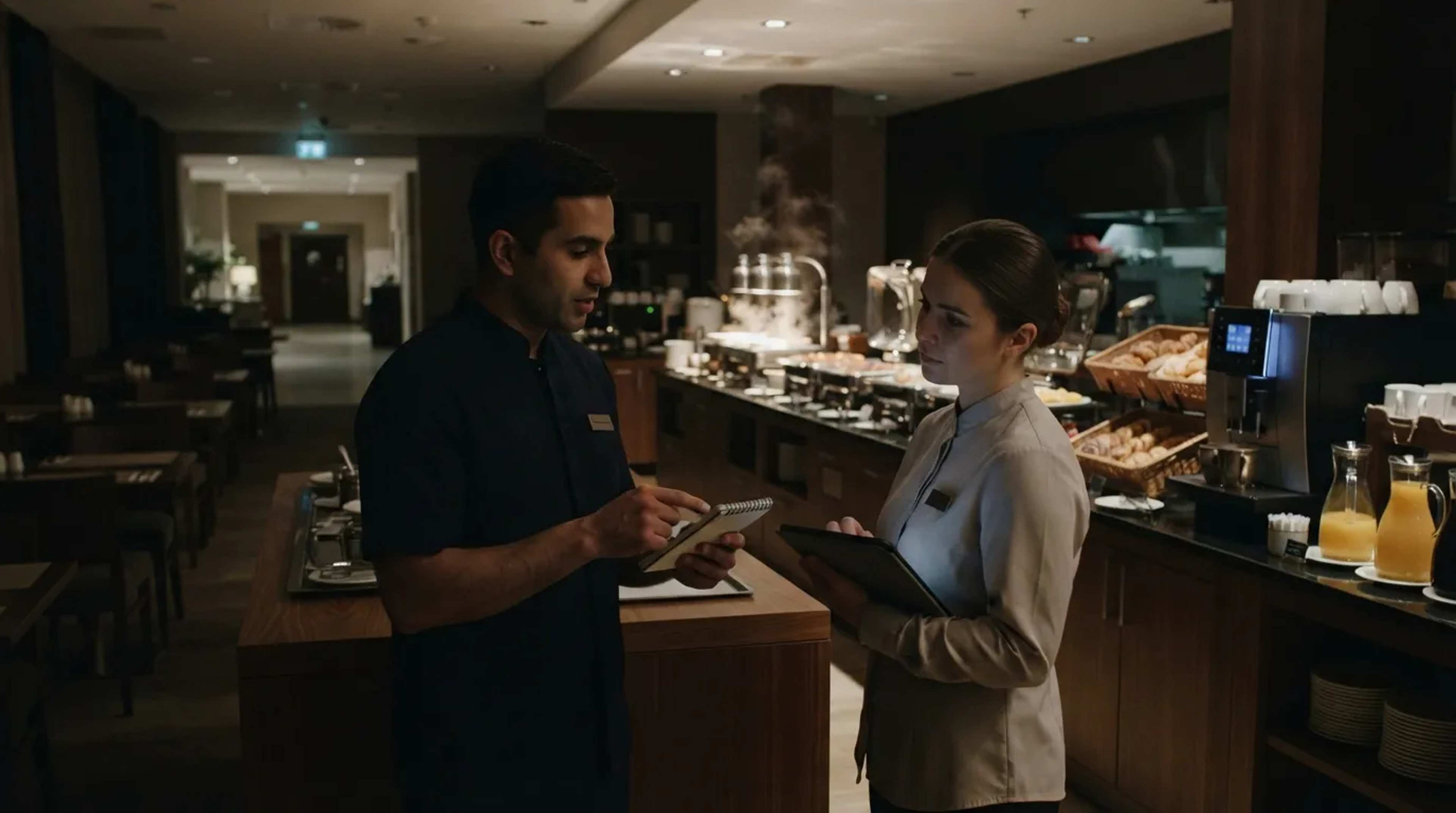
Around 4 or 5 a.m., the first morning staff start showing up. Coffee is brewing and the buffet is being prepped. The hotel quietly shifts into a new day while most guests are still asleep.
Night staff handle the handoff. They pass along every note, complaint, and open problem before the shift ends. A missed note can turn into a morning headache.
Most guests never see this relay race. The next call is one guests make in a panic…
#4 – The Panicked Call About a Left-Behind Charger (or Worse)
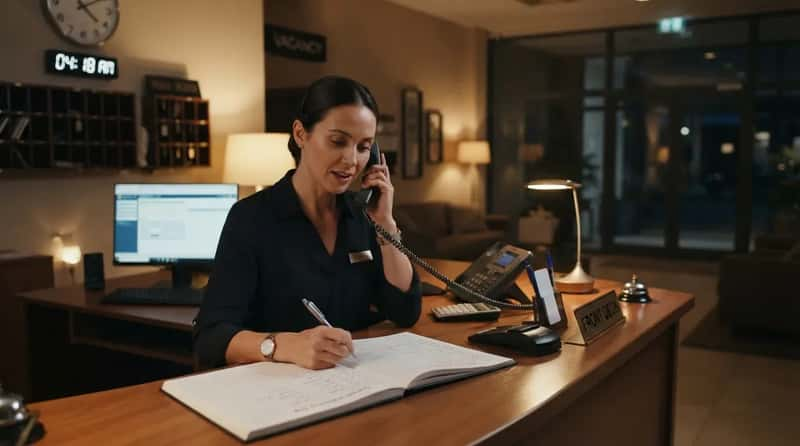
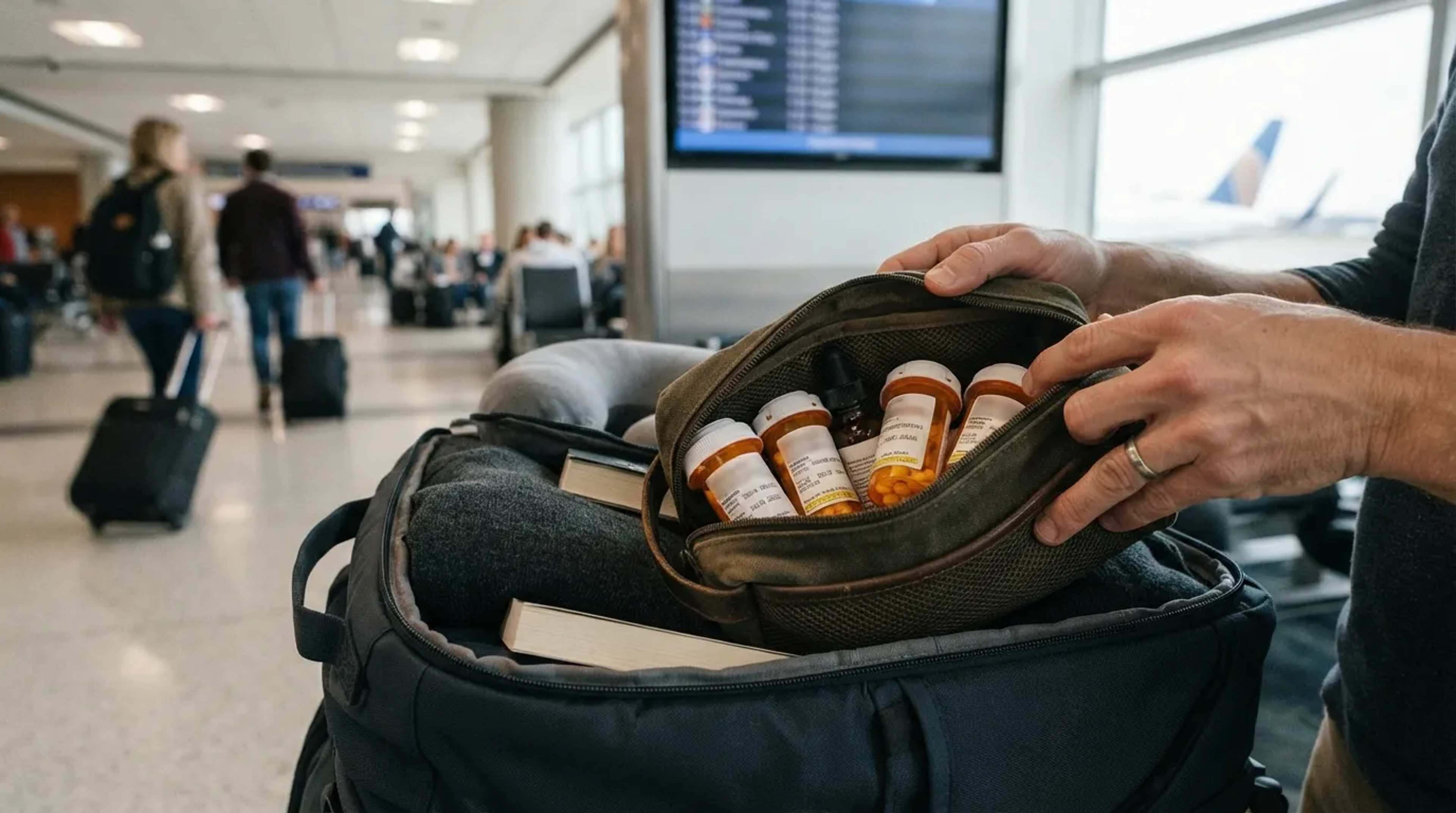
Guests often realize they forgot something once they’re already at the airport. They call the desk, sometimes frantic. A phone charger is the classic, but passports and medication cause real stress.
Staff check the lost-and-found log and ask housekeeping to look. Hotels typically track found items with a written record so they can be matched to a guest. Shipping policies and fees vary by property.
The next situation is far more serious, and it’s about privacy…
#3 – The “Do Not Disturb” Sign That Stayed Up Too Long
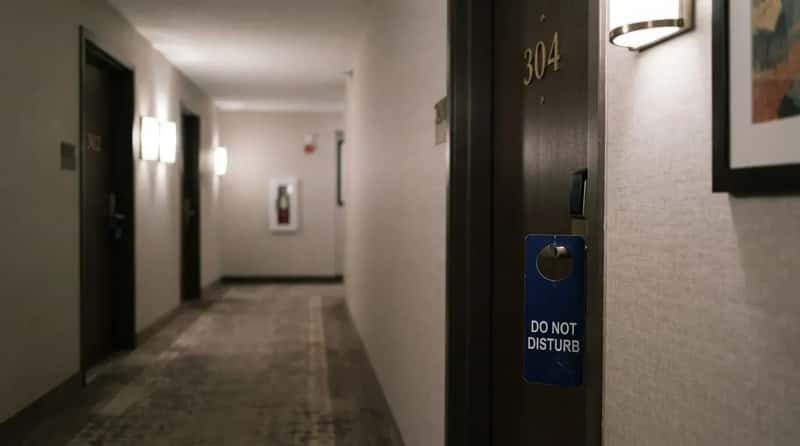
A sign on the door usually means a guest wants privacy. But when it stays up for a very long time, staff may start to worry. Hotels often have policies about checking on a room after a set period.
Some people see these checks as intrusive. Many hospitality workers see them as essential. A welfare check can be the difference between a quiet stay and a missed emergency.
And then there’s the moment every night team dreads…
#2 – The Medical Emergency Nobody Plans For
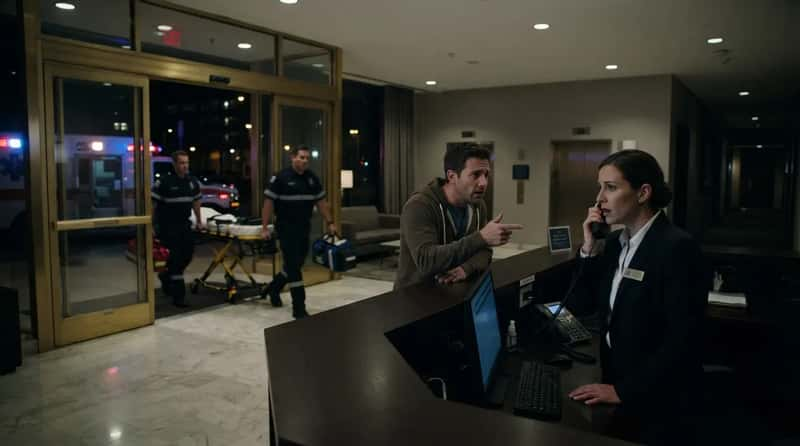
Guests get sick, fall, or panic in the middle of the night. A family member runs to the lobby for help. The overnight team may be the only people awake in the building.
The first step is calling 911. Staff aren’t medical professionals, so their job is to get trained responders there fast. They also meet the ambulance and guide paramedics straight to the room. That small, practical help can matter enormously.
At a Glance
- Under the federal Kari’s Law, which took effect in February 2020, newer hotel phone systems must let guests dial 911 directly, with no prefix.
- Those systems must also alert someone on-site, such as the front desk or security.
- Night staff often meet the ambulance at the door and hold an elevator ready.
- Giving the room number and a quick description of what happened helps responders move faster.
But the last situation is the one that stays with night staff the longest…
#1 – The Family Who Walked In at 3 A.M. After a Hospital Visit
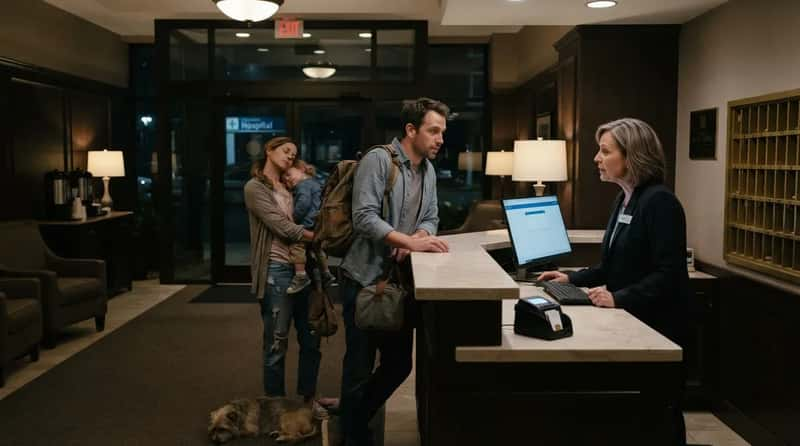
Hotels near hospitals often host families whose loved one is being treated nearby. They arrive in the dead of night, drained and silent. They don’t want small talk. They want a bed and a short walk to the elevator.
Night staff often read the weight of it in their faces. Sometimes the most valuable thing the desk can offer is a quiet check-in and a soft “we’re here if you need anything.” For a lot of people who work this shift, moments like that are what the job is really about.
Most guests sleep through all of it. They wake up to coffee, a working keycard, and a lobby that looks like nothing ever happened.
That’s the secret of the overnight shift. The quietest hours of the day are often the busiest ones, and someone is always awake to keep the lights on.