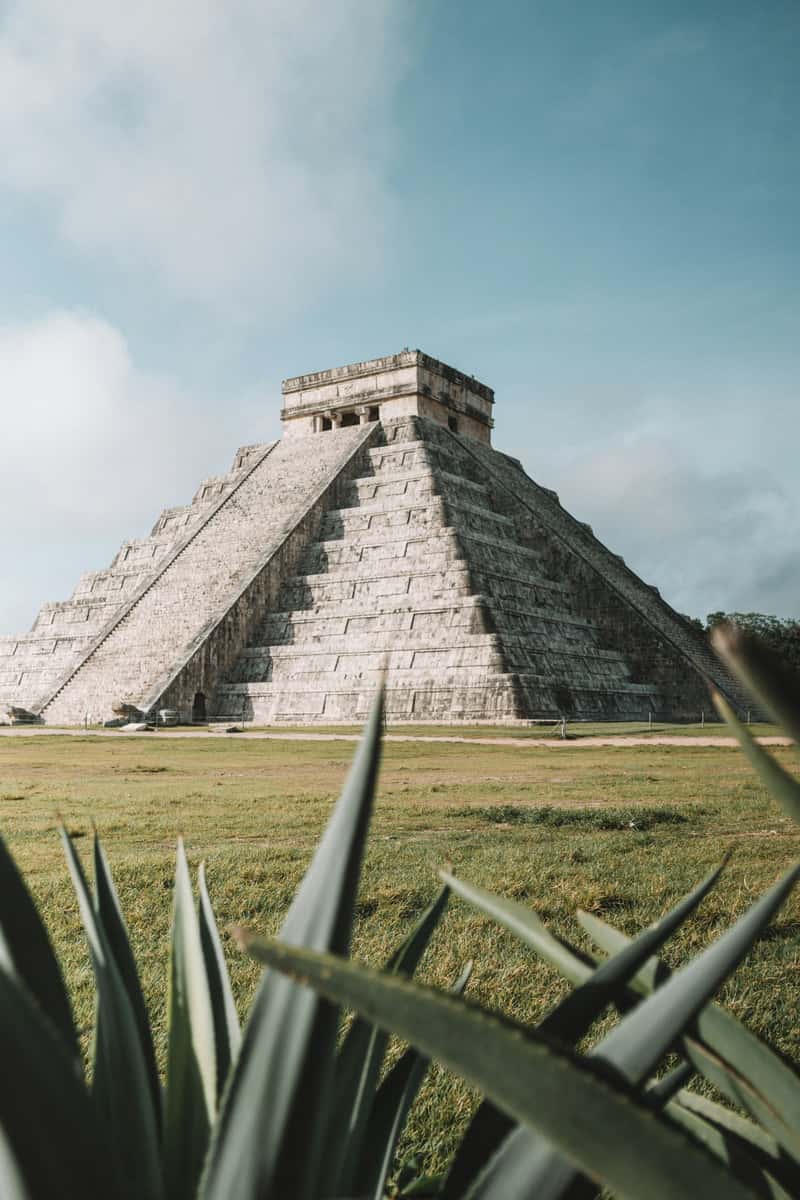
Mexico remains one of the most visited countries on the planet, and 2026 has turned into one of its busiest years yet. Between a packed World Cup summer, shifting entry procedures, and a patchwork of safety conditions that change from state to state, the country you’re picturing in your head might not match the one you land in. None of this means you should cancel your trip. It just means a little homework goes a long way before you pack your bags.
This guide pulls together the practical stuff that actually matters right now, from passport rules to tourist taxes to the safety picture in different regions. Think of it as the conversation a well-traveled friend would have with you over coffee, minus the guesswork.
Entry Requirements and the FMM Tourist Permit
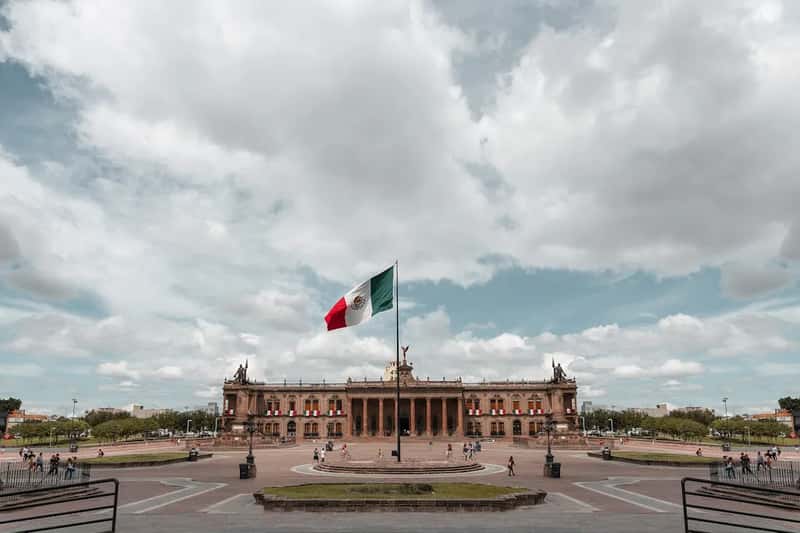
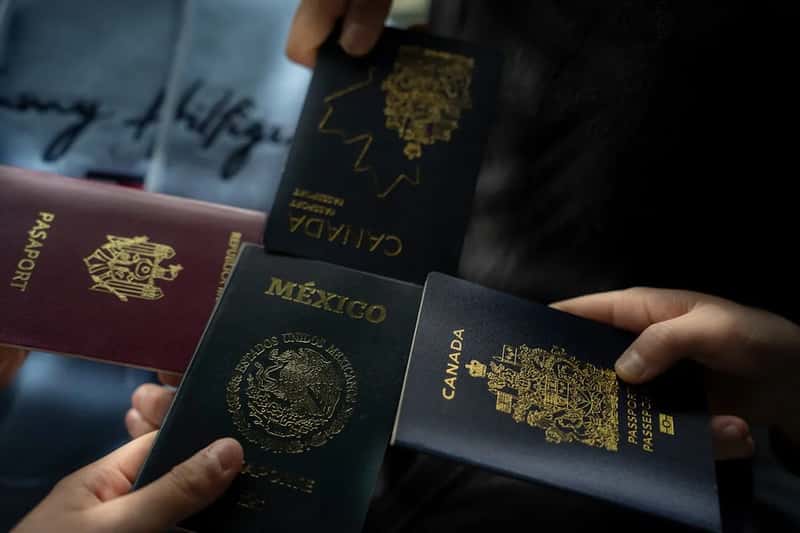
The good news first: most travelers from the United States, Canada, and the European Union still don’t need a traditional visa to visit Mexico for tourism. Most international visitors heading to Mexico, including citizens from the United States, Canada and countries in the European Union, do not need a traditional visa for tourist travel, and instead receive a Forma Migratoria Múltiple (FMM) tourist permit upon arrival that authorises them to stay in Mexico for tourism purposes. That permit, not a visa, is what actually governs how long you can legally stay.
Here’s the part that trips people up in 2026. Mexico modified how visitor permits are issued at ports of entry, and instead of automatically granting the maximum 180-day stay, immigration officials now generally determine the length of the permit based on each traveller’s stated plans and supporting documentation, meaning you may be granted fewer days than the traditional maximum. For a standard week or two at the beach, this shouldn’t cause any headaches. Overstaying, though, carries a real cost, since fines run approximately 44 USD per day of overstay, paid at the airport or border when you exit, and short overstays of one to three days are common for travelers who simply miscounted.
The Shift to Digital Entry at Major Airports
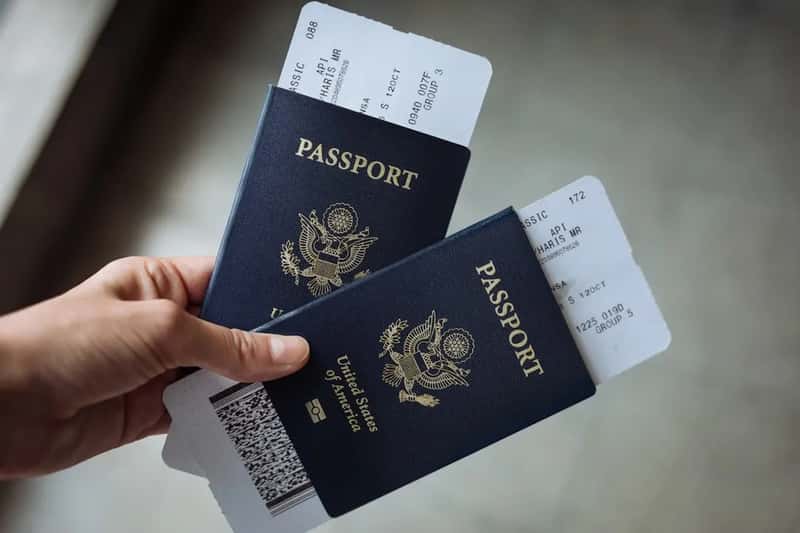
If your last trip to Mexico involved scribbling on a little paper tourist card handed out on the plane, don’t expect the same thing this time. In many airports, that ritual is fading away. In recent years, several major airports have moved to a digital system, meaning many travelers no longer receive or fill out the traditional paper tourist card when arriving by air, but the immigration permission itself still exists, it’s just handled digitally in many airports now.
What actually happens at the counter is quieter than it looks. When you arrive at a Mexican airport, airlines submit passenger manifest data electronically, and the immigration officer who stamps your passport is recording your entry in the digital FMM system. Land border crossings still work a bit differently, since travelers there may need to complete a physical form at an immigration office near the crossing. Either way, hold onto any stamp or digital confirmation you receive, because it’s your proof of legal entry if anything gets questioned later.
Understanding Mexico’s State-by-State Safety Advisories
Unlike most countries, Mexico doesn’t get a single, tidy safety rating from the U.S. State Department. The U.S. State Department uses a 1–4 scale for travel advisories, and Mexico is the only country in the world where every individual state is assigned its own level. That granularity matters enormously, because conditions genuinely swing from one side of a state line to the other. Yucatán and Campeche are the only states at Level 1, while their immediate neighbour Tabasco is Level 2, still safer than the national average, but a step up.
As of the most recent update, six states remain under a Level 4 “Do Not Travel” advisory: Colima, Guerrero, Michoacán, Sinaloa, Tamaulipas and Zacatecas. Several additional states, including Baja California, Chihuahua, Guanajuato and Jalisco, are classified as Level 3, meaning Americans should reconsider travel. Mexico City itself sits at Level 2, and the practical advice there is fairly simple. Locals and frequent visitors recommend sticking to well-known neighborhoods like Roma, Condesa, Polanco, Coyoacán, Centro Histórico, and San Ángel, relying on Uber or Didi instead of street taxis, and avoiding outlying areas after dark.
The World Cup’s Lasting Footprint on Travel This Year
Mexico spent much of early summer as one of three World Cup host nations, and that tournament shaped travel patterns well beyond the stadiums. Mexico hosted 13 matches across three cities between June 11 and July 5, with the Mexican capital hosting five matches while listed at Level 2, alongside the state of Nuevo Leon, where Monterrey hosted four matches. Jalisco told a slightly different story, since Jalisco received a Level 3 designation, with officials encouraging fans to reconsider summer travel to Guadalajara, which hosted four matches.
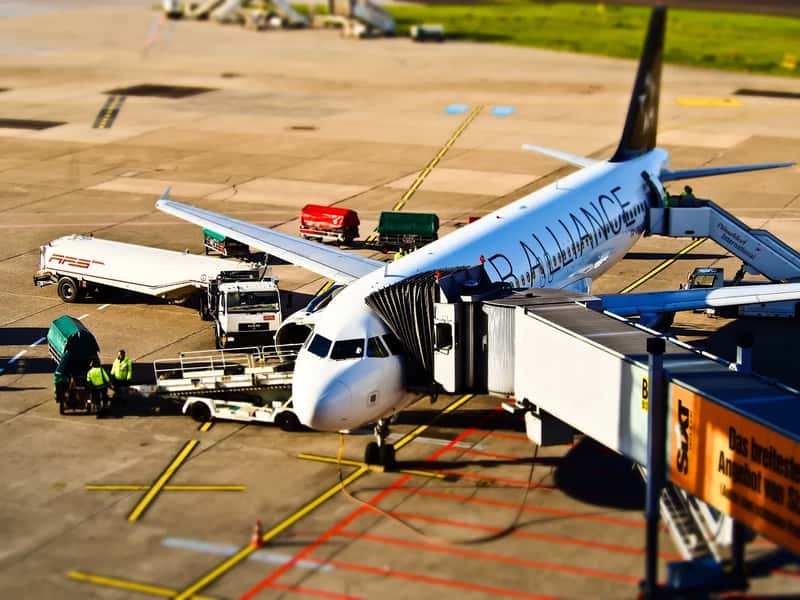
The tournament also accelerated infrastructure work that outlasts the final whistle. In Cancún, for instance, a major expansion at Cancún International Airport centered on Terminal 1 and Terminal 4 aimed at increasing capacity and smoothing passenger flow, with the Terminal 1 reconstruction estimated to be completed around mid-2026, timed to align with the FIFA World Cup. If you’re flying through Cancún or other major hubs later this year, expect ongoing construction, heavier crowds than usual, and a security posture that may stay elevated even now that the matches are over. It’s also worth remembering that reselling event tickets is illegal in Mexico, a rule that applied throughout the tournament and reflects broader enforcement attitudes travelers should keep in mind at other large events too.
Visitax and Other Tourist Fees You Need to Budget For
If your itinerary includes Cancún, Tulum, Playa del Carmen, or anywhere else along the Riviera Maya, there’s a mandatory fee waiting for you that catches a surprising number of visitors off guard. VISITAX is the visitor tax charged by the Mexican state of Quintana Roo to every international tourist, and it applies to Cancún, Tulum, Playa del Carmen, Riviera Maya, Cozumel, Isla Mujeres, Bacalar, and Chetumal. The price has held steady this year, since Quintana Roo’s Visitax remains unchanged for 2026, meaning visitors to popular destinations like Riviera Maya and Cancun continue paying the current rate of 285 pesos, roughly fifteen dollars. There’s no getting out of it based on age either, because there is no age exemption, so children and infants pay the same as adults, while Mexican nationals and residents are exempt.
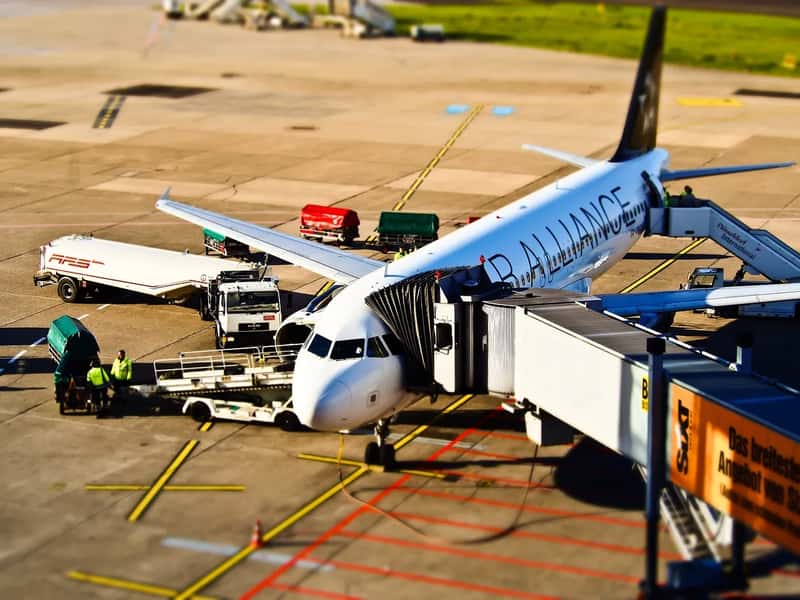
Enforcement has gotten noticeably more visible at the airport this year. Authorities have implemented a checkpoint strategy at Cancún International Airport, with inspectors now stationed at the bottlenecks before the security escalators in Terminals 3 and 4. Paying online before you even leave home takes just a few minutes and saves you from standing in a queue while your gate call plays overhead. On top of Visitax, some destinations tack on a nightly environmental fee collected directly by your hotel, and the amount varies depending on which city you’re staying in within Quintana Roo.
Money Matters: The Peso, Inflation, and Everyday Costs
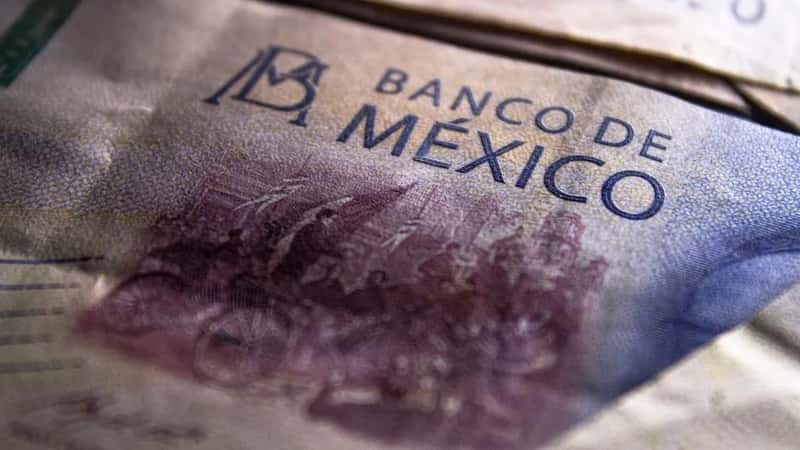
Currency-wise, 2026 has actually been a fairly stable year for the peso relative to recent history. Mexico’s annual inflation rate eased to 3.37 percent in June 2026 from 3.94 percent in May, the lowest reading since December 2020, coming in slightly below market expectations and remaining within the Bank of Mexico’s target tolerance range. That’s genuinely good news for travelers, since it suggests prices for food, transportation, and services haven’t been spiraling the way they did in the early part of the decade.
On the exchange rate side, the dollar has been trading in a fairly narrow band against the peso this year. The average exchange rate in 2026 has hovered around 17.49 pesos to the dollar. Forecasters expect that range to hold fairly steady through the rest of the year, with projections putting the rate around 17.527 by September 2026 and 17.550 by December 2026. Practically speaking, that means your dollars or euros should stretch about as far in December as they did back in the spring, barring any sudden shocks.
Health Precautions Worth Taking Seriously
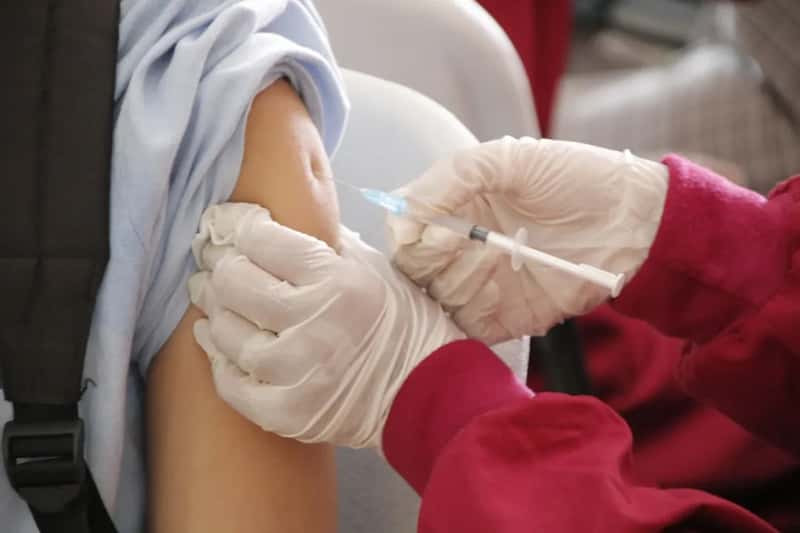
Health prep for Mexico is straightforward but shouldn’t be an afterthought. Official guidance is refreshingly specific on timing, since travelers should visit their doctor at least one month before traveling to Mexico to update their vaccinations. That window matters because some vaccines need time to become fully effective, and a rushed appointment the week before departure doesn’t give your body the chance to build protection.
Beyond vaccines, the usual travel-health basics still apply and are worth repeating because they get ignored so often. Stick to bottled or purified water, be cautious with street food if your stomach isn’t used to it, and pack any prescription medications in their original containers with documentation. If your trip includes higher-altitude cities like Mexico City, give yourself a day or two to adjust before packing your schedule with strenuous activity, since altitude sickness can catch visitors by surprise even in a relatively developed urban setting.
Local Laws That Can Turn a Vacation Into a Legal Nightmare
Some rules that seem minor back home carry serious consequences in Mexico, and ignorance won’t help you at the border. Drug laws top that list, since drug possession or importation of drugs, including medical marijuana, is illegal, and travelers should not bring e-cigarettes, vaping devices, or illegal drugs into the country. That last point surprises a lot of people, since vapes are legal and common in many home countries but treated very differently at Mexican customs.
Firearms are an even harder line. The Department of State warns all U.S. citizens against bringing firearms into Mexico, and bringing firearms or ammunition into the country without proper Mexican government permits and permission is a serious crime. This applies even to travelers who hold valid concealed carry permits at home, since those permits simply don’t transfer. On the financial side, keep in mind that amounts of 10,000 USD or more must be declared both entering and exiting the country. None of these rules are new exactly, but enforcement attention around large events and busy travel seasons tends to sharpen, so it pays to double check your bags before you fly.
Choosing the Right Season for Your Trip
Timing your visit well can make an enormous difference in comfort, cost, and crowd size. Mexico’s dry season, roughly from November through April, tends to bring the most reliable weather across both coasts and is when most international visitors show up, which means higher prices and busier beaches in places like Cancún and Los Cabos. If you’re chasing lower rates and don’t mind the occasional afternoon shower, the shoulder months just before and after the dry season often strike a nice balance.
Hurricane season is the other major factor to plan around, particularly if your trip centers on the Caribbean coast in Quintana Roo. The Atlantic hurricane season officially runs from June through November, with the peak threat typically landing in late summer and early fall. Pacific coast destinations like Puerto Vallarta and Los Cabos face their own storm season on a similar timeline, so travel insurance with hurricane coverage is worth considering no matter which coast you’re headed to during those months.
Final Thoughts Before You Book That Flight
Mexico in 2026 isn’t a harder place to visit than it was a few years ago, but it is a place where the details have shifted in ways that reward a bit of preparation. Entry rules are stricter about documentation, tourist taxes are being enforced more visibly at the airport, and the safety picture genuinely depends on which specific state you’re headed to rather than the country as a whole. None of that should scare you off a destination that still offers some of the best food, history, and coastline anywhere in the world.
The travelers who have the smoothest trips this year are the ones who treat planning as part of the experience rather than an afterthought. Check the current advisory for your specific destination, pay your Visitax before you’re standing at a checkpoint, and keep your passport and documentation in order. Do that, and Mexico will give you exactly what it’s always given curious travelers: an unforgettable trip worth every bit of the effort.