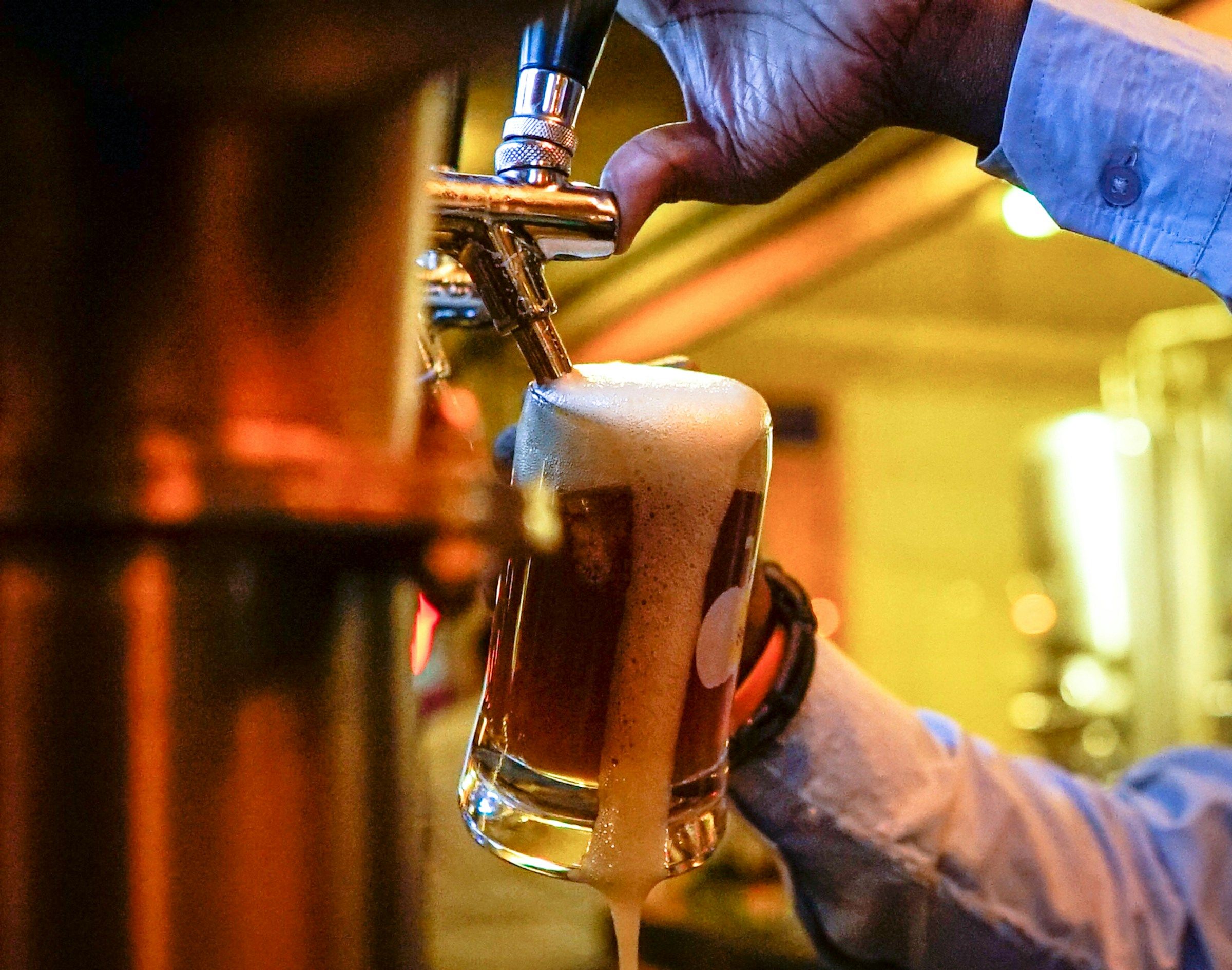
Ordering a drink feels like the most ordinary thing in the world until you land somewhere that treats it very differently. In one country a pint is part of an ordinary Tuesday. In another, carrying a bottle through customs could end a trip badly.
The world’s relationship with alcohol runs from complete prohibition to something close to a national pastime. Below are twelve places where the rules are tight, followed by eight where drinking is woven into daily life. Rules in this area shift, so it’s worth checking official travel guidance before you go.
Saudi Arabia
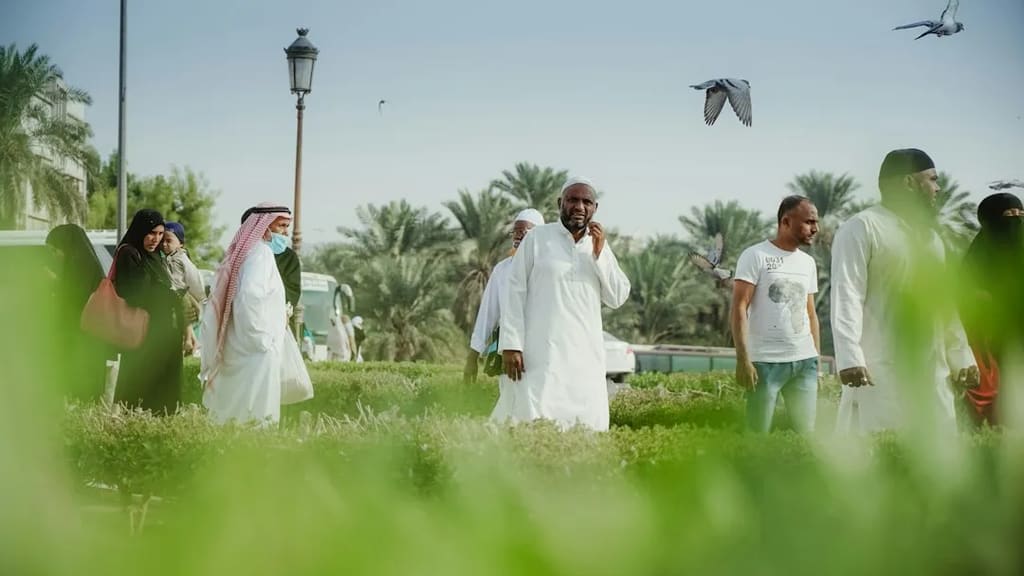
Saudi Arabia, home to the holiest sites in Islam, has banned alcohol since the early 1950s.[1] Penalties have included fines, imprisonment, public flogging, or deportation for expatriates.[2] For decades, that made it one of the most closed markets on the planet.
Things have started to move, though carefully. A store opened in January 2024 for non-Muslim diplomats[1], and the new rules allow non-Muslim foreigners who hold Premium Residency to buy.[1] There has been no official announcement of the decision.[1] Meanwhile, a Saudi official dismissed claims that the kingdom was preparing to lift the 73 year old prohibition.[3]
Kuwait
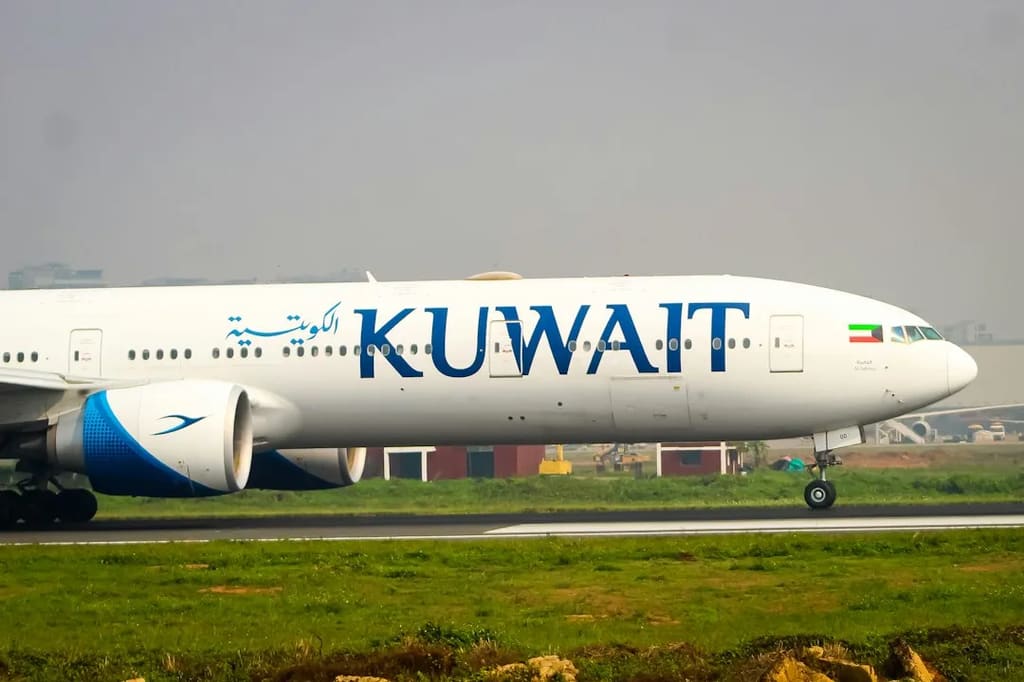
Kuwait sits firmly on the dry side of the Gulf. The sale, consumption and possession of alcohol is banned by law.[4] There’s no loophole for visitors either, since even hotels and restaurants do not serve alcohol.[2]
The country’s population is mostly made up of expatriates, with about 1.53 million citizens and 3.29 million foreign nationals.[2] The rules still apply to all of them. Travelers should also know that even carrying alcohol in transit through Kuwait can pose legal risks.[5]
Iran
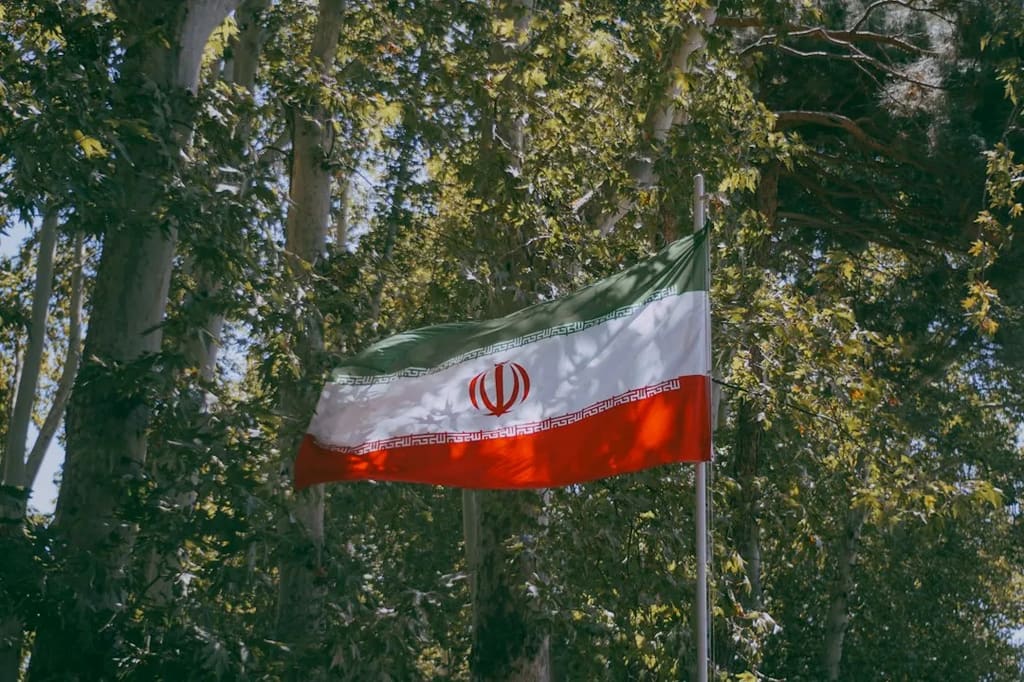
Iran has a long history of winemaking, which makes its present rules feel like a sharp turn. Modern Iran prohibits alcohol for all citizens and visitors[6], according to one overview of dry countries. Another source says the ban covers its Muslim citizens[4], so reports differ on how it applies to religious minorities.
For a traveler, the safe assumption is that alcohol is off the table. Penalties include imprisonment.[6] Importing alcohol can lead to severe legal consequences.[6]
Afghanistan
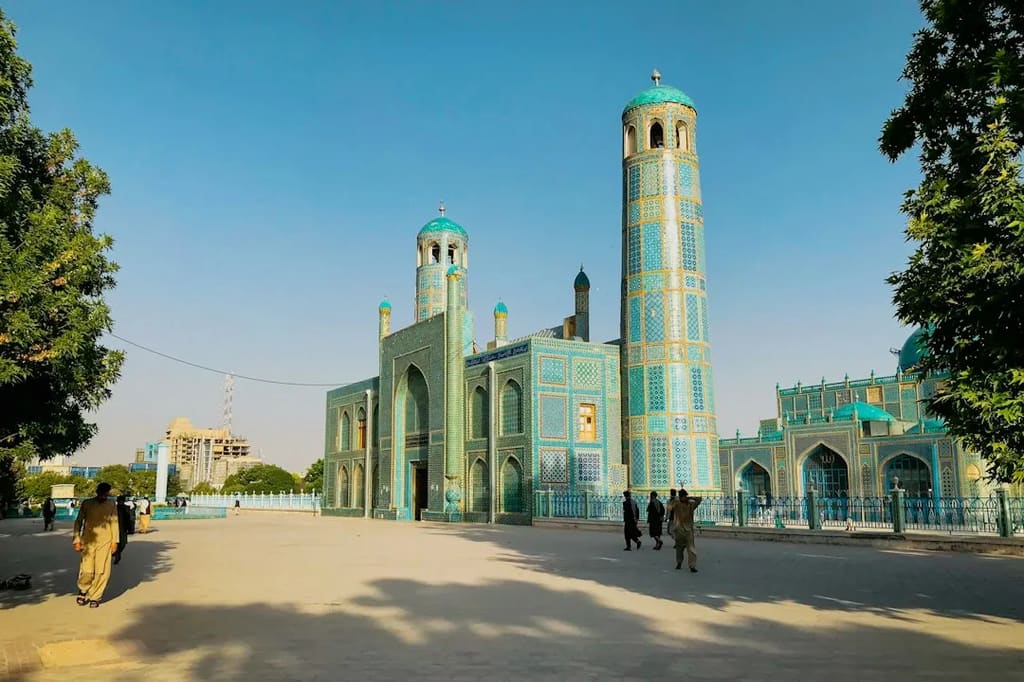
Afghanistan appears on nearly every list of places where alcohol is illegal. It is among the countries where alcohol consumption is illegal for the majority of its citizens due to Islamic law.[2] That puts it alongside several other nations on this list that root their rules in religious law.
Visitors shouldn’t expect bars, licensed shops or hotel minibars stocked with beer. Anyone with plans to travel there should read current government travel advice well ahead of time. Conditions on the ground can change quickly.
Libya
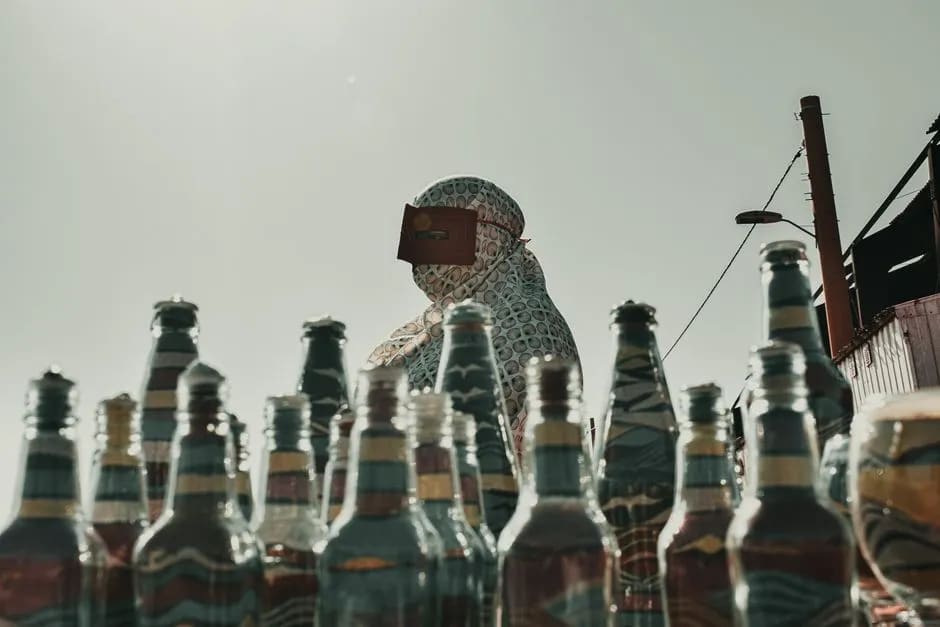
Libya is an oil dependent economy, yet that wealth hasn’t loosened its stance on drinking. Reports note that the country has maintained the status of illegality to produce, sell, or consume alcohol.[5] It’s one of the African countries most often named on dry lists.
Enforcement isn’t just on paper. Libya reinforces its alcohol ban through border controls and raids on unlicensed premises.[6] Anyone thinking of slipping a bottle into their luggage should think again.
Yemen
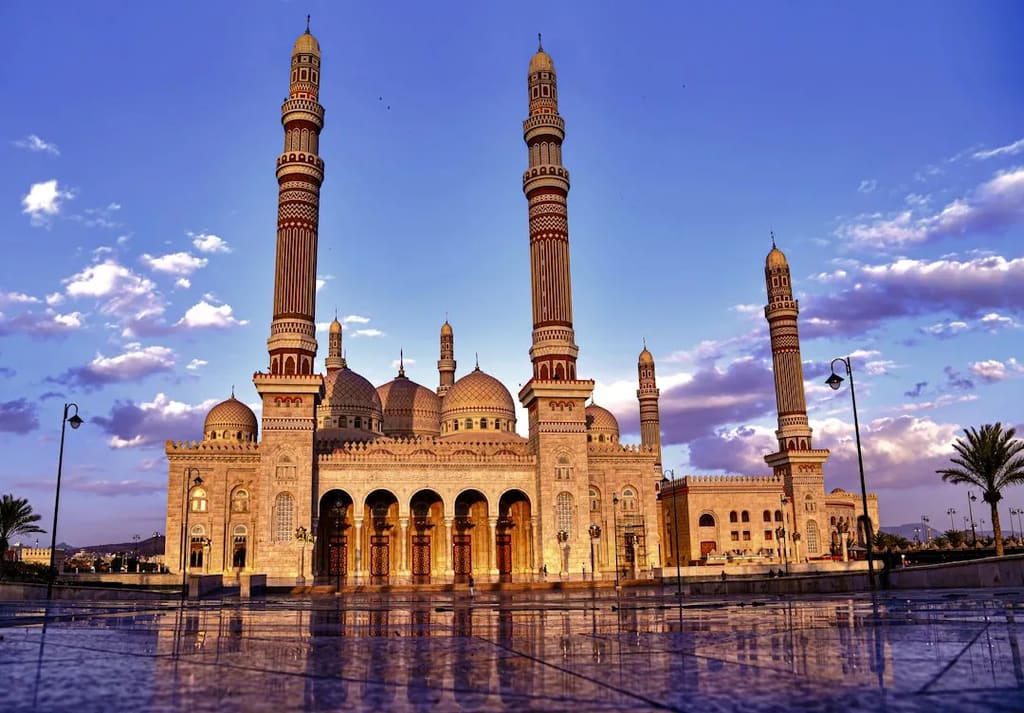
Yemen’s prohibition is described as total. Alcohol is completely banned in Yemen, as it is considered contrary to Islamic teachings.[2] The law is only part of the picture, though.
One overview notes that enforcement is uneven due to ongoing conflict and weak central governance.[6] The official numbers reflect the ban as well. One dataset lists Yemen as having the lowest alcohol consumption at zero.[7]
Somalia
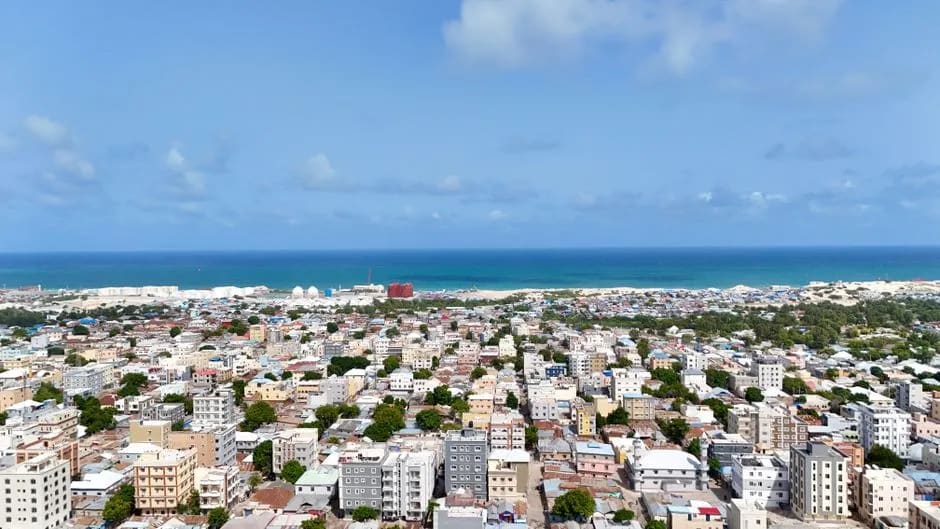
Somalia’s story is a little different from some of its neighbors. Alcohol is prohibited by the country’s Muslim culture, but historically it was allowed and continues to exist illicitly.[2] That gap between law and reality shows up in a few places on this list.
Somalia is regularly included among countries where alcohol is illegal. For travelers, the practical point is simple. There is no legal drinking scene to find, and breaking the rules isn’t worth the risk.
Mauritania
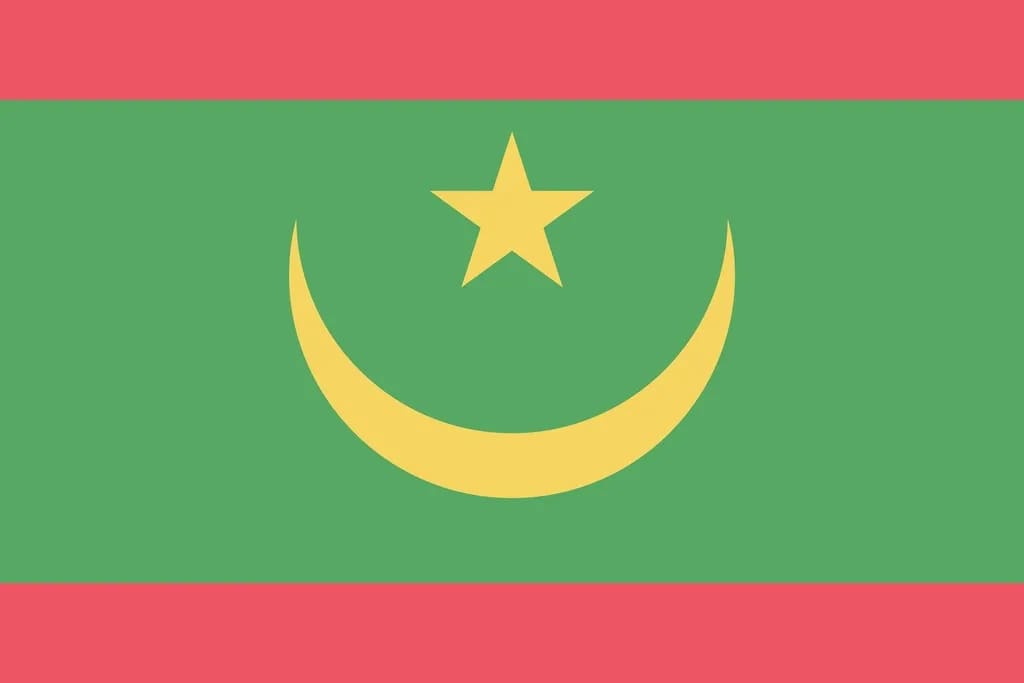
Mauritania takes a plain approach. The country bans alcohol entirely, aligning its laws with Islamic principles.[5] It shows up consistently in 2025 lists of places with the strictest rules.
Detailed public reporting on day to day enforcement is limited, so it’s hard to say much beyond the legal framework. The safest reading for any visitor is that alcohol is not available and not welcome. It’s a quiet entry on the list, but a firm one.
Brunei
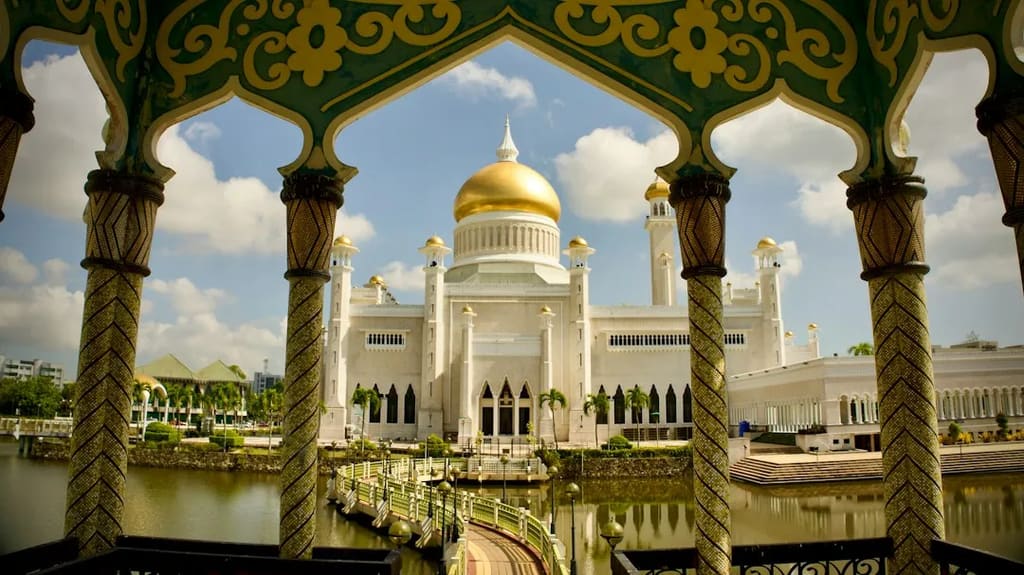
Brunei is a small Southeast Asian state with a big rulebook. Alcohol consumption in public places and the sale of the same is banned.[4] Visitors expecting a beach bar will be disappointed.
There is a narrow allowance for some travelers. Non-Muslims are allowed to bring limited amounts into the country for private consumption, with strict regulations and consequences for violations.[8] Read the current limits closely before packing anything.
Maldives
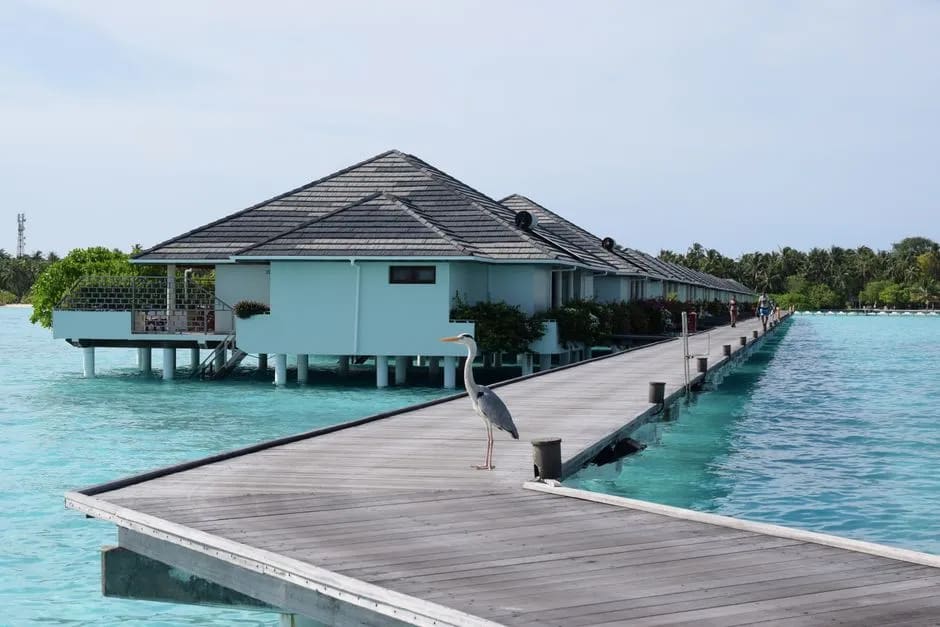
The Maldives sells itself on sunsets, coconut palms and luxury resorts. Yet it has a strict alcohol law that all tourists need to know and abide by.[8] It’s a surprise for first time visitors who assume a tropical holiday comes with a cocktail menu.
Some holiday destinations with bans make exceptions, with consumption allowed only in specific hospitality establishments like resorts, hotels, and restaurants.[8] Rules for local islands differ from resort rules, so check before you book. Don’t assume the same freedoms apply everywhere in the country.
Bangladesh
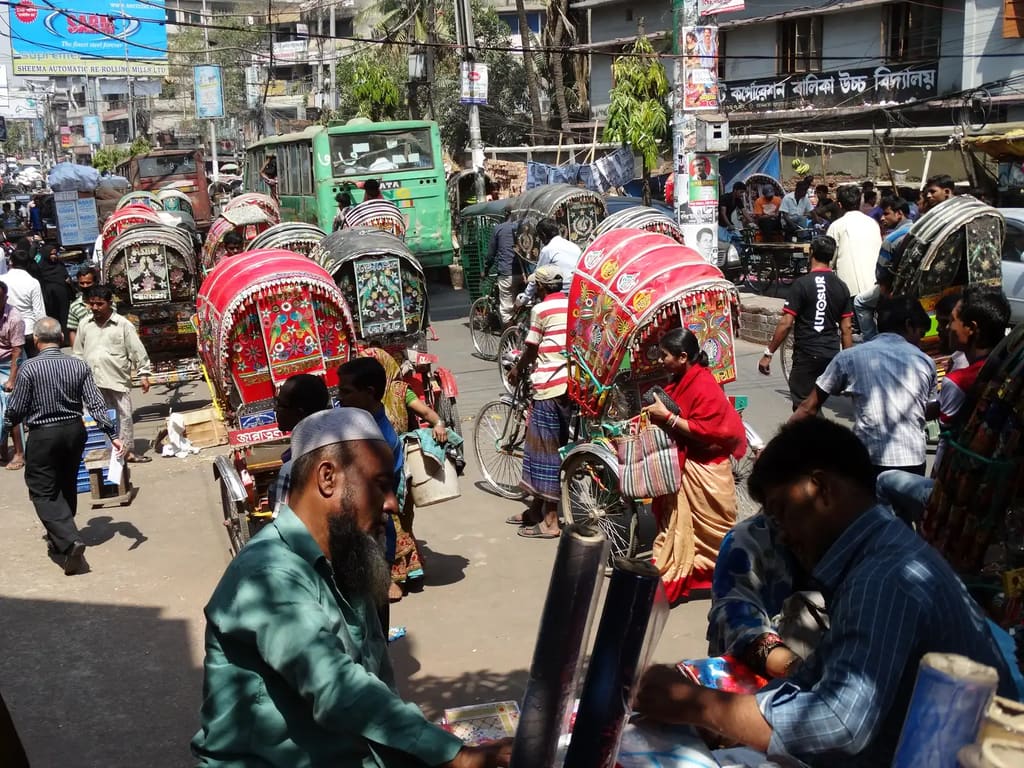
Bangladesh doesn’t ban alcohol outright, but it keeps a tight leash on it. Alcohol in Bangladesh is regulated and restricted[9], and to drink, one must have a legal permit, almost always given to non-Muslims.[9] Muslims will need a medical prescription to obtain an alcohol permit.[9]
The law also defines what counts. Any beverage containing more than half a percent alcohol is considered an alcoholic beverage.[9] In 2022, the Ministry of Home Affairs introduced Alcohol Control Rules for regulating sales, storage, production, processing, and consumption.[9]
Qatar
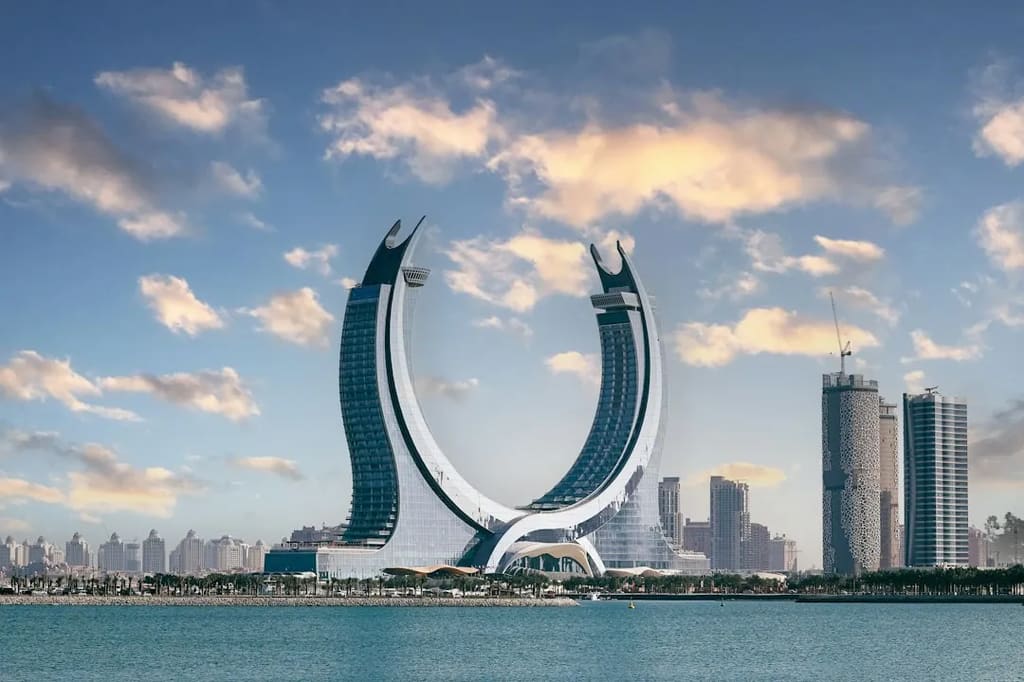
Qatar sits in a middle ground that confuses many travelers. Alcohol is strictly prohibited in public areas, but foreign nationals can legally access it in hotels, bars, and clubs, with stricter rules during Ramadan.[8] So a drink is possible, but only in the right setting.
That means no wandering the street with a beer and no drinking on a public beach. Context matters as much as the law itself. When in doubt, stick to licensed venues and follow local etiquette.
Romania
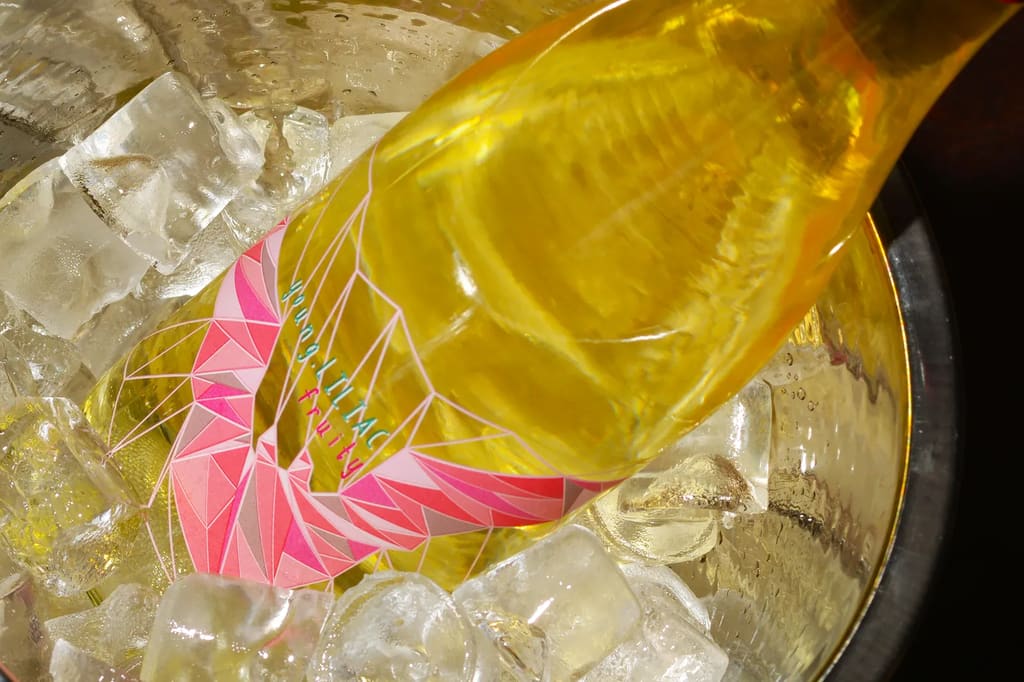
Romania sits at the very top of heavy drinking tables. It ranks first at 17.07 litres of pure alcohol per person aged 15 or older[10] in a ranking based on WHO estimates. That is more than three times the global average of 5.5 litres.[11]
Home production helps explain some of it. One analysis says about a third of the total is homemade.[11] Estimates vary by year and method, but Romania leads other datasets too, at 16.80 litres.[12]
Georgia
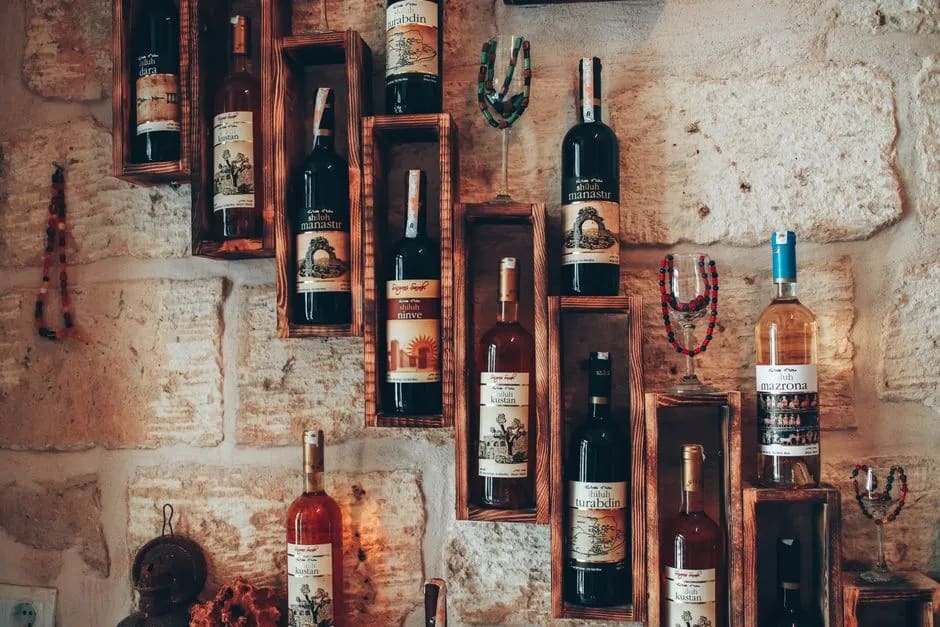
Georgia is second in the same ranking, with 14.40 litres of pure alcohol per person.[10] It is also one of the oldest wine cultures anywhere. UNESCO recognized Georgia’s traditional qvevri winemaking method, which uses buried clay vessels, back in 2013.
A lot of the drinking happens at home. One ranking describes Georgians as lovers of homemade wines.[13] Wine here is as much about hospitality and the table as it is about the glass.
Latvia
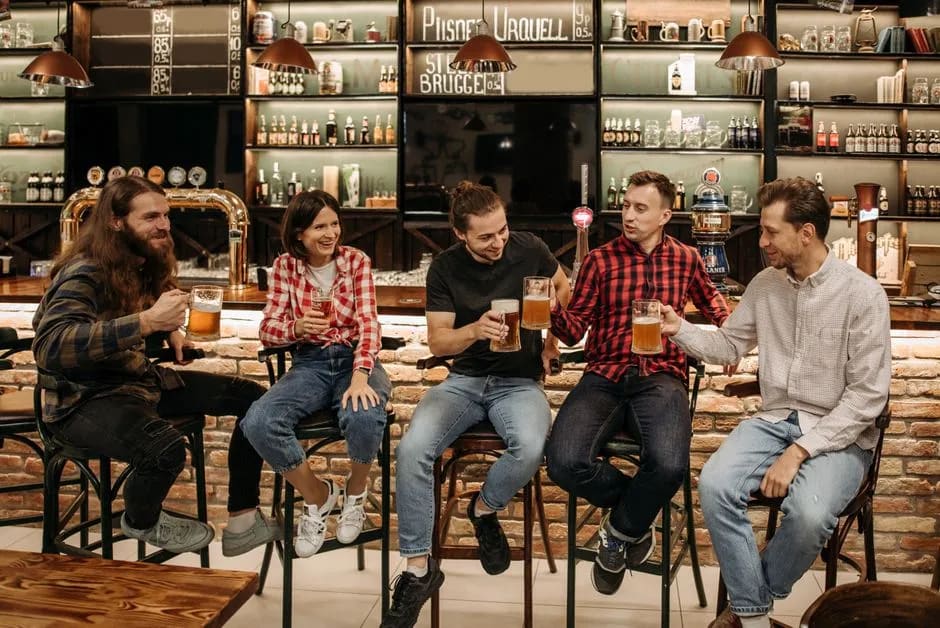
Latvia has been near the top of European tables for years. It lands third at 14.18 litres per person aged 15 or older[10] in the 2024 WHO based ranking. Older figures put it just behind the leaders as well.
The OECD points the same way. Its 2025 report says those with the highest consumption, including Latvia and Portugal, reached over 11.5 litres annually.[14] Different agencies use different age groups and methods, so the exact numbers move around.
Portugal
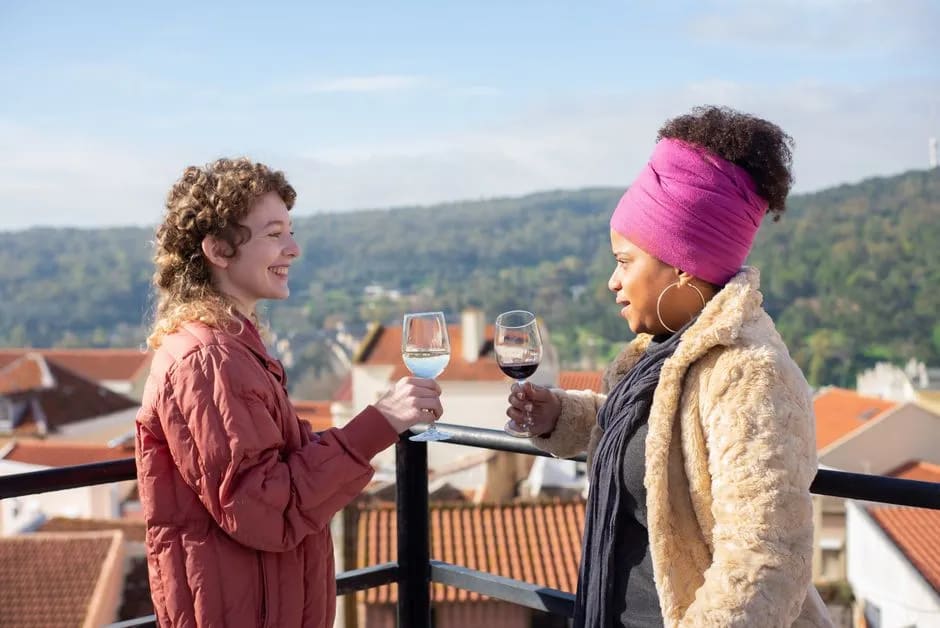
Portugal might not be the first place you’d name, but the data keeps putting it near the top. In the 2024 ranking it comes in fourth, with 13.75 litres of pure alcohol per person.[10] The OECD also groups it with the highest consuming countries.
Related Stories From Travelbinger



Wine is the obvious cultural thread, from everyday table wine to the fortified bottles the country is famous for. Even so, the figures cover all alcohol, not just wine. As with every country here, the totals include drinking by tourists and unrecorded alcohol only in part.
Czechia
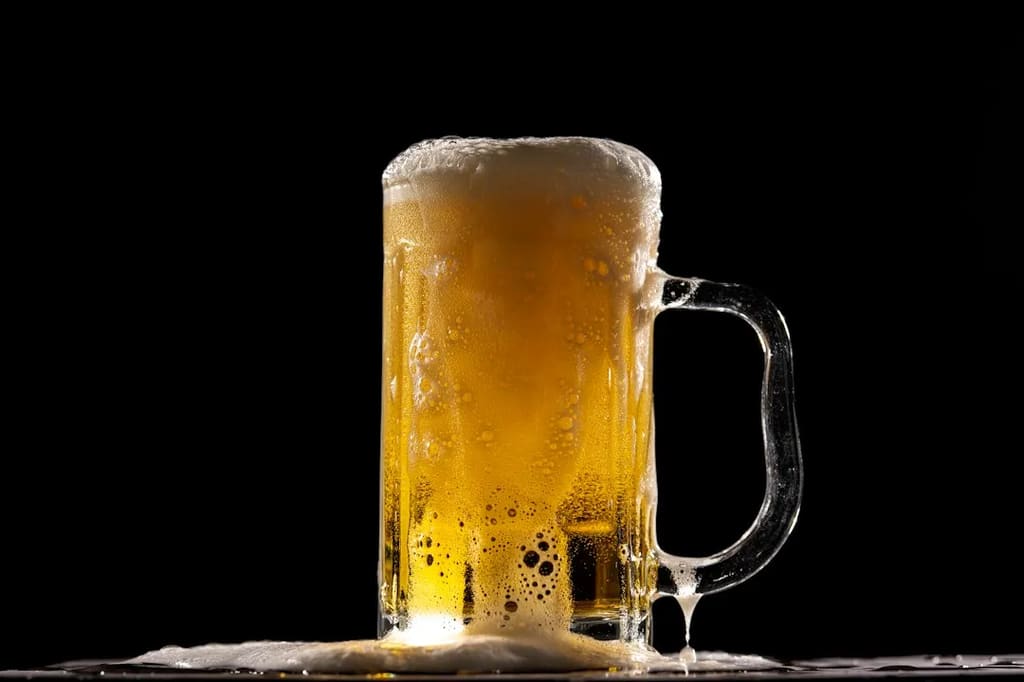
Czechia is the world’s beer capital by the numbers. The average Czech drinks 148.8 litres of beer annually[15], and it tops the ranking for the 32nd year in a row.[15] Consumption has slipped lately, declining for the last two years.[15]
The history runs deep. Brewing began in the 10th century at the Břevnov Monastery[15], and pilsner was invented in Plzen in 1842.[11] On overall alcohol, the 2024 WHO based ranking puts the country at 13.52 litres per person.[10]
Moldova
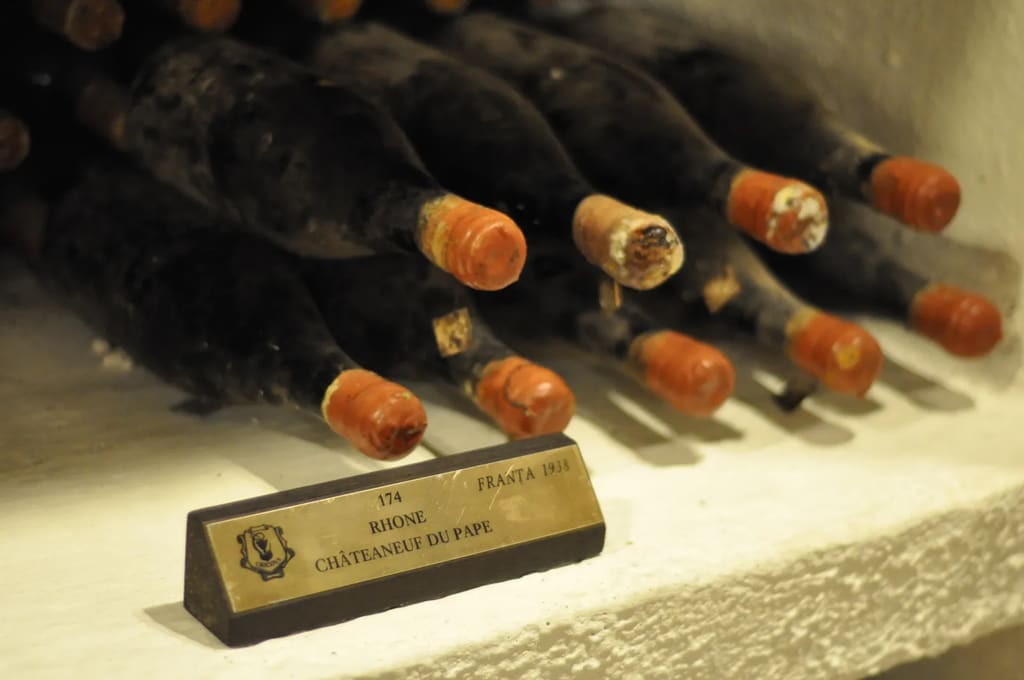
Uploaded by Gikü, CC BY 2.0)
Moldova is a smaller name on this list but a heavy one. It reaches 12.99 litres of pure alcohol per person[10] in the 2024 WHO based ranking. Another dataset covering 2022 puts it higher, at 14.1 liters.[16]
Estimates differ because sources measure different years and handle unrecorded alcohol differently. Still, every version places Moldova among the heaviest drinkers in Europe. The pattern fits the wider region, where Eastern European countries dominate the highest alcohol consumption rankings.[16]
Lithuania
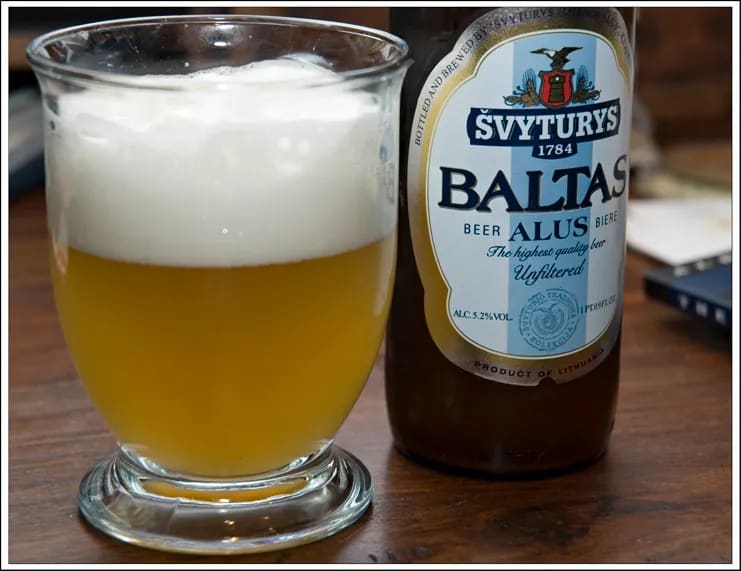
Lithuania appears in both the overall and beer tables. One dataset puts it at 12.10 litres of pure alcohol per person.[17] The 2024 WHO based ranking has it lower, at 11.23 litres[10], which is still among the highest in Europe.
For beer specifically, Lithuania ranks second in the world. Lithuania and Austria follow Czechia, each exceeding 100 liters per capita.[15] That is well ahead of most countries, even if it trails Czechia by a wide margin.
Germany
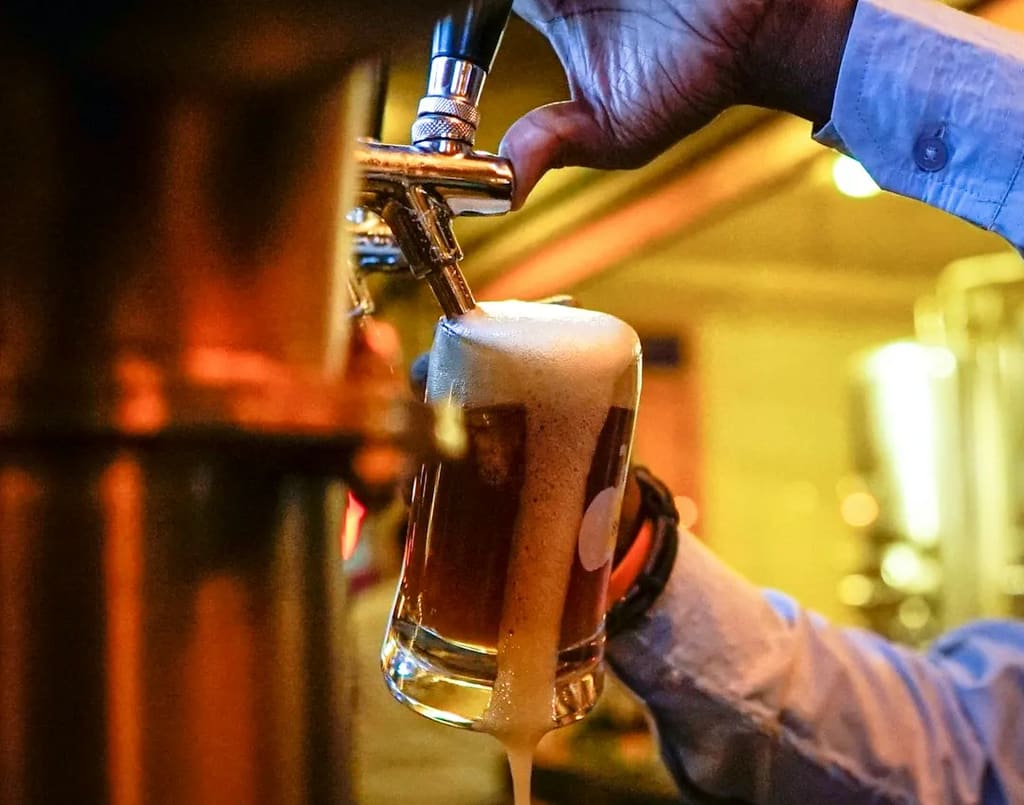
Germany’s drinking reputation is bigger than its beer numbers, though it still drinks a lot. One dataset places its overall consumption at 11.84 litres of pure alcohol per person.[17] Germany and Belgium also recognize beer culture as official heritage.[18]
On beer alone, the country is not number one. One ranking says Germany drinks about 99 litres per person a year, behind Czechia, Austria, and Romania.[19] Another puts the figure closer to 87 litres, so the exact number depends on the source. Either way, from Munich’s Oktoberfest to the corner pub, beer is a normal part of life.