This week, Tokyo Disneyland began its Christmas fireworks run, and on the other side of the world a Dutch New Year’s Eve is about to look very different. Fireworks are a shared language, but the rules around them change a lot once you cross a border. Some places schedule them almost every month, and others hand out permission in tiny windows.
The first ten entries below are countries where you can find fireworks on the calendar for most of the year, in theme parks, village feasts or festival seasons. The last nine are places that limit who can buy them and when. None of this is a promise of a show on any given night, since weather, local rules and event schedules shift.
1. United States: Theme Park Skies Every Evening
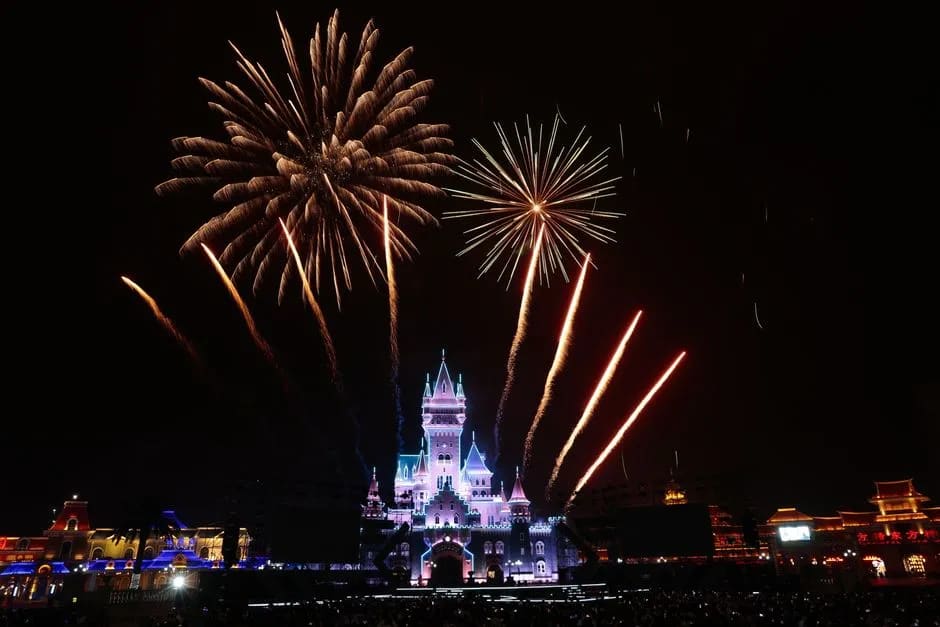
Magic Kingdom in Florida and Disneyland Park in California are the easiest places in the country to see fireworks on an ordinary night. Both usually close the evening with a castle show, though cancellations for wind or storms do happen.
Beyond the parks, the Fourth of July is the national peak, with displays in towns of every size. Consumer fireworks rules differ by state and even by county, so what’s legal in your backyard depends heavily on where you live.
2. Japan: Hanabi Beyond the Summer Festivals
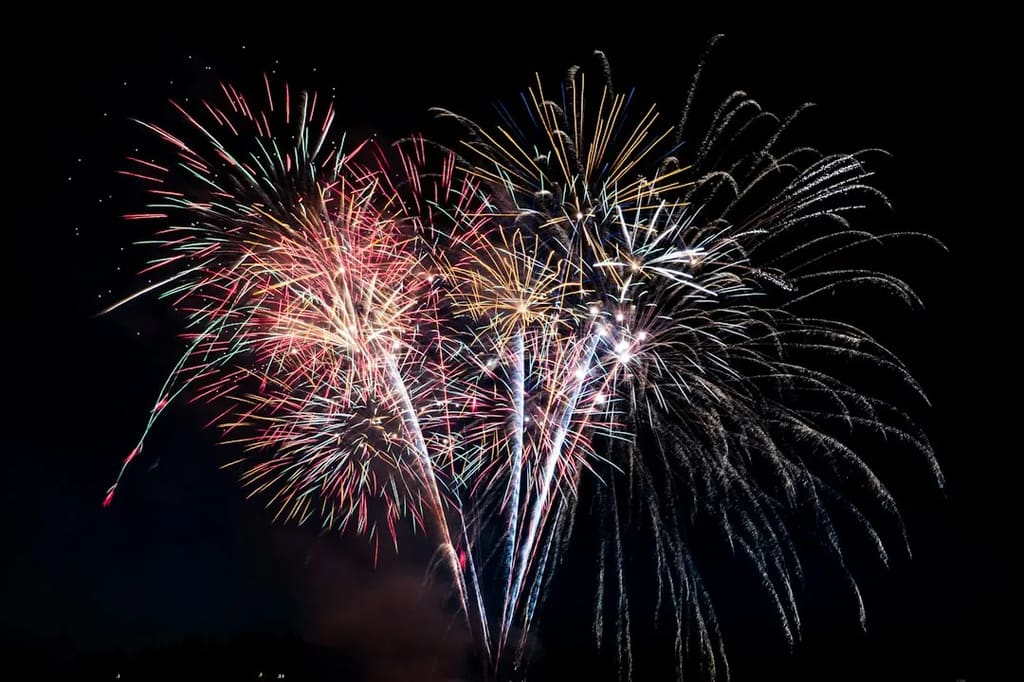
Japan’s traditional hanabi festivals cluster in summer, but the calendar doesn’t stop there. Tokyo Disneyland’s Starbright Christmas fireworks run from November 11 through December 25, 2026[1], and a New Year show follows from December 26 through January 11, 2027.[1]
There’s a catch worth knowing. Tokyo Disney Resort suspended its Sky Full of Colors show from June 15 through September 14, 2026[2], so the parks aren’t a guaranteed nightly option. Japan earns its place here for the sheer number of events spread across the year, not for an unbroken run.
3. Hong Kong: Harbour Nights and Castle Shows
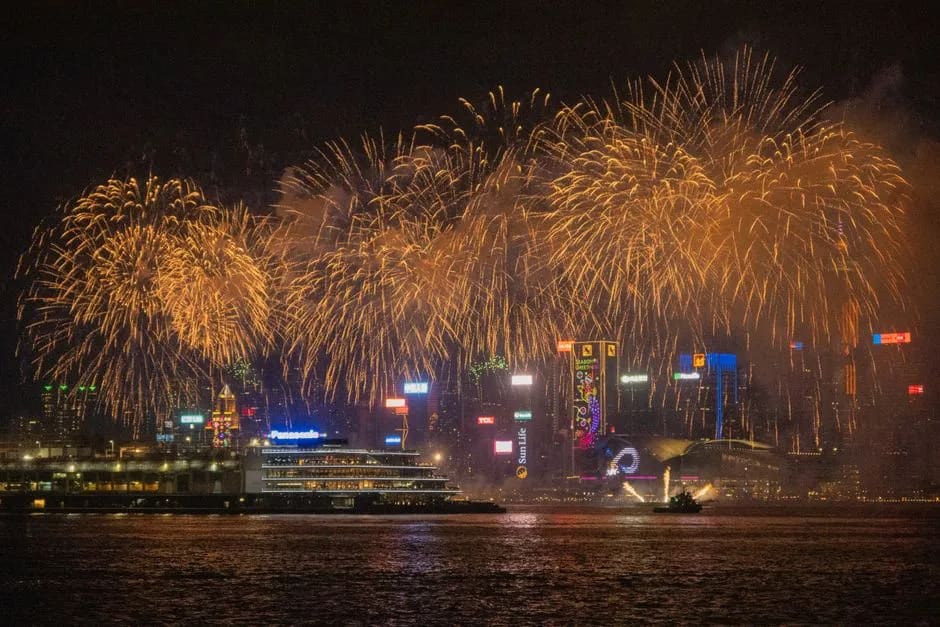
Hong Kong Disneyland has made fireworks part of its identity, and its Momentous show marked the park’s 20th anniversary with a mix of light, sound and pyrotechnics at the castle.[3] A visitor post describes the show starting at 20:30 after a return to the schedule[3], though timings can change by season.
The city also stages large displays over Victoria Harbour on major occasions such as Lunar New Year. For visitors, that means a reliable theme park option and a handful of big public nights.
4. Malta: A Festa Season That Fills the Calendar
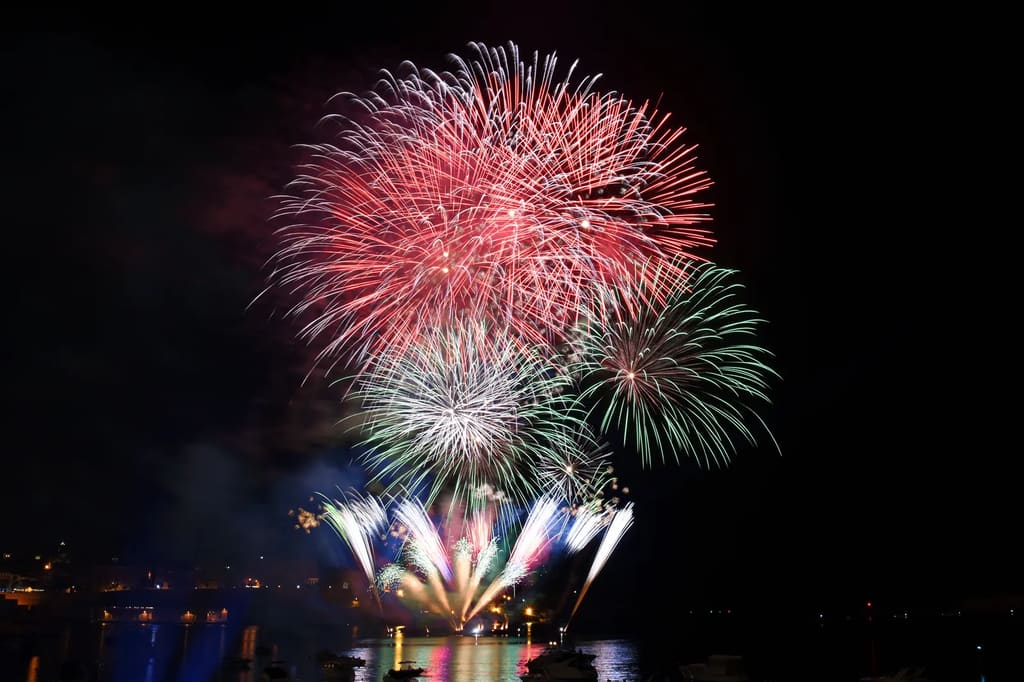
Malta treats fireworks as a craft. Village festa fireworks run from late April to early October, with over 60 festas in Malta and around 20 in Gozo.[4] From June onward, there is a festa display somewhere on Malta or Gozo almost every weekend.[4]
Behind the shows are village factories, and dedicated men and women spend the entire year preparing for a single weekend of celebration.[5] The village festa was inscribed by UNESCO as intangible cultural heritage in 2023[6], which gives some weight to the tradition beyond the noise.
5. Spain: Fallas, Bonfires and Patron Saints
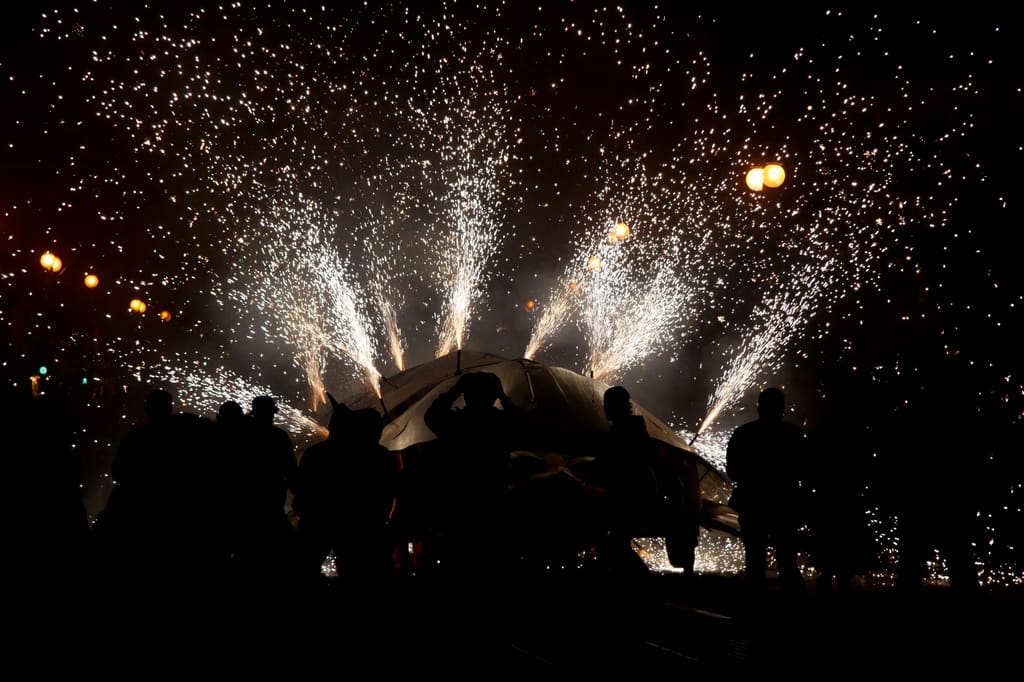
Valencia’s Fallas in March is the best known fireworks event in Spain, with daily daytime mascletà blasts building toward the festival’s final nights. UNESCO recognised the festival as intangible cultural heritage in 2016.
Elsewhere, Alicante’s Hogueras de San Juan in June and countless patron saint fiestas keep pyrotechnics on the calendar through much of the year. Spain doesn’t do nightly shows, but it’s hard to travel across several months without running into one.
6. Mexico: The Pyrotechnic Heartland of Tultepec
Tultepec, in the State of Mexico, is widely regarded as the country’s fireworks capital, and its workshops supply towns across Mexico. Patron saint celebrations often feature castillos, tall frames of spinning fireworks that are lit from the bottom up.
Because saint days are spread through the calendar, there’s usually a celebration with cohetes and fireworks happening somewhere in the country. The industry has also seen serious accidents over the years, which is why safety rules for workshops and markets draw so much attention.
7. Italy: Saint Days From Catania to Palermo
Italian fireworks tend to be tied to religious feasts. Catania’s Feast of Saint Agatha in early February and Palermo’s Festino of Santa Rosalia in mid July both include large evening displays.
Smaller towns across the peninsula hold their own patron saint nights, often with a fireworks finale over the piazza. Add New Year’s Eve and summer festivals, and the calendar is rarely empty for long.
8. France: Cannes, Bastille Day and Disneyland Paris
France’s most famous fireworks stretch is summer, when Bastille Day on July 14 brings displays to cities and villages nationwide. The Cannes pyrotechnic festival also lights up the bay on several evenings in July and August, with national teams competing.
Off season, Disneyland Paris continues to close many evenings with a castle show that uses pyrotechnics. Show names and schedules change, so it’s worth checking the park’s current calendar before building a trip around it.
9. Brazil: Rojões for Goals, Saints and New Year
Brazilian fireworks, known as rojões, are part of everyday celebration. Fans commonly set them off after football goals, and religious festivals and weddings often include them too.
The big set piece is New Year’s Eve on Copacabana beach in Rio de Janeiro, which draws enormous crowds. In June, the festas juninas bring bonfires and fireworks to many towns, especially in the northeast.
10. Philippines: A Culture of Noise and Light
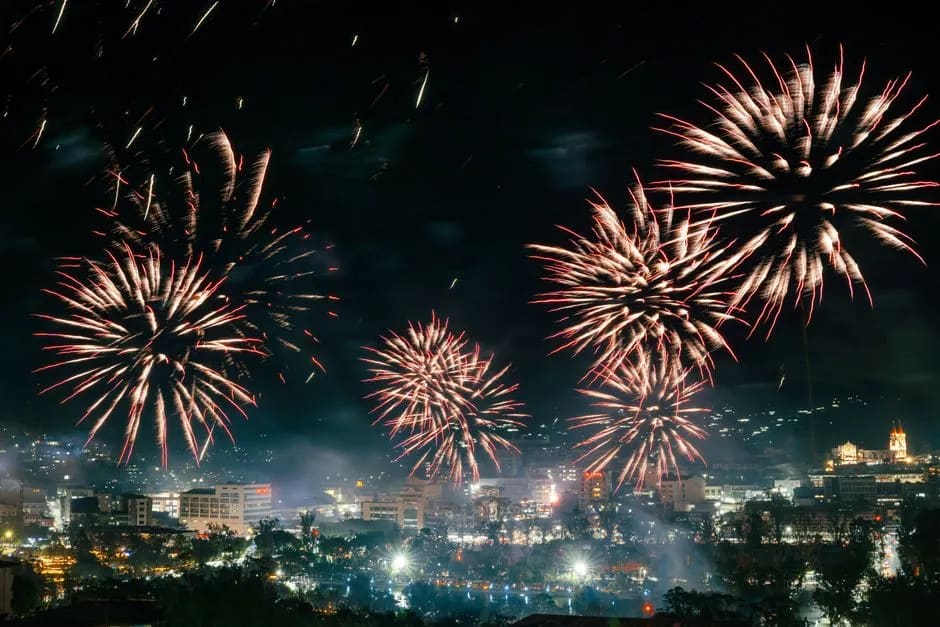
Fireworks run deep in Philippine celebrations, especially around Christmas and New Year, when neighbourhoods fill with sound. Bocaue, in Bulacan province, is known as a manufacturing hub for the industry.
Manila also hosts a pyromusical competition at the Mall of Asia in Pasay, where international teams show choreographed displays. The government regulates and bans certain dangerous firecrackers, so the scene runs on a mix of tradition and enforcement.
11. Netherlands: A First Year Under a National Ban
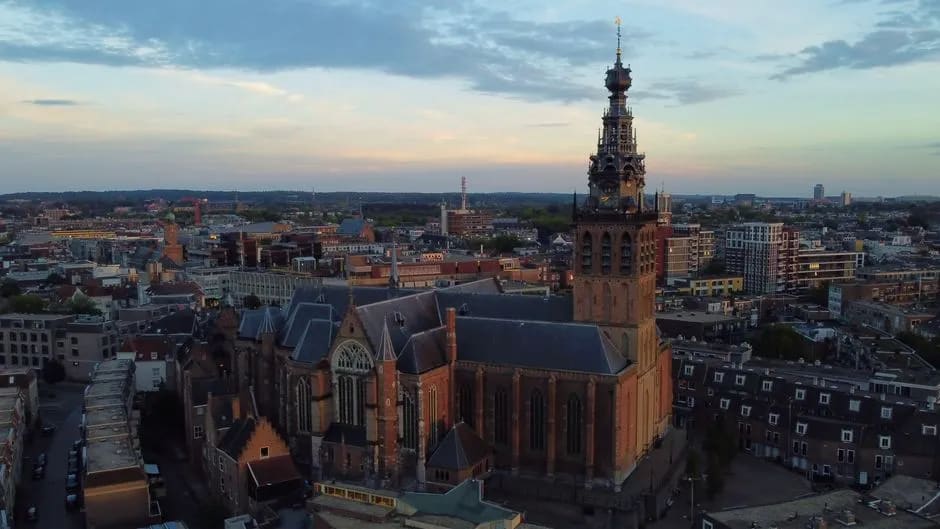
The first New Year celebrated under the national consumer fireworks ban applies to 2026 and 2027, with the ban in force from August 1, 2026.[7] Fireworks in categories F2 to F4 have been banned[8] for private individuals, while Category F1 novelty fireworks are still allowed.[9]
Professional displays continue, and associations and foundations may be exempted from the ban.[9] In practice, exemptions look scarce: a survey found 198 of 231 municipalities refusing to grant one for New Year’s Eve 2026 and 2027.[8]
12. Germany: A Three Day Sales Window
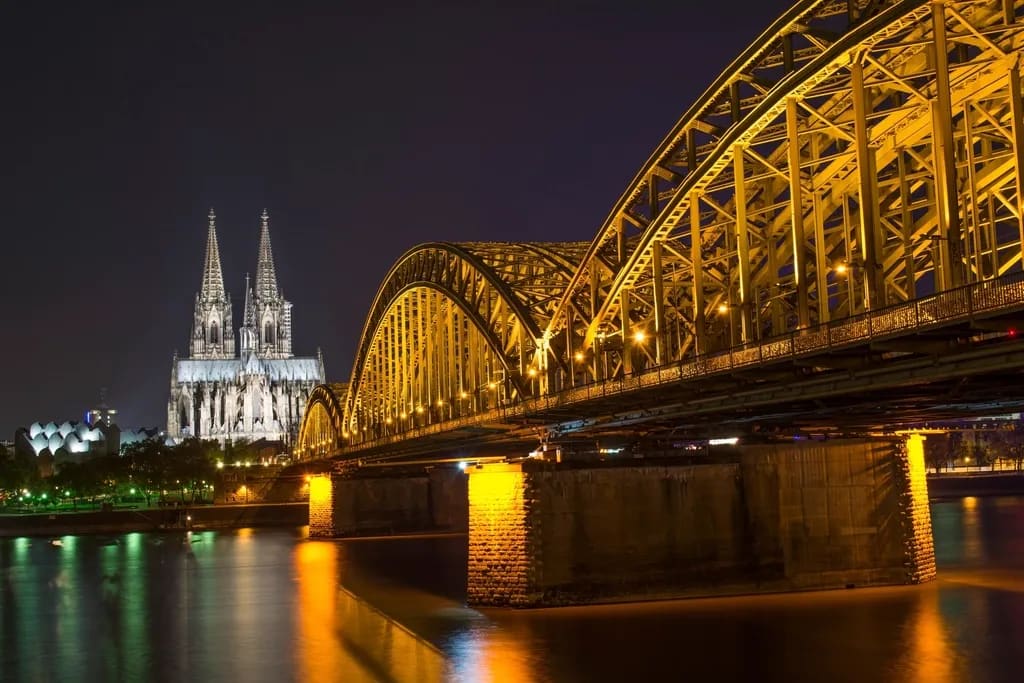
German shops can sell regular fireworks only briefly, and the regular sales dates for New Year 2026 and 2027 are December 29, 30 and 31.[10] Consumer fireworks may be let off on December 31 and January 1 by anyone aged 18 or over.[11]
Local authorities also designate ban zones near hospitals, churches, retirement homes, or high risk areas.[12] The debate is lively: a police union petition for a nationwide ban collected more than 2.4 million signatures[13], yet around seven in ten Germans still view New Year’s Eve fireworks as essential.[13]
13. United Kingdom: Curfews and Narrow Sales Periods
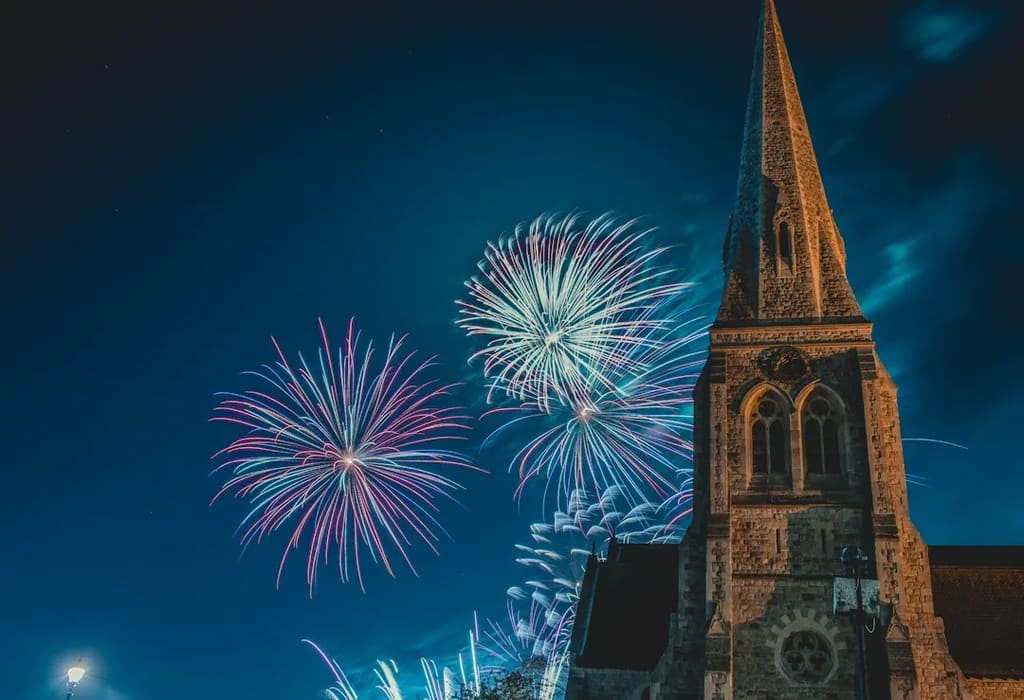
In Britain, fireworks can’t be set off between 11pm and 7am, with extensions for Bonfire Night, New Year’s Eve, Diwali and Chinese New Year. Buyers must be 18 or over, and there’s a noise limit on consumer products.
Sales are also limited to specific periods around those occasions. Scotland added a licensing system for buyers in 2022, so the rules aren’t identical across the UK.
14. Ireland: Illegal for Most Private Use
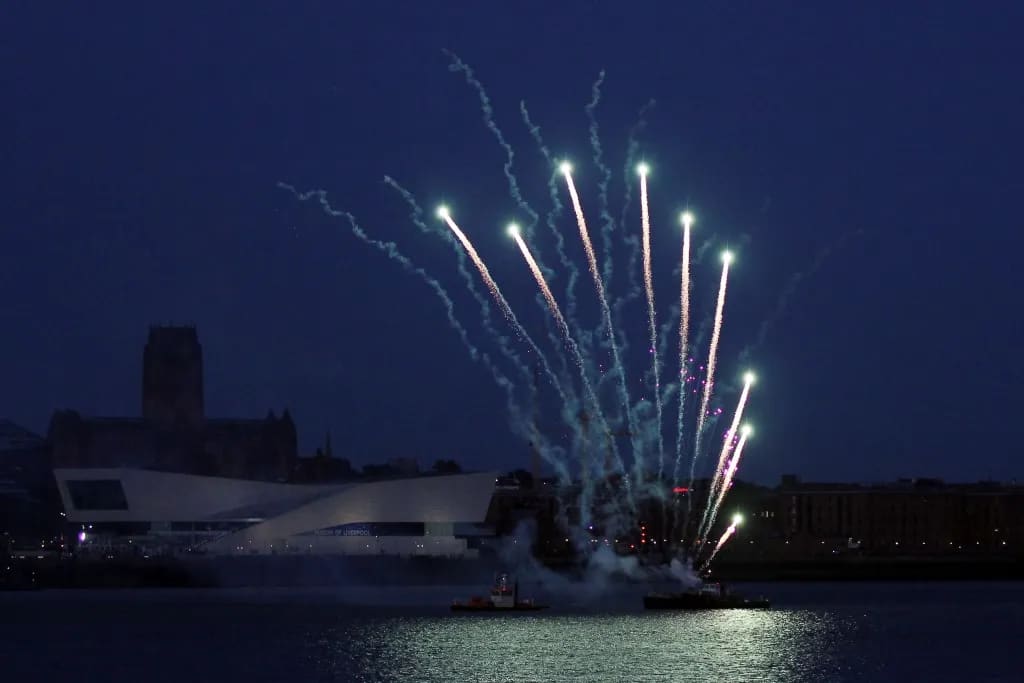
Ireland takes one of Europe’s strictest lines. Buying, selling or possessing fireworks without a licence is against the law, and that applies even to the small bangers that appear around Halloween.
Public displays are run by licensed operators with permits, such as those at some festivals and city events. Northern Ireland, as part of the UK, follows its own regulations, which makes the border a talking point.
Related Stories From Travelbinger
15. Singapore: Licensed Displays Only
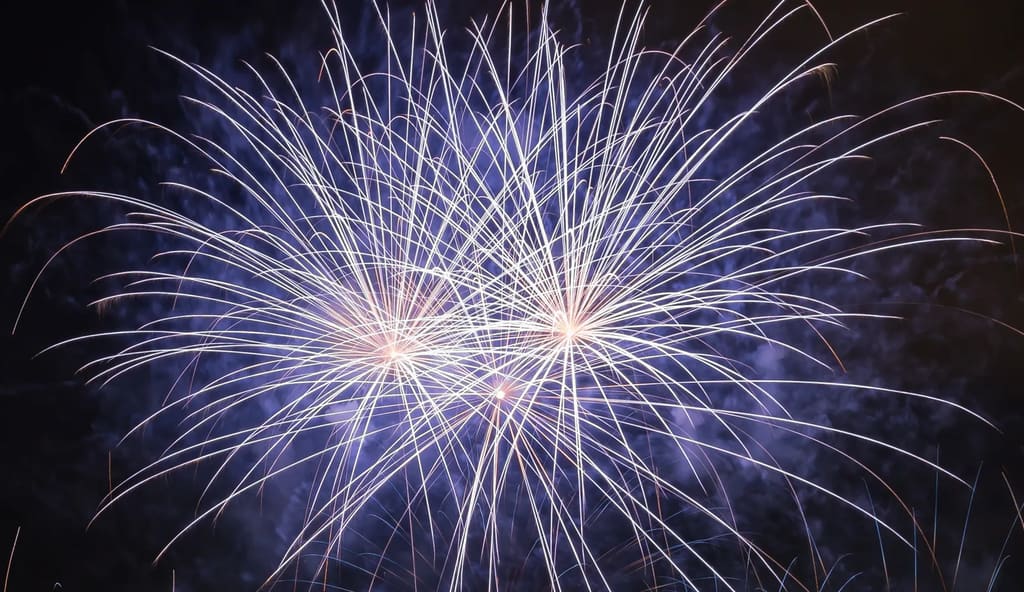
Members of the public in Singapore generally can’t buy or set off fireworks, since explosives rules require permits. Displays are handled by licensed professionals instead.
That’s why the big shows, like those at National Day and New Year celebrations around Marina Bay, run on a tightly planned schedule. For visitors, the best approach is to watch an official event rather than looking for anything to buy.
16. Australia: Rules That Vary by State
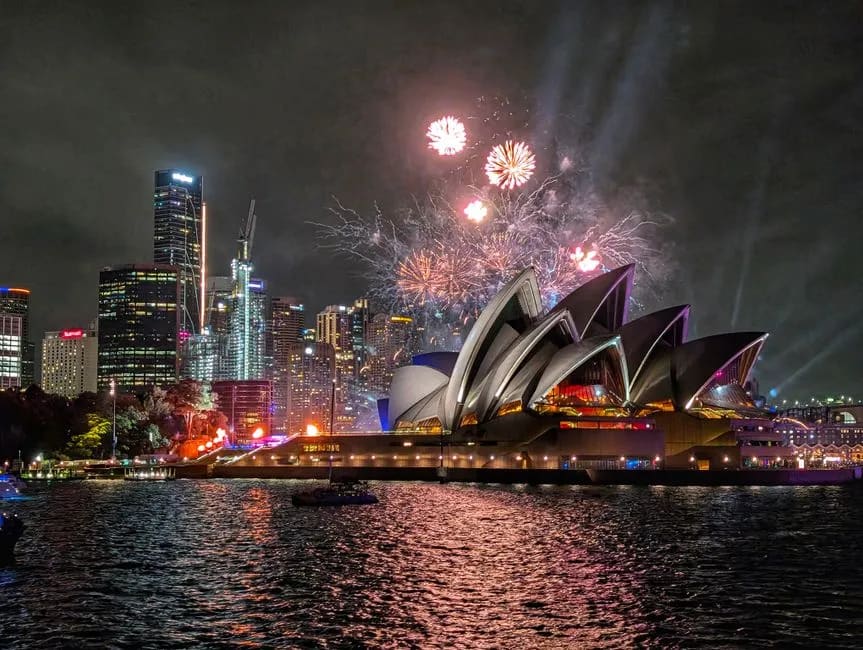
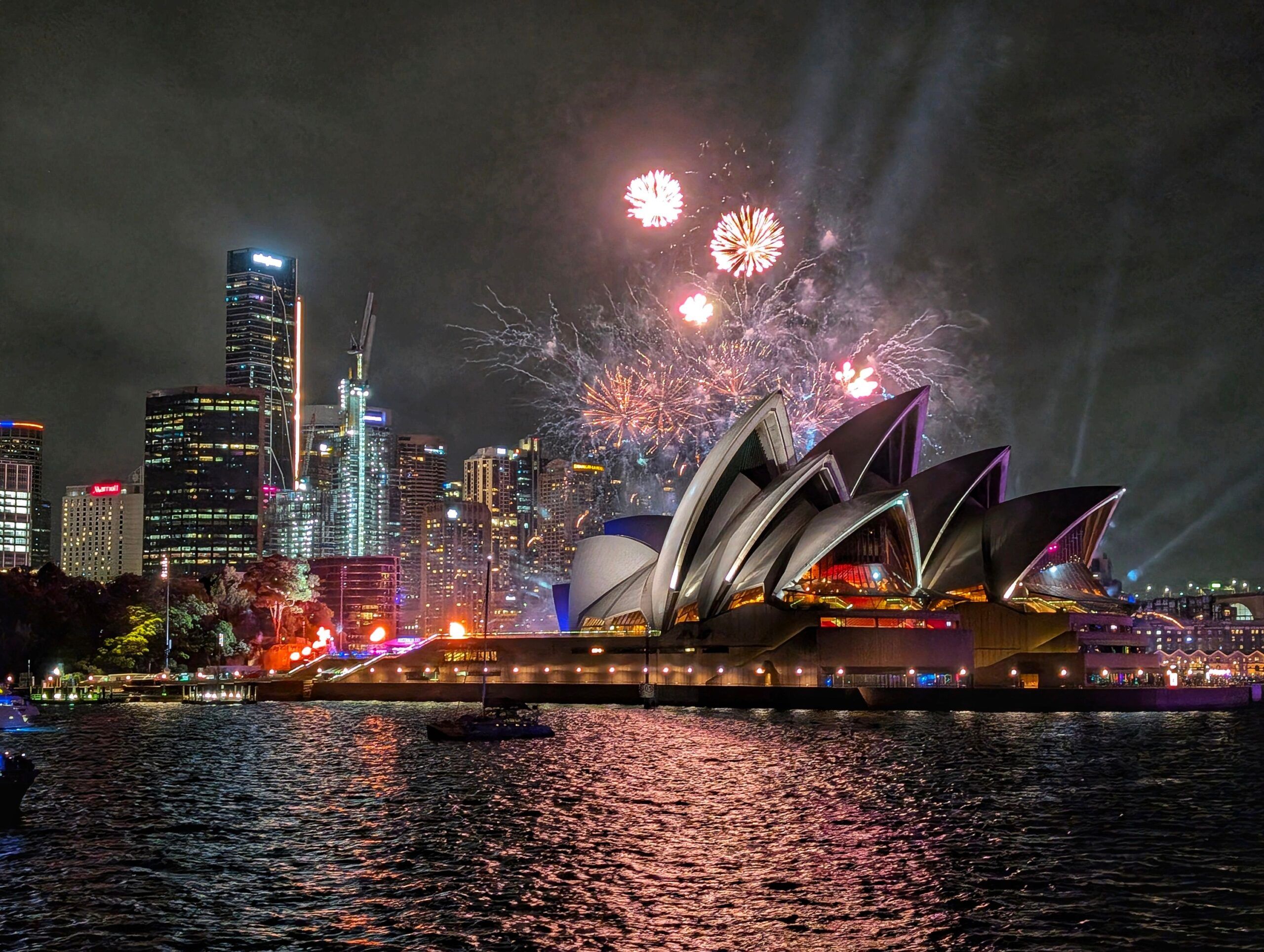
Most Australian states and territories don’t allow the public to buy fireworks. Displays are put on by licensed pyrotechnicians, with Sydney’s New Year’s Eve harbour shows the most visible example.
The Northern Territory is the usual exception, as it permits public sales around Territory Day on July 1. Even there, strict conditions on age, timing and location apply, so it’s not a free for all.
17. New Zealand: A Short Sales Window Around Guy Fawkes
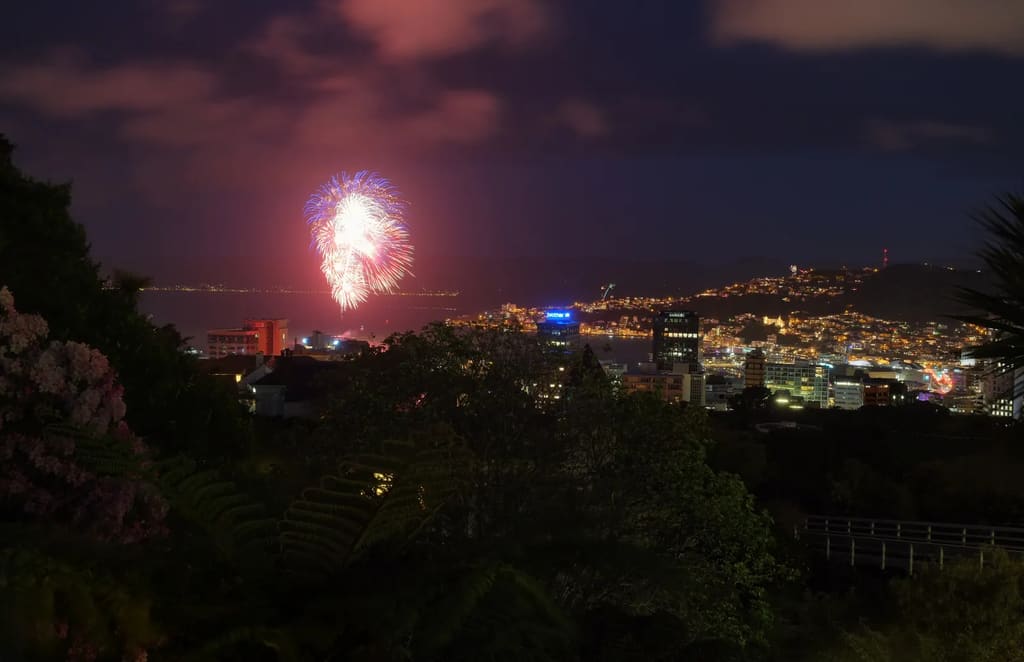
New Zealand restricts consumer fireworks to a few days of sales each year, tied to Guy Fawkes on November 5. Buyers need to be adults, and displays outside that window generally require a licensed operator.
That window has just closed for 2026, so the next chance for backyard fireworks is a year away. Public displays still pop up at big events, including some Matariki celebrations.
18. China: Spring Festival Tradition, City Limits
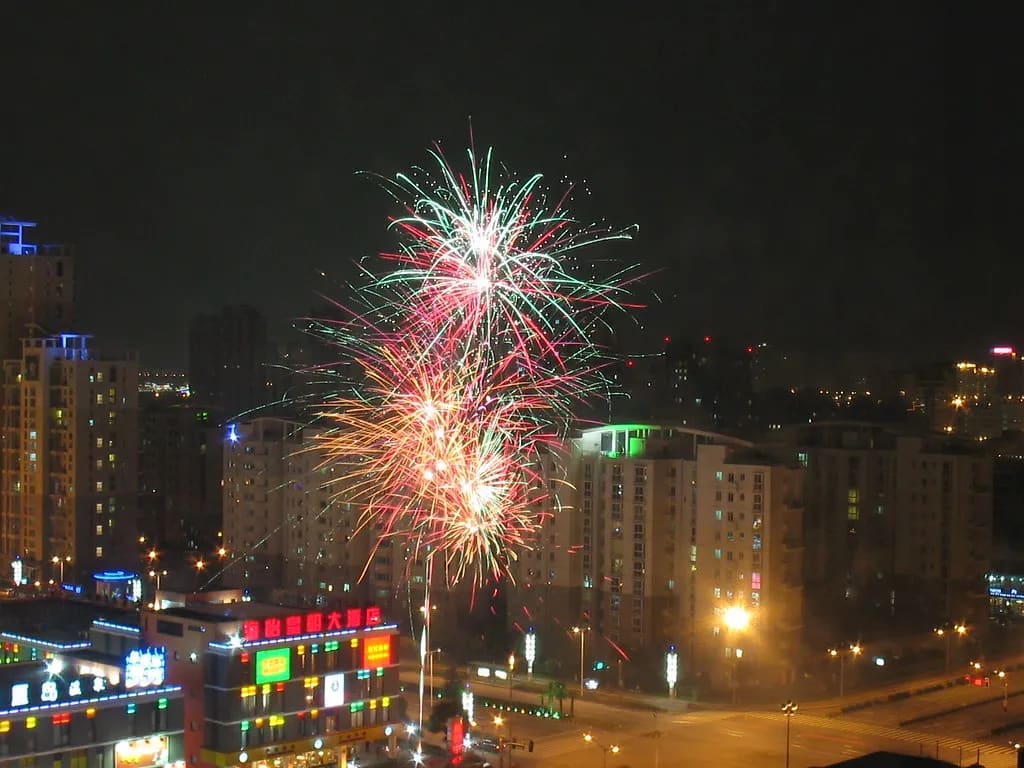
China is the world’s largest fireworks manufacturer, with Liuyang in Hunan province long associated with the industry. Fireworks are deeply tied to Spring Festival, weddings and business openings.
At the same time, many cities restrict or ban fireworks in urban cores because of air quality and fire safety. Rules differ from city to city and have been adjusted over the years, so it pays to check local notices before travelling.
19. India: Diwali Traditions and Pollution Rules
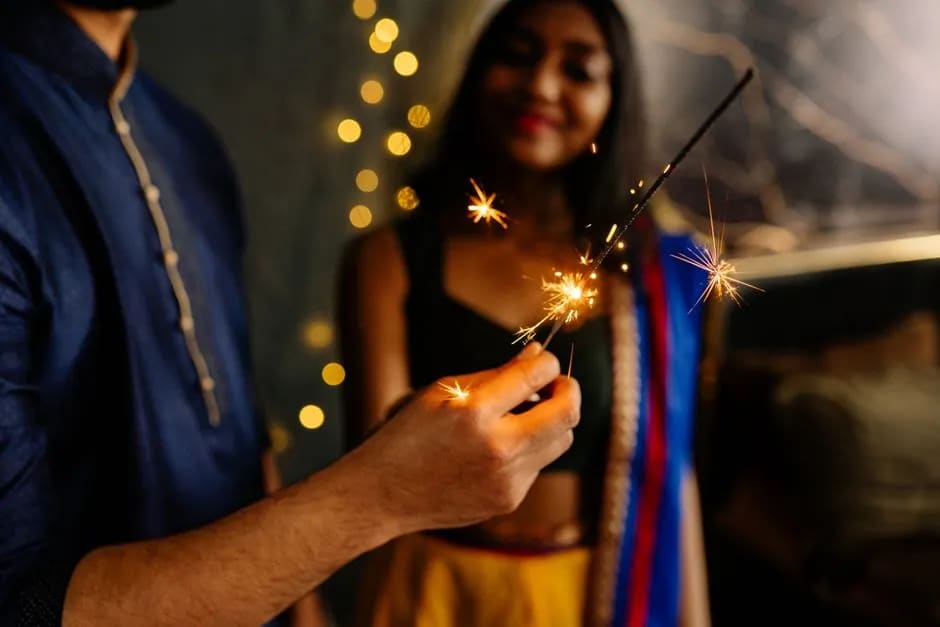
Fireworks are a central part of Diwali, and Sivakasi in Tamil Nadu is known as the hub of the country’s industry. Weddings and festivals also bring crackers out across the year.
In Delhi and its surrounding region, authorities have restricted firecrackers for years because winter air pollution is severe. Courts and state governments have at various times limited sales to green crackers, which are designed to cut emissions, and the details have shifted from season to season.