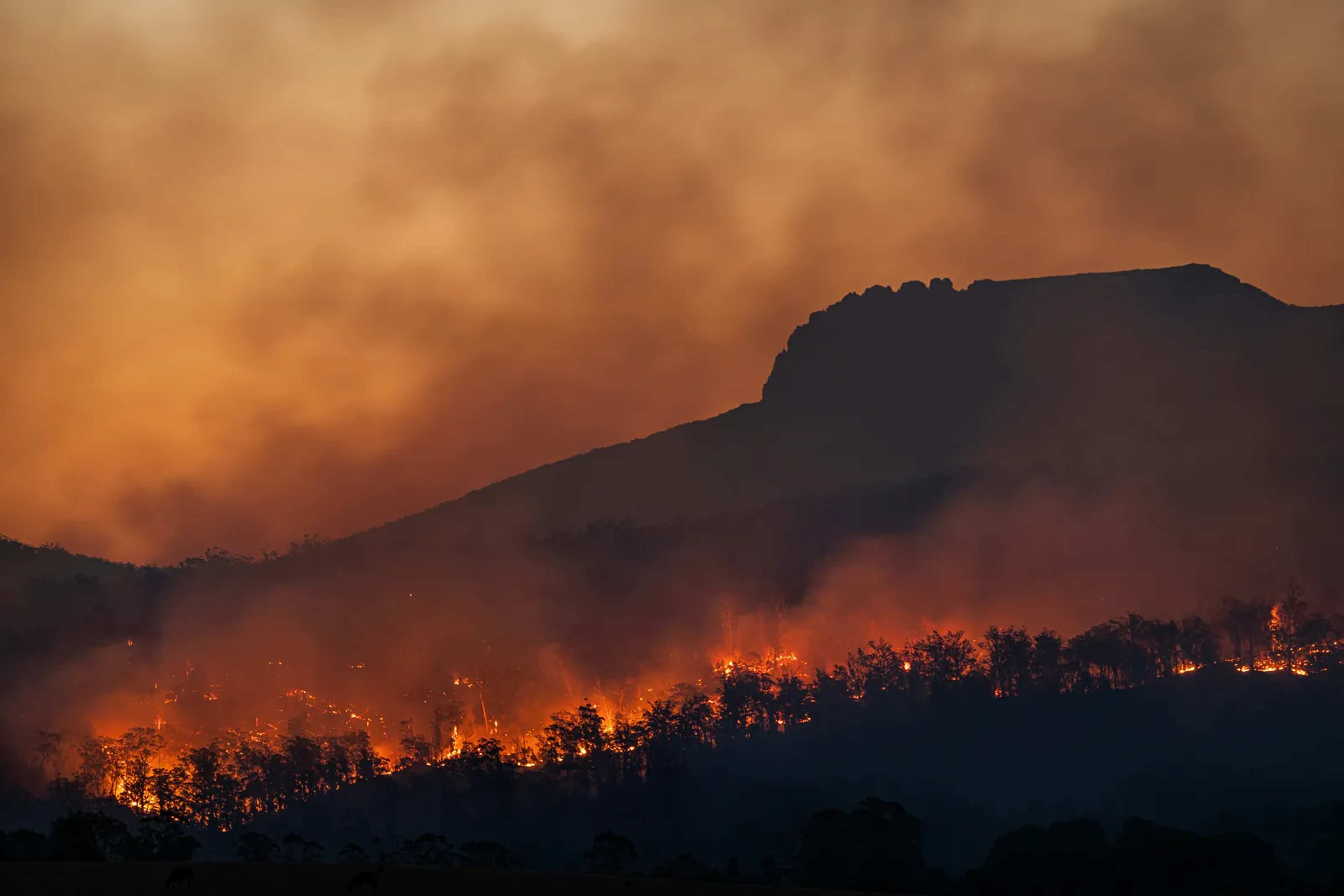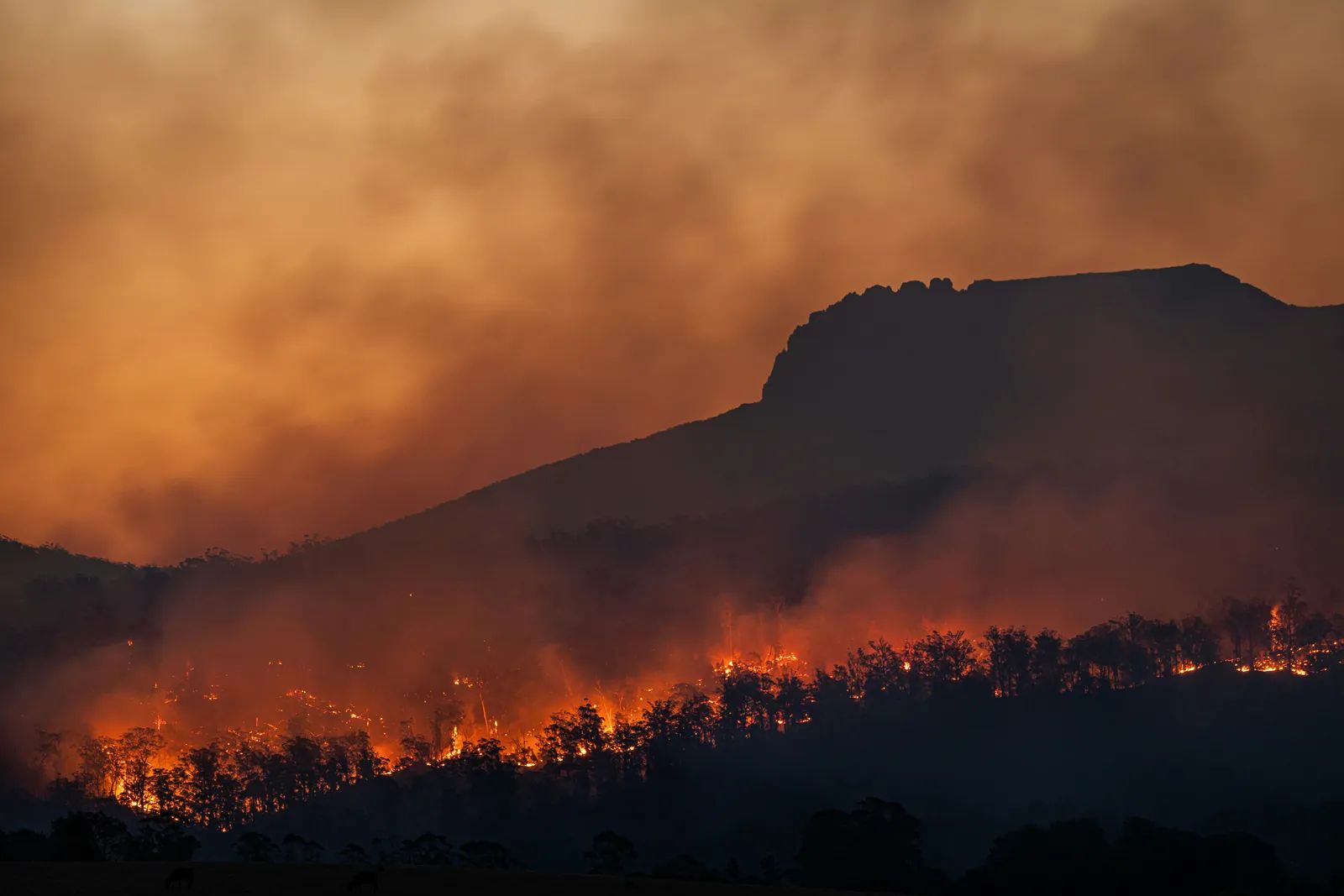
When a wildfire moves across a forested watershed, the first losses are easy to see. The harder problem often arrives later, when the next storm reaches the water supply. A record number of wildfires have burned more than 14,062 square miles in the United States this year, and the effects extend well beyond the burned ground. According to an Associated Press report by Martha Bellisele, Mongabay ([1]) republished the story, which focuses on the streams and rivers that supply drinking water to towns and cities.
The Threat Moves Downstream
Burned hillsides lose the plants and soil that normally hold water in place. When rain falls on those slopes, it can wash ash and decaying organic material into the creeks and rivers below. Many of those waterways feed municipal treatment plants, so the runoff reaches the intake pipes that draw water into the system.
Utilities have a narrow set of options once sediment-laden water arrives. Operators may need to close the intake to keep the murky water out of their plants. If another source is available, they can switch to it. If none exists, the community has to manage with what it has while the water clears.
Urban and Rural Systems Both Feel the Strain
The concern is not limited to big cities. Rural towns and small communities rely on the same kinds of streams and rivers, and the reporting describes both urban and rural water systems as exposed to the problem. The ability to shift to a backup supply will vary from one place to another, which means the impact on residents may vary as well.
Readers living near forests, grasslands, or brush-covered hills may want to know how their local utility plans for this situation. A few questions can guide that conversation:
- Does the utility draw from surface water that runs through fire-prone areas?
- Does it have an alternate source that can be used during an intake shutdown?
- Has it tested for sediment and other contaminants after recent fires?
- Does it communicate with customers when water quality changes?
Contamination That Lasts for Years
The timeline may be the most unsettling part of the story. New studies cited in the report found that wildfires can contaminate water for up to 15 years. That means a single fire season can affect supplies long after the smoke clears and the landscape appears to recover.
The findings arrive as climate change has contributed to a rise in both the number and size of wildfires across the country. Utilities may need to plan for longer periods of disruption, not just the days or weeks that follow the flames. Whether that planning keeps pace with a changing fire season remains an open question, and the answer will shape how safely communities can rely on the streams that serve them.
Source: Mongabay