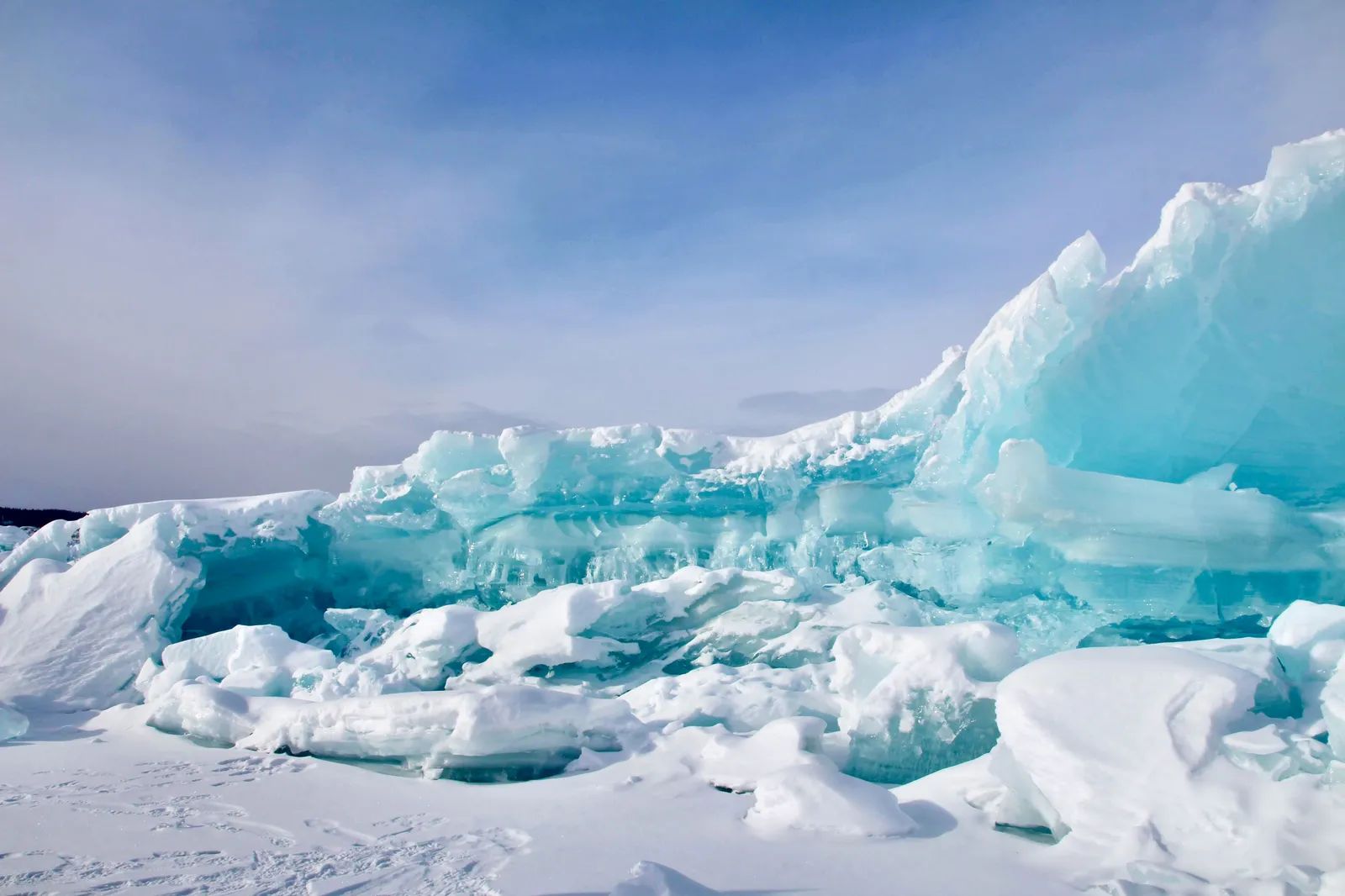
Lucerne, Switzerland – A new exhibit at the Glacier Garden is turning the spotlight on objects freed from the ice as Switzerland’s glaciers shrink at an accelerating pace. The display gathers both ancient treasures and modern discards that have surfaced in recent years, offering visitors a direct look at what the thaw is uncovering. The timing feels especially pointed after Swiss glaciologists recorded a 5.5 percent loss in total glacier volume this year, the second-largest annual drop on record. ([1])
Objects from Different Eras Side by Side
The “Treasury of Ice” brings together items that span centuries. An ancient hunting bow sits near a Roman-era statuette, while a cracked alpinist’s helmet rests close to a crunched tube of mayonnaise and a discarded wine bottle. Boots, a cow skull, ski gear, and a primitive multi-tool also appear in the cases. The mix highlights how the ice has preserved both deliberate artifacts and everyday waste. Some pieces clearly belong to long-ago travelers or hunters; others look like recent litter left on the slopes. The contrast makes the collection feel like an accidental time capsule rather than a curated museum selection.
Why the Exhibit Matters Now
Director Andreas Burri explains that the goal is to show the public the archive contained inside the glaciers before it disappears. The rapid melt means many more objects will likely surface in the coming seasons, yet the ice itself is vanishing. The display includes videos shot on Swiss glaciers, charts tracking the retreat over decades, and a scale model of glacier movement. These elements give context to the individual finds without turning the visit into a lecture. Visitors can see how the same forces that release a Roman statuette are also erasing the frozen landscape that held it for so long.
What Travelers Can Expect at the Glacier Garden
The open-air museum in Lucerne has long focused on glacial geology, so the new exhibit fits naturally into its existing layout. The relics are arranged to encourage slow viewing, with labels that note where each item was found and how it reached the surface. Because the garden is outdoors, the experience combines indoor cases with the surrounding rock formations and ice-age exhibits already on site. The result is a compact stop that pairs well with a walk through Lucerne’s old town or a boat ride on the lake. No advance booking is required for the basic admission, though the museum does offer guided tours that expand on the glacier story.
A Record of Loss and Discovery
Burri notes that some of the material is simply trash people lost or threw away, yet even the ordinary items reveal patterns of human presence in high-alpine zones. The exhibit treats every object with the same care, whether it is a centuries-old statuette or a plastic bottle. The larger message is that the glaciers have functioned as a vast, cold storage facility for human traces. As that storage melts away, the traces become visible for a brief window before many of them degrade or are lost again. The “Treasury of Ice” captures that fleeting moment in one accessible place.