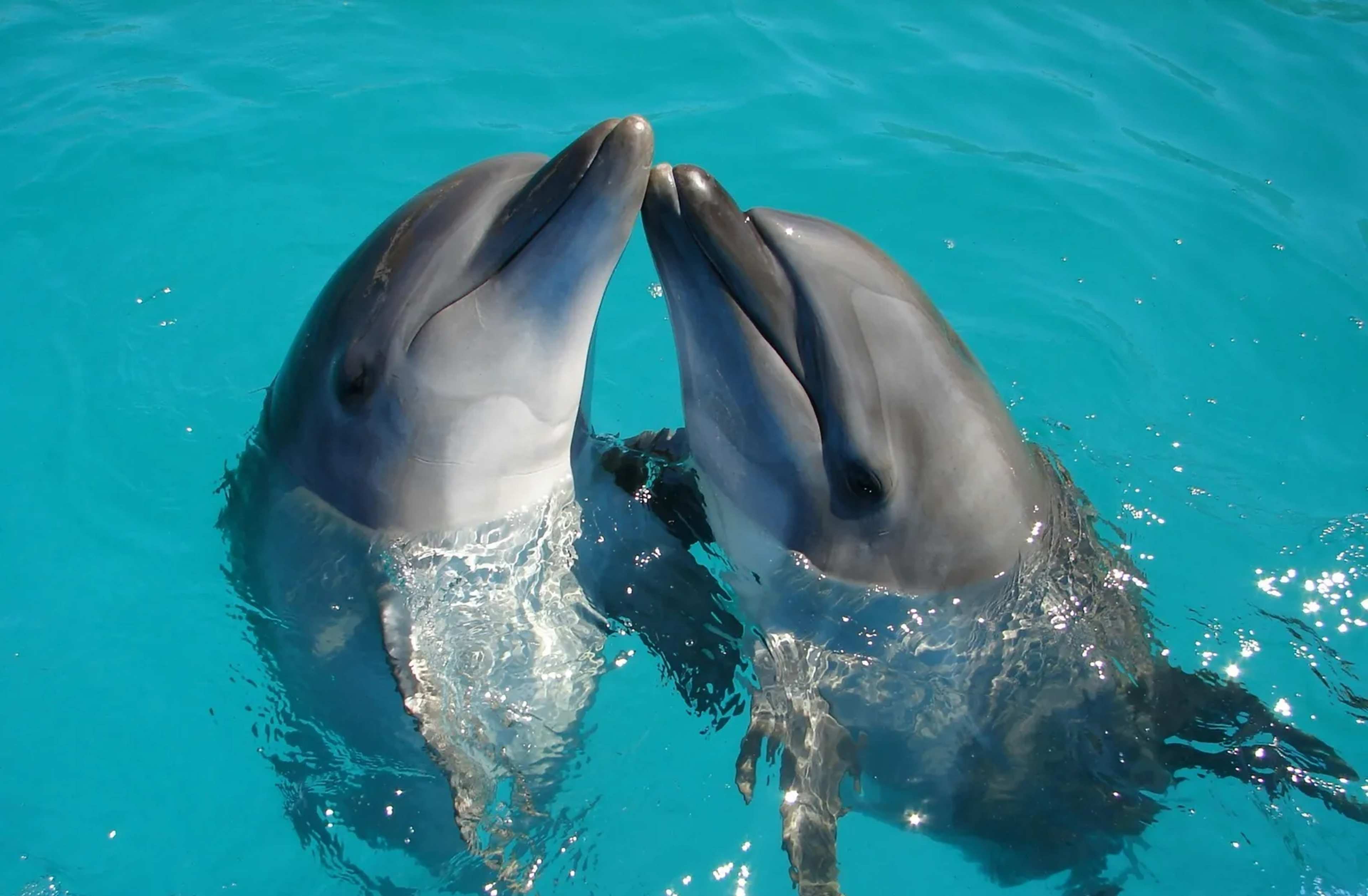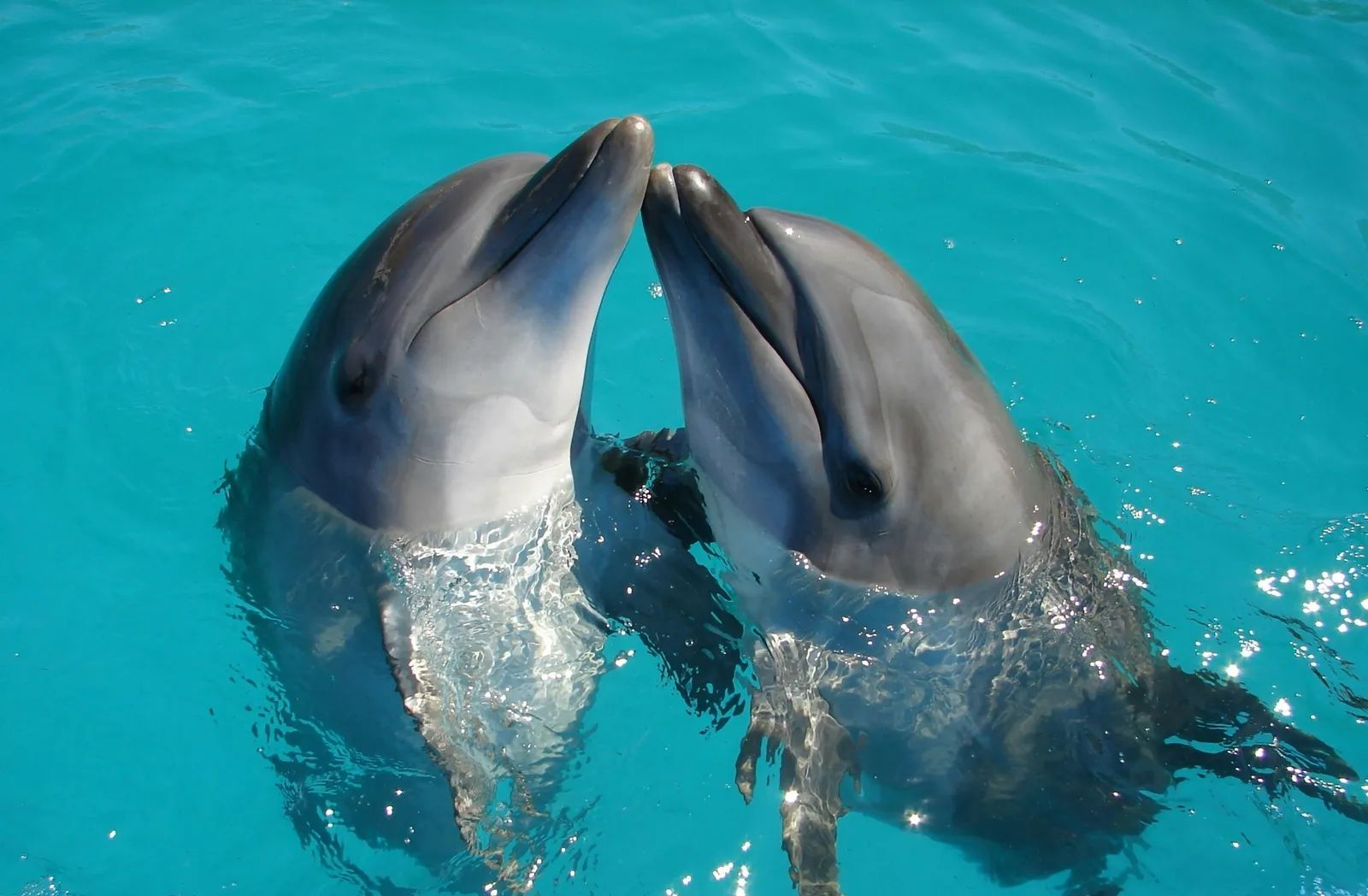
Cambodia’s Irrawaddy dolphin population has reached an estimated 118 individuals following the confirmed births of six calves this year. The newborns appeared along a 120-kilometer stretch of the Mekong River in Kratie and Stung Treng provinces. Conservation authorities view the increase as evidence that the critically endangered species can rebound when key pressures are reduced. ([1])
Recent Births Signal Modest Recovery
The six calves represent the latest addition to a population that has hovered well below historical levels. Late-1990s surveys placed the number near 200 in the Cambodian section of the river. The new arrivals bring the current estimate to 118, a figure that still leaves the group vulnerable to further losses. Officials note that the births occurred in a protected stretch of river that serves as core habitat for roughly 20 dolphins near Kampi. Local monitoring teams tracked the mothers and calves through the season. The 75-mile corridor spans two northeastern provinces where enforcement and community involvement have intensified in recent years. Each successful birth reduces the immediate risk of local extinction, though long-term survival depends on sustained protection measures.
Local Communities Rely on the Dolphins
Irrawaddy dolphins hold sacred status in both Cambodia and Laos, where they are seen as embodiments of river spirits. Riverside residents also depend on them for income through ecotourism. Boat operators ferry visitors to viewing sites, creating steady revenue that supports households in Kratie province. Heang Koeurn, a boat driver at the Kampi dolphin pool, described the animals as central to community livelihoods. “Irrawaddy dolphins are very important for our community,” he said. “People here can make more income from tourists by driving them to see the beauty of Irrawaddy dolphins.” The economic link gives residents a direct stake in keeping the river clean and free of harmful fishing gear.
Threats Continue to Limit Growth
Despite the positive births, the population remains far smaller than it was two decades ago. Electrofishing, habitat changes, and accidental entanglement in gillnets have driven most of the decline. Calves are especially at risk from nets, which can drown young animals before they learn to navigate the river. More than 160 dams planned or under construction on the Mekong and its tributaries add further pressure on water flow and fish stocks. These developments alter the river’s natural cycles that dolphins depend on for feeding and breeding. Without stronger controls on illegal fishing and coordinated dam planning, the recent gains could stall.
Broader Value for River Protection
Ian Baird, a geography professor at the University of Wisconsin–Madison, noted the dolphins’ role beyond tourism. “They are a source of Cambodian national and local pride,” he said. “They may also inspire people to protect the river and its tributaries from the impacts of more dams in the future.” The animals function as a visible indicator of overall river health. Continued monitoring and community enforcement will determine whether the population can expand further. The six calves provide a concrete measure of progress, yet experts emphasize that the species stays critically endangered. Sustained action on the main threats remains essential if the Mekong’s only cetaceans are to secure a lasting foothold.