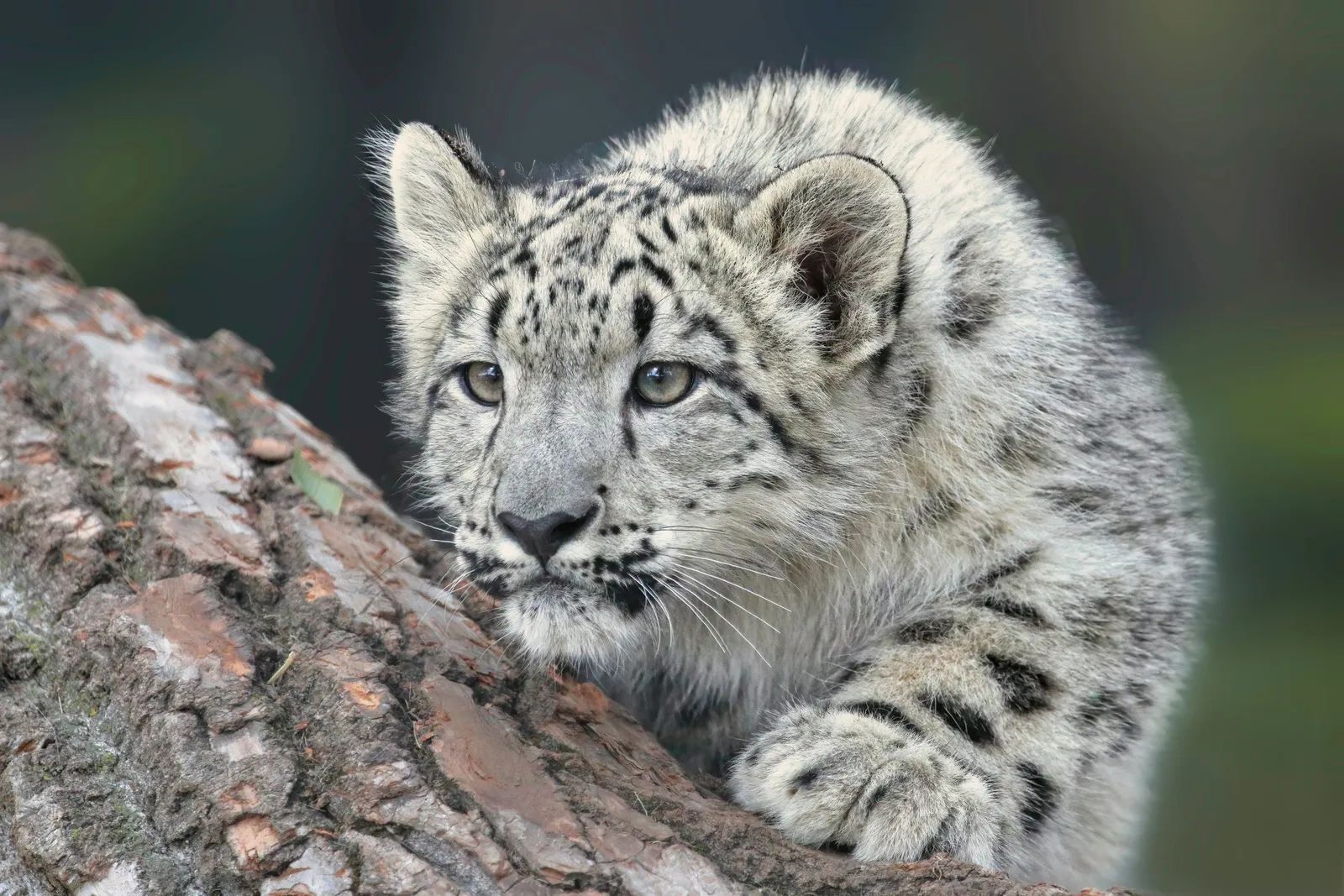
Snow leopards move through the steep, rocky terrain of Asia’s high mountains, where changing weather patterns, fewer wild animals to hunt, and occasional clashes with livestock herders create ongoing pressure. On International Snow Leopard Day, October 23, recent studies from Nepal illustrate how these cats can continue to live alongside people and other predators when conditions allow. A government survey from 2025 estimated roughly 397 snow leopards in the country, while field work in one remote valley showed the big cats, common leopards, and Himalayan wolves dividing resources rather than competing directly. ([1])
High-Altitude Neighbors With Different Menus
In Nepal’s Lapchi Valley, researchers documented snow leopards, common leopards, and Himalayan wolves occupying the same rugged slopes. The three predators largely avoid direct conflict by selecting different prey. Wild blue sheep form nearly half the snow leopard diet, while the other species focus on smaller or more accessible animals. This separation reduces pressure on any single food source and lowers the chance that the cats will turn to domestic livestock. When wild ungulate numbers drop, however, all three predators shift toward easier targets such as goats and sheep. The result can be retaliatory killings that harm both the animals and the trust between conservation groups and local families. Maintaining healthy populations of wild prey therefore serves as a practical buffer. The study underscores that habitat quality and prey availability remain central to keeping the system stable over time.
Counting Cats Gives Way to Supporting Herders
Conservation efforts have long relied on population surveys, yet the immediate costs of livestock losses fall on mountain communities. Rodney Jackson, founder of the Snow Leopard Conservancy, noted that these burdens erode local support for protection measures. Families who lose animals to snow leopards face real economic strain in remote areas where alternatives are limited. Shifting attention toward practical help for herders, such as better livestock protection or compensation schemes, can strengthen long-term cooperation. Without addressing these daily realities, broader conservation goals risk losing community backing. The emphasis now lies on finding workable arrangements that respect both the cats and the people who share their range.
Climate and Prey Pressures Shape the Future
Rising temperatures and shifting vegetation patterns add another layer of uncertainty for snow leopards. As habitats change, the distribution of blue sheep and other prey may shift, potentially bringing predators closer to human settlements. Researchers continue to track these trends to understand how flexible the cats can be. Community-based monitoring and habitat protection projects already show promise in several mountain regions. These efforts combine local knowledge with scientific data to identify areas where coexistence remains feasible. Continued work will depend on sustained support that balances ecological needs with the livelihoods of those living in the same landscapes. The day set aside for snow leopards serves as a reminder that their survival hinges on practical steps taken year-round rather than on any single observance.