Europe’s most photographed streets are starting to come with a price tag attached, and it isn’t just for museum tickets or hotel rooms anymore. A handful of cities are now weighing whether simply showing up, camera in hand, should cost something too.
This shift didn’t happen overnight. It grew out of years of complaints about overcrowded squares, strained water systems, and residents priced out of their own neighborhoods. What’s changed recently is how far officials are now willing to go, with some proposals reaching sums that would have seemed unthinkable just a couple of years ago.
Venice, Italy
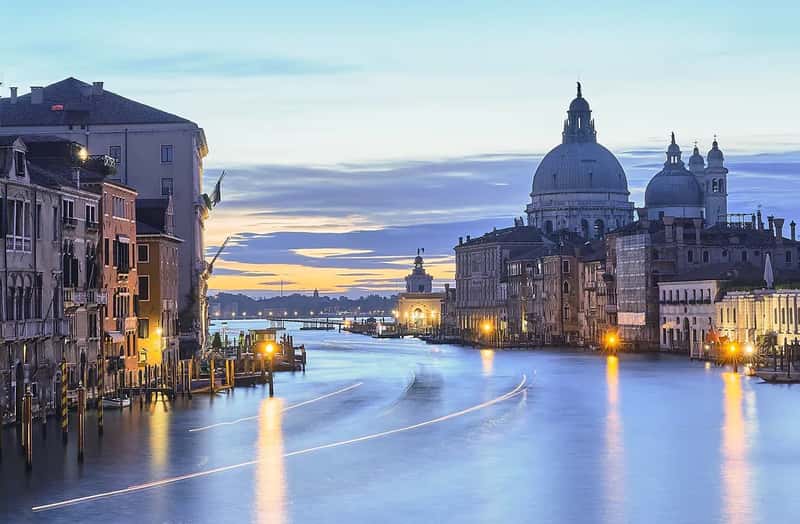
Venice already made history as the first major destination anywhere in the world to charge visitors just for walking in, and now city officials are talking about pushing that fee to a level that has stunned even seasoned observers. A popular European city is considering a dramatic increase to its controversial tourist entry charge, with proposals to raise the fee from €10 to as much as €50. The person driving the idea, a senior figure in Venice’s city administration, has argued that a steeper price tag is exactly the point.
“The higher the ticket price, the better for us,” Mr Venturini said. Not everyone agrees. The proposal has already sparked significant criticism, with opponents describing the plan as “barbarous” and potentially in breach of constitutional principles. The iconic lagoon destination has been making visitors pay an access charge if they come for the day only since 2025, when Venice became the world’s first major tourist destination to charge for entry. Whether the €50 version ever becomes reality is still an open question, but it shows how far the city is willing to go.
Barcelona, Spain

Barcelona’s approach targets a very specific type of visitor: the cruise passenger who steps off a ship, wanders around for a few hours, and leaves without spending much at all. Sought out by tourists from around the world for everything from its Gaudí architecture and Catalan history to its beach and party scene, Barcelona recorded 26.1 million visitors in 2025. That volume, paired with a resident population that feels increasingly squeezed, has pushed local leaders toward some of the boldest proposals on the continent.
At the moment, anyone coming into Barcelona by cruise ship pays €11 for less than 12 hours off the boat in a city tax that is added directly to their ticket. Under the new plan, so-called day-trip cruise visitors are now expected to pay a combined charge of around €30 per person, formed through a steep rise in the municipal levy, which has climbed from roughly €8 to €24 per passenger, supplemented by an additional regional tourism tax of approximately €6. The measure still needs formal approval, but the direction of travel is unmistakable.
Amsterdam, Netherlands
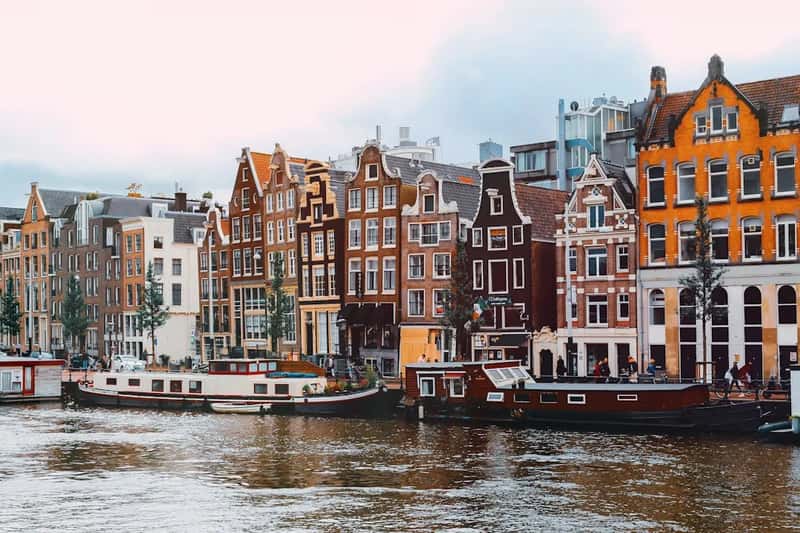
Amsterdam has long relied on hotel taxes to manage its tourism numbers, but it’s now edging toward charges that function much more like a straightforward entry fee for a specific group of visitors. Amsterdam already charges a 12.5% accommodation tax, but in 2026, it will add a €15 day tax for cruise passengers and a 21% VAT increase. That day tax is aimed squarely at the kind of short, low-spending visits that officials say contribute little to the local economy while adding plenty of foot traffic.
City planners haven’t stopped there. In addition to accommodation taxes, Amsterdam is considering adjustments to its entertainment levy, and by increasing these fees, the city intends to capture additional contributions from day visitors, further offsetting the impact of high visitor numbers on public spaces and infrastructure. Combined with a freeze on new hotel construction, the message from Amsterdam is fairly blunt: quick, cheap visits are becoming a lot less cheap.
Dubrovnik, Croatia
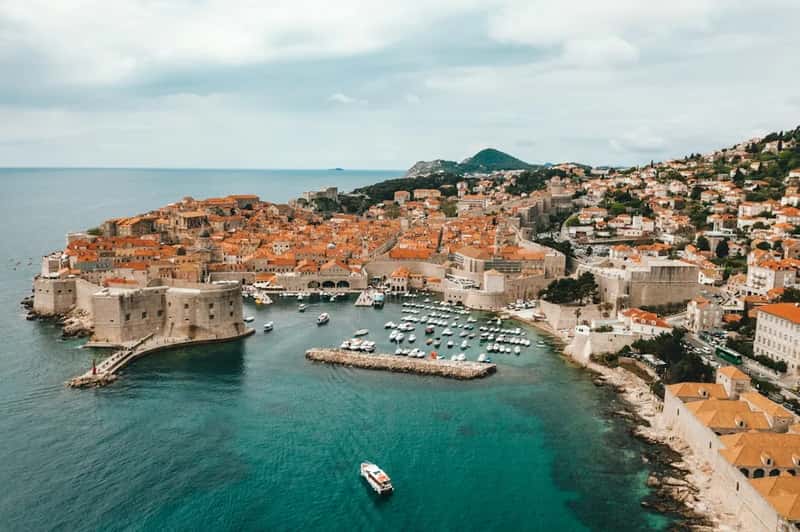
Dubrovnik’s walled Old Town is tiny by comparison to the crowds it attracts, and that mismatch has pushed the city toward some of the most hands-on crowd control measures anywhere in Europe. The coastal city of Dubrovnik has taken a more capacity-driven approach to overtourism, introducing strict controls on cruise ship arrivals alongside the implementation of a daily visitor fee mechanism. Rather than pricing everyone the same way, the city has leaned on physical monitoring to decide when enough is enough.
Dubrovnik’s Old Town is beautiful but physically limited, which is why the city has leaned into flow management, using cameras to monitor foot traffic and slow entry when thresholds are hit. Cruise scheduling has also been tightened so ships can’t all dock at once, spreading out the daily surge instead of letting it hit in one overwhelming wave. Taken together, these steps put Dubrovnik firmly among the cities most likely to formalize a broader paid-entry system in the near future.
Rome, Italy
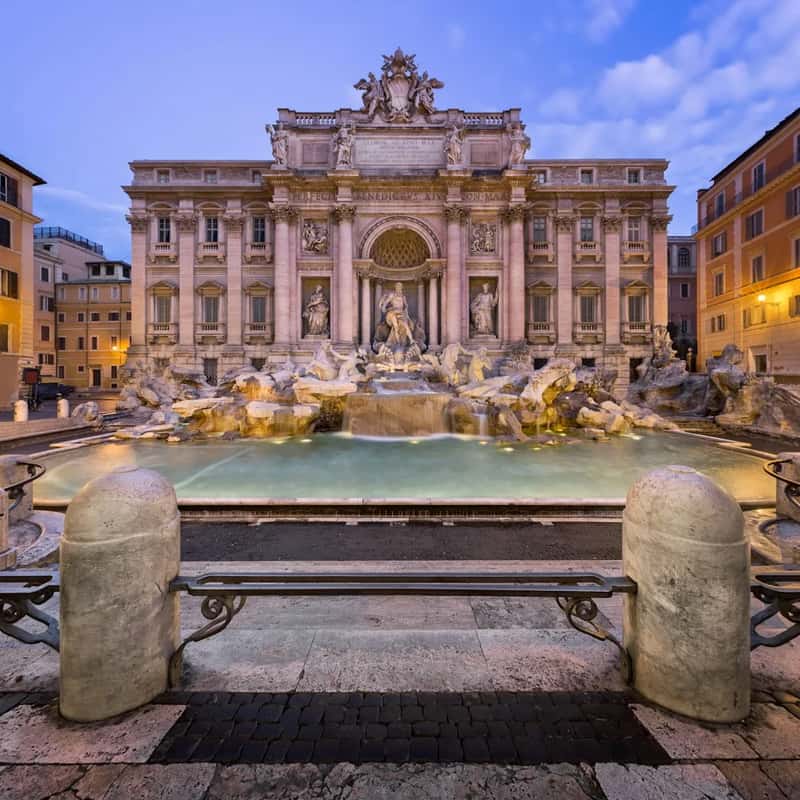
Rome has taken a different route than Venice, choosing to charge for specific landmarks rather than the city as a whole. Big changes are coming to the Italian capital, which will now charge visitors an entry fee to several previously free-to-visit landmarks, including the Trevi Fountain, where it now costs €2 to get a close-up look, although the fountain remains free to see from afar, and locals won’t have to pay anything. It’s a modest sum on paper, but it marks a real shift for a city that has always treated its outdoor monuments as open to anyone who happens to walk by.
Charges at the Trevi Fountain started February 1, 2026. Officials frame it less as a cash grab and more as a way to fund the near-constant restoration work that Rome’s ancient stone and marble require. Given how well the Trevi charge has been received so far, there’s a reasonable chance other landmark squares and viewpoints across the city could follow with their own small access fees.
Zaanse Schans, Netherlands
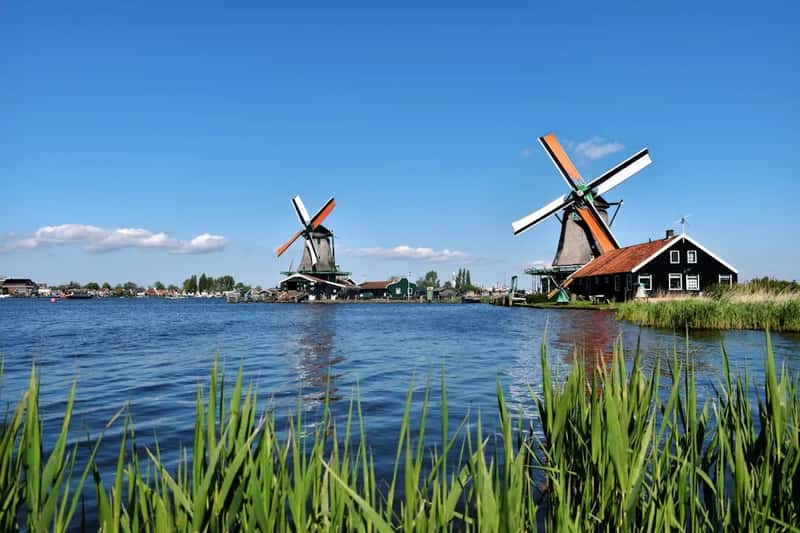
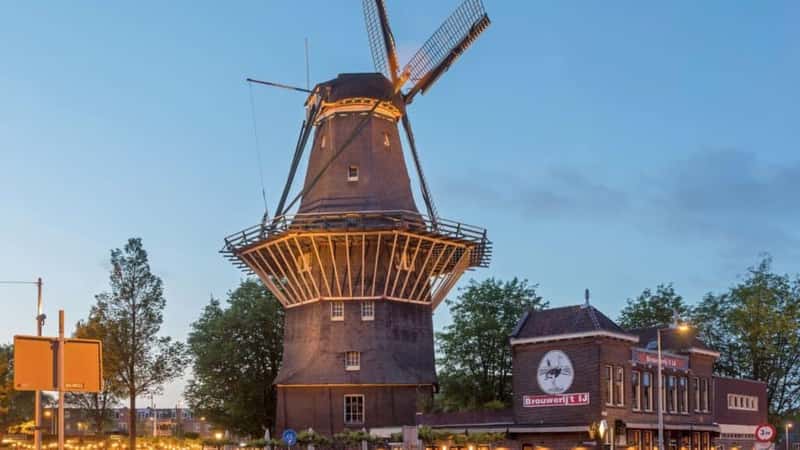
Not every city on this list is a household name, and Zaanse Schans proves that even a tiny village can end up buried under tourist numbers it was never built to handle. Like Venice, the tiny Dutch town of Zaanse Schans will introduce an entrance fee next year, and with just 100 residents and several scenic windmills, it saw over 2.4 million visitors last year. That ratio, roughly twenty-four thousand visitors for every resident, is about as stark an overtourism statistic as you’ll find anywhere in Europe.
Locals hope the relatively high charge of €17.50 per person will dissuade some rowdy tourists, with the fee to be collected starting 2026. It’s a notably steeper price than anything Venice or Rome has introduced, which says something about how desperate small, fragile places have become to slow the flow of day-trippers. If it works, expect other postcard villages near major cities to start looking at similar entry charges of their own.
What This Means for Future Travel Plans

None of these fees, on their own, are likely to break a travel budget. A couple of euros at the Trevi Fountain or ten at the edge of Venice’s historic center is not going to derail a trip. What matters more is the pattern behind them: cities that once welcomed anyone, anytime, are increasingly deciding that access itself is worth charging for.
Travelers heading to any of these destinations in the coming months would do well to check official city websites before departure rather than assuming last year’s rules still apply. Fees, exemptions, and booking requirements are shifting quickly, sometimes within the same season. For now, the trend points in one direction only, toward more places treating entry as something to be managed, priced, and booked in advance rather than simply walked into.