Ask most travelers to guess which countries have the strongest English skills outside the usual English-speaking world, and you’ll probably hear the same handful of Northern European names. Yet the latest global data tells a slightly different story, one full of quiet overachievers that rarely make anyone’s shortlist. Some of these places carry reputations, fair or not, that suggest a language barrier awaits. In practice, travelers often find confident, idiomatic English waiting for them instead, sometimes in towns far from any capital city.
The EF English Proficiency Index, released in its 2025 edition and drawn from test results collected through 2024, offers one of the most detailed pictures available of how adult English skills vary from country to country. It covers dozens of nations and, for the first time, factors in speaking and writing rather than just reading and listening. That expanded scope has surfaced a handful of countries whose English fluency tends to catch visitors off guard.
Croatia’s rapid rise up the rankings
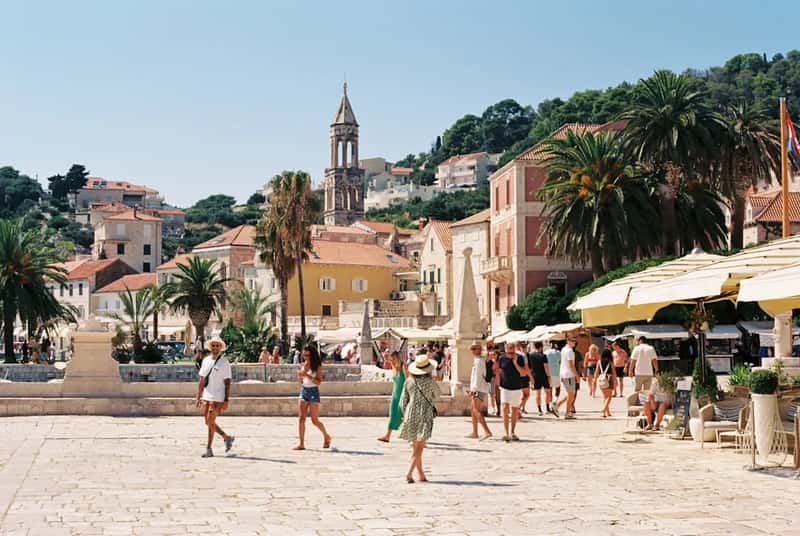
Croatia delivered one of the more striking shifts in recent memory, achieving its best-ever result in the 2025 index, rising from 11th place to 2nd and establishing itself as one of the strongest non-native English-speaking countries in the world. That kind of jump does not happen by accident, and a leap of that scale in a single year is rare for any country tracked by EF. For tourists who associate Croatia mainly with its coastline and old stone towns, hearing near-fluent English from a market vendor in Split can feel like a pleasant surprise.
Part of the explanation comes down to media habits. Croatians consume foreign films and television programs that are broadcast almost exclusively with subtitles rather than dubbing, except for children’s content. Add a tourism economy that runs on daily conversation with English-speaking visitors, and the country’s climb starts to make a lot more sense. Locals along the Adriatic, from Dubrovnik down to smaller island towns, have simply had more practice than outsiders tend to assume.
Portugal’s quiet transformation into an English-fluent hub
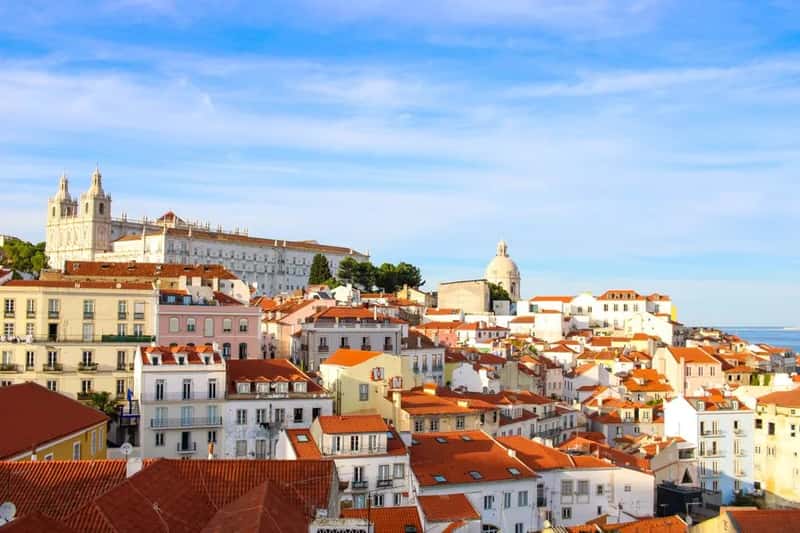
Portugal doesn’t get talked about as much as the Netherlands or the Nordic countries, yet its numbers hold up just as well. Portugal sits in the very high proficiency band with a 2025 score of 612, placing it alongside its northern European counterparts. That level of fluency surprises visitors who expect a more modest level of English outside major tourist zones. Anyone arriving in Lisbon expecting to fumble through phrasebook Portuguese usually finds the opposite.
Lisbon itself has become something of a showcase for this shift. The city has become a case study in how a capital can transform its language profile, tying with Zagreb for the top spot in the EF EPI’s capital city scores. Meanwhile, Portugal’s English proficiency has skyrocketed in recent years, turning it into a hotspot for tourists, digital nomads, and expats. Porto has followed a similar path, with English now woven into everyday service industry conversation rather than reserved for formal settings.
Poland’s steady climb through EU integration
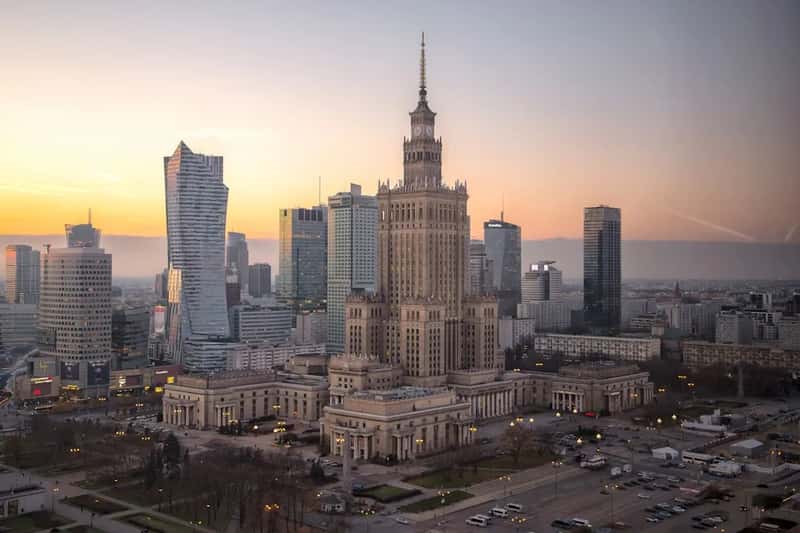
Poland rarely gets mentioned in the same breath as Western Europe’s English-fluent nations, but the country has quietly built itself into a strong performer. Poland now scores in the high proficiency band, part of a broader rise across Central and Eastern Europe driven by EU integration and demand for skilled workers. Visitors heading to Warsaw or Kraków for a weekend trip often expect to lean on translation apps, only to find shop staff and younger locals switching into English without hesitation.
That shift traces back largely to education policy and economic pressure. Poland’s integration into EU labor markets has pushed English instruction earlier into school curricula, and the tech and business sectors in cities like Wrocław and Kraków now operate heavily in English. It’s a case where economic necessity, rather than tourism marketing, has done most of the heavy lifting.
Romania’s underrated fluency levels

Romania rarely appears on lists of English-friendly destinations, yet its EF EPI standing tells a different story. The country sits comfortably in the very high proficiency band with a 2025 score of 605, a result that places it ahead of several countries with far stronger reputations for English education. Bucharest’s tech and outsourcing sectors have played a role here, drawing young professionals into English-heavy workplaces from an early stage in their careers.
Outside the capital, the pattern holds up better than many visitors expect. University towns like Cluj-Napoca and Timișoara have growing international student populations, which keeps English in regular circulation among younger residents. Tourists who arrive expecting rural Transylvania to be a communication challenge often find hostel staff and tour guides handling English with ease.
Slovakia’s understated strength in English education
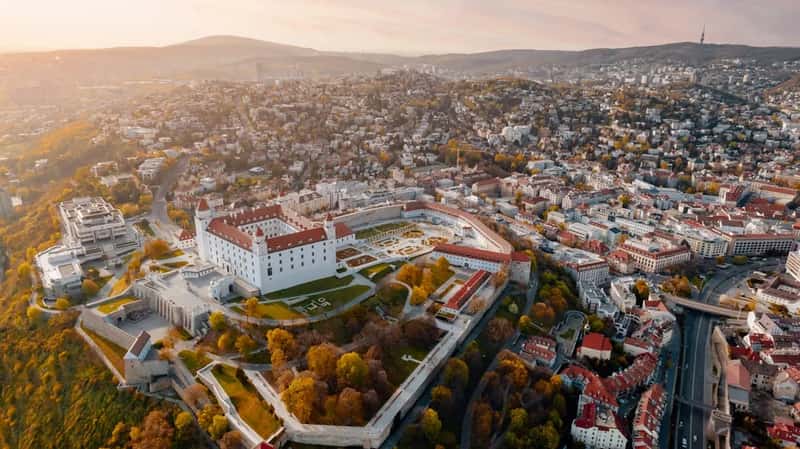
Slovakia doesn’t market itself as an English-speaking destination, and that’s part of why its ranking tends to catch people off guard. The country scored 605 in the 2025 index, placing it firmly in the very high proficiency category alongside far more famous names. Bratislava’s proximity to Vienna has helped, with cross-border commuting and shared job markets pushing English into daily professional life.
Slovak schools have also leaned into English instruction earlier than many neighboring countries, a policy shift that shows up clearly in the data among younger test takers. Travelers passing through on their way to Budapest or Prague often treat Slovakia as a brief stopover, missing just how fluently locals in Bratislava’s cafes and shops can hold a conversation in English.
Kenya’s English fluency rooted in its education system

Kenya stands out on the African continent for reasons that go beyond tourism. English holds official status alongside Swahili, and it remains the primary language of instruction in secondary and higher education across the country. Kenya continues to be strong in this area due to its use of English in education and business, a pattern shared with other standout nations in Asia like the Philippines and Malaysia.
Nairobi’s role as a regional business and tech hub reinforces this further, with English serving as the working language in most corporate and NGO settings. Visitors on safari in the Maasai Mara or exploring coastal towns like Mombasa often expect basic English at best, only to find guides, hotel staff, and shopkeepers speaking with a level of fluency shaped by years of formal education rather than tourism scripts.
South Africa’s high ranking despite regional stereotypes

South Africa’s English proficiency score sits at 602, placing it in the very high proficiency band and tied for 13th globally alongside Zimbabwe. That result surprises many travelers who arrive expecting a patchwork of local languages to dominate everyday interactions. English is one of the country’s eleven official languages, but it functions as the primary language of business, government, and higher education.
Cape Town and Johannesburg operate almost entirely in English for tourism purposes, from safari lodges to wine estates in Stellenbosch. What often catches visitors off guard is not just fluency but the range of accents and code-switching styles, since many South Africans move fluidly between English and one or two other languages within a single conversation.
Malaysia’s practical, business-driven English skills
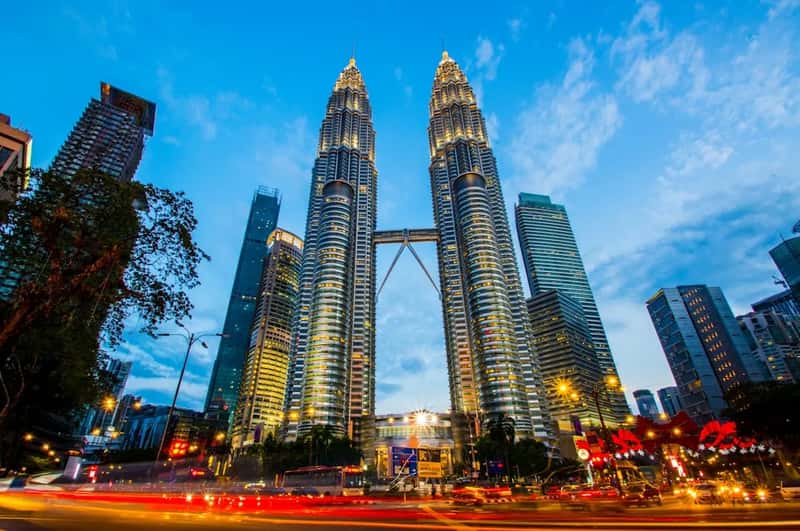
Malaysia occupies a slightly different tier than the European names on this list, sitting in the high proficiency band with a 2025 score of 581. Malaysia continues to perform strongly in Asia due to its use of English in education and business, much like the Philippines and India. English was the language of instruction under British colonial administration and remains deeply embedded in the country’s legal and university systems today.
Kuala Lumpur functions almost like a bilingual city in practice, with English commonly used in retail, hospitality, and professional settings alongside Malay. Visitors who expect Southeast Asia to require constant translation apps often find that Malaysia, more than most of its neighbors, requires very little of that effort at all.
What this pattern says about global English trends
These eight countries share a few common threads worth noting. None of them are native English-speaking nations, yet each has built fluency into daily life through education policy, media habits, economic necessity, or some combination of all three. Croatia’s subtitling culture, Poland’s EU-driven labor market, and Kenya’s colonial-era language policy arrived at similar outcomes through very different paths.
What stands out most is how little tourism marketing has to do with any of it. These countries didn’t become fluent to attract visitors. They became fluent because English serves practical purposes in classrooms, offices, and cross-border commerce, and the tourists who benefit are almost an afterthought. That’s probably the most useful takeaway for anyone packing a phrasebook they may not end up needing.