
This guide walks through the packing mistakes that trip up cruisers most often this year, from misunderstanding fire-safety rules to assuming every cruise line treats alcohol, electronics, and dress codes the same way. None of them do, and that inconsistency is exactly where most vacations start to go sideways before the ship even leaves the dock.
Assuming TSA Rules and Cruise Line Rules Are the Same

Plenty of travelers pack for a cruise the same way they pack for a flight, figuring that if an item cleared airport security once, it will clear cruise terminal security too. That assumption causes more confiscations than almost anything else. As one cruise packing guide bluntly put it, one of the biggest mistakes cruisers make is confusing airline TSA rules with cruise line policies.[1]
The two systems are built for entirely different environments. Airlines worry about what happens in the air for a few hours, while cruise lines are managing thousands of people living together on a floating vessel for a week or more. That difference explains why items like candles, kettles, and certain speakers sail through airport security without a second glance yet get pulled aside the moment they hit a cruise terminal conveyor belt.
Packing a Regular Power Strip or Surge Protector
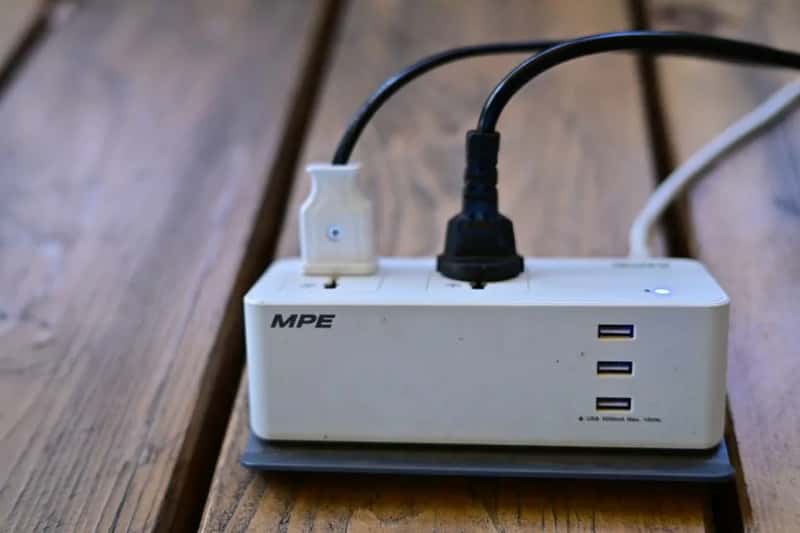
The confusion gets worse because the rules genuinely differ by cruise line. Royal Caribbean banned all power strips in 2024, while Carnival, Princess, and NCL still allow non-surge ones.[3] In fact, since September 2024, Royal Caribbean has banned virtually all multi-plug power strips and outlet extenders that contain AC plug sockets.[4] If you are sailing on Royal Caribbean, the safer bet is a multi-port USB charging block instead, since cabins have limited outlets but usually one to two USB ports built in.[3]
Forgetting That Cruise Lines Do Not All Share the Same Banned List
It is tempting to read one generic “cruise packing list” article and assume the rules apply universally across every ship and brand. They do not, and that mismatch is exactly why so many people get surprised at the gangway. As one detailed breakdown explains, the rules are not the same across cruise lines, since Royal Caribbean banned all power strips in 2024 while Carnival, Princess, and NCL still allow non-surge ones.[3] Door decorations follow a similar pattern, since Norwegian bans every door decoration while other lines allow magnetic ones.[3]
The smartest fix is also the fastest one. Most sites recommend checking the specific list for your own sailing rather than relying on memory from a previous cruise or a friend’s experience on a different line. As one guide notes, checking your specific line’s prohibited-items list before you pack takes roughly four minutes and prevents gangway confiscations entirely.[2] Given that policies like power strips, smart glasses, and door decorations changed within the last two years and keep changing,[3] a quick look at the current rules the week before you sail is worth far more than relying on old packing lists.
Overestimating How Much Alcohol You Can Bring Aboard

Alcohol rules are another area where assumptions cause real problems. Many travelers assume that if wine is allowed at all, quantity does not matter much, but cruise lines enforce strict limits and security has seen every trick in the book. According to industry guides, alcohol policies vary significantly by cruise line, and security has seen every smuggling trick.[2]
Generally speaking, it depends on the cruise line, but most either ban it entirely or limit you to a small amount of wine or champagne at embarkation.[2] If you are hoping to enjoy a bottle with a special dinner, the safest approach is straightforward: bring exactly one sealed bottle per adult and expect a small corkage fee if you drink it outside your cabin.[3] Anything beyond that allowance risks confiscation, and depending on the line, it may not be returned.
Skipping the Dress Code Because “It’s Just a Vacation”
Cruise dining rooms still enforce dress codes more strictly than many travelers expect, and packing only swimwear and casual resort wear is a common regret. As one packing guide points out plainly, you cannot enter a dining room in just a cover-up, and in some cases, you cannot even enter wearing shorts.[1]
This applies to both men and women, though the specifics differ slightly. Guidance suggests that men should bring at least one pair of pants or dark jeans, plus one polo or collared shirt, as some specialty restaurants require this.[1] For women, the rule is similar in spirit: mesh swimsuit cover-ups are fine next to the pool, but something more solid might be required for interior restaurants, even at lunch.[1] Packing even one slightly dressier outfit avoids an awkward turn-away at the dining room entrance.
Packing Fresh Food, Homemade Meals, or Certain Sealed Snacks

Bringing snacks from home feels harmless, but cruise lines and the ports they visit enforce food restrictions that catch people off guard. Rules typically allow pre-packaged snacks, baby formula, dietary supplements, and sealed snacks,[5] while fresh fruit, vegetables, homemade meals, large perishable items, and uncooked meats[5] are prohibited.
International itineraries add another layer of complexity, since customs rules do not stop at the gangway. For example, Australia, New Zealand, and many Caribbean islands strictly prohibit fruits, vegetables, and seeds.[5] Even something as innocent as a piece of homemade banana bread meant as a cabin treat could be confiscated during a port inspection, so it is worth sticking to factory-sealed items only.
Leaving Small Backup Items at Home to Save Space
In an effort to pack light, many cruisers skip small “just in case” items that end up mattering far more at sea than they would on land. Onboard medical centers and shops exist, but they come at a steep premium, since you can get these items on a cruise, but you may need to buy them in the cruise line store at much higher prices, or potentially make an appointment at the medical center, which can mean a significant bill.[1]
A little foresight goes a long way here. Experienced cruisers often suggest that if you use eyeglasses, bring an extra pair with you, or at least an eyeglass repair kit,[1] and some cruisers also bring a dental repair kit, which can be invaluable if you have an issue while at sea.[1] These items barely take up any suitcase space, yet they can save an entire day of your trip if something small goes wrong far from the nearest pharmacy.
Bringing a Drone Without Understanding Where It Can Actually Fly

Drones are a popular packing item for travelers chasing dramatic vacation footage, but the rules around them are more restrictive than most people expect. Policy varies sharply by cruise line, since some lines, like Disney Cruise Line and Princess Cruises, ban them entirely, while others, like Royal Caribbean and Carnival, allow you to bring them on board but strictly prohibit flying them from the ship, at sea, or at private destinations.[4]
Even on lines that permit drones, storage and usage rules are tight. Guidance typically states that if allowed, they must be used only on land at ports of call and stored securely in your cabin when not in use.[4] Bringing a drone assuming you will get sweeping shots of the ship at sea is a guaranteed disappointment, and on some lines, the drone itself may not even be permitted onboard at all.
Ignoring the Fine Print on Electronics Beyond Power Strips
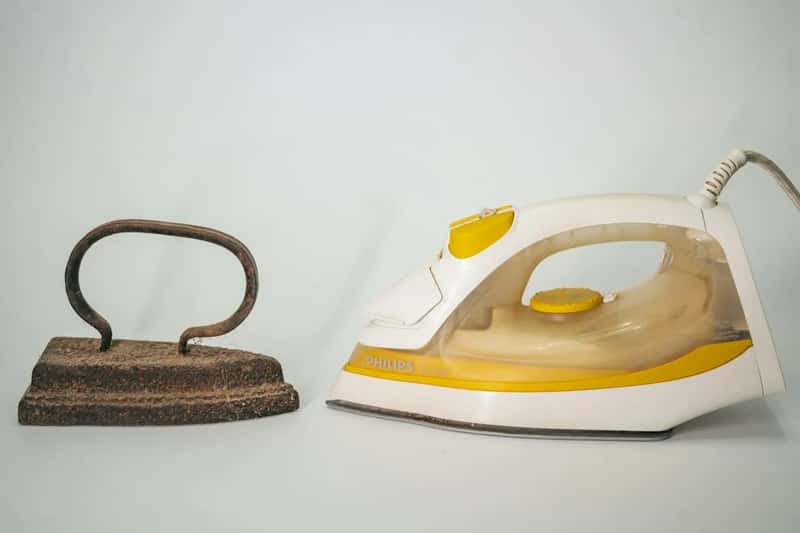
Power strips get most of the attention, but they are not the only electronics that raise flags at the terminal. Items like satellite phones, ham radios, routers, and signal jammers[2] are also commonly prohibited, and Royal Caribbean’s official policy specifically lists baby monitors, clothing irons, garment steamers, extension cords, power strips, multi-plug outlets, HAM radios, cybersecurity devices, and electronic-crime equipment as prohibited.[6]
There are sensible exceptions built into most policies, which helps explain why confusion persists. Royal Caribbean, for instance, allows device and USB chargers marked with a recognized U.S. or European conformity certification, and two-way radios limited to a maximum range of ten miles with internal voice communication only.[6] Personal grooming tools are generally fine too, since personal hair appliances like curling and flat irons are permitted for personal use.[6] The safest approach is treating any electronic item beyond phones, tablets, and standard chargers as questionable until you have confirmed it against your specific line’s list.
Final Thoughts
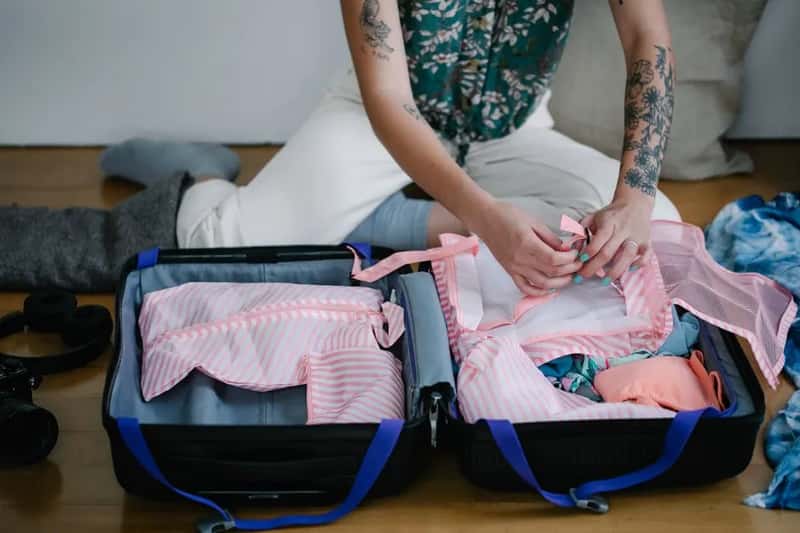
Most cruise packing disasters share the same root cause: assuming one set of rules applies everywhere, when in reality policies shift from line to line and change year to year. The travelers who avoid confiscations, delays, and dress code surprises are the ones who spend a few minutes checking their specific cruise line’s current prohibited items list rather than relying on outdated advice or airline logic.
None of this needs to feel stressful. A little preparation, a quick policy check, and a handful of smart backup items are usually all it takes to keep your 2026 cruise running smoothly from the moment you step onto the gangway. Pack thoughtfully, and the only thing you will need to worry about once onboard is deciding what to order for dinner.