Europe’s busiest places are starting to charge visitors for the privilege, or cap how many can arrive at once. Day trippers pay fees, cruise passengers pay levies, and old town centers now count heads. When a destination has to ration itself, it’s fair to ask whether the experience still matches the postcard.
Travelers have been answering that question in surveys, review analyses and forum polls. None of these sources is a perfect scientific measure, and some are narrower than others. Still, the same names keep showing up, and the reasons behind them are worth a closer look.
Paris, France
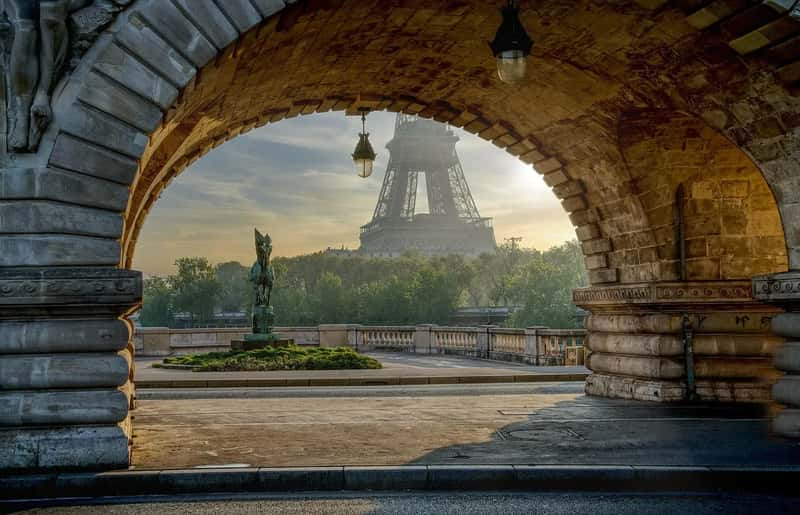
Paris is a good example of a place people love in theory more than in practice. In a Matador Network survey of more than 750 American travelers planning European trips, more than half named it among the cities they were most excited to visit[1]. Yet it also took the top spot for most overrated food city, with 37 percent calling it somewhat or very overrated[1], which is just over a third of respondents.
The complaints often center on queues and cost. A Preply analysis of review portals found that nearly 1,300 reviews of a Paris landmark were negative to very negative, with most criticism focused on long queues[2]. In an informal ResetEra poll from October 2025, Paris collected 390 votes, or 51.9 percent, as the most overrated European city[3]. That’s a forum poll, so treat it as a mood check rather than hard data.
Venice, Italy
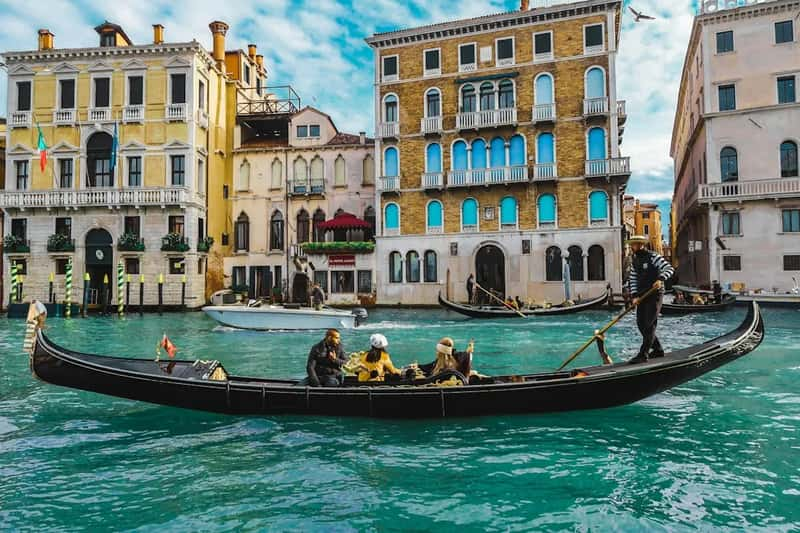
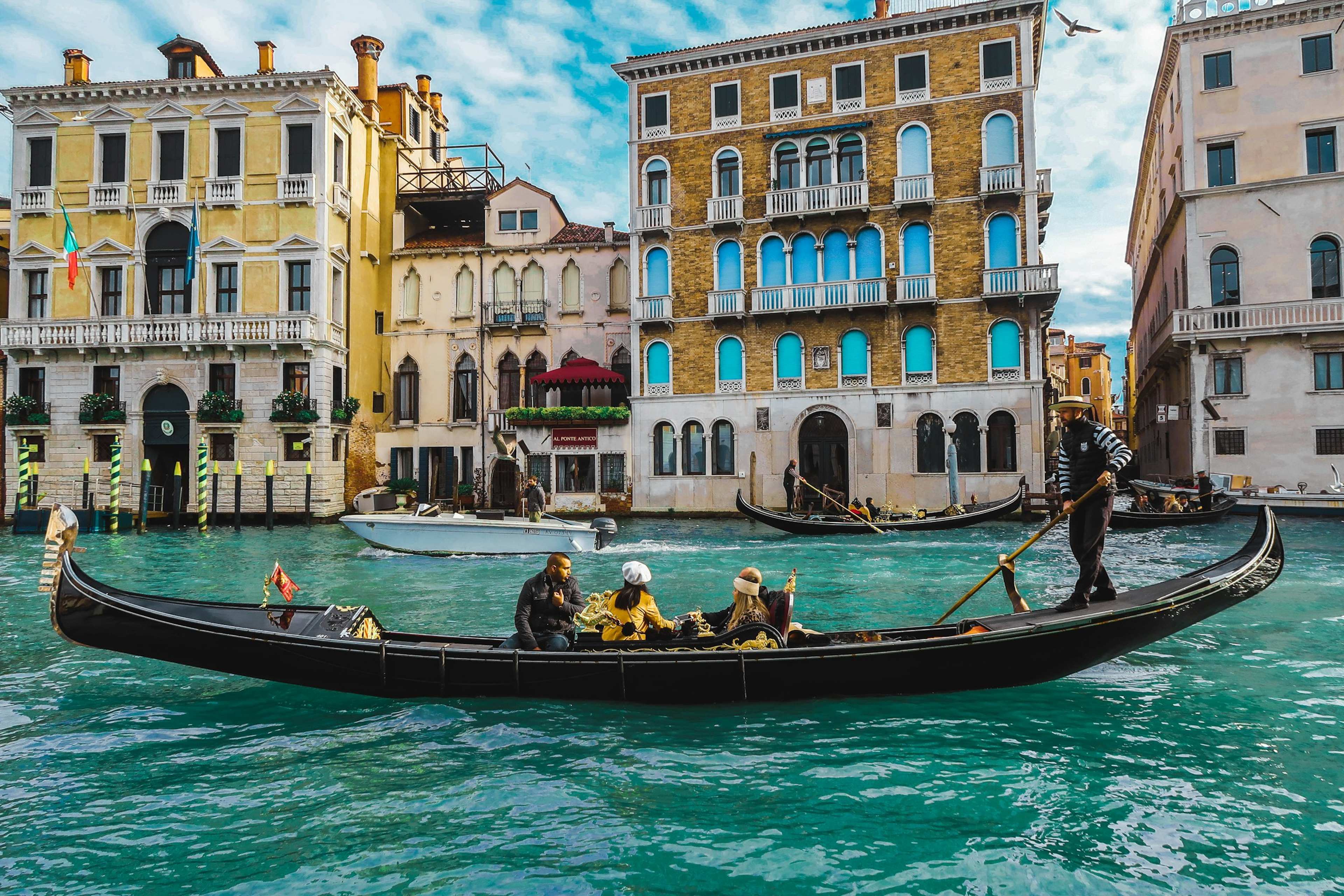
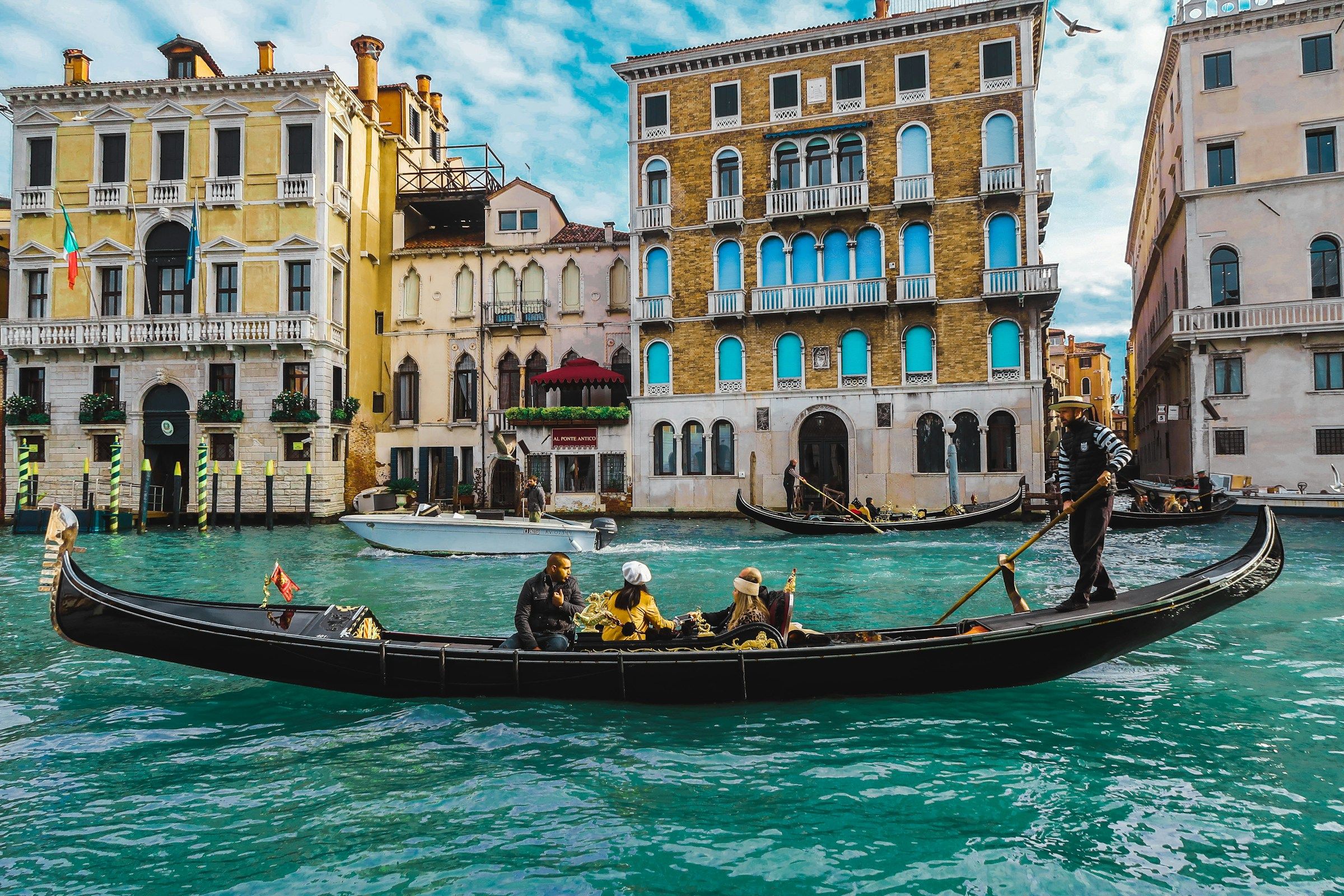
Venice is rarely called ugly. The gripe is about scale. Roughly 30 million people visit each year, many of whom don’t stay overnight[4], and that squeezes a very small historic center. Travelers also point to prices, with one roundup noting that gondola rides cost between €80 and €100[5].
The city has responded with an entry fee for day visitors. It costs €5, rising to €10 for late bookers, and covers 60 days between April and July in 2026, up from 54 days[4]. Early evidence on its effect is mixed: one review of the 2025 trial said it raised €5.4 million but changed crowd levels only modestly[6].
Amsterdam, Netherlands
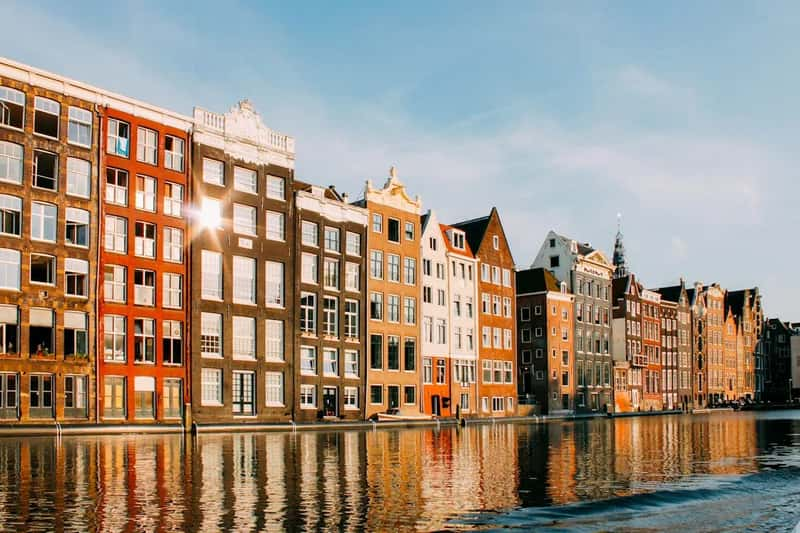
Amsterdam’s problem is partly a reputation problem. Many visitors arrive for a narrow slice of the city, then leave feeling they’ve seen all of it. One review of the city’s hotspots says the Red Light District and main canals can be nearly impossible to navigate without bumping into crowds[5].
The numbers help explain the frustration. The city draws around 20 million visitors a year[7], and it has announced a ban on new hotels and plans to halve the number of river cruise ships within five years[7]. In the Matador survey, roughly 20 percent of respondents felt its food scene was overrated[1], about one in five.
Barcelona, Spain
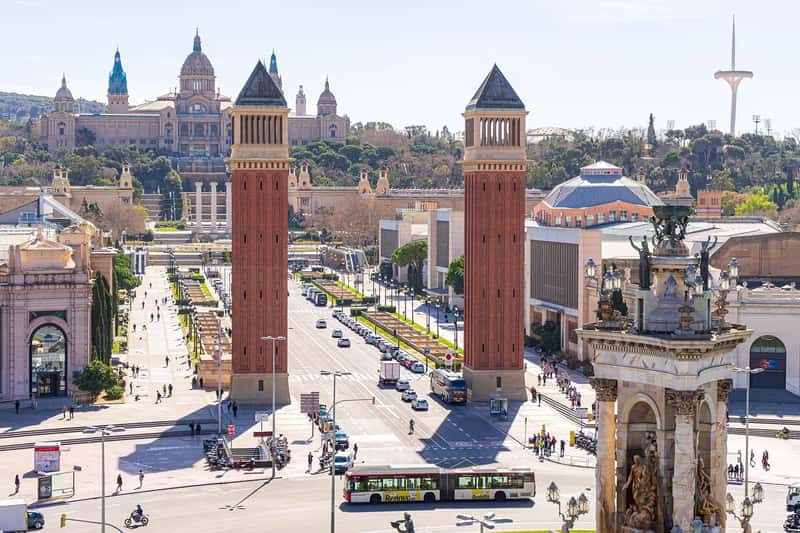
Barcelona gets a split verdict, and the split is useful. The city itself holds up well on food, since a majority, 55.8 percent, said it was exactly as good as they expected[1]. The sore spot is one famous street.
La Rambla keeps landing on disappointment lists. A Euronews study found travelers often feel frustrated by the overwhelming number of tourists, high prices and pickpockets[8]. Preply’s review analysis likewise counted Las Ramblas among the most disappointing attractions, with negative feedback across more than 1,200 reviews[2].
Santorini, Greece
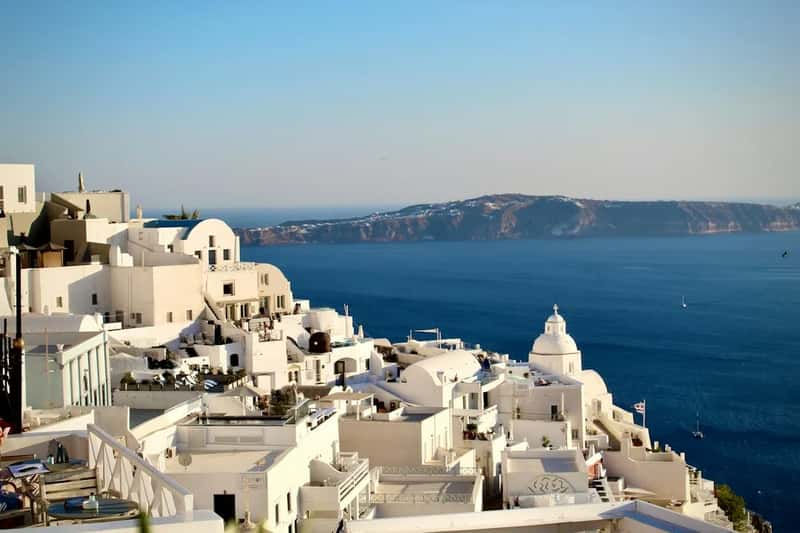
Nobody disputes the caldera views. The mismatch shows up when travelers expect something quiet and affordable. One guide describes it as a case of booking a simple, inexpensive beach escape and finding something else[9].
Crowding got serious enough that Greece stepped in. In 2025 the island enforced a limit of 8,000 cruise passengers a day, down from a previous peak of 17,000[10]. Greece also began charging 20 euros per cruise passenger at popular islands like Santorini and Mykonos[11], and reporting noted that Santorini continues to battle overcrowding, traffic, water shortages and pollution[11].
Dubrovnik, Croatia
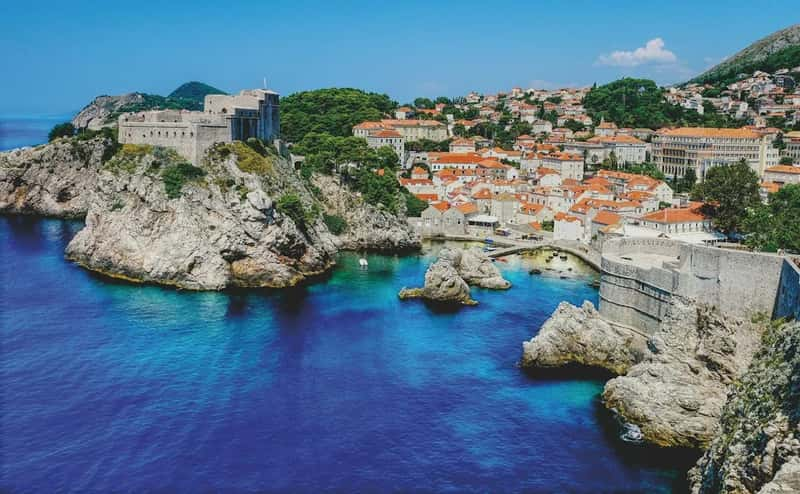
Dubrovnik’s walls and seaside setting are spectacular, and that’s part of the trouble. Travel writers often tie its surge in popularity to Game of Thrones, which one guide says turned a hidden gem into a cruise ship destination[12]. The crowds now arrive mostly in daytime waves.
The city has tried to manage the flow for years. Its Respect the City program reportedly allows no more than two cruise ships at one time and a peak of 4,000 simultaneous guests inside the walled Old Town[13]. For a place that compact, even that ceiling can feel full on a summer afternoon.
Rome, Italy
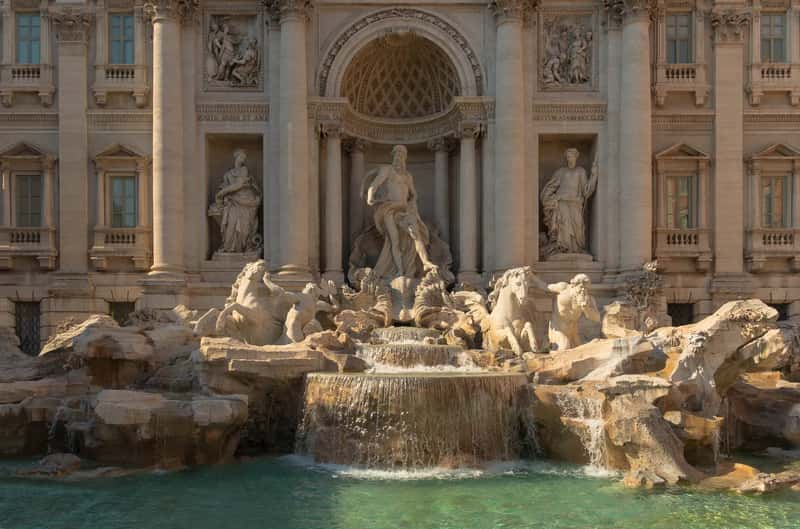
Rome’s critics aren’t saying it lacks history. They’re saying the main sights can feel like a scrum. One roundup calls it a chaotic tourist magnet with long lines at every major attraction[5].
Food is another sore point near the big landmarks. The same roundup claims that tourist restaurants often charge double, and even gelato can be overpriced in main areas[5]. The Trevi Fountain also appears among the landmarks flagged in a list of 17 overrated European tourist traps[14], alongside the Eiffel Tower.
Small Landmarks With Big Reputations
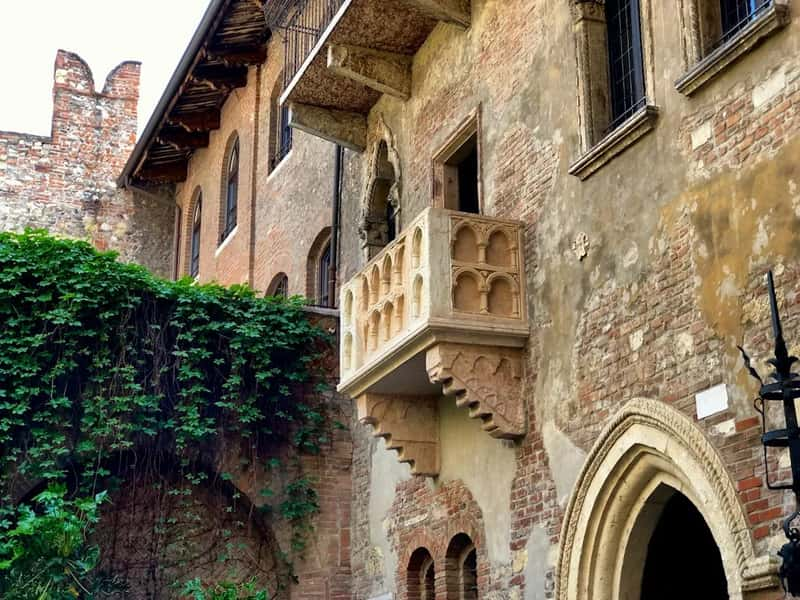
Some of the sharpest letdowns come from stops that take five minutes. Verona’s Juliet’s Balcony tops one 2026 list, and the reason is historical: Shakespeare never visited Verona, and the balcony appeared only in the 1930s as a tourist attraction[15]. Prague’s astronomical clock draws a similar reaction, since many tourists said the hourly performance is too short and monotonous[8].
Statues take their share of disappointment too. Copenhagen’s Little Mermaid, unveiled in 1913, drew over 1,200 comments calling it overrated, with many people unhappy about its small size and less picturesque backdrop[2]. Paris’s Moulin Rouge, meanwhile, strikes many surveyed tourists as too commercialized, with expensive shows of uneven quality[8].
Where Travelers Point Instead
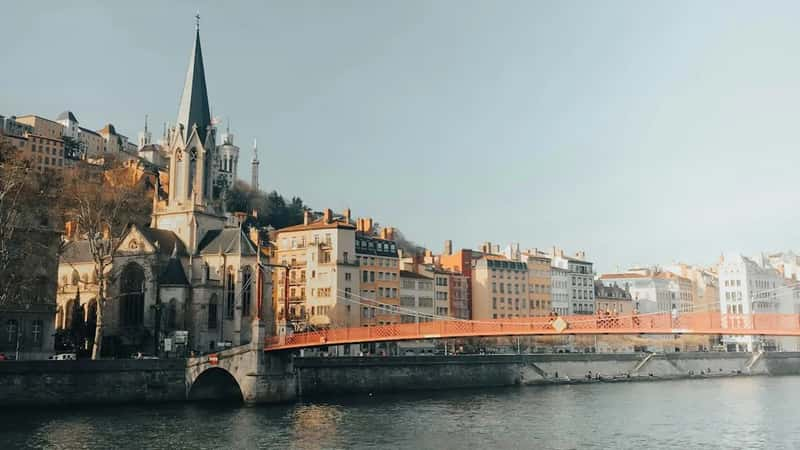
Writers who list the overrated spots usually suggest a quieter swap. For Paris, one guide recommends Lyon, which it describes as more relaxed and authentic without the overwhelming crowds[16]. For Amsterdam, the usual alternatives are Haarlem, a quieter Dutch town with canals and windmills, or Friesland in the north.
Timing matters as much as location. One data focused guide says Venice is still worth visiting off season, from November to February, and beyond the main tourist routes[12]. Other suggested underrated stops include Ljubljana, Ghent and Turin, the last known for grand squares, historic cafés and the Museo Egizio.