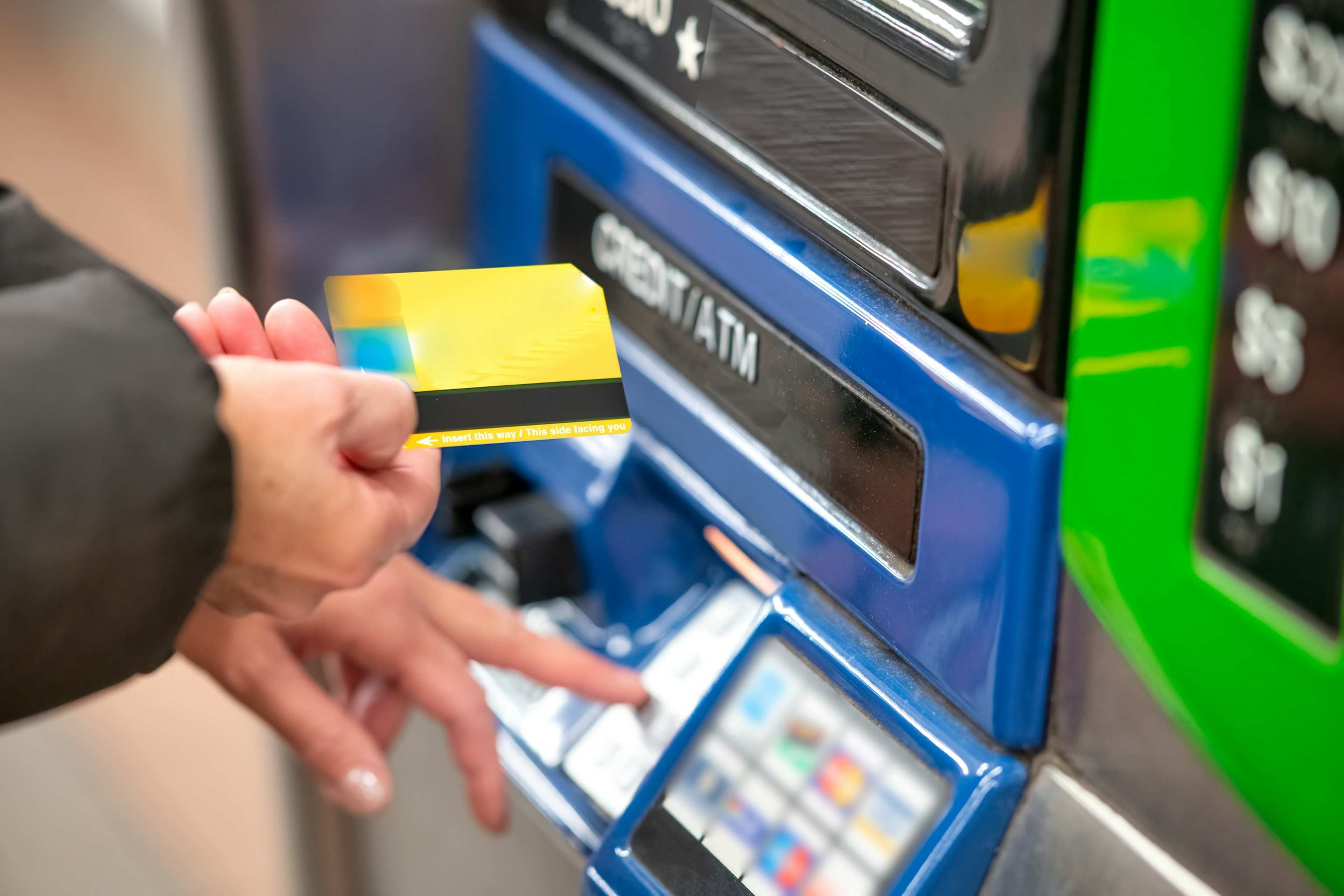
Airports have always been hubs of activity, yet in 2026, they’re becoming focal points for a different kind of danger. Travelers rushing to catch flights now face invisible threats lurking in charging stations and tracking devices smaller than a coin. On March 5, 2025, the U.S. Transportation Security Administration (TSA) posted a public service announcement warning that “Hackers can install malware at USB ports.” Meanwhile, the use of GPS trackers in coercive control and stalking cases rose by 317% between 2018 and 2023 – from just 52 cases to 217. These twin threats represent a new frontier in cybersecurity concerns for the millions who pass through terminals each year.
While some security experts debate the actual prevalence of these attacks, the warnings from federal agencies and law enforcement paint a concerning picture. The convergence of increasingly sophisticated technology with opportunistic criminals has created an environment where a simple decision to charge your phone or track your luggage can have serious consequences. Understanding these threats isn’t about paranoia, it’s about staying informed in an evolving digital landscape.
Understanding Juice Jacking: The Charging Port Attack
Juice jacking is a cyberattack that uses a compromised USB charging port or cable to infect a phone, tablet, or computer with malware or steal data while the device is charging. The term itself combines the concept of “juicing up” your device with the malicious act of hijacking it. Juice jacking exploits are successful because the same port used to charge a device also transfers data. This dual functionality creates a vulnerability that attackers can exploit at airports, hotels, shopping centers, and anywhere public USB ports are available.
ChoiceJacking is a proof-of-concept attack described in a 2025 report by researchers from Austria’s Graz University of Technology and A-SIT (Secure Information Technology Center – Austria). This new variant demonstrates how attackers can interact with devices to enable data transfer without users accepting it. Major airports are taking these concerns seriously, with the Wayne County Airport Authority confirming that all public charging stations at Detroit Metropolitan Wayne County Airport are power-only and not connected to any data networks. Still, the threat persists in less regulated environments.
The Reality Behind Juice Jacking Warnings

Despite widespread warnings, the actual threat level remains a subject of debate among cybersecurity professionals. According to Tom Kirkham, founder of Kirkham IronTech, there have been no confirmed cases of juice jacking in the wild, with “lots of academic studies and demos, but no real-world victim reports that pass scrutiny.” A 2023 Ars Technica investigation concluded there were “no documented cases” of public charging-station juice jacking on modern iOS or Android devices and that federal advisories had recycled one another without new evidence. This discrepancy between official warnings and documented incidents has created confusion among travelers.
However, the lack of confirmed cases doesn’t mean the threat is nonexistent. As of writing in February 2026, there are no incident reports, no arrests, and no malware campaigns traced back to public charging stations, though that absence of evidence matters after more than a decade of widespread smartphone use. Modern smartphones have built-in protections requiring users to approve data transfers, making indiscriminate attacks more difficult. Yet researchers continue to demonstrate theoretical vulnerabilities, suggesting that while the risk is currently low for average travelers, the attack vector remains technically possible for highly targeted scenarios.
AirTag Stalking: When Tracking Devices Turn Sinister
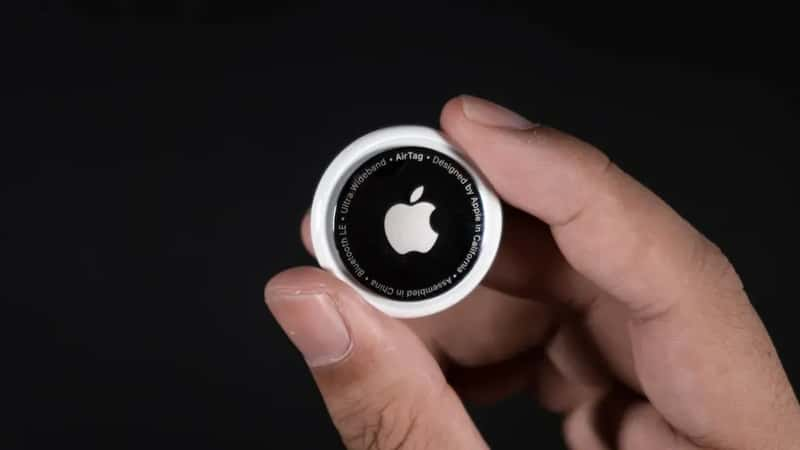
In 2021, Apple unveiled the AirTag, a tiny disc-shaped device designed to help people keep track of their belongings, but by 2024, AirTags have become the weapon of choice of digital stalkers and abusers, with cases rocketing by 317%. These small tracking devices use Apple’s Find My network to help locate lost items, but their effectiveness has made them popular tools for those with malicious intent. Officers say they found an AirTag taped underneath a couple’s car and believe the suspects planted it to track their location in a robbery case investigated by the Hillsborough County Sheriff’s Department in Florida.
More than 100 charges have been filed this year alone, marking the highest spike since AirTags hit the market. The problem extends beyond criminal activity to domestic situations. Of 150 total police reports mentioning AirTags, in 50 cases women called the police because they started getting notifications their whereabouts were being tracked, and 25 could identify a man in their lives – ex-partners, husbands, bosses – who they strongly suspected planted the AirTags. These cases reveal how easily accessible technology designed for convenience can be weaponized for surveillance.
How AirTag Abuse Actually Works in Airports

Airports present unique opportunities for AirTag misuse due to the chaos of travel and the volume of people moving through terminals. AirTag stalking happens when someone secretly places the small tracking device among your personal belongings, like inside your car, purse, or backpack, to track your location without consent. These small devices use Bluetooth to communicate with nearby iPhones within the Find My network, providing a range of about 30-100 feet, and any nearby iPhone can detect the AirTag’s signal and relay its location. This means an AirTag hidden in luggage can provide real-time location updates as it moves through crowded terminals.
Notifications about unknown AirTags can take anywhere from 30 minutes to nine hours to come in, with alerts coming more quickly at night or when users were within 4 meters of the main device, and Apple also sent alerts more quickly when users were in a place they frequent like their home or work. These delays create windows of vulnerability where tracking can occur undetected. Researchers also found it’s possible for users to reconfigure AirTags to bypass these safety methods, allowing people to be around an unknown AirTag for months without ever receiving an alert. This technical manipulation makes detection even more challenging for potential victims.
Airport Cybersecurity: A Broader Landscape of Threats

In 2025, the commercial aviation industry faced the highest number of cybersecurity risks, with the aviation industry seeing a 24% increase in cyber attacks, with 52 reported in 2020, 48 in 2021, and 55 in 2022. These broader threats to airport infrastructure underscore why individual traveler security has become such a pressing concern. According to a Journal of Transportation Security study, around 65% of the attacks target airports and 35% hit airlines. The digital transformation that makes modern airports efficient has also expanded the attack surface for cybercriminals.
A ransomware attack against Collins Aerospace severely disrupted operations at multiple European airports in September 2025, impacting the Muse software used by Collins Aerospace, which meant that multiple airlines were impacted and only manual check-in was available, causing major delays. These large-scale incidents demonstrate that juice jacking and AirTag stalking are part of a larger ecosystem of digital threats facing travelers. Airports are ramping up cybersecurity in 2025 as digital threats like ransomware become a top concern across the industry, with 9 in 10 airport leaders ready to invest in stronger cyber protection. This investment reflects the growing recognition that protecting travelers requires comprehensive security measures.
Protecting Yourself: Practical Steps for 2026 Travelers
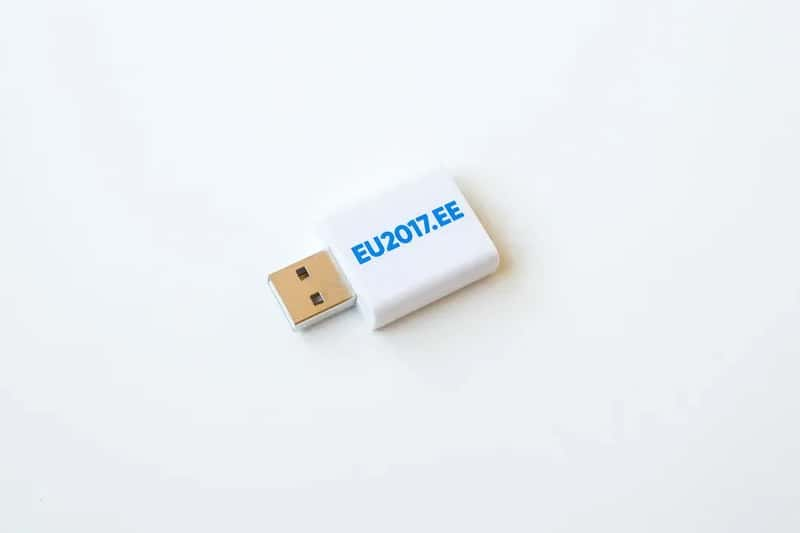
Protection against juice jacking starts with simple precautions. The most straightforward way to avoid juice jacking is to use your own charging cables and power adapters, and by plugging into a standard electrical outlet rather than a public USB port, you eliminate the risk of data theft or malware installation. A USB data blocker, also known as a “USB condom,” is a small adapter that fits between your USB cable and the charging port, allowing power to flow through but blocking any data transfer. These inexpensive devices provide an additional layer of protection for travelers who must use public charging infrastructure.
For AirTag concerns, awareness and vigilance are key. If you have an iPhone, when an AirTag that does not belong to you appears to be moving with you for a period of time, your phone will display a message that says “AirTag Found Moving With You,” and you can tap that alert to make the tag play a sound so you can locate it. Stalking is a crime, and police can trace the AirTag’s serial number back to its owner. Taking these notifications seriously and reporting them to authorities can help prevent escalation. Regular physical checks of vehicles, bags, and personal belongings can also reveal hidden tracking devices before they cause harm.