Planning a trip should spark excitement, but certain U.S. destinations have travelers thinking twice. Whether it’s rising crime rates, deteriorating infrastructure, or simply the hassle outweighing the attractions, some cities just don’t make the cut anymore. Here’s the unfiltered reality about places travelers are increasingly avoiding in 2026.
Memphis, Tennessee – Music City’s Troubled Tune
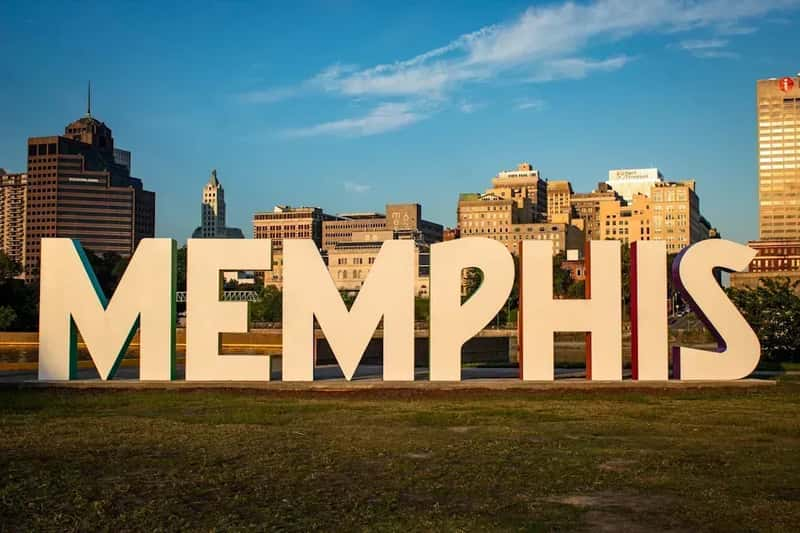
Memphis gave us Elvis, blues legends, and world-class barbecue. Yet today’s visitors face a different soundtrack: crime statistics that regularly place it among America’s most dangerous cities. The city holds the highest total crime rate among major American cities at 9,400.3 incidents per 100,000 residents, though recent improvements are noteworthy.
Overall crime reached a 25-year low in 2025, with robbery, burglary, and larceny also reaching 25-year lows, while murder hit a six-year low and aggravated assault a five-year low. Still, many travelers report feeling uneasy, especially after dark in certain neighborhoods. The question becomes whether a few hours on Beale Street justifies navigating the elevated safety concerns that persist throughout much of the city.
Detroit, Michigan – Motor City’s Stalled Reputation
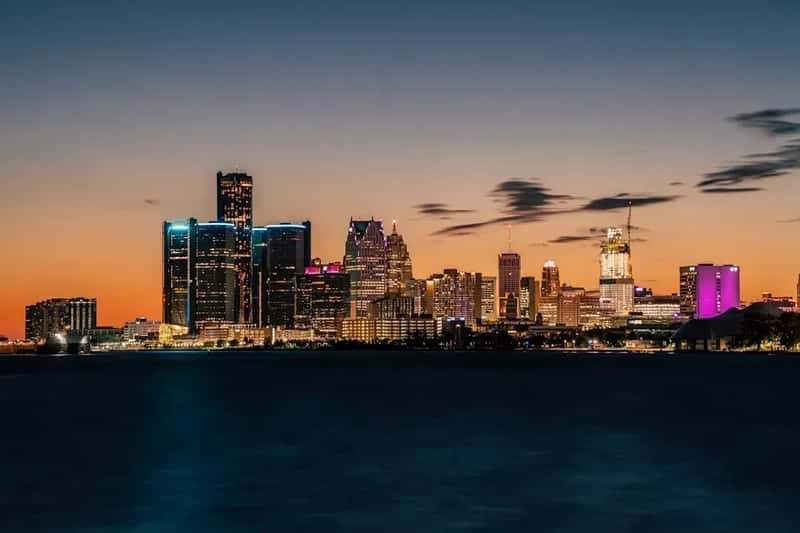
Detroit struggles to shake its reputation despite genuine progress. The city recorded 1,284 violent crime incidents per 100,000 residents in 2023, down 31 percent from 2012, but still four times the national median. Time Magazine named it one of the “World’s Greatest Places” in 2022, recognizing its cultural resurgence and automotive heritage.
Here’s the thing: downtown areas like Corktown and Midtown are genuinely improving, with restaurants, museums, and revitalized spaces. The problem is perception versus reality. Detroit’s violent crime rate is six times higher than the national average, and crime problems remain significant, making it crucial to avoid dangerous neighborhoods. Honestly, most tourists won’t encounter the worst of it if they stick to daylight visits and well-traveled routes.
Baltimore, Maryland – Harbor Views with Hidden Dangers

Baltimore mixes waterfront beauty with a vibrant arts scene, but it remains one of America’s more challenging cities, with crime affecting certain neighborhoods heavily. The Inner Harbor and National Aquarium draw families seeking maritime attractions and cultural experiences, yet the city’s reputation for violent crime casts a persistent shadow.
Travelers report feeling genuinely conflicted about Baltimore. The historic neighborhoods and Chesney charm are real, but so are the safety concerns that make visitors constantly check their surroundings. Families drawn to the Inner Harbor or National Aquarium should stick to those popular spots during daylight when activity is high. It’s hard to relax when you’re always on guard.
St. Louis, Missouri – Gateway to Crime Statistics
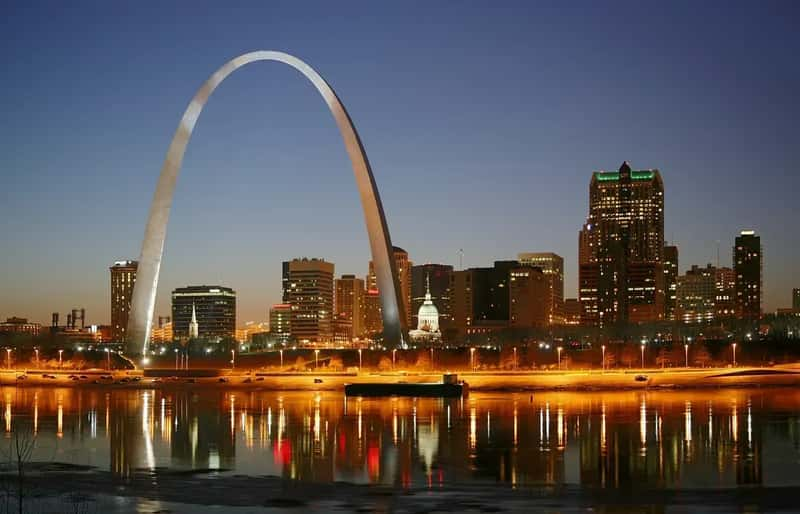
The Gateway Arch stands as an iconic American landmark, drawing visitors to this Mississippi River city. Yet St. Louis consistently ranks among the nation’s most dangerous cities, with crime rates that make even seasoned travelers pause. St. Louis blends architectural icons and deep cultural history, but safety often dominates conversations about the city, with crime rates in certain neighborhoods making after-dark exploration risky.
Forest Park, the City Museum, and the arch itself remain worthwhile attractions. The problem isn’t the destinations themselves but the anxiety that accompanies getting between them. Many visitors report feeling more comfortable during daytime hours with planned itineraries that minimize wandering.
New Orleans, Louisiana – Party Atmosphere with a Price
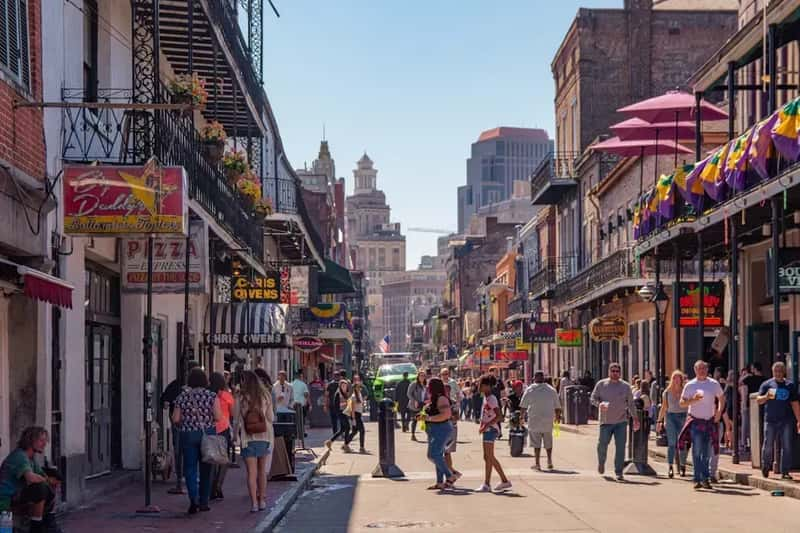
New Orleans draws millions with its jazz rhythms, food culture, and colorful festivals, yet its reputation for crime is real, with the French Quarter buzzing with energy but late-night alleys or dim side streets demanding caution. The city’s cultural richness is undeniable, from Bourbon Street revelry to Garden District mansions.
The challenge comes with balancing enjoyment against genuine risk. Pickpocketing and petty theft are common, especially during Mardi Gras and other major events when crowds swell. Teen visitors with families should stay in groups and avoid showing expensive devices in public, with street parades and well-known restaurants offering plenty of safe fun if experienced with awareness. Let’s be real: the city’s magic is worth experiencing, but only with eyes wide open.
Cleveland, Ohio – Rock Hall Fame, Safety Concerns
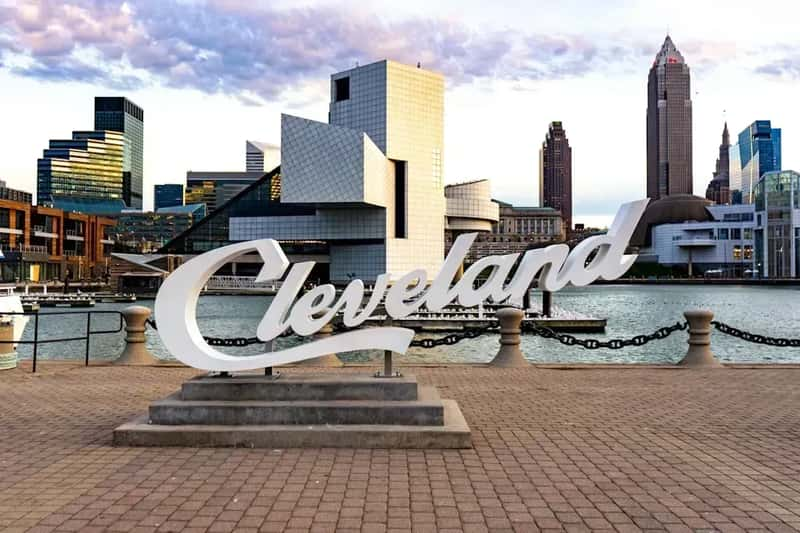
Cleveland shines with attractions like the Rock & Roll Hall of Fame and the Cleveland Museum of Art, but uneven safety records shape visitor experiences, with some districts struggling with high crime. The lakefront development and cultural institutions represent genuine progress, yet many neighborhoods continue facing significant challenges.
Visitors who stick to the well-trodden tourist path generally have positive experiences. The issue arises when curiosity leads travelers beyond those boundaries. Crime trends shift quickly across different areas, making pre-trip research essential rather than optional.
Albuquerque, New Mexico – Breaking Bad’s Lingering Shadow
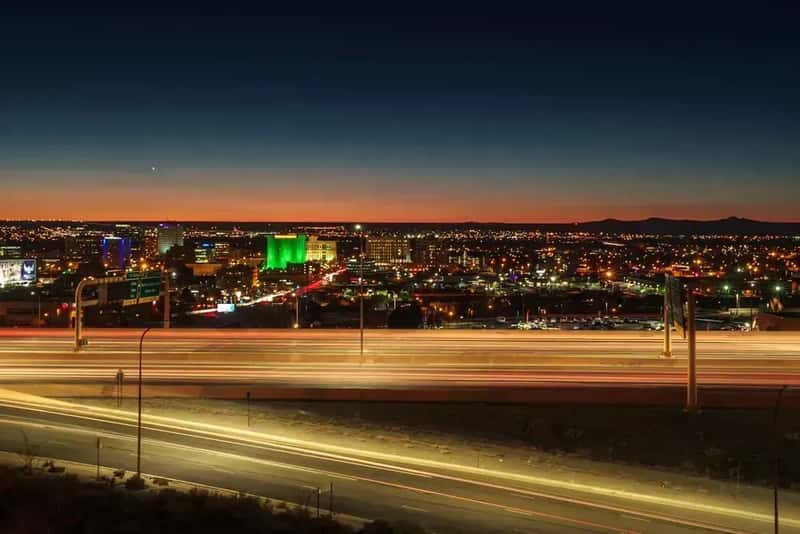
The hit series “Breaking Bad” put Albuquerque on the pop culture map, but many visitors arrive to find a city struggling with property crime and violent incidents that exceed national averages. The balloon fiesta draws massive crowds annually, and the Sandia Peak tramway offers stunning views. Yet crime statistics paint a concerning picture that tourists can’t ignore.
The city’s sprawling layout means crime isn’t concentrated in one avoidable area. Instead, it’s scattered throughout, making it difficult for visitors to navigate safely without extensive local knowledge. Many travelers report feeling disappointed that the city’s natural beauty and cultural heritage come with such significant safety trade-offs.
Oakland, California – San Francisco’s Overlooked Neighbor

Oakland sits in the Bay Area’s shadow, often bypassed by tourists heading to San Francisco. Those who do visit discover a city with remarkable diversity, innovative food scenes, and cultural richness. However, Oakland’s crime rates remain stubbornly high, with vehicle break-ins so common that rental car companies issue specific warnings.
The frustrating reality is that Oakland has incredible offerings, from Jack London Square to the Oakland Museum of California. Visitors just need to accept that extra vigilance isn’t optional. Leaving nothing visible in parked cars isn’t paranoia; it’s standard operating procedure. For many travelers, that constant wariness becomes exhausting.
Birmingham, Alabama – Civil Rights History, Current Struggles
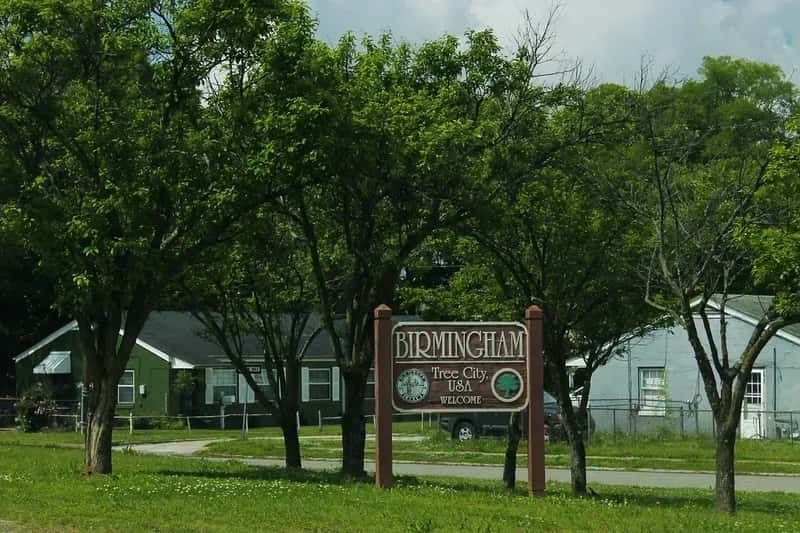
Birmingham’s civil rights landmarks tell essential American stories that deserve attention. The 16th Street Baptist Church and the Birmingham Civil Rights Institute offer profoundly moving experiences. Yet the city faces modern challenges with violent crime rates that give travelers legitimate pause.
Many visitors report feeling conflicted, wanting to honor the city’s historical significance while navigating present-day safety concerns. The museums and memorials are powerful and worth seeing, but the surrounding context makes trip planning more complicated than it should be.
Stockton, California – California’s Struggling Valley City
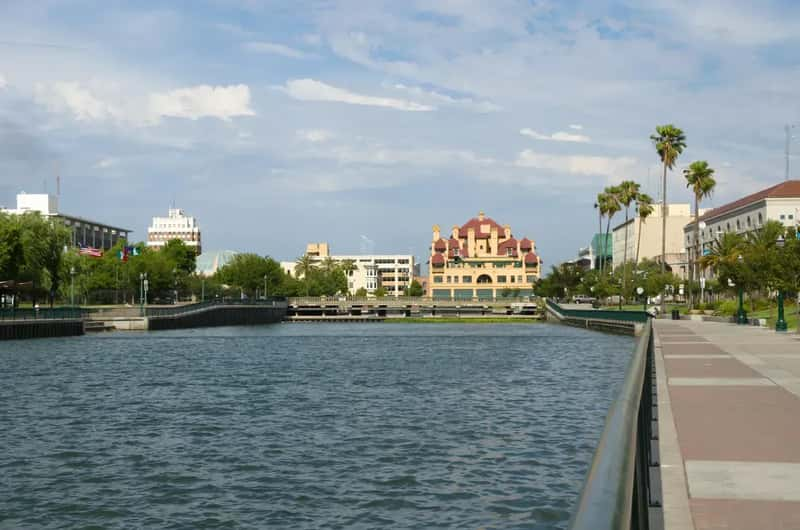
Stockton became the largest U.S. city to declare bankruptcy in 2012, and recovery has been slow and uneven. Located in California’s Central Valley, roughly between San Francisco and Sacramento, it sees few tourists deliberately choosing it as a destination. Those who pass through often encounter higher crime rates than in neighboring communities.
The city lacks the attractions that would offset its safety concerns. Unlike New Orleans or Detroit, where cultural offerings provide compelling reasons to visit despite risks, Stockton offers little to justify the hassle. Most travelers who end up there do so out of necessity rather than choice.
Camden, New Jersey – Philadelphia’s Troubled Neighbor
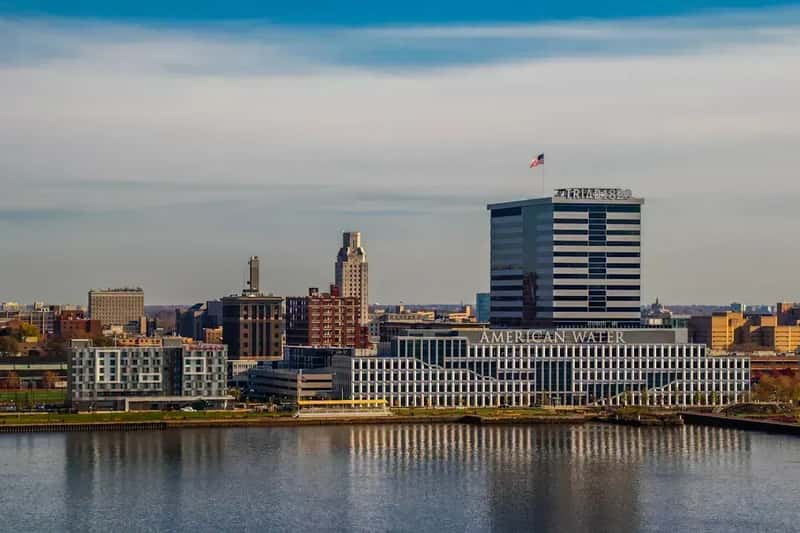
Camden sits directly across the Delaware River from Philadelphia, connected by the Benjamin Franklin Bridge. Despite its proximity to a major tourist destination, Camden has long struggled with poverty and crime. The waterfront area has seen investment, including the Battleship New Jersey museum and the Adventure Aquarium.
Still, few travelers venture beyond those specific attractions. The city’s overall crime statistics remain among the worst nationally, making it a place most visitors quickly exit after seeing whatever brought them there in the first place. It’s unfortunate because revitalization efforts deserve support, but tourist dollars naturally flow to places where safety feels less uncertain.
Final Thoughts on America’s Challenging Destinations

These eleven cities tell complex stories about American urban challenges, economic shifts, and the ongoing struggle between revitalization and decline. Crime statistics don’t tell the complete story; behind every number are communities working to improve their circumstances. Many of these cities contain neighborhoods that are perfectly safe and residents who live normal, fulfilling lives.
Yet for travelers making choices about limited vacation time and budgets, safety matters. The destinations on this list face real perception problems rooted in genuine statistics. Progress is happening in many of these places, particularly in Memphis and Detroit, where recent crime reductions show meaningful improvement. Whether that progress will continue and eventually shift these cities off travelers’ no-go lists remains to be seen. What do you think – would you give any of these destinations a chance, or are the risks just not worth it?