There’s something unsettling about arriving somewhere you’ve dreamed of visiting for years only to find yourself swept into a relentless tide of selfie sticks and tour groups. It’s that moment when you realize the place on your bucket list might not actually resemble the postcard anymore. It’s turned into something else entirely.
Cities around the world are wrestling with this phenomenon. The locals are fed up, infrastructure is buckling, and honestly, even the tourists themselves aren’t having the experience they hoped for. We’re talking about overtourism, a term that didn’t exist a decade ago but now defines the reality of some of the world’s most beloved destinations.
Let’s be real here. These aren’t places losing their appeal overnight. They’re being slowly worn down by the sheer weight of visitor numbers that their streets, services, and communities simply weren’t built to handle. So let’s get started and look at seven iconic cities where travelers themselves are saying the magic has faded.
Venice: The Floating City That’s Sinking Under Tourist Feet
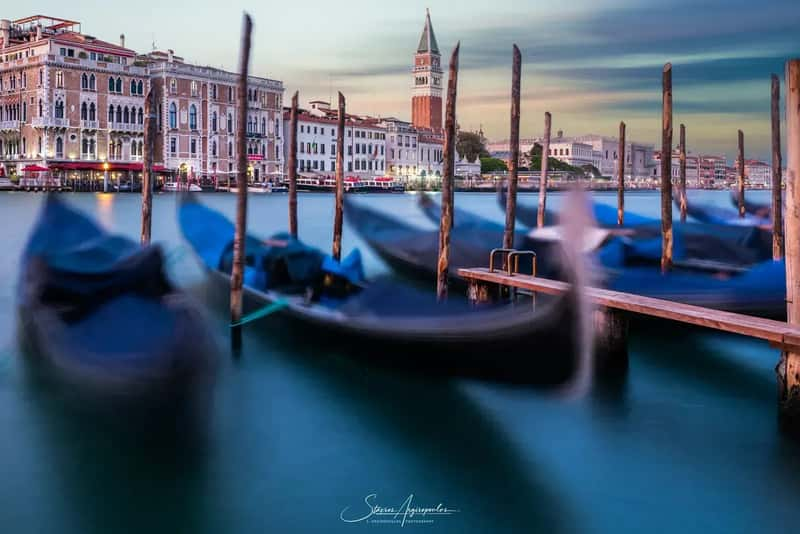
On the busiest day in 2025, nearly 25,000 visitors paid the daytripper fee, a striking number equivalent to over half the resident population. Think about that for a moment. A city with fewer than 49,000 residents left in its historic center, yet on peak days it’s flooded with tens of thousands of day visitors alone.
The population has dropped from about 174,000 in the 1950s to around 49,000 today due to high living costs and tourist accommodation replacing residential areas, with tourists outnumbering residents on peak days. Venice now has more tourist beds than actual residents, and that tells you everything you need to know about a city losing its soul.
Venice made global headlines in April 2024 as the first city to impose a €5 entry fee for day visitors, with plans to expand the tourist tax to €5-€10 in 2026. In 2025, a total of 723,497 visitors paid Venice’s daytripper fee resulting in revenue of €5,421,425, though the daily average number of visitors was only slightly less than the previous year. The fee hasn’t really stopped the crowds. It’s just generated revenue.
Walking through San Marco feels less like exploring a historic wonder and more like navigating a theme park during peak season. Locals have staged mock funerals for their dying city, and residents are leaving in droves because life there has become unbearable. Venice is the poster child for what happens when tourism becomes the only game in town.
Barcelona: Where Water Guns Became Protest Weapons
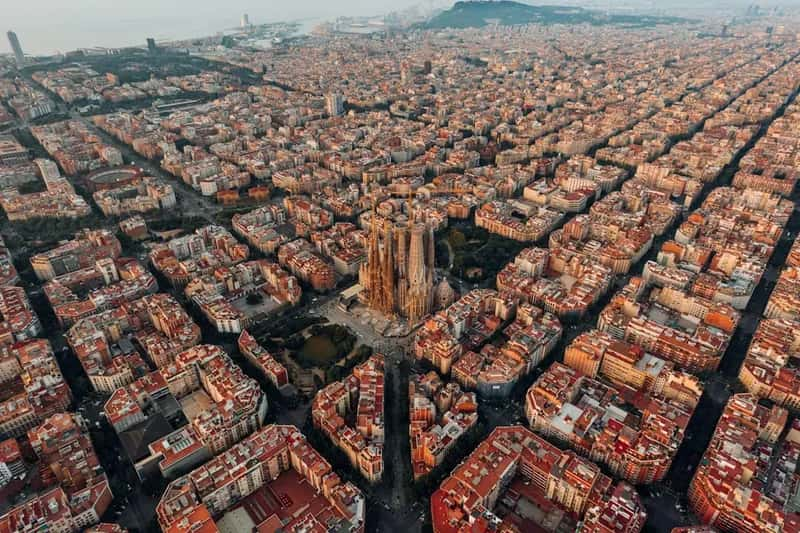
The images went viral pretty quickly. In the summer of 2024, after years of enduring the pressures of overtourism, locals in Barcelona ramped up their protest, with thousands gathering to chant “tourists go home,” with a small group armed with toy water pistols squirting them at visitors seated in outdoor cafes. It sounds almost comical until you understand the desperation behind it.
With a staggering 32 million annual visitors and a population of just 1.6 million, Barcelona has become a poster child for overtourism. That means roughly twenty tourists for every single resident annually. Housing has become unaffordable for locals, and entire neighborhoods now cater exclusively to visitors rather than the people who actually live there.
Barcelona announced plans to eliminate all tourist rentals by 2028, while Valencia’s inspections of tourist apartments increased by 454 per cent in 2024, with the closure of 278 illegal residences already ordered. The city is taking drastic measures, yet travelers are noticing that the authentic Barcelona experience they came for has already vanished.
Over the course of 2024, 94 million tourists visited Spain, compared to its 48 million population. The sheer mathematics of it all paints a stark picture. Barcelona once embodied a perfect blend of culture, architecture, and Mediterranean lifestyle. Now it’s struggling to remain livable for its own residents.
Amsterdam: The Party’s Over, Literally
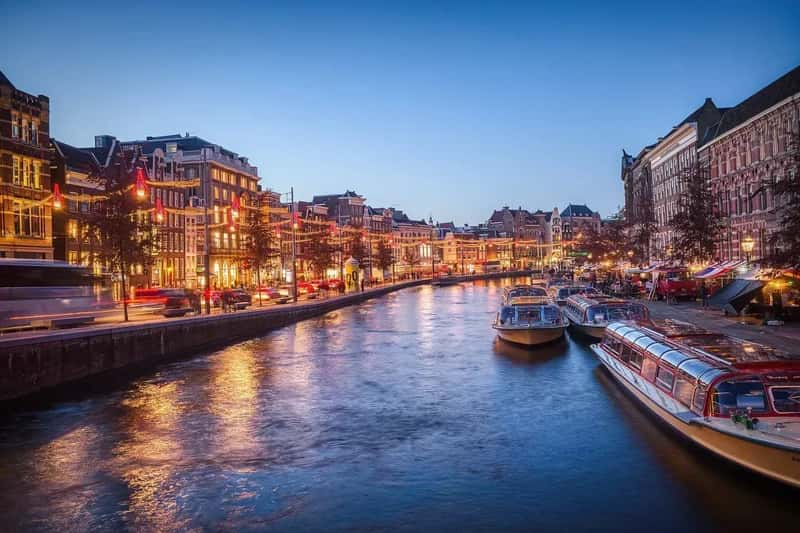
Amsterdam has had enough. The Dutch city plans to limit cruise ships in its harbor to just 100 in 2026, down from 190 currently, before banning them outright by 2035. That’s not a small adjustment; that’s a city drawing a hard line in the canal water.
The city banned new hotel construction in 2024 unless another hotel closes, and it’s stopped issuing permits for souvenir shops in the city center. They’re literally trying to make the place less attractive to tourists. That’s how dire things have gotten.
What was once a charming canal city known for its art museums, cycling culture, and liberal atmosphere has become synonymous with bachelor parties and cannabis tourism. Locals can’t get on their own public transport because it’s packed with tourists hauling luggage, and the character of entire neighborhoods has shifted to serve visitors instead of residents.
Kyoto: When Ancient Temples Become Instagram Backdrops
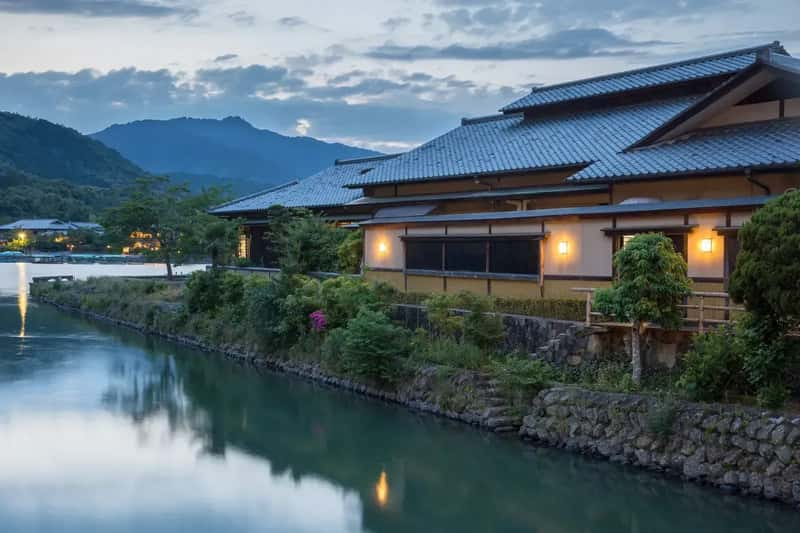
According to Kyoto City officials, a combined total of more than 56 million international and domestic tourists visited the historic city in 2024. For a city of around 1.5 million residents, that’s an astronomical number. Japan’s ancient capital has become ground zero for overtourism in Asia.
Roughly 90% of the Kyoto residents surveyed by Japan’s Yomiuri Shimbun newspaper complained about overtourism, with one of the biggest grievances being rude or disrespectful behavior by foreign tourists who seem to treat Kyoto like a theme park rather than an old, venerable and very spiritual city. Geishas in the Gion district are being harassed for photos, buses are bursting with tourists, and sacred spaces feel more like selfie stations.
Kyoto City announced plans to increase its accommodation tax, setting a new maximum rate of 10,000 yen per night, set to take effect in March 2026, making this the highest lodging tax in Japan. The city is desperately trying to manage the flood of visitors while preserving what makes it special in the first place.
Spring survey data comparing 2023 and 2024 showed Japanese tourist numbers falling sharply while foreign visitors surged, with Higashiyama area seeing Japanese tourists drop 12 percent while foreigners rose 66 percent. Even domestic travelers are avoiding the most famous spots because they’re simply too crowded. The serene contemplation that Kyoto’s temples were meant to inspire? It’s nearly impossible to find during peak seasons.
Santorini: Paradise Lost to Cruise Ship Invasions
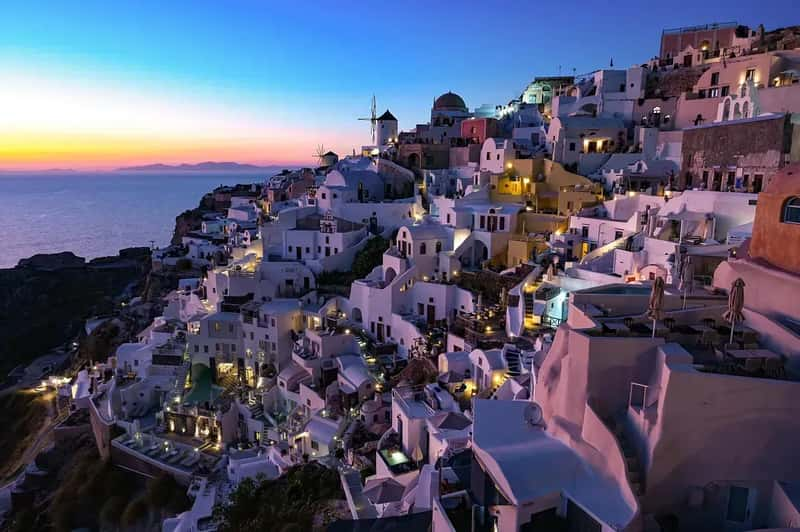
Picture-perfect white buildings cascading down cliffsides, brilliant blue domes against the Aegean Sea. Santorini looks like a dream, which is precisely why it’s turned into an overtourism nightmare. Reports in 2024 indicated up to 18,000 cruise passengers overwhelming the island daily, straining resources for its 15,000 residents.
That math is absolutely wild. On any given day during peak season, the number of cruise tourists alone can outnumber the entire permanent population. The narrow streets of Oia and Fira become gridlocked human traffic jams, with visitors jostling for the same sunset photo that’s been taken millions of times.
The island’s infrastructure wasn’t designed for this volume. Water resources are stretched thin, waste management systems are overwhelmed, and the local way of life has been almost entirely replaced by tourism services. What used to be authentic Greek island living is now a carefully curated backdrop for vacation photos.
Many travelers report that the reality doesn’t match the Instagram fantasy. You’re not finding solitude on whitewashed terraces overlooking the caldera. You’re waiting in line with hundreds of other tourists trying to capture that same iconic shot, while locals watch their island transform into something unrecognizable.
Dubrovnik: Game of Thrones Tourism Gone Too Far
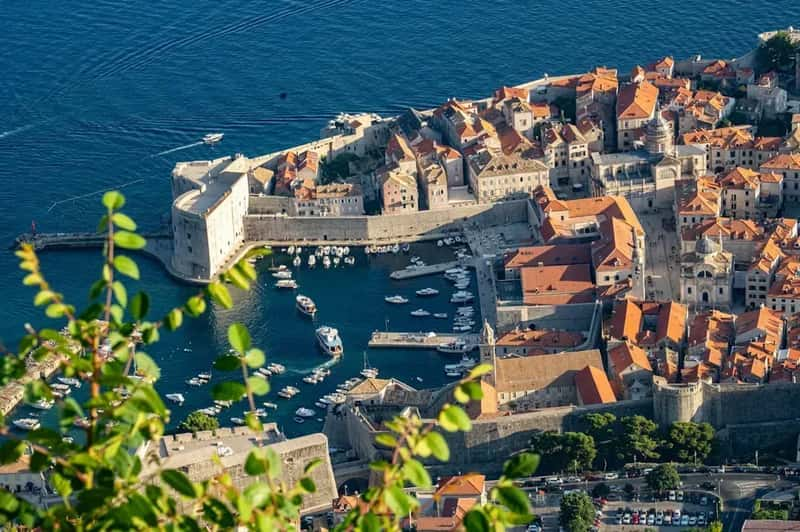
When your city becomes the filming location for one of the world’s most popular TV series, there’s bound to be an uptick in visitors. What happened to Dubrovnik went way beyond that. This Croatian coastal gem has been completely overwhelmed.
The city implemented visitor caps after things got out of control, but the damage to the local experience was already done. The old town, a UNESCO World Heritage site with stunning medieval architecture, now feels like a movie set rather than a living city during peak tourist months.
Cruise ships unload thousands of passengers at once, all funneling into the same compact historic center. The marble streets that have been walked for centuries are now worn smooth by the sheer volume of feet traversing them daily. Local shops have been replaced by souvenir stands selling Game of Thrones merchandise.
Residents complain that their city has been turned into a fantasy land for visitors, where everyday life for actual inhabitants has become secondary to maintaining the tourist experience. The soul of Dubrovnik, its authentic Mediterranean culture and community, struggles to exist beneath the weight of its own popularity.
Machu Picchu: Ancient Wonder Facing Modern Pressure
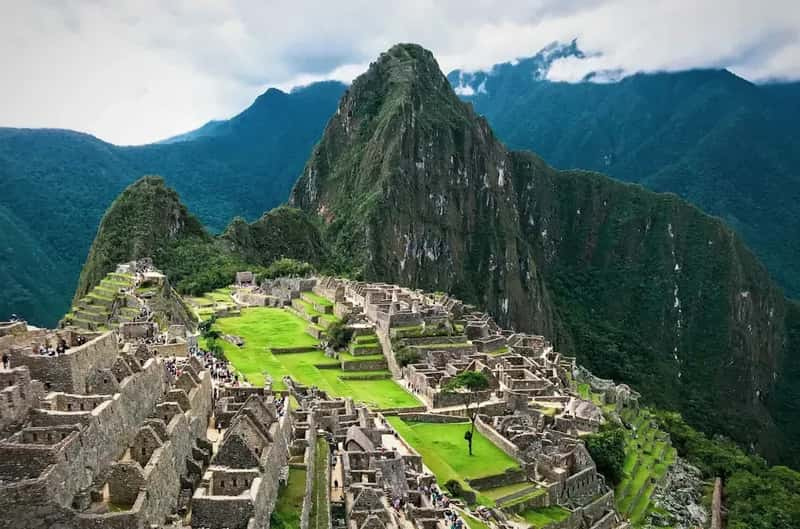
This one hurts because Machu Picchu is genuinely one of humanity’s most extraordinary achievements. Overtourism has led to erosion and damage to this ancient Incan citadel, with a quota system and mandatory guides helping preserve the popular South American destination. Yet the sheer number of visitors is still taking a physical toll on the 600-year-old site.
The Peruvian government has implemented timed entry and visitor limits, but demand far exceeds the sustainable capacity of the site. Trails show signs of erosion, stone structures bear the marks of millions of hands touching them, and the surrounding environment faces pressure from the infrastructure needed to support mass tourism.
What was meant to be a spiritual journey to connect with ancient civilizations has become a rushed, crowded experience where visitors are herded through in scheduled time slots. The mystique and tranquility that made Machu Picchu so captivating in the first place are increasingly difficult to experience authentically.
The local community of Aguas Calientes, the gateway town to Machu Picchu, has become almost entirely dependent on tourism, creating economic vulnerability and social strain. Indigenous culture is often reduced to performances for visitors rather than living traditions. It’s a classic case of tourism both preserving and destroying what makes a place special.
What Does This All Mean for Future Travel?
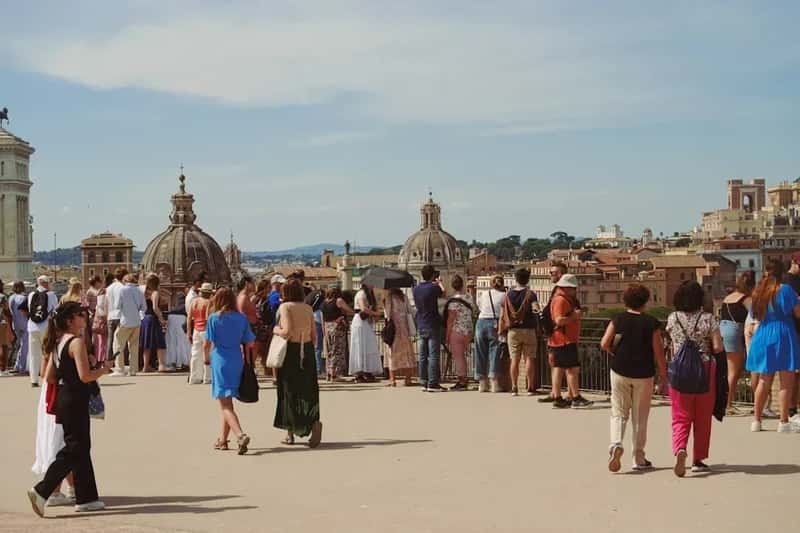
Here’s the thing. These cities aren’t asking tourists to stay away permanently. They’re asking for a fundamental shift in how we travel. The model of mass tourism, where thousands of people descend on the same handful of iconic spots at the same times, simply isn’t sustainable.
In 2024, with travel rebounding globally, overtourism hit harder than ever. We’re seeing the consequences play out in real time. Cities are implementing taxes, visitor caps, cruise ship restrictions, and rental regulations. Some are even taking legal action against their own governments for failing to enforce tourism limits.
Travelers themselves are starting to notice. When you visit these places now, the experience often doesn’t live up to expectations because you’re navigating crowds rather than discovering culture. The authentic moments that make travel meaningful are increasingly rare in these overtouristed destinations.
Perhaps the real question isn’t whether these cities have lost their soul, but whether they can reclaim it. Venice, Barcelona, Amsterdam, Kyoto, Santorini, Dubrovnik, and Machu Picchu aren’t beyond saving. Yet it requires conscious choices from both travelers and tourism industries to prioritize sustainability and community wellbeing over sheer visitor numbers.
So what do you think? Have you experienced overtourism firsthand in any of these destinations? Does knowing about these struggles change how you plan your travels?