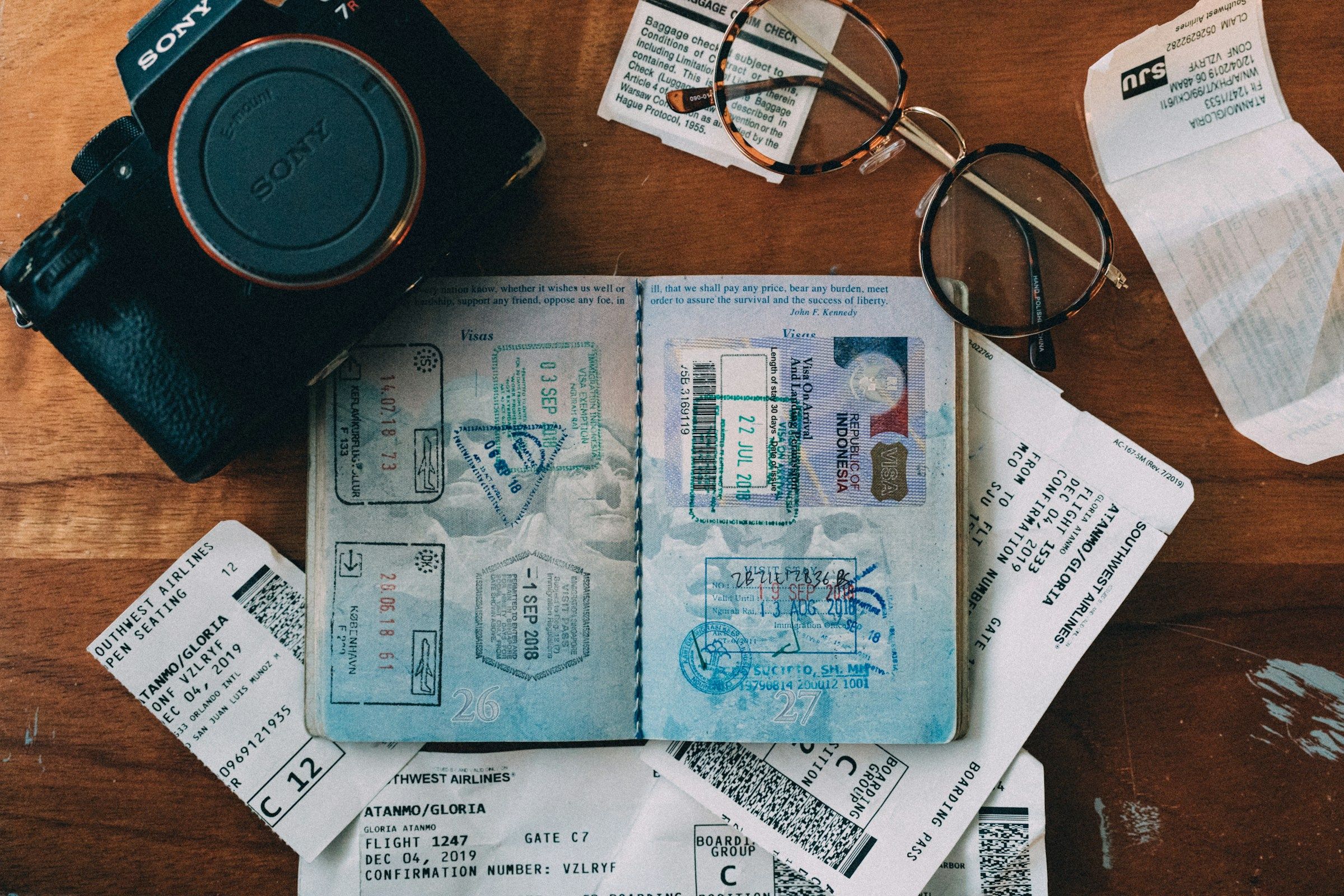
You’ve checked in online, printed your boarding pass, and packed your bags for the trip you’ve been planning for months. Then, right at the gate, an airline agent flips through your passport, pauses, and delivers the words no traveler wants to hear: you cannot board this flight. It sounds like an isolated nightmare, but it happens to thousands of people every year, and a recurring set of overlooked passport details, often called a “passport pattern” by travel experts, is quietly behind many of these denials.
In 2023 alone, roughly 25,000 passengers were denied boarding on U.S. flights, which works out to about 29 out of every million travelers. In 2023, around 25,000 passengers were denied boarding on U.S. flights, which equates to about 29 passengers per 1 million, and while not all of these cases are passport related, a growing number of denied boardings stem from what experts are calling “passport patterns” that frequent flyers often overlook.[1] The frustrating part is that most of these travelers had passports that were technically not expired. What tripped them up was something far less obvious.
What the “Passport Pattern” Actually Means
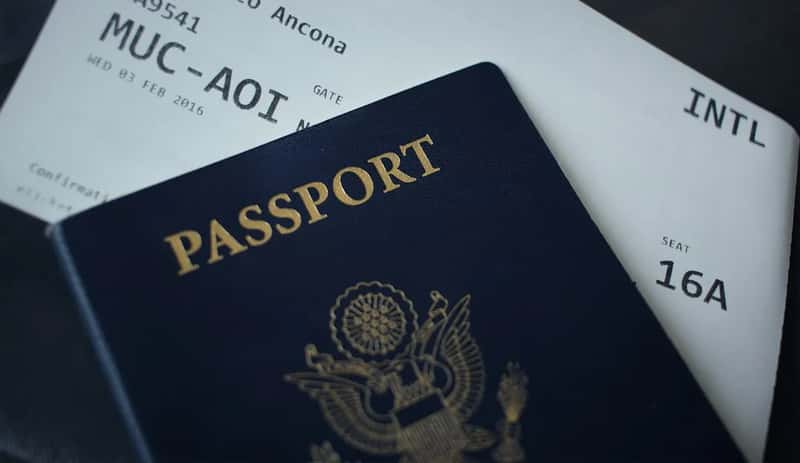
Most people assume that as long as the expiration date on their passport hasn’t passed, they are cleared to fly. That assumption is exactly the trap. Most of us assume that if our passport hasn’t expired, we’re good to go, but there’s a lot more to it than that.[1] The “pattern” refers to a cluster of small, easy-to-miss details, ranging from validity windows to blank page counts to physical condition, that airlines and border agents check independently of the expiration date.
These details rarely get attention until they cause a problem. From mysterious validity rules to blank page requirements that sound like bureaucratic nonsense, these seemingly minor details can cost you not just your flight, but thousands of dollars in lost bookings and ruined travel plans.[1] Because the rules vary by country, airline, and sometimes even by individual gate agent, there is no single checklist that covers every scenario, which is precisely why so many travelers get caught off guard.
The Six-Month Validity Rule Trap
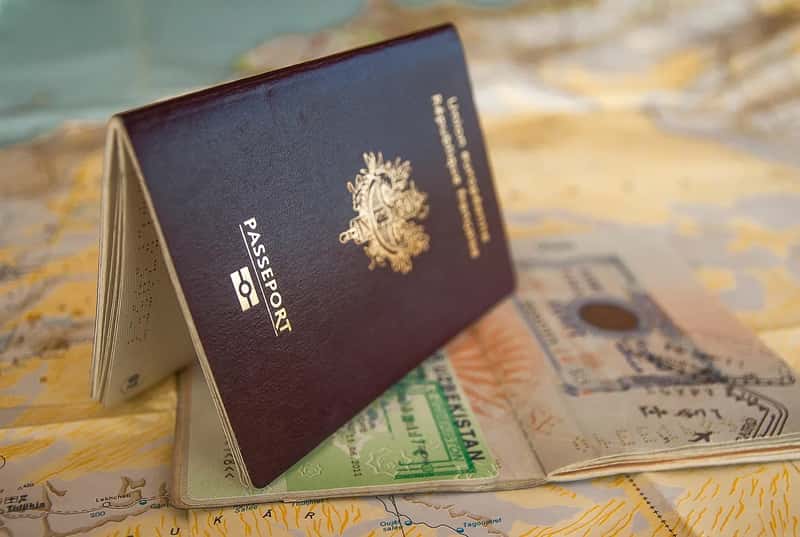
One of the most common triggers hiding inside this pattern is the so-called six-month rule. One of the most frequent reasons for travel disruption is insufficient passport validity, especially concerning the “six-month rule,” where many countries require your passport to be valid for at least six months beyond your intended date of departure from their territory.[2] This rule exists for a practical reason. It exists to accommodate unexpected travel delays, extended stays, or emergencies that might prolong your trip.[2]
The tricky part is that not every country actually enforces this rule, yet airline staff sometimes apply it anyway out of caution or confusion. A widely reported case involved a British Airways passenger turned away from a flight to Orlando even though her passport was valid well past her return date. First they turned away 62-year-old Kathleen Matheson from her flight to Orlando in Florida, even though she was on a two-week trip carrying a UK passport valid for travel to the US until November, because BA staff claimed the US demands six months of passport validity.[3] The airline later admitted the mistake, but only after her trip was already ruined.
Blank Page Requirements Nobody Talks About
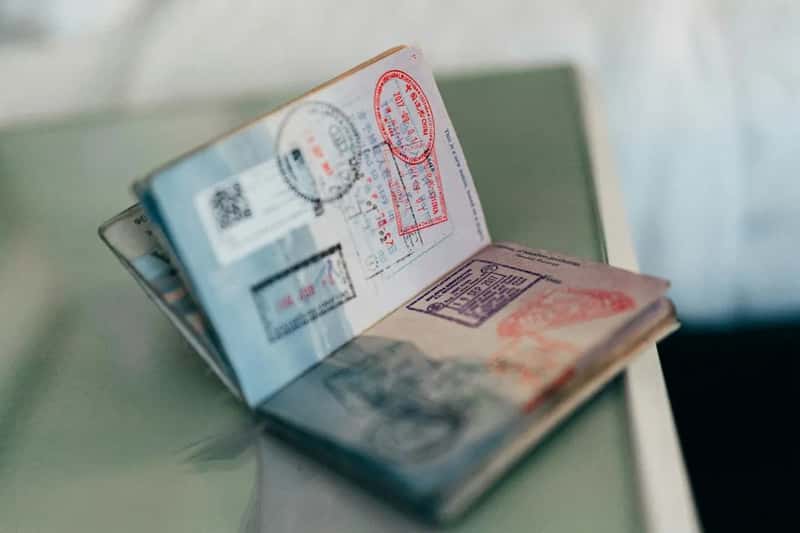
Beyond dates, many destinations require a minimum number of blank visa pages, and this requirement is often buried deep in entry rules that travelers never think to check. You need enough empty pages for visa stickers and entry/exit stamps from the countries you intend to visit.[2] A passport that is technically valid but nearly full of stamps can be just as problematic as one that has expired.
This is easy to overlook because most travelers only think about the expiration date stamped on the photo page. Frequent international travelers, in particular, can find themselves caught out after years of accumulating stamps from multiple countries. Renewing a passport early, before it runs out of blank space, is one of the simplest ways to sidestep this entirely avoidable problem.
Physical Damage: The Silent Disqualifier
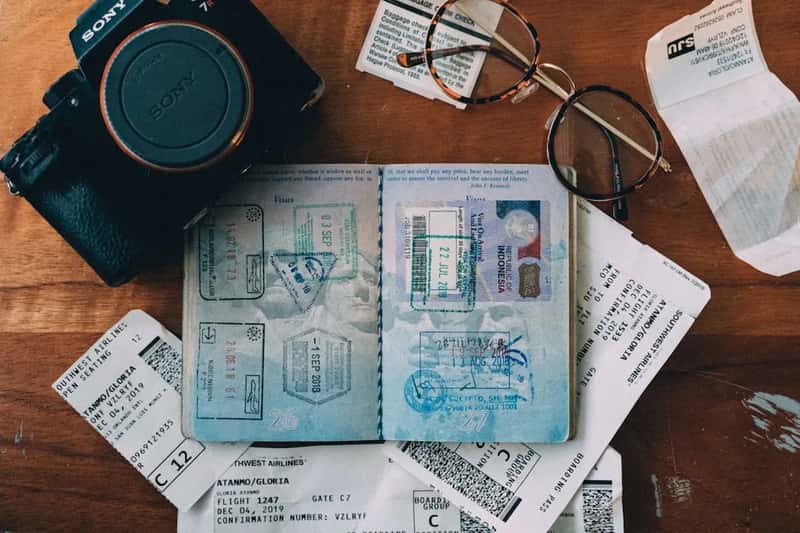
Damage is arguably the most unpredictable part of the pattern because there is no universal standard for what counts as “too damaged.” The U.S. State Department warns that any significant damage beyond everyday wear and tear, such as a torn page, laminate peeling, or unauthorized markings like stickers or stamps, can lead to delay or denial of boarding.[4] The State Department has an official term for this. The U.S. Department of State considers a passport “mutilated” if it has been torn, altered, or otherwise compromised in a way that affects its function as proof of identity and citizenship.[5]
What counts as damage is broader than most travelers expect. Water damage, tears, stains, loose pages, peeling laminate, unofficial markings, chip issues, or damage near the photo page can get you questioned at check-in, refused boarding, or stopped at border control.[6] Even something as small as a coffee stain or a slightly torn corner can raise a red flag, and once it does, there’s rarely an easy way to argue your way back onto the flight.
Why a Tiny Tear Can End a Trip

A well-documented case involved a 19-year-old passenger denied boarding on a Ryanair flight because of damage that seemed almost trivial. When the family showed up at the gate to board their Ryanair flight from East Midlands, 19-year-old Jake Burton was denied boarding because of a rip in his passport.[7] The tear itself was tiny. A one-centimeter tear was enough to end his trip before it began.[7]
Ryanair defended the decision publicly, stating plainly that the passport was “damaged and therefore not valid for travel.” Cases like this illustrate just how much discretion rests with individual gate agents. The interpretation of what counts as too damaged is often left to the individual check-in agent, and some travelers spend years traveling with a well-worn passport and never get refused while others are denied boarding over a small mark or scratch.[8]
Why Airlines Choose Caution Over Compassion
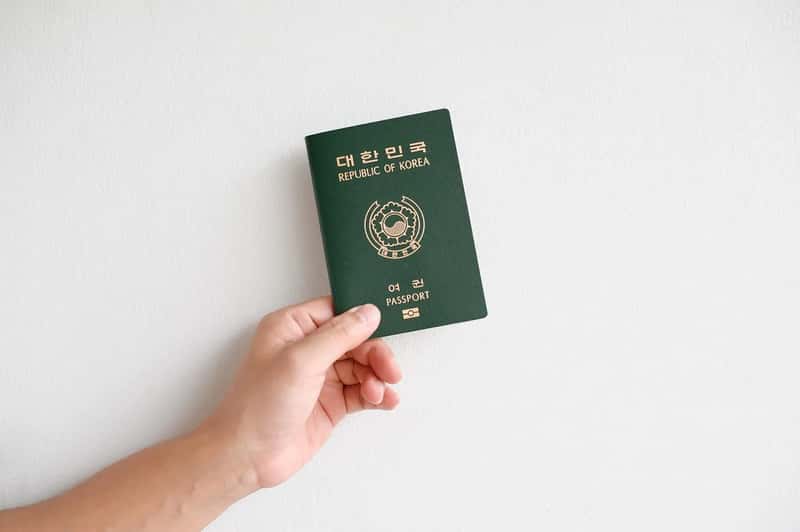
It might seem unreasonable for an airline to deny boarding over something as minor as a scuffed cover or a faded stamp, but there is real financial risk driving that caution. Airlines are legally obligated to ensure that passengers carry proper travel documents, and if they allow someone to fly with a questionable passport who is then refused entry at their destination, the airline can face heavy fines.[5] That liability shifts the incentive heavily toward rejecting borderline cases rather than risking a costly mistake.
The consequences of getting it wrong fall squarely on the airline’s shoulders. If a passenger is denied due to a damaged passport, the passenger must be returned home on the next available flight at the airline’s expense, and the airline gets fined.[9] Given that reality, it is not surprising that low-cost airlines tend to deny travel over passport condition more frequently, although every airline has a written condition that this is something they reserve the right to do.[8]
Countries With Zero Tolerance
Some destinations have gone even further by adopting strict, well-publicized policies on passport condition. Airlines may deny boarding, as there are numerous examples of this happening, especially as some countries now have zero tolerance policies around damage to passports, with Vietnam and Jordan among the countries following this approach.[10] In these places, even cosmetic damage that would pass unnoticed elsewhere can trigger an automatic refusal.
The risk does not disappear even if you manage to board your flight. If you are able to fly, but you arrive in a country that has a zero tolerance policy for passport damage, then you will not be able to enter the country.[10] That scenario is arguably worse than being turned away at your home airport, since it means dealing with the fallout, and potentially an involuntary return flight, in a foreign country far from familiar support systems.
What Happens After You’re Turned Away
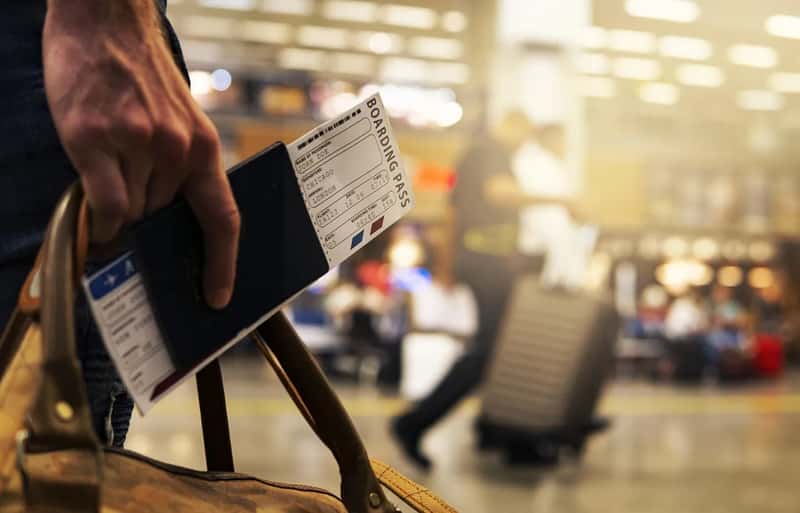
Being denied boarding is stressful enough without discovering that compensation is unlikely. If you’re denied boarding your flight, airlines typically aren’t obligated to provide refunds, since airlines aren’t required to refund tickets for passengers with invalid documents.[11] Some carriers will allow rebooking, though usually at a cost. Certain carriers allow the possibility of rebooking your ticket, often for a fee or fare difference.[11]
Legal recourse is limited because courts have generally sided with airlines on these calls. Legally, there’s limited recourse if an airline or border official deems your passport invalid, since their discretion is broad and courts generally support their decisions.[11] Travel insurance can sometimes soften the blow, but only if the policy specifically covers passport-related denials, and terms vary widely from one provider to another.
How to Avoid Becoming Part of the Pattern
The good news is that nearly every trigger in this pattern is preventable with a bit of advance planning. Check your passport’s expiration date against your destination’s specific validity requirements well before booking, count your remaining blank pages if you travel internationally often, and inspect the cover, photo page, and binding for any tears, stains, or lifting laminate. If in doubt, applying for a replacement passport is far cheaper and less stressful than being turned away at the gate.
It’s also worth remembering that gate agents themselves sometimes get the rules wrong, as seen in the British Airways cases where valid travelers were mistakenly denied boarding. Knowing the actual entry requirements for your destination, straight from official government sources rather than assumptions, gives you a stronger footing if a dispute arises at check-in. A passport in pristine condition, with plenty of validity and blank pages to spare, remains the simplest insurance policy against this entire frustrating pattern.
Travel documents carry more scrutiny today than most people realize, and the smallest details, a faint stain, a slightly frayed corner, a handful of missing months on the expiration date, can be the difference between boarding your flight and watching it leave without you. Treating your passport as carefully as you treat your ticket is no longer optional advice. It’s simply the cost of flying without surprises.