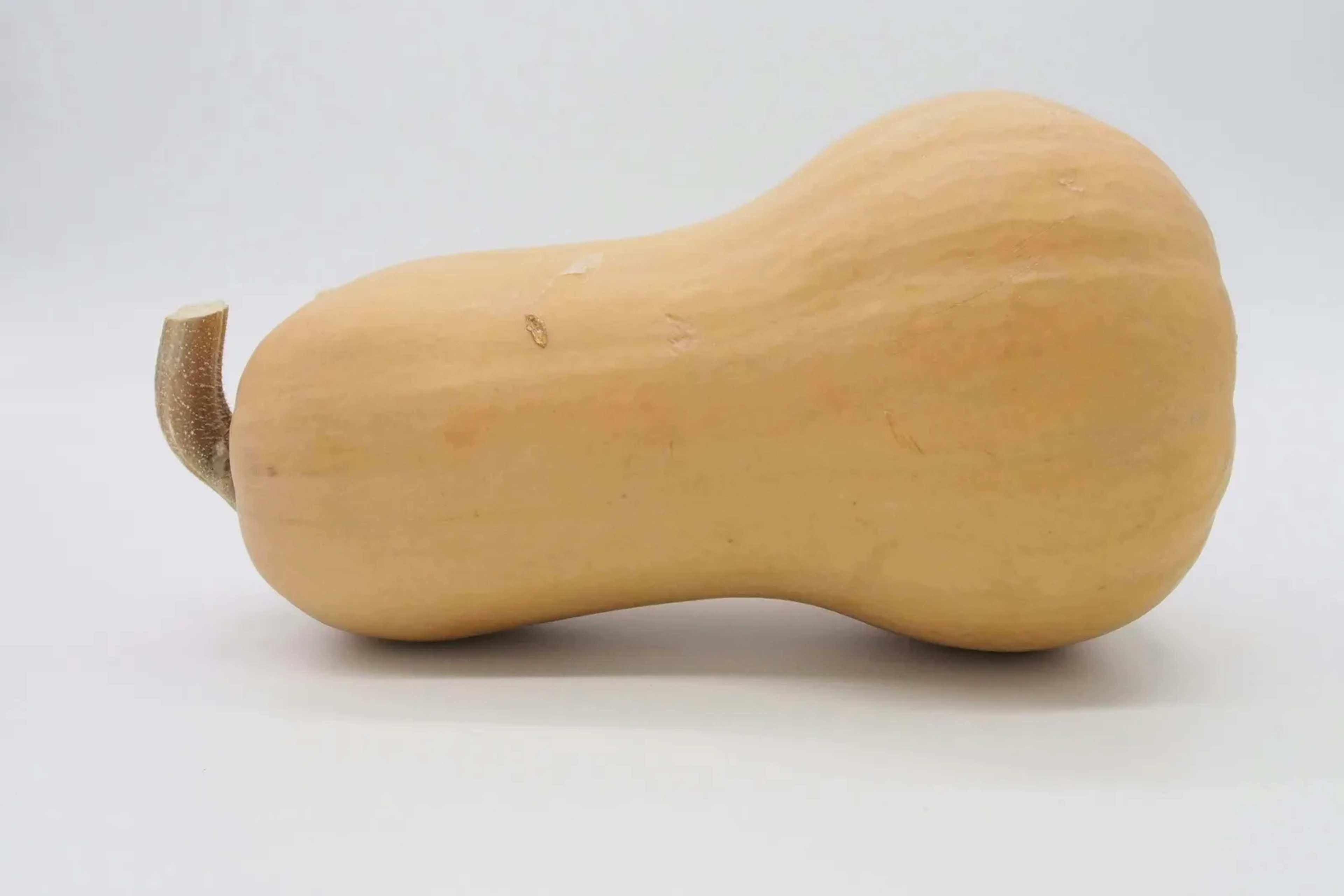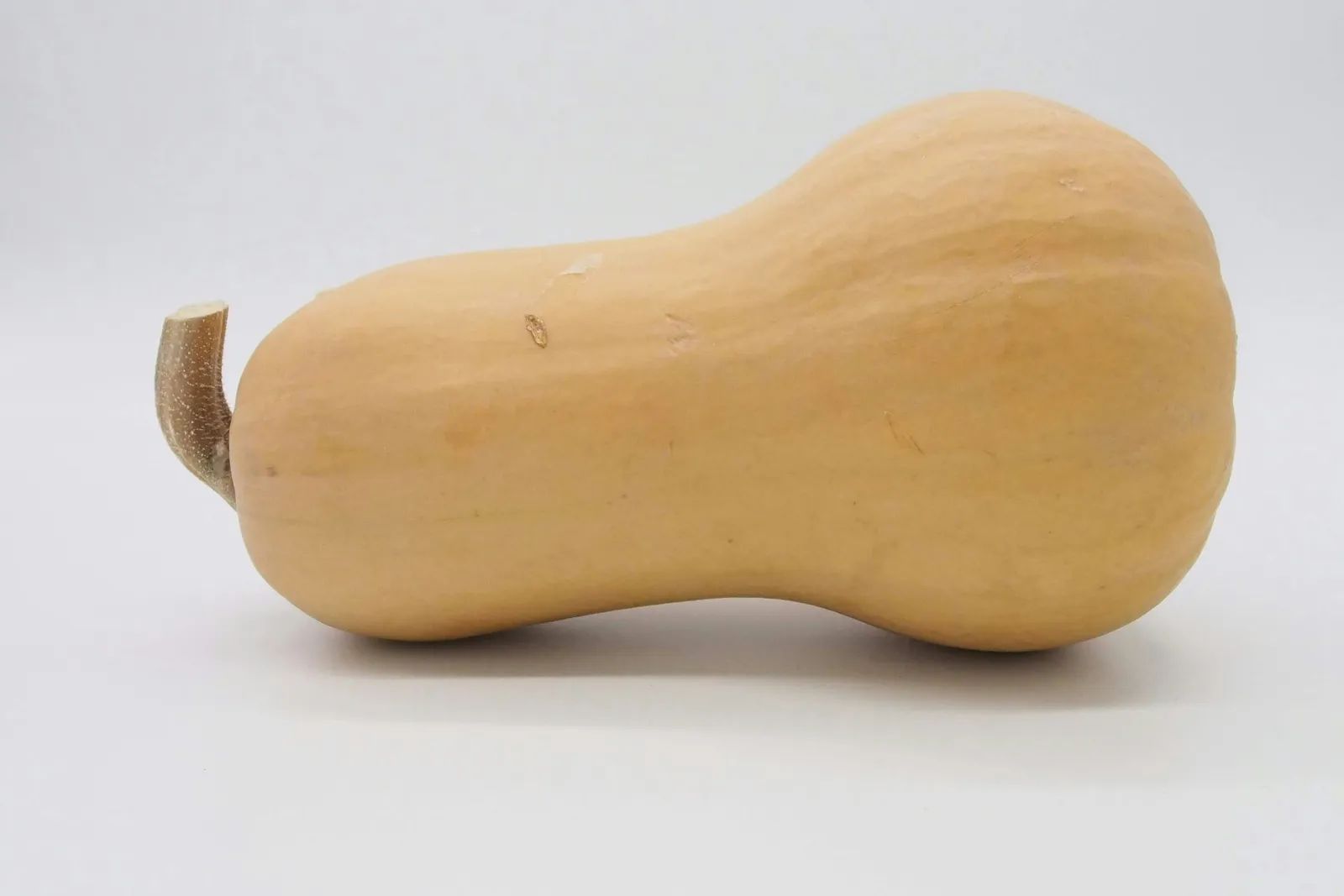
Fall produce aisles often present rows of butternut squash that look nearly identical, leaving shoppers unsure which ones will deliver the best flavor and longest storage life. Selecting carefully matters because an immature or damaged squash can spoil quickly or prove difficult to prepare. The most reliable way to judge quality starts with a simple test that reveals whether the rind has fully hardened.
The Quick Rind Check That Reveals Maturity
A mature butternut squash develops a tough outer skin that resists puncturing. Press a thumbnail lightly against an inconspicuous spot on the rind. If the skin gives way easily, the squash is likely underripe and will not store well. University extension guidance consistently highlights this firmness as a primary sign of readiness. A hard rind also protects the interior from moisture loss and rot during the weeks or months ahead. Shoppers who skip this step risk bringing home fruit that softens prematurely on the counter.
Weight, Shape, and Color Signals
Heft offers another strong clue. A squash that feels heavy for its size usually contains denser, moister flesh rather than air pockets or underdeveloped tissue. Compare two or three similar-sized specimens and choose the heavier one. Well-shaped fruit with a full, rounded body tends to yield more usable flesh, especially in the long neck section where seeds are absent. Color should appear deep and even, typically a matte tan rather than shiny or pale green on the underside. Slight natural variations do not affect taste, yet uniform tone and a dull finish point to proper maturity.
Stem Condition and Surface Flaws to Avoid
Examine the stem end closely. A dry, intact, brownish stem suggests the squash was harvested at peak ripeness and handled carefully afterward. Avoid any specimen where the stem is missing, corky, or wet, because an open wound invites decay organisms. Turn the squash over and inspect the bottom and neck for soft spots, cuts, bruises, or mold. Even small damage can allow rot to spread once the squash sits at home. Never lift the fruit by the stem alone, as this can separate it from the body and create an entry point for spoilage.
Storage and Safe Cutting Practices
Whole butternut squash keeps best in a cool, dry spot between 50 and 55 degrees Fahrenheit with good air circulation. A pantry shelf or cellar works well, and the fruit should stay away from ripening produce such as apples or pears. Under these conditions, properly mature specimens can last two to three months, though store-bought squash may have less remaining time. Check regularly for any softening or spots. Once cut, wrap unused portions tightly and refrigerate them, using within a few days. To prepare safely, scrub the exterior under cool water, trim a small slice from each end for stability, and work on a nonslip board with a sharp knife. Never force the blade if it sticks. The thumbnail test combined with weight and surface checks gives shoppers a reliable way to select butternut squash that will perform well in the kitchen and store successfully through the season.