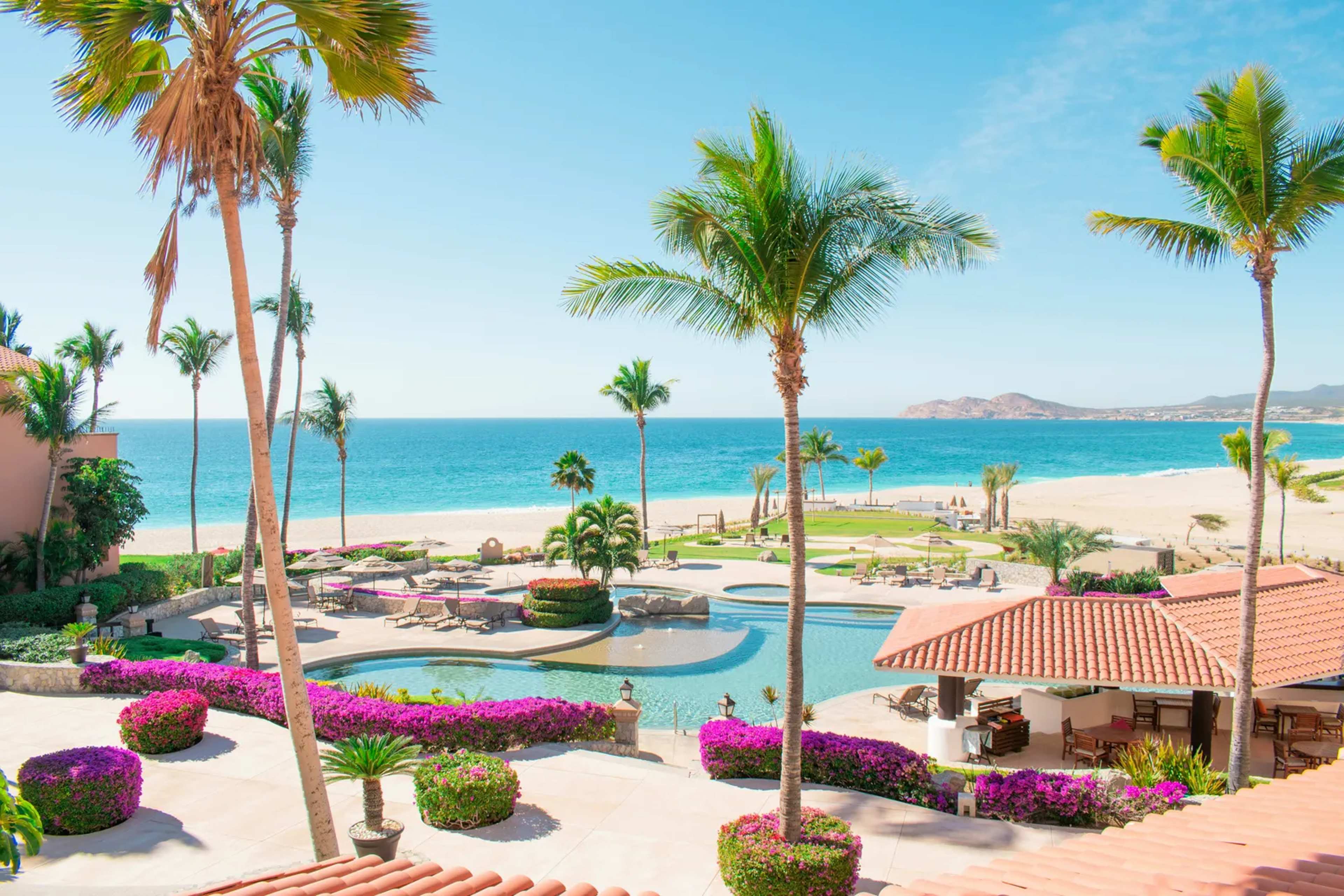
There is a particular kind of letdown that only travel can produce. You save for months, build the trip up in your head, and then step off the plane into something far messier and pricier than the postcard promised. It happens more often than most people admit, and lately there is actual data behind the disappointment rather than just grumbling on social media.
Travel researchers have started tracking this feeling with real numbers, sifting through tens of thousands of reviews to figure out which consistently fail to match their own hype. The results are not always the places you would guess, and a few longtime tourist darlings show up looking a little worn out.
Cancún, Mexico
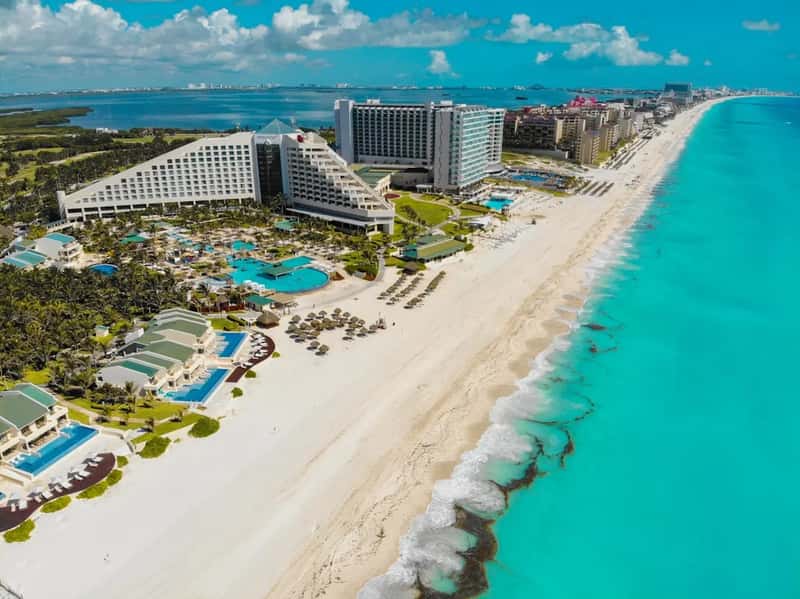
Cancún now carries the unwanted title of the world’s most disappointing tourist city, according to the most recent large scale review analysis. Radical Storage analyzed nearly 100,000 Google reviews of 100 of the world’s most-visited cities and found that 14.2% of Cancún’s reviews were negative, the highest of all cities analyzed.[1] That is a striking number for a destination that was essentially built from scratch to please tourists.
The complaints follow a fairly consistent pattern. Tourists mention high prices, insistent vendors and a lack of authenticity as the main reasons for their dissatisfaction.[2] Even one of the city’s most photographed spots, the Playa Delfines sign, has drawn grumbles about long waits just for a quick photo, which says something about what the visit has become.
Antalya, Turkey
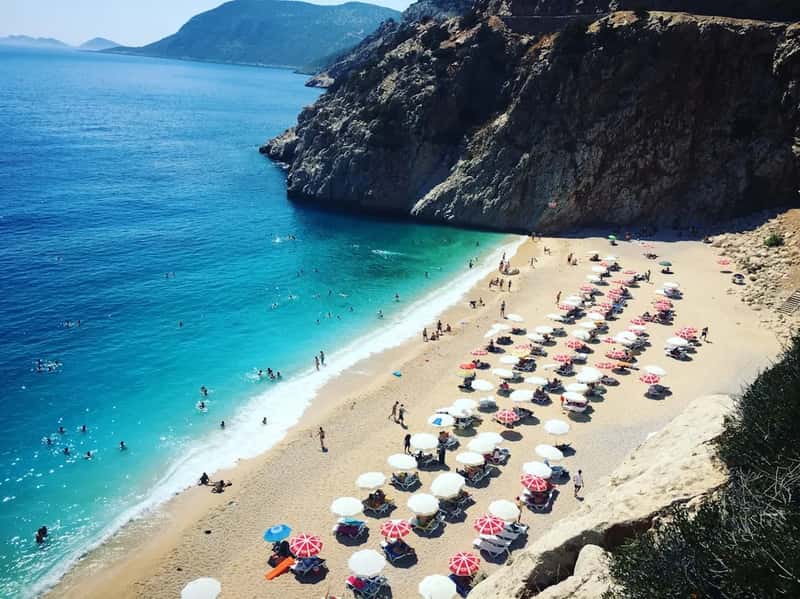
Turkey’s self-proclaimed capital of tourism lands in second place on the disappointment scale, and the gap with the leader is not huge. Antalya trails Cancún by just two full percentage points in negative reviews.[3] Given how much the city has leaned into mass tourism over the past decade, that ranking tracks with what a lot of recent visitors have been saying online.
Money seems to be at the heart of the frustration. A five-day trip for a family of four to Antalya can now cost more than roughly €4,000 to €5,000, and hotels saw double-digit price increases between 2022 and 2024, with European tourists facing a nearly 50% price increase in euros since the pandemic.[4] Beaches that once felt like a bargain now compete on price with destinations that offer noticeably more polish.
Punta Cana, Dominican Republic
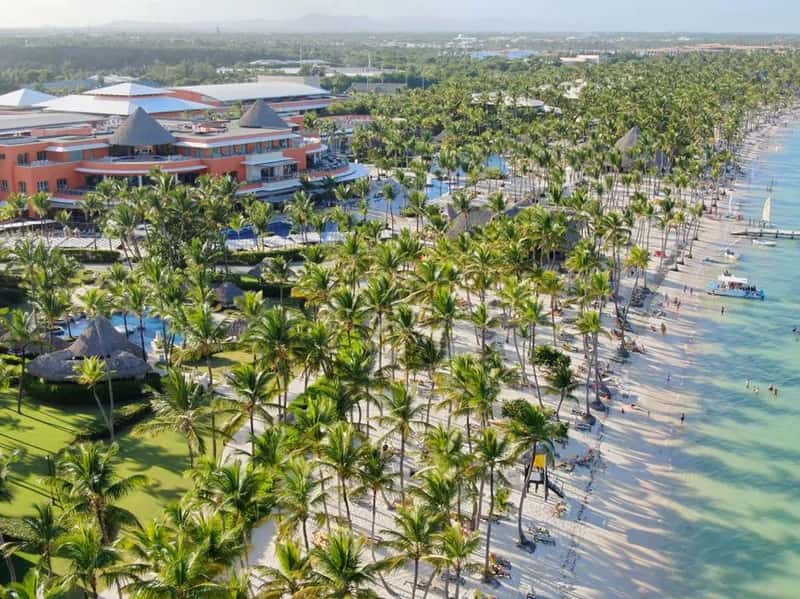
All-inclusive resorts were supposed to remove the guesswork from a beach vacation, but Punta Cana’s reputation has taken a hit anyway. The resort city has been ranked among the top three most underwhelming tourist cities worldwide in the same 2025 Radical Storage study, which analyzed nearly 100,000 reviews from travelers across 100 of the globe’s most visited cities.[4] The irony is that resort travel is supposed to be the safest, most predictable form of vacationing.
The specific gripes tend to circle around sameness and service. Guests often describe a generic, walled-off experience where the resort grounds feel disconnected from the actual Dominican Republic outside the gates, and where staffing shortages during peak season have led to slower, less attentive service than the glossy marketing implies.
Bangkok, Thailand
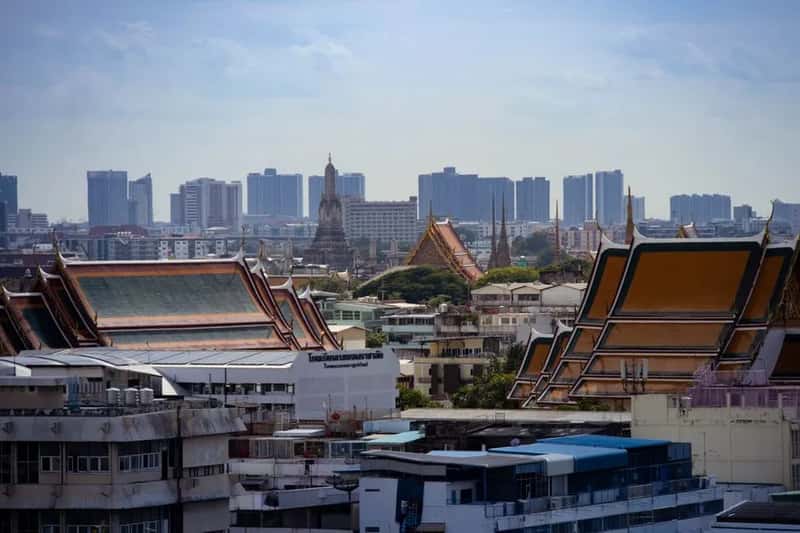
Bangkok’s reputation as a life changing backpacker mecca has softened considerably in recent years. Thailand’s capital, once viewed as a magical and life-changing destination, has earned the title of a disappointing city for many travelers, who criticize the chaotic streets and overwhelming crowds throughout the city.[5] That is a notable shift for a city that spent decades as the go-to entry point for Southeast Asia.
Part of the frustration comes down to basic sensory overload. The river running through the city is often described as muddy with heavy traffic nearby, and Khao San Road, long marketed as a unique backpacking experience, is now overcrowded and mostly appeals to young travelers looking to party rather than explore.[5] Wider survey work on attractions confirms the pattern too, with Bangkok tied for one of the highest disappointment rates among major cities studied.
Beijing, China
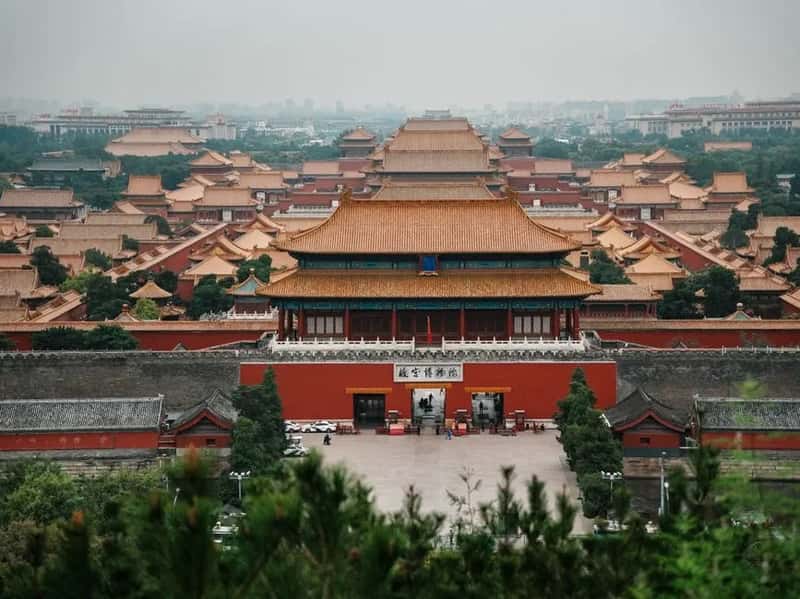
Beijing’s disappointment problem looks different from the beach towns on this list, and it is tied more to daily conditions than to price gouging. In the 2025 study, Beijing stood out as the city most often described simply as “bad” in reviews, appearing in 4.4% of them, ahead of Orlando at 3.7% and Cancún at 3.6%.[6] That is a striking result for a city with genuinely significant historical sites.
Language barriers, air quality concerns, and the sheer scale of crowds at landmarks like the Forbidden City tend to come up again and again in traveler feedback. None of that erases the depth of what Beijing has to offer culturally, but it does explain why so many first time visitors leave feeling more exhausted than enchanted.
Seattle, USA
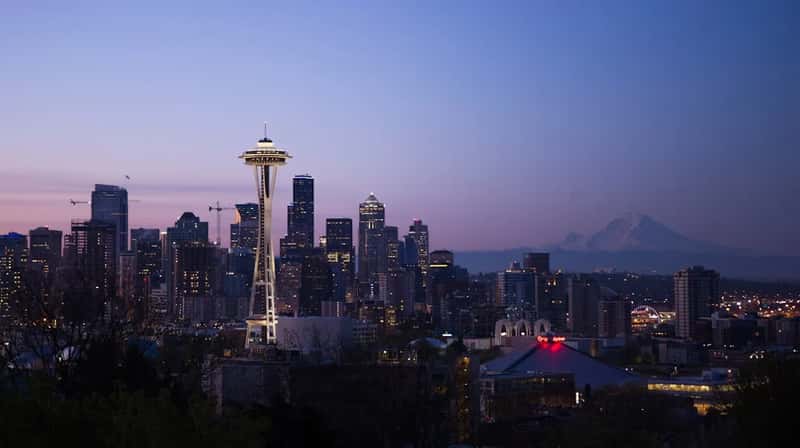
Seattle is an interesting entry because it is not a classic sun and sand disappointment story. Seattle came out on top with 8.9% of reviews flagging disappointment, ahead of Budapest at 6.3%, and London and Bangkok tied at 6%, in a study analyzing almost 100,000 visitor reviews.[7] Six of the ten most disappointing cities in that particular study were in North America, which suggests the issue is not confined to overhyped beach resorts.
Much of the frustration in Seattle traces back to specific attractions rather than the city as a whole. Pike Place Market, often marketed as an essential stop, draws complaints about crowding and steep prices, while several other headline sights have struggled to keep up with visitor expectations shaped by years of enthusiastic online promotion.
Venice, Italy
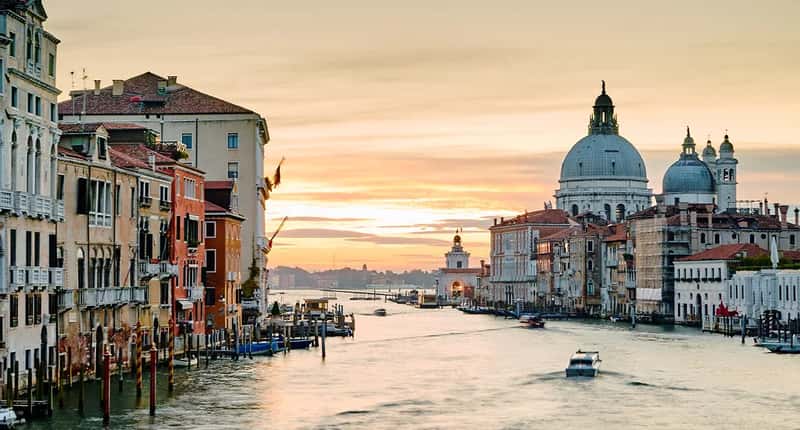
Venice occupies an odd space on this kind of list, because almost nobody disputes that the city is beautiful. The frustration is entirely about the experience of being there. Venice made global headlines in April 2024 as the first city to impose a €5 entry fee for day visitors, with plans to expand the tourist tax to between €5 and €10 in 2026.[8]
That fee alone tells you how serious the overcrowding problem has become. Along with the beauty comes an overwhelming number of tourists and steep prices, plus overpriced and bland food, and while the canals remain magical, the chaos surrounding them is far less so.[8] It is the rare case where the attraction itself lives up to the hype, but the sheer density of other visitors gets in the way.
Bali, Indonesia

Bali’s struggle is a numbers problem more than anything else. According to the Central Bureau of Statistics for Bali Province, the island welcomed 5.3 million international visitors in 2023, a figure that rose by 22 percent by the end of July 2024.[8] Growth at that pace puts enormous strain on infrastructure that was never designed for it.
The result is a split personality for the island. Bali’s reputation as a tropical paradise is now tempered by stories of overdevelopment and lost tranquility, with visitors increasingly reporting disappointment over crowded beaches and tourist-centric nightlife in areas like Kuta and Seminyak.[8] The rice terraces and quiet temples that made Bali famous still exist, but reaching them now often means working around the busier, more commercialized parts of the island first.
Orlando, Florida
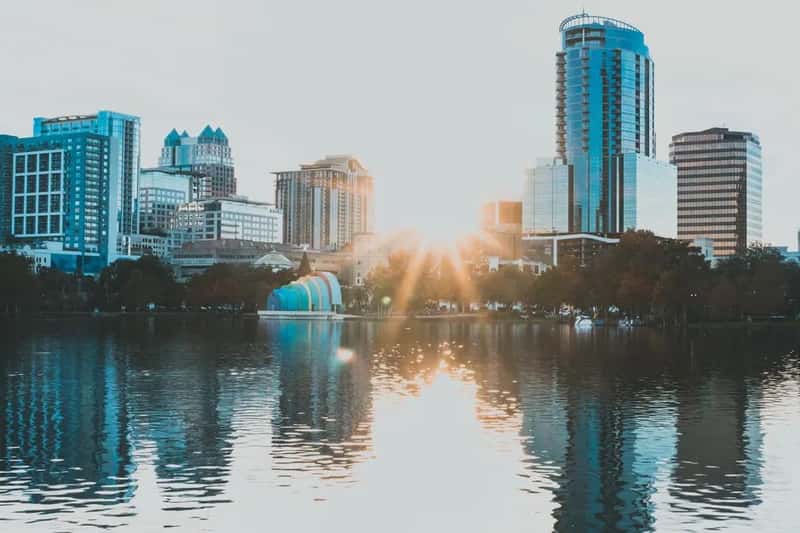
Orlando earns its spot here largely because of scale and expectation mismatch. In an earlier Radical Storage study analyzing over 820,000 TripAdvisor reviews across 100 cities, Orlando ranked as the most overrated destination in the world, with nearly 20 percent of visitors leaving something negative in their reviews, largely due to swarming crowds and high prices.[9] That is a notable finding for a city built almost entirely around the theme park industry.
More recent tracking suggests the frustration has not fully faded either. In the 2025 follow-up study, Orlando again stood out as the second highest city for reviews describing the experience as disappointing, at 3.4%.[6] Ticket prices climbing year after year, combined with long lines and crowded parking, seem to be wearing on even the most devoted theme park fans.
Istanbul, Turkey
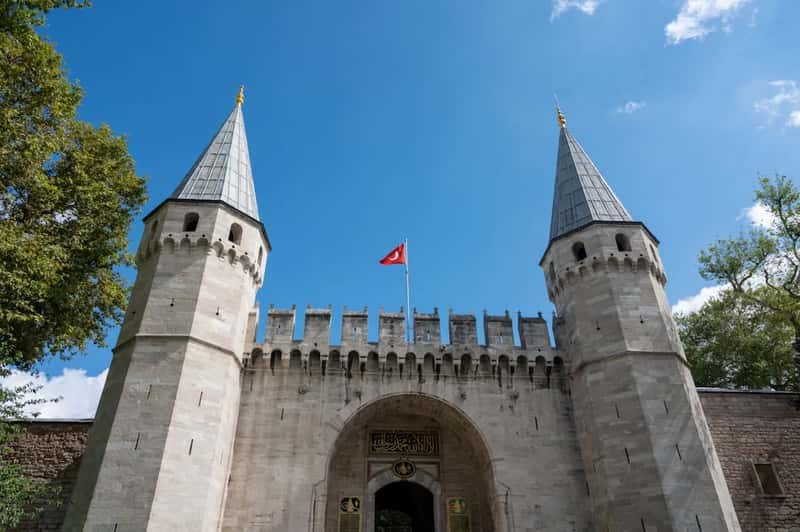
Istanbul rounds out this list, and the numbers here point specifically at how its biggest landmarks are performing under pressure. In a separate attractions study, Istanbul had the world’s most disappointing big-city attraction mix at 16% negative mentions on average, while Topkapı Palace ranked second worldwide for value-for-money complaints.[10] That is a meaningful signal for a city whose entire tourism identity is built around its historic sites.
The broader context around Turkey’s tourism boom helps explain why. Turkey closed 2025 with a record 17.12 million visitors to some of its coastal regions, the kind of volume that can keep a destination booming while also wearing down the visitor experience, though Turkey overall can still be a fantastic trip.[10] Istanbul’s palaces and mosques remain genuinely remarkable, but ticket lines and pricing at the most famous stops have clearly started to test people’s patience.
What the numbers actually tell us

None of this means these cities are secretly terrible or not worth visiting. Most destinations on this list are popular precisely because they offer something real, whether that is history, nightlife, natural beauty, or simple convenience. The disappointment tends to show up at the intersection of high volume, high prices, and expectations shaped by heavily filtered social media images rather than lived reality.
Travelers who go in with clearer expectations, and who research current conditions rather than relying on outdated guidebook praise, generally report better experiences even in these same cities. A crowded beach or an overpriced meal near a famous landmark is annoying, but it rarely erases the genuine value these places still hold once the crowds thin out or the itinerary shifts to less obvious corners of town.