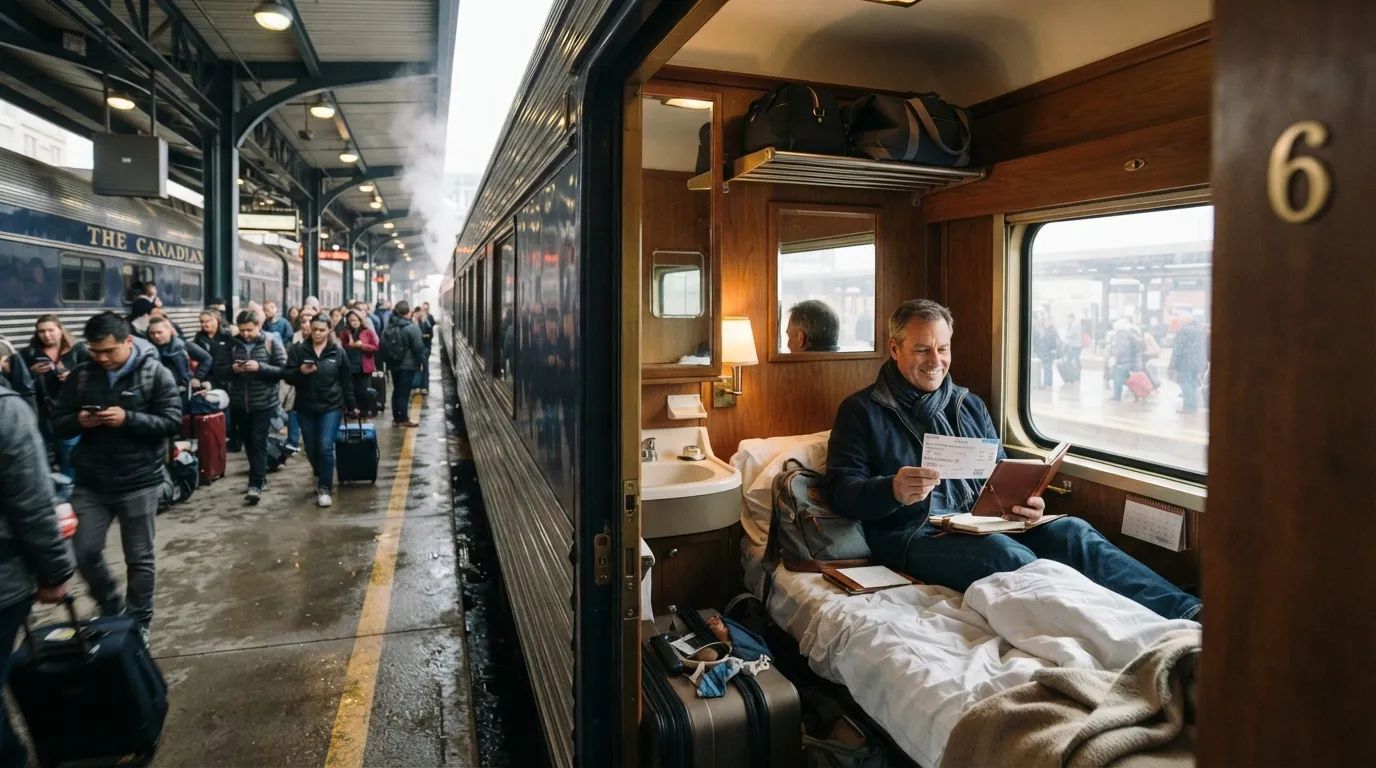
Most people picture an overnight train as a rolling hotel. You walk on, the bed is waiting, and sleep just happens. Then you look down the platform and notice a few riders who seem strangely unbothered. They carry one small bag, hold folded cash, and don’t look at the clock twice.
They aren’t lucky. They’ve done this before, and most of their best work happens before the doors ever open. Some of their habits are tiny. A few decide whether you step off at sunrise rested or rattled. And the last one on the list is the one first-timers resist the hardest.
#17 – They Confirm the Train Actually Has a Bed (and a Dining Car)
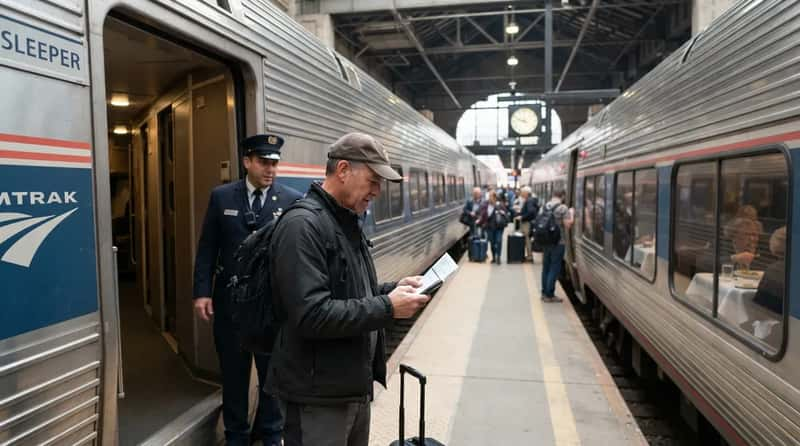
Regulars don’t assume. Sleeper cars are separate from standard coach seating and only run on certain long-distance routes. A rider who books the wrong train can end up in a reclining seat when they expected a bunk. That’s a nasty surprise at 11 p.m. with a pillow already in your arms.
They also check what’s on the menu. The Points Guy reported that on one trip, Train 28 had no dining car between Portland and Spokane, and passengers were offered a modified cold dinner that first night. That was one reported trip, not a rule. Still, veterans like to know what they’re getting before they leave.
But that’s nothing compared to what they leave out of their luggage.
#16 – They Pack a Tiny Overnight Bag and Send the Big Suitcase Away
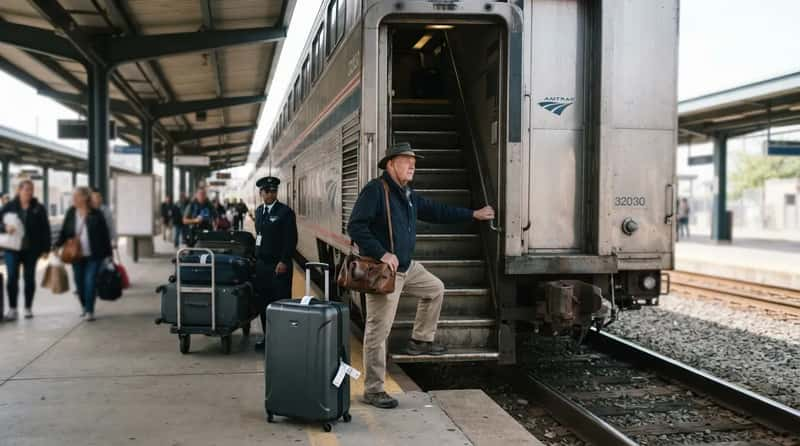
The roomette is small, and regulars plan for that. One common tip is to pack a small overnight bag so you never have to open large luggage in your room. Everything needed for the night goes in one bag. Pajamas, toothbrush, phone charger, done.
The rest can go in the baggage car. Amtrak allows two checked bags and two carry-on bags per passenger. On Superliner trains, an upstairs compartment means a narrow stairway, and dragging a big suitcase up it is a bad idea. Regulars know the stairs are waiting. Everyone else finds out halfway up, with a line of people behind them.
Next comes the one thing a train can’t promise you.
#15 – They Download Everything Before They Leave the Couch
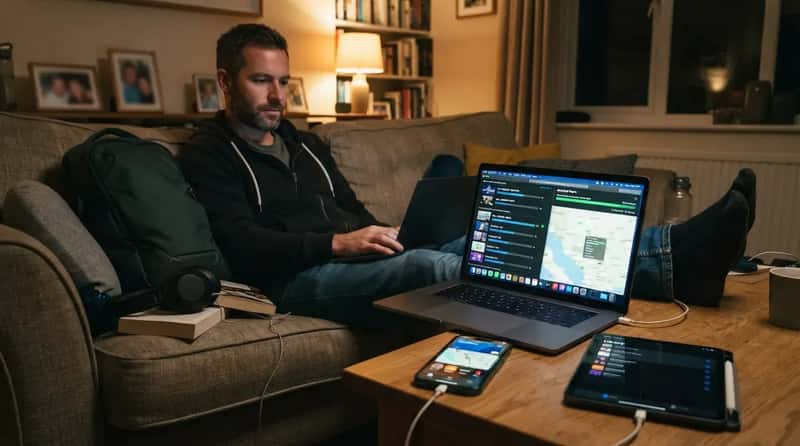
Wi-Fi is a gamble on the rails, and not every train has it. One traveler said going offline turned out to be a nice surprise, but plenty of people won’t see it that way at midnight. Regulars don’t leave it to luck. Shows, podcasts, maps, and books all get downloaded at home.
They also save their tickets offline. Stations and rural stretches can have weak signal, and a spinning screen at the gate is nobody’s idea of a good start. The most experienced riders treat the train like a flight, not a coffee shop. Everything they need is already on the device.
The next habit has nothing to do with screens. It’s about a person you won’t meet until you board.
#14 – They Stop at the ATM for Tip Money
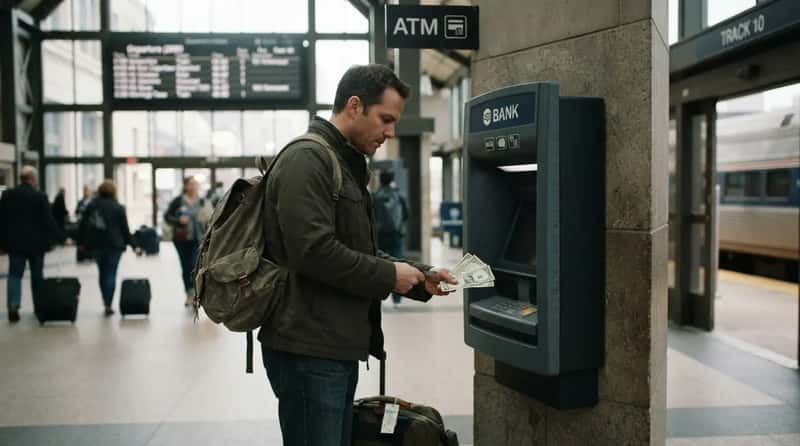
Regulars arrive with small bills. Riders are expected to tip their sleeper car attendant and their dining room servers. Plenty of first-timers never think about it until the meal is over. Then they’re patting down their pockets while a server waits.
The surprise is how the tip works. Tips are based on what the meal would cost on the menu, not on what you paid, which was nothing. That means the tip can feel bigger than the “free” meal you just enjoyed. Tipping is customary, though optional. Veterans simply plan for it.
If that sounds like a hidden cost, wait until you see what they check on their phones.
#13 – They Check the Train’s Status Before They Leave for the Station

Regulars never trust the printed time alone. Delays are common on long-distance routes, and riders are told to check train status on the app or the Amtrak website before heading to the station. A quick look can save a long wait on a cold platform. It can also save a missed dinner seating.
They also read the delay pattern. Travel guides advise expecting delays on long-distance routes and avoiding tight connections. A rider with a flight the next morning is playing with fire. Regulars leave a big buffer, or they don’t book the connection at all.
At a Glance
- Check train status in the app or on the Amtrak website before you leave home.
- Expect delays on long-distance routes, and don’t be shocked by them.
- Skip tight connections, or build in a generous buffer.
- A next-morning flight is the riskiest add-on of all.
Now for staying warm in a place where the blanket may not be enough.
#12 – They Bring Their Own Layers, Because the Blanket Is More Like a Throw
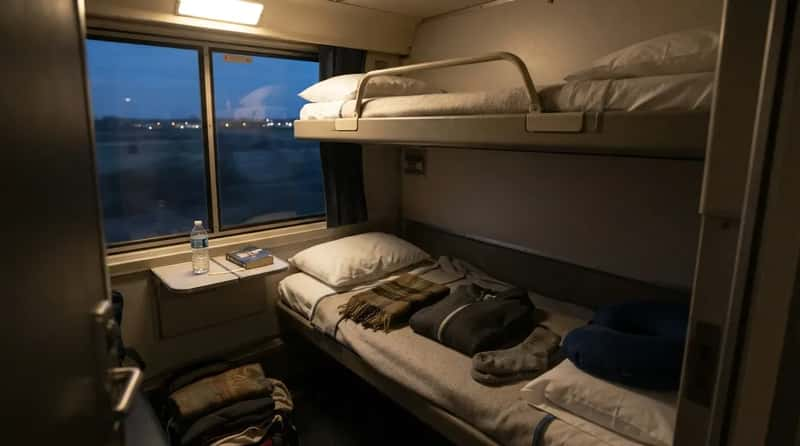
Veterans don’t count on the bedding alone. One sleeper traveler reported that the Amtrak blanket didn’t cover the length of their body and felt more like a throw. That’s one rider’s experience, but it explains the habit. Warm socks and a light jacket take up almost no room.
Pillows come up too. One guide says Amtrak pillows are pretty thin. The same guide suggests asking your attendant for extra pillows and a blanket. Regulars pack a travel pillow or a scarf anyway. They’d rather not bet their night on the supply closet.
The next one surprises people even more, because it’s about washing up on a moving train.
#11 – They Pack a Shower Kit Built for a Rocking Floor
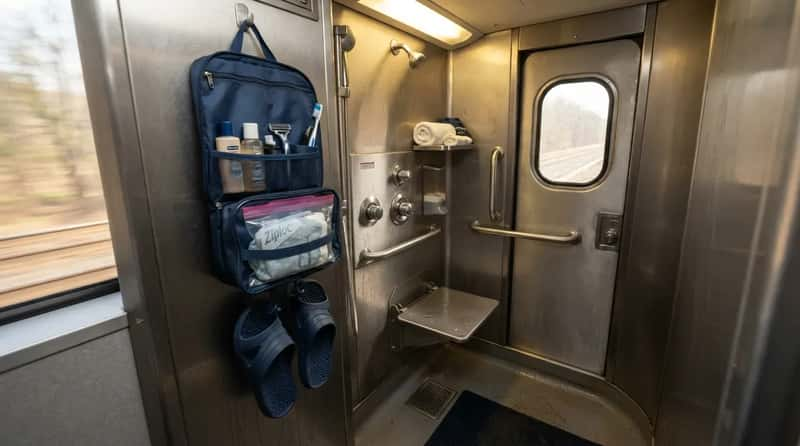
Yes, you can shower on a train. The shower room is at one end of the car in the Viewliner, or downstairs in the Superliner. Amtrak provides soap, washcloths, and towels. Regulars still bring sandals and a change of clothes.
They also bring a trick. One guide suggests a ziplock bag for wet items if they won’t have time to dry. A damp towel in a tiny room gets old fast. And trains sway, so riders with balance issues may want to sit or wait for a smoother stretch.
Then there’s food, and it’s not what you’d expect.
#10 – They Still Bring Snacks, Even When Meals Are Included
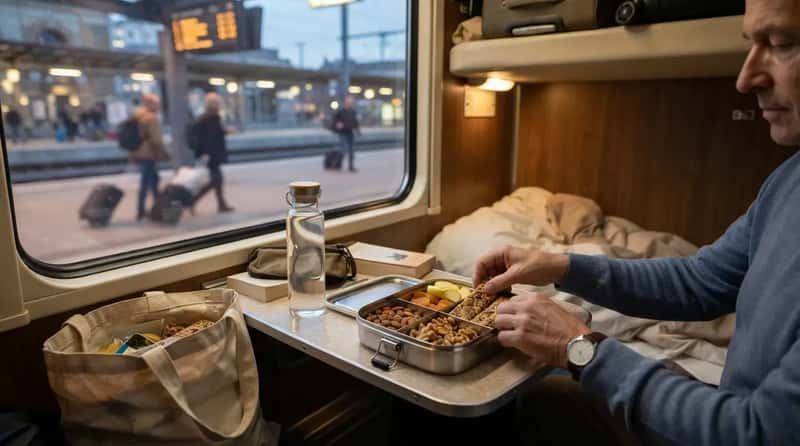
Meals may be covered, but regulars don’t depend on them. One first-timer guide notes that the café car has limited options, so bringing your own food is wise. A long delay can push dinner back by hours. Hunger doesn’t wait for the dining car.
They keep it simple. Fruit, nuts, bars, and a refillable bottle cover most situations. Alcohol isn’t included, and anything from the lounge car costs extra. That quick bite from the café can add up faster than you’d think.
Worth Knowing
- The café car’s menu is limited, so it’s a backup, not a plan.
- Alcohol isn’t part of the fare, and lounge car items cost extra.
- A long delay can push dinner back by hours.
- Easy carry-ons: fruit, nuts, bars, and a refillable bottle.
Now for something most of the platform crowd never notices.
#9 – They Go Looking for the Sleeper Lounge

The crowd at the main doors isn’t always the whole story. Sleeper car passengers often board from a separate lounge area, and they get access to the sleeper lounge at select stations. Regulars know to ask.
That matters because stations are loud and long waits are common. A quiet seat, with your bags nearby, beats a hard bench for two hours. Regulars check which stations on their route have one. First-timers often wait in the main hall, wondering why everyone else looks so comfortable.
What happens after the lounge is the part nobody warns you about.
#8 – They Know the Walk to Their Car Can Be Long
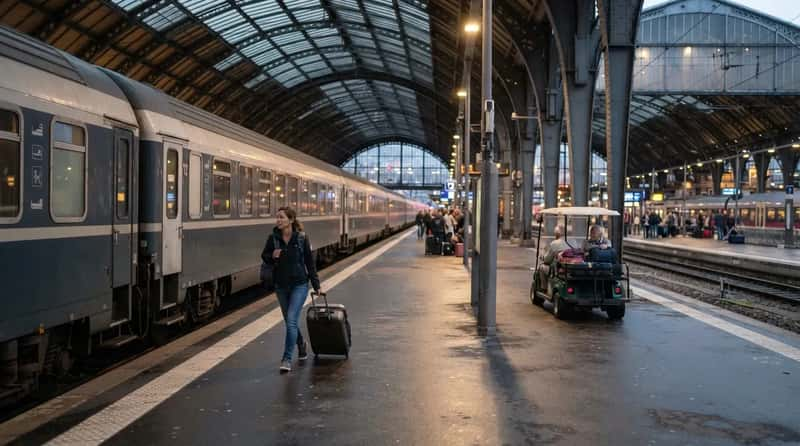
Platforms can be bigger than they look. Some stations have multiple platforms and require extra walking time. Regulars leave a cushion so they aren’t sprinting with a bag at the last call. Nobody settles into a bunk in a good mood after that.
At some stations, there’s help. One guide describes riders being taken by golf cart or tram to their designated sleeping car. Veterans know to ask staff about it before they start dragging bags. One small question can save a very long walk.
Next up is the habit that changes what you pay.
#7 – They Booked Months Ago, Because Sleeper Prices Climb Like Airfare
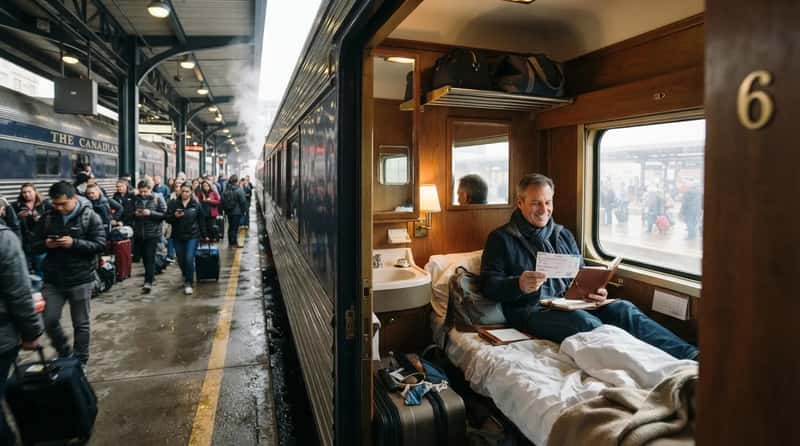
The cheapest rooms vanish early. Sleeper prices work like airline tickets, rising as rooms sell out. That’s why regulars lock in their trip well ahead. Waiting for a last-minute deal is the expensive gamble.
They plan around the calendar. The cheapest sleeper fares are usually available several months in advance. Veterans pick their dates and book. They’d rather pay less than spend the week before departure refreshing a booking page.
Picking the date is easy compared to picking the room.
#6 – They Choose the Room Type Like It’s a Real Estate Decision
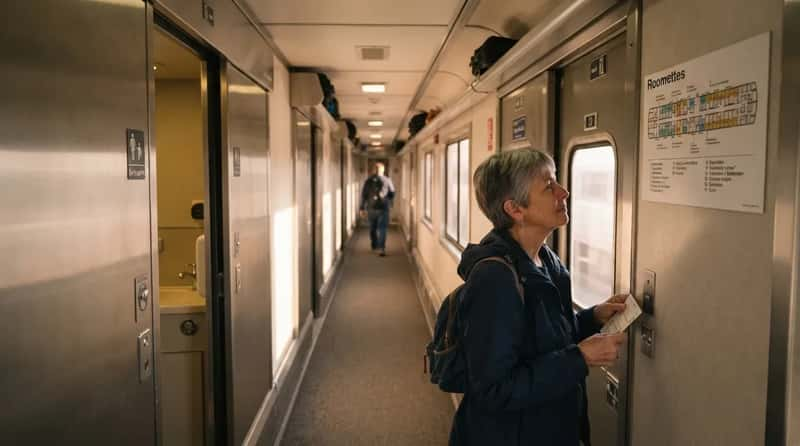
Not all sleeper rooms are equal. On a Superliner, the layout matters. The lower level has four Roomettes, a Family Bedroom, and an Accessible Bedroom. The upper level has more rooms, and a different ride feel.
Bathrooms are the big difference. Roomette riders give up the privacy of an in-room bathroom, which only bedrooms have. That’s a trade some regulars happily make and others refuse. Either way, they decide before they pay.
The next habit sounds backwards, until you picture the dining car.
#5 – They Skip Dinner Before They Board

Regulars show up hungry on purpose. Sleeper passengers get dining car meals, up to three full-service meals a day, with water, soda, or juice included in the fare. There’s no point filling up at a station food court first. They’ve already paid for a proper meal.
They also know how to start it. Once on board, you can ask your sleeping car attendant to place your meal request, and it can be delivered to your room. That’s a little hotel luxury on rails. Regulars use it, and they don’t apologize for it.
Fast Facts
- Sleeper passengers can have up to three full-service dining car meals a day.
- Water, soda, or juice comes with the fare.
- Your attendant can place your meal request for you.
- Meals can be delivered right to your room.
Next, a reality check that divides opinion on every platform.
#4 – They Pack Earplugs, and Some Swear Coach Overnight Isn’t Worth It
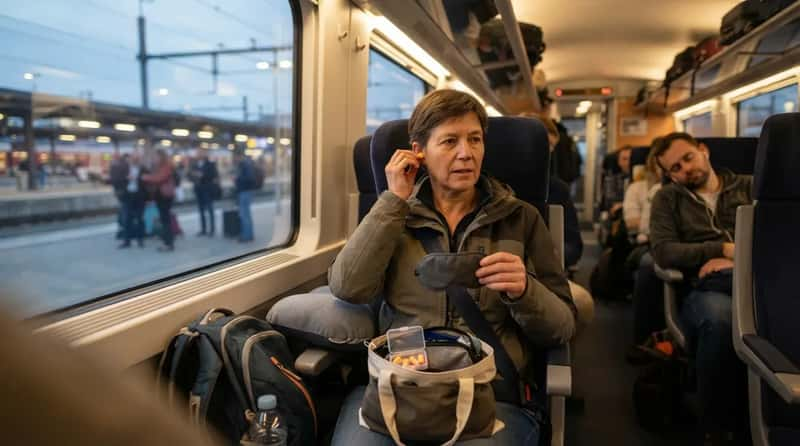
Noise is the great equalizer. In Coach overnight, it’s the main challenge, and a snoring neighbor can undo a whole night. Earplugs and an eye mask weigh almost nothing. Regulars toss them in every bag.
Here’s the hot take. For anything longer than one overnight, one guide says a Roomette is worth the upgrade. Plenty of budget travelers disagree and manage fine in Coach. Still, many veterans who tried both rarely go back.
The next habit is about something a lot of people forget to guard.
#3 – They Plan for a Door They Can’t Lock From the Outside
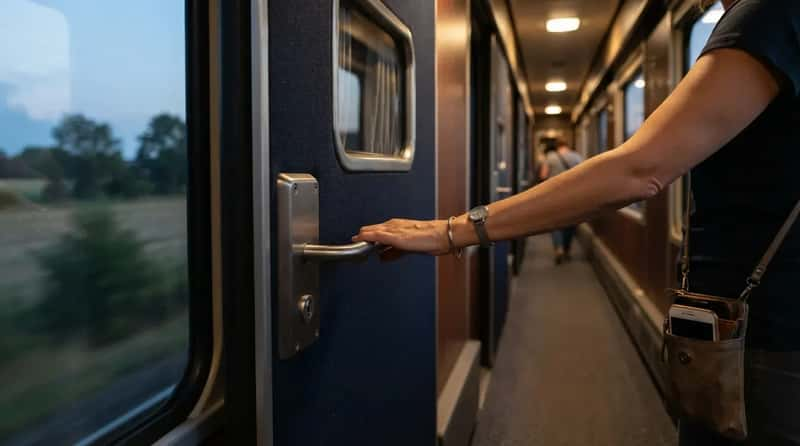
A sleeper room feels private, but there’s a catch. One rider noted that when they left for the observation deck and dining car, there was no way to secure the room from the outside. Regulars plan for that. Valuables go with them, not on the seat.
At night it’s different. The door locks from the inside, and the compartment has curtains so no one can see in. So regulars aren’t anxious. They just carry a small pouch with a phone, wallet, and ID.
You might think that’s the smartest move on the list. The next one decides how your morning feels.
#2 – They Check the Arrival Time Before They Fall in Love With the Trip
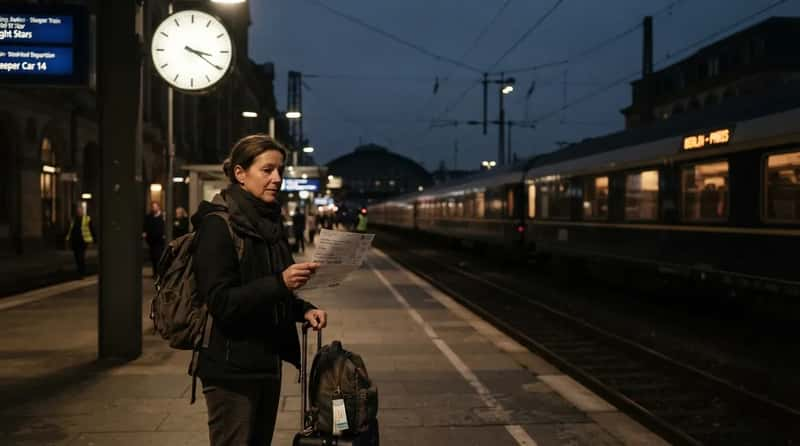
A great overnight can still end at a terrible hour. Travel writers advise riders to consider what time the train arrives at the destination. A 4 a.m. arrival in a strange city sounds romantic, until you’re standing outside a closed hotel with your bag. Regulars check first.
They also plan the morning. Attendants ask what time you’d like the bed turned down and when you’d like it put away in the morning. Regulars already know their answers. They think about the ride’s rhythm before they climb on.
The best habit of all has nothing to do with packing.
#1 – They Give Up Control of the Clock Before They Step Aboard

This is the one that separates the veterans, and it’s the one first-timers fight the most. Regulars don’t treat the train as a slow way to get somewhere. One guide says U.S. sleeper travel suits people who aren’t in a hurry and want to enjoy the journey, not just reach the destination. They accept that the schedule is a suggestion.
That acceptance is what lets them enjoy everything else. Consider the Sunset Limited, which runs from New Orleans to Los Angeles and crosses Texas and the desert Southwest along the way. Regulars board ready for that scenery, not for a stopwatch.
Almost every habit on this list comes down to the same idea. Regulars prepare for the train they’ll actually get, not the one in the brochure. They check the details, pack light, bring cash, and plan for delays.
Then they let the ride do its thing. Which of these would you have missed?