Bangkok has a way of testing first time visitors within the first hour off the plane. Somewhere between the humidity, the traffic, and the sheer volume of people offering “help,” a lot of travelers end up making the same handful of mistakes. None of them are disasters, exactly, but they do tend to eat into the time and money people meant to spend on the parts of the city they actually came to see.
Ask anyone who has lived in Bangkok for a while and they will tell you the same thing: the city rewards a little bit of homework. Not paranoia, just awareness. Here is what residents and long time expats tend to wish every first time visitor understood before they land.
The “Grand Palace is closed today” line is almost always false
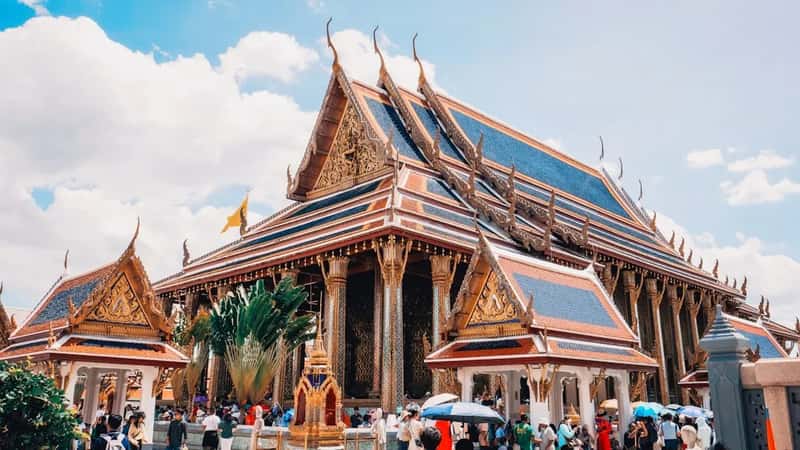
It is one of the oldest tricks in the city, and it still works on new arrivals every single day. A well dressed stranger approaches near the palace or a major temple, mentions that the site is closed for a ceremony or a holiday, and offers a “better” alternative involving a tuk tuk and a gem shop. A friendly local or tuk tuk driver will stop you and say the palace is closed today for a special ceremony or cleaning, then offer to take you to a different temple for a very cheap price.
The truth is simpler than the story. The palace is open every day from 8:30 a.m. to 3:30 p.m., and anyone who tells you otherwise should be walked past without a second thought. The same goes for Wat Pho, Wat Arun, and pretty much every major site in the city. If you want to double check hours, a quick look at Google Maps or the attraction’s own website settles it in seconds, no stranger required.
Tuk tuks are for short, fun rides, not full day tours
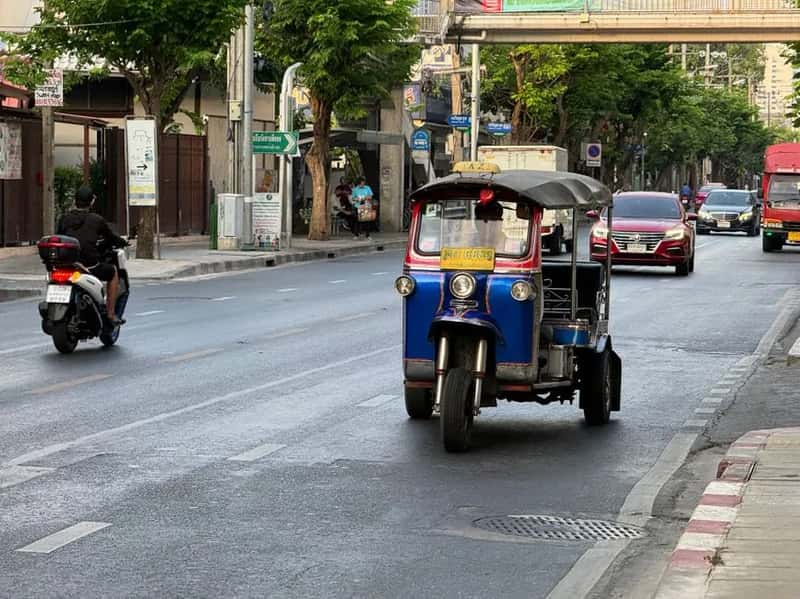
Riding a tuk tuk once is part of the Bangkok experience, and there is nothing wrong with enjoying that. The problem starts when a driver offers what sounds like an incredible deal, an all day tour for almost nothing. Most drivers will overcharge you, and maybe take you to a restaurant where they get a commission, but a small minority will try to outright swindle you.
Locals treat tuk tuks the way they treat a novelty ride at a fair, fun for a few minutes, not a practical way to get across town. Bangkok tuk tuks are more expensive and less practical than metered taxis or Grab for actual transportation, and you will pay two to three times more while sitting in open air traffic breathing exhaust fumes. Agree on the price before you climb in, keep the ride short, and treat the whole thing as a photo opportunity rather than transportation.
Insist on the meter, or just skip the argument with an app
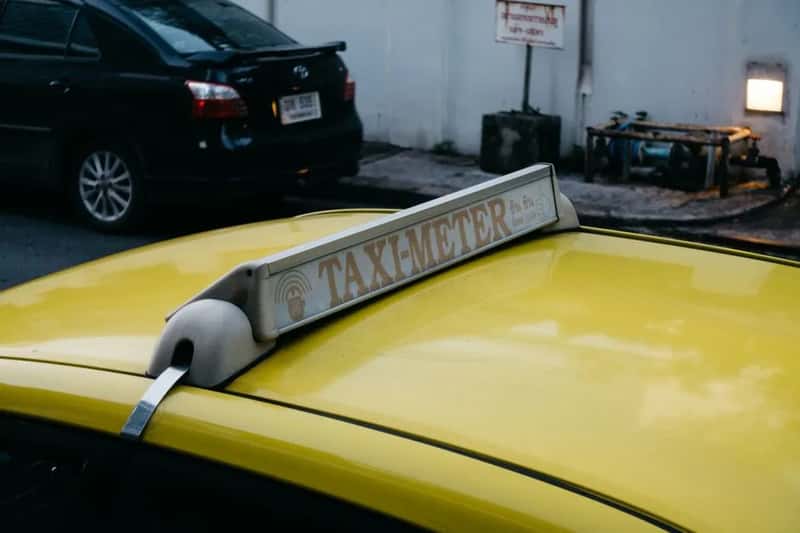
Bangkok taxis are genuinely useful and often cheap, but only when the meter is running. Taxi drivers, especially at airports and tourist areas, sometimes refuse to use the meter and quote inflated flat fares, with a metered ride from the airport to central Bangkok that should cost around 250 to 400 baht instead demanded at 500 to 1,000 baht or more.
Most locals do not waste energy negotiating over this. The advice is simple: always insist on using the meter, and if the driver refuses, say meter please or just get out and find another taxi, or better yet, use Grab or Bolt for transparent pricing. Both apps show the fare before you commit and remove the guesswork entirely, which is exactly why so many Bangkok residents use them daily instead of hailing cabs off the street.
Temples care about your shoulders and knees, not your itinerary
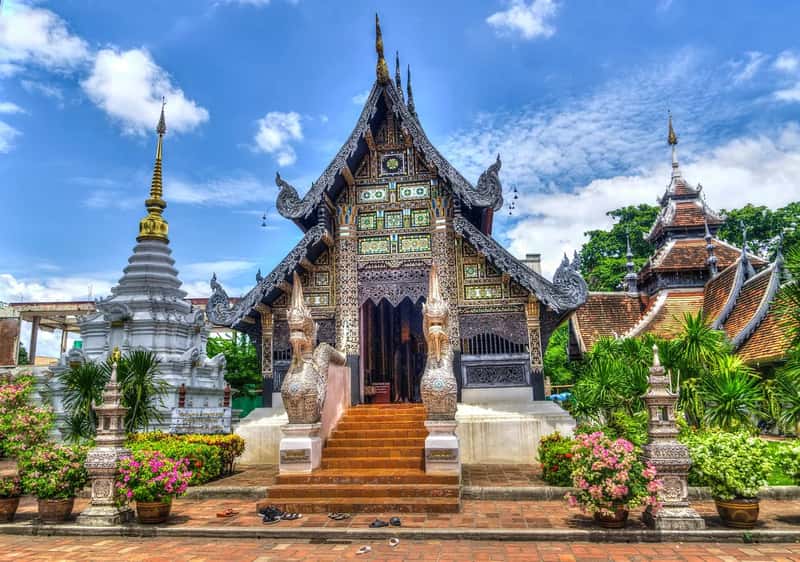
Nothing derails a carefully planned temple visit faster than being turned away at the gate over an outfit. Rules vary slightly by site, but the strictest venues take this seriously. Wat Phra Kaew and the Grand Palace are extremely strict, with no sleeveless shirts, no shorts, and no leggings allowed, since covered shoulders and long pants or skirts are mandatory.
A useful trick locals rely on is packing a light scarf or sarong, since it doubles as instant coverage if you get caught out in shorts on a hot afternoon. It is worth knowing that scarves are not allowed to cover shoulders if you are wearing a sleeveless top, because guards do not want that scarf slipping and exposing your shoulders again. Bring an actual sleeved shirt rather than relying on a workaround, and you will glide through security without the awkward rental cover up at the entrance.
The wai is a greeting, not something you owe every stranger
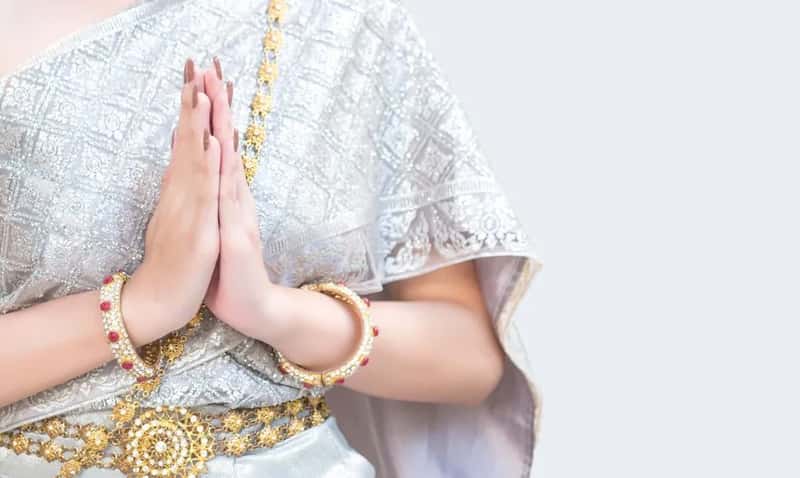
Visitors often feel pressure to perform the palms together wai gesture constantly, worried they will seem rude otherwise. Locals tend to find this more amusing than offensive. You can return a wai politely when someone offers one, but you do not need to wai everyone first, since a smile and respectful tone are usually enough.
Save the deeper, more formal wai for monks, elders, or genuinely respectful situations, and let a smile carry the rest of your everyday interactions. The height of the hands and the depth of the bow show the level of respect, so a wai to a monk or a highly respected elder sits higher and deeper than one exchanged between peers. Getting the gesture slightly wrong will not cause offense. Overthinking it just makes you look nervous.
Feet and heads carry more weight here than back home
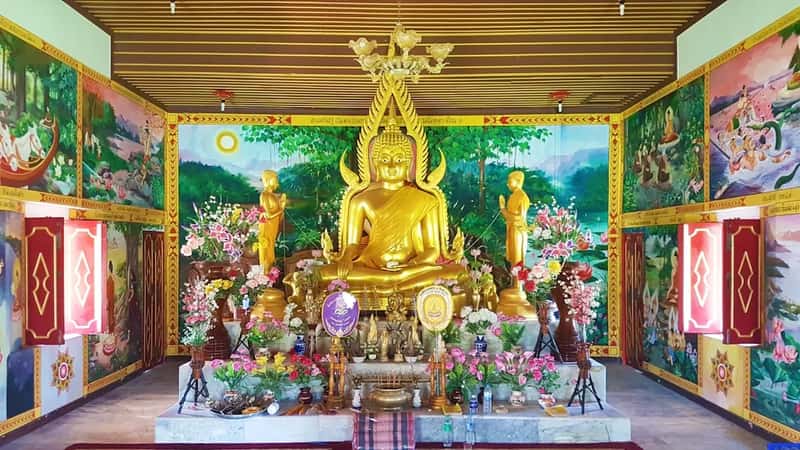
This is the etiquette rule that trips up the most first timers, mostly because it simply does not exist in most other cultures the same way. Avoid pointing your feet toward Buddha images, since it is considered very disrespectful, as feet are viewed as the least noble part of the body.
The same logic runs in reverse for heads, which locals treat as the most respected part of the body. Inside a temple, keep your head lower than Buddha images and monks whenever possible. If you are sitting on the floor during a temple visit, tuck your feet to the side rather than stretching them out toward the altar, and you will avoid the quiet stares that come with getting this wrong.
An overly friendly stranger usually wants something
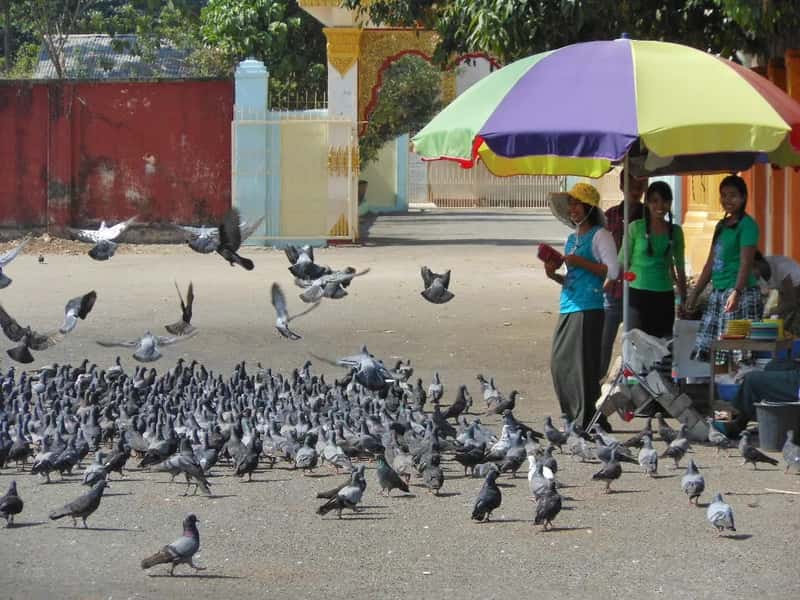
Bangkok residents genuinely are warm and hospitable, and most conversations on the street are exactly what they appear to be. Still, there is a specific pattern worth recognizing near tourist landmarks. In public squares, particularly Sanam Luang near the Grand Palace, someone may place a bag of corn or bird food in your hand, and as soon as you accept it a flock of pigeons will descend while the person aggressively demands an inflated payment, so the simplest response is to keep your hands to yourself and politely decline.
The same instinct applies to anyone who approaches claiming to be a student wanting to practice English, then pivots quickly toward a special deal or event happening only that day. It is not that every friendly local has an angle, far from it. It is just that the ones running an angle tend to open the conversation the exact same way, every time.
Weather shapes the trip more than most people plan for
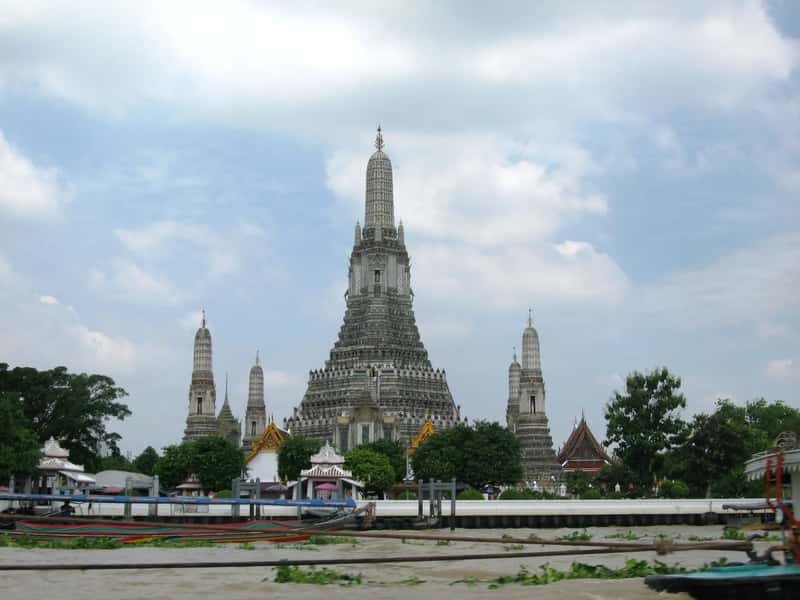
Bangkok does not really have four seasons, and treating it like a typical city trip without checking the calendar leads to some uncomfortable surprises. The best time to visit is during the cool season from November to February, when the weather is most comfortable, with clear skies and daytime temperatures that make exploring temples, markets, and riverfront areas far more enjoyable.
Outside that window, plan around the heat rather than fighting it. Sightseeing is still possible during the hottest months, but planning activities for early mornings or evenings is recommended. Locals structure their entire day this way, running errands before nine in the morning or after five in the evening, and slipping into air conditioned malls during the worst of the midday sun.
Street food is safer than most visitors assume, if you know where to look
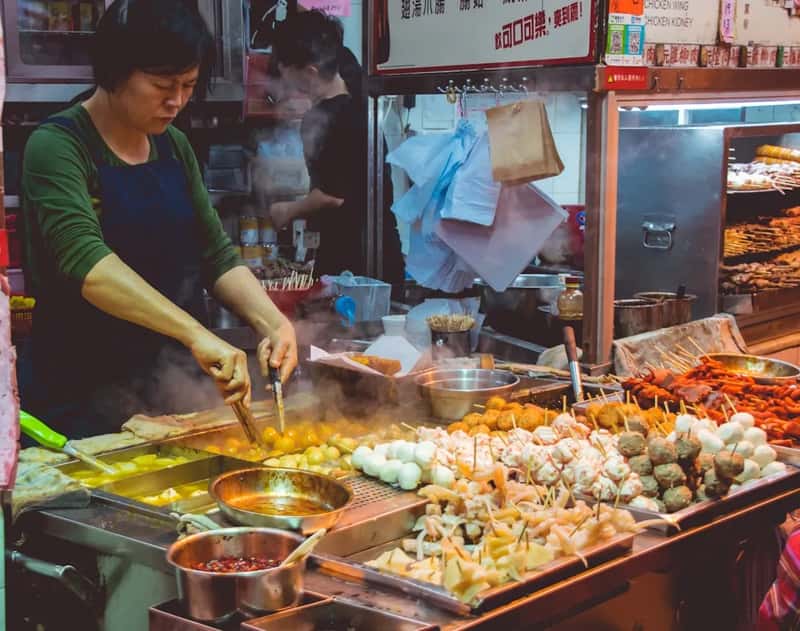
A surprising number of first time visitors skip street stalls entirely out of caution, which locals consider a genuine shame given how central it is to daily life in the city. Thai street food is generally safe and is one of the highlights of any trip.
The trick locals use is not avoidance, it is observation. Choose busy stalls where food turns over quickly, ensuring freshness and safety. A stall with a long line of Thai customers at lunchtime is doing something right, and that queue is a far better safety indicator than anything printed on a menu.
Final Thoughts
None of this is meant to make Bangkok sound like a minefield, because it genuinely is not. The scams are well known precisely because they are old and repetitive, which means they are just as easy to sidestep once you know the script. Everything else, the dress codes, the gestures, the small daily rhythms, comes down to paying attention rather than memorizing a rulebook.
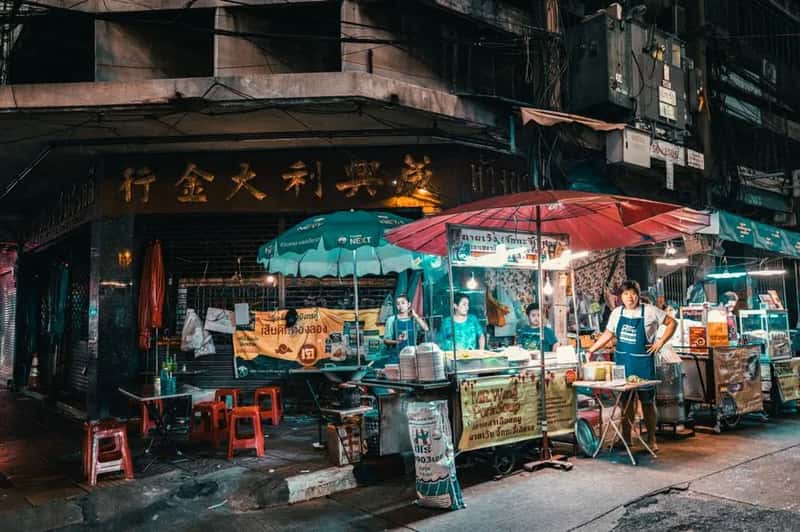
The travelers who tend to have the best time are not the ones who arrive with zero surprises left. They are the ones who show up curious, stay a little alert near the tourist hotspots, and let the rest of the city, the food stalls, the temples, the river boats at sunset, do the work of winning them over.