Walk down a street in Roma Norte on a Tuesday afternoon and you’ll hear as much English as Spanish drifting out of the cafés. That shift didn’t happen by accident, and it hasn’t gone unnoticed by the people who called these neighborhoods home long before laptops and lattes took over the corner spots. Mexico City has become one of the most talked about expat destinations in the Western Hemisphere, and with that popularity has come a set of tensions that many newcomers simply don’t see coming.
Understanding what long-time residents actually think, rather than what shows up in glossy relocation guides, matters if you plan to build a life there. The gap between the expat experience and the local experience is real, and it’s grown sharper over the past few years.
A little Spanish makes a bigger difference than you’d think
One of the most common frustrations among Mexico City residents isn’t really about money at all. It’s about effort, or the lack of it. Locals have noticed that some locals have criticized hearing more English being spoken in trendy neighborhoods, with residents remarking on how strange it feels to walk through Roma and Condesa and hear English everywhere.
This isn’t about gatekeeping the language. It’s about the message it sends when someone lives in a city for years without learning enough Spanish to order food or chat with a neighbor. Whitney, Navarrete and other researchers studying the phenomenon point to language as one of the clearest signals of whether a newcomer intends to integrate or simply occupy space. Even modest effort, stumbling through a conversation at the corner tienda, tends to change how people respond to you.
Rents have climbed fast, and locals are the ones absorbing it
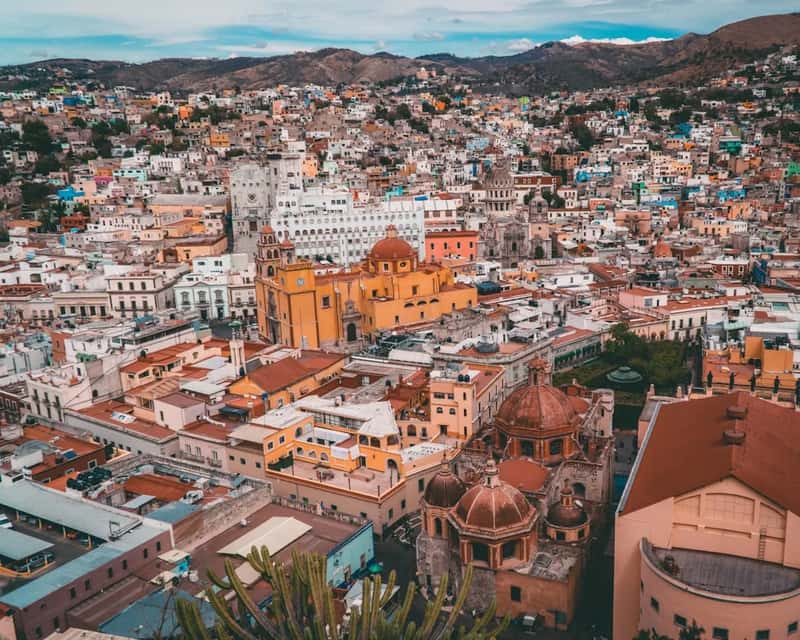
The numbers tell a blunt story. The flip side of the expat boom is a genuine local backlash, as rents in Roma and Condesa have climbed 20 to 30 percent since 2020, pricing out many local professionals. That’s not a marginal shift. It’s enough to push longtime residents, teachers, service workers, young professionals, out of the neighborhoods where they grew up.
The pressure isn’t only about supply and demand in the abstract. Foreigners with dollar incomes routinely outbid locals, accelerating displacement in neighborhoods like Roma and Condesa. Meanwhile, Airbnb lists roughly 26,000 units in Mexico City according to Inside Airbnb, a figure comparable to short-term rental inventories in cities like Barcelona or New York despite very different income levels. When an apartment can earn more from nightly bookings than from a Mexican tenant paying local wages, the math tends to favor the visitor over the neighbor.
Overtipping isn’t as harmless as it feels

Many Americans arrive with an instinct to tip generously, treating it as a small kindness in a country where wages can be low. Locals see it differently. Persistent overtipping by dollar-earning newcomers has become part of a broader conversation, with essays examining how chronic overtipping and so-called gringo taxes distort tipping norms and raise the question of who really benefits from that generosity.
The concern is that consistent overtipping trains businesses to expect more from every customer, foreign or Mexican, which quietly pushes prices upward across the board. It’s a subtle version of the same dynamic driving rent increases: individual generosity, multiplied across thousands of visitors, reshapes a local economy. Tipping fairly rather than lavishly, and understanding standard local rates, tends to be appreciated more than assumed.
Mexico City is not just Roma and Condesa
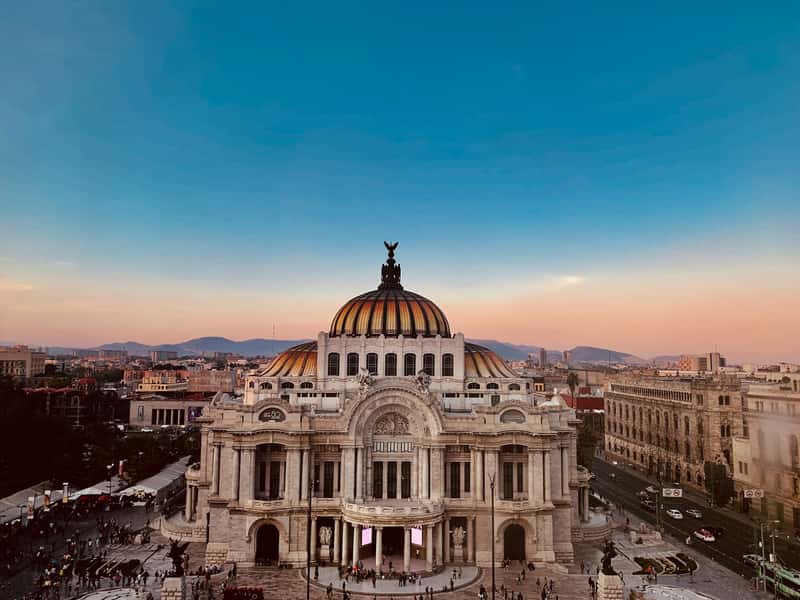
Ask most newcomers to name a neighborhood and you’ll hear the same two or three answers every time. That narrow focus is part of the problem. Mexico City is home to more than 300 neighborhoods, yet only three or four have become incredibly popular with foreigners and digital nomads, which is exactly why rents and prices have climbed for locals in those specific pockets.
Researchers describe this as a localized phenomenon rather than a citywide one. While Mexico City is massive, home to over 21 million people, gentrification tends to be highly concentrated, since a few thousand high-income newcomers clustered in walkable, historic neighborhoods like Roma Norte, Condesa and Juárez can drastically impact rental prices, businesses and demographics. Spreading out into Del Valle, Narvarte, Escandón or San Rafael isn’t just cheaper. It also eases pressure on the neighborhoods bearing the brunt of the change.
The word “expat” carries more weight than Americans realize
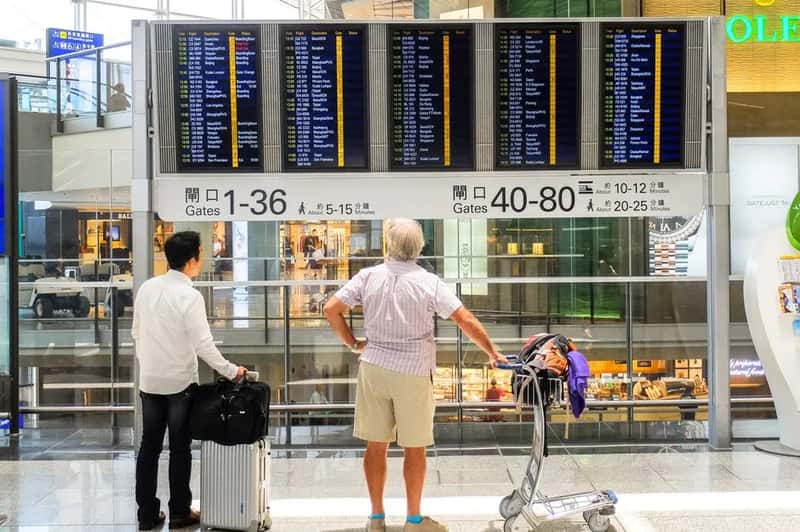
There’s a quiet irony that many locals point to directly. People moving from Latin America or Asia to wealthier countries are typically labeled migrants, while Americans moving to Mexico get called expats, a softer word that implies choice and leisure rather than economic necessity. A researcher studying the trend put it plainly, noting that those who move from the Global South are stigmatized, while those arriving from the Global North come in a privileged position because of currency exchange, and simply aren’t called migrants, but expats.
This isn’t just semantics to the people living through it. It reflects a double standard that shapes how welcome someone feels entitled to be, and how much accountability they think they owe the place they’ve moved to. Some observers argue this framing has been amplified by broader political tensions between the two countries, with one researcher suggesting the reaction sometimes reflects a combination of factors coinciding with rhetoric that treats immigrants as an enemy, so the gringo becomes a convenient scapegoat, potentially distracting from accountability owed by government and companies.
Safety concerns from back home don’t match daily reality
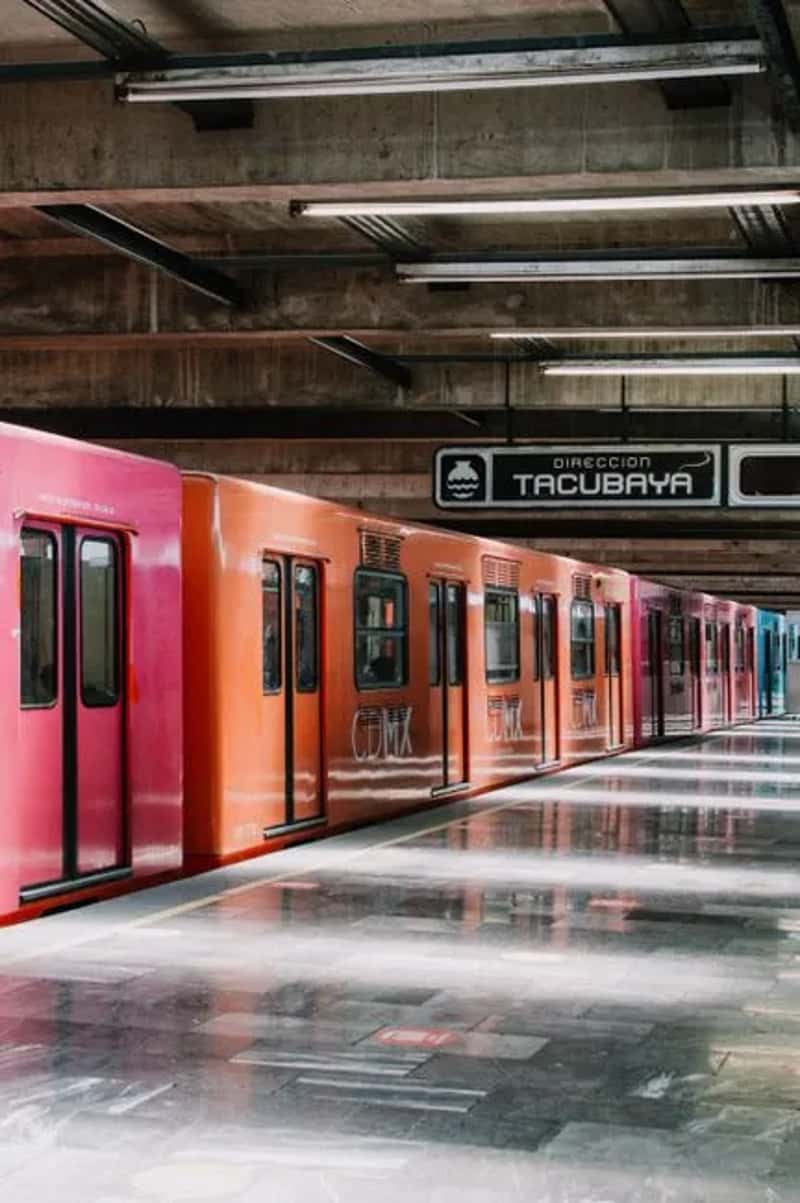
Plenty of Americans arrive nervous about crime, having absorbed a flattened version of Mexico from headlines rather than lived experience. The actual risk profile is more mundane and more localized than most expect. The US State Department rates Mexico City at Level 2, exercise increased caution, the same level given to France or Spain, and in practice the city is best described as patchwork safe, with expats living securely for years in central neighborhoods while petty crime and phone theft remain real risks around transit hubs and nightlife.
Locals sometimes find the exaggerated fear a little tiresome, since it can read as an assumption that their entire city is dangerous rather than a normal, sprawling capital with typical big-city hazards. Sticking to established areas, using rideshares after dark, and keeping a phone out of sight on the metro tends to make day-to-day life feel comfortable. A grounded sense of risk, rather than imported anxiety, tends to earn more respect than either paranoia or naivety.
Short-term rentals have become a genuine flashpoint
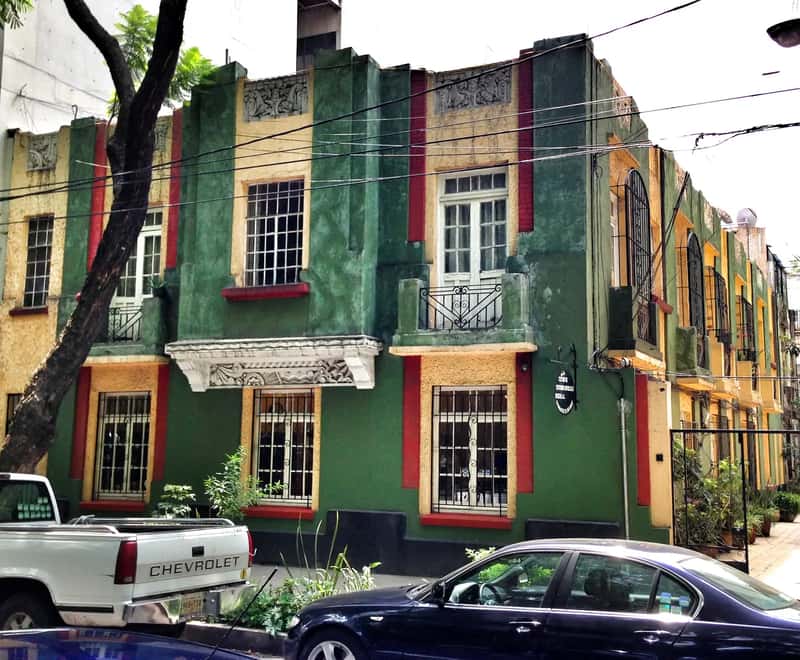
What might look like a convenient Airbnb booking to a visitor reads as a structural problem to many residents. City officials have taken notice. Mexico City’s government announced a plan to address rising housing prices that protesters have linked to tourism and an increased number of foreigners, with rules barring landlords from raising rent above the rate of inflation.
The timing isn’t incidental either. Mayor Clara Brugada can regulate short-term rentals in Mexico City, particularly as the city anticipates a large influx of visitors for the 2026 World Cup, though that alone won’t fix the underlying problem. Choosing a long-term lease over a rotating string of short-term stays, and being upfront with landlords about how a unit will be used, is one of the more concrete ways newcomers can avoid feeding the exact dynamic locals are protesting.
The anger isn’t really about individual Americans
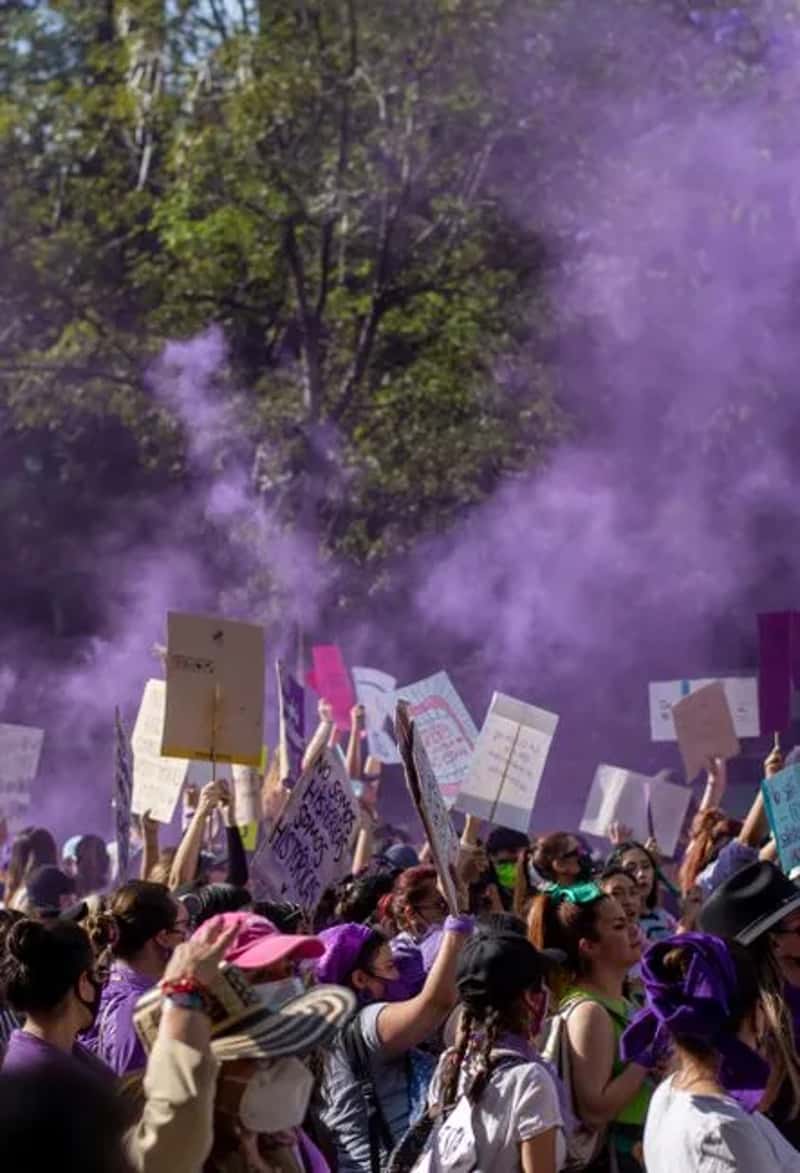
It’s tempting for any expat targeted by a pointed comment or graffiti to feel unfairly singled out, and sometimes that reaction is fair. Protests that turned destructive in 2025 did direct hostility at foreigners specifically, with graffiti reading “Get out of Mexico” and signs stating “Gringos, stop stealing our home” alongside demands to pay taxes, learn Spanish and respect local culture. Yet most researchers studying the issue insist the deeper causes sit elsewhere.
Housing scarcity predates the current wave of remote workers by well over a decade. Poor urban planning and a lack of new housing since 2010 contributed to a surge in prices and an outflow of longtime, lower-income residents, with national statistics showing Mexico City’s rate of new housing built between 2010 and 2020 was the lowest in the country. Locals who study this closely tend to see American arrivals as an accelerant on an existing fire, not the person who lit the match, even if that nuance gets lost during a heated protest.
Supporting neighborhood businesses matters more than symbolic gestures
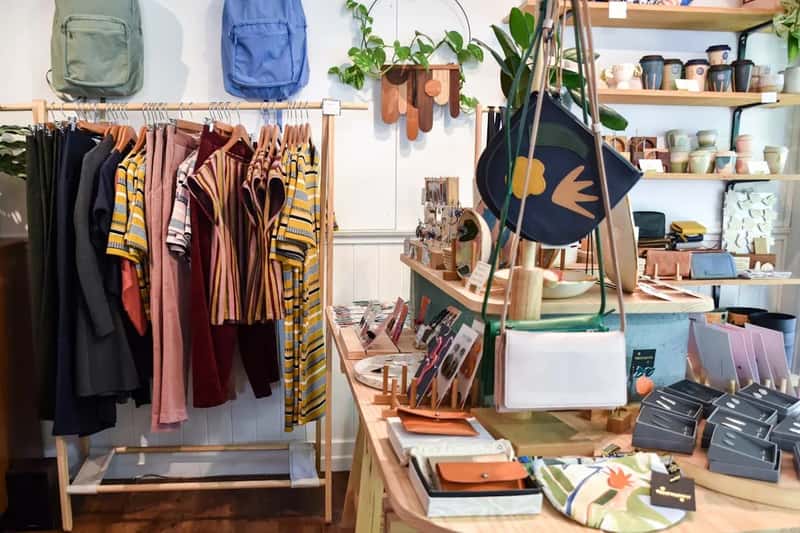
It’s easy to default to familiar chains or English-friendly spots that cater specifically to foreigners, especially in the first months of settling in. Locals notice this pattern quickly, and it reinforces the sense that newcomers are living parallel lives rather than shared ones. Advocates for a more thoughtful approach to relocation consistently point to the same basic habits: learning Spanish, supporting locally owned businesses instead of international chains, and advocating for affordable housing policies even when it means personal cost.
None of this requires grand gestures. Buying groceries at the neighborhood market instead of an imported specialty store, tipping a hairdresser fairly rather than performatively, or simply asking a shop owner about their day in Spanish adds up over time. These small, repeated choices are what locals actually notice, far more than any statement posted online.
Final thoughts
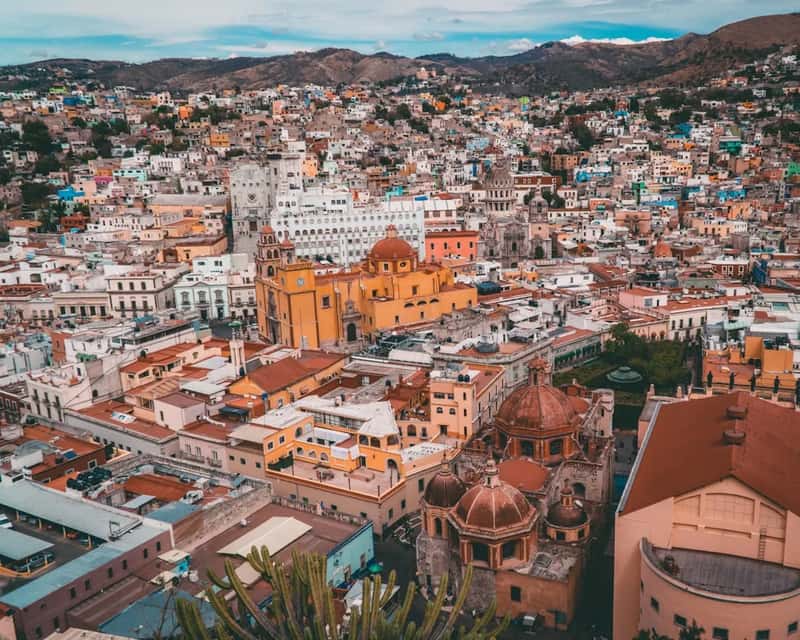
Mexico City isn’t asking Americans to leave, whatever a handful of angry signs might suggest. What most residents seem to want is simpler and harder at the same time: acknowledgment that their city is a home first and a lifestyle upgrade second. The rent increases, the language gap, the tipping habits, all of it points back to the same basic ask, that newcomers show up as neighbors rather than tourists with long leases.
None of this erases the genuine appeal of the city, its food, its culture, its energy that draws people from across the world. It simply means the welcome comes with a little homework attached, and locals notice who’s willing to do it.