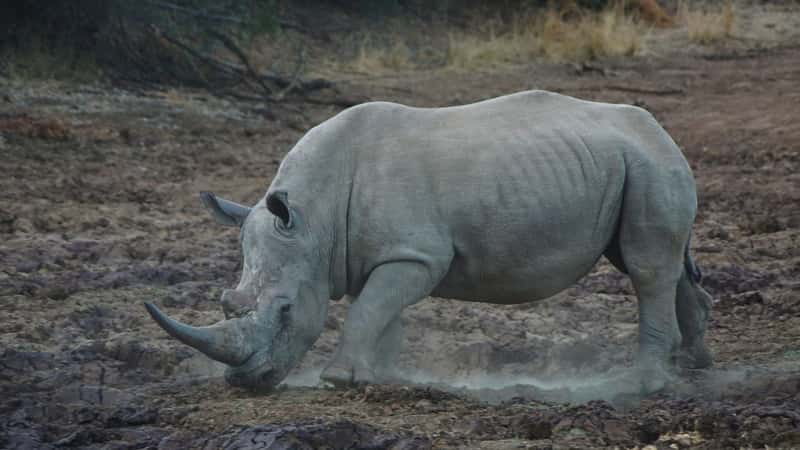
Mozambique completes first white rhino breeding population in decades – Image for illustrative purposes only (Image credits: Unsplash)
Zinave National Park, Mozambique – Nine female white rhinos reached the park on June 6 after a two-day journey from South Africa. Their arrival completed a nearly decade-long push to restore a breeding population of the species in an area where it had vanished for generations. The move brings the total number of white rhinos in Zinave to 39 and adds to an existing group of 22 black rhinos.
Translocation Marks a Turning Point
The rhinos came from Manketti Game Reserve and were moved by the Peace Parks Foundation, which manages the park. Regional manager Antony Alexander described the operation as a complete success. He noted that the animals appeared content to be back in open habitat. The foundation has coordinated similar transfers since 2022 as part of a wider recovery plan. The park spans roughly 4,090 square kilometers in Inhambane province. For years after Mozambique’s civil war it was known locally as a silent landscape with few large mammals left. Restoration work that began around 2016 has steadily reversed that decline through careful reintroductions and protection measures.
Multiple Species Strengthen the Landscape
White rhinos now join black rhinos, Selous’ zebra, African savanna elephants, leopards, and spotted hyenas that have been returned to Zinave in recent years. Each addition supports different parts of the ecosystem. The rhinos, as bulk grazers, consume large amounts of grass and help reduce the buildup of dry vegetation that can fuel wildfires. Park managers say the presence of these animals has already changed the soundscape and overall vitality of the area. Insect and bird activity has increased noticeably alongside the larger mammals. The combined population of rhinos now offers a foundation for natural breeding that has been absent for decades.
What the Milestone Means for Conservation
The arrival of the nine females creates the first self-sustaining white rhino group in Zinave in modern times. Continued monitoring and anti-poaching efforts will determine how quickly numbers grow. Similar projects across southern Africa have shown that translocated rhinos can establish stable populations when habitat quality and security are maintained. Travelers interested in African wildlife may soon find new safari options in the region as the park’s animal numbers rise. The recovery also demonstrates how long-term partnerships between governments and conservation groups can reverse local extinctions even in challenging environments.