Amsterdam’s famous canal bridges may look picture-perfect, but stepping onto one for the first time on a bicycle triggers an adrenaline rush that no guidebook warns you about. The city boasts 1,281 bridges spanning its waterways, yet these charming architectural features become genuine challenges when you’re balancing on two wheels amid Amsterdam’s relentless cycling culture.
Newcomers often underestimate how these seemingly innocent structures transform into nerve-wracking obstacles. Between the narrow pathways, unpredictable traffic patterns, and the constant threat of ending up in the canal below, these bridges demand respect and skill that most tourists simply don’t possess when they first rent a bike.
The Numbers Tell a Frightening Story
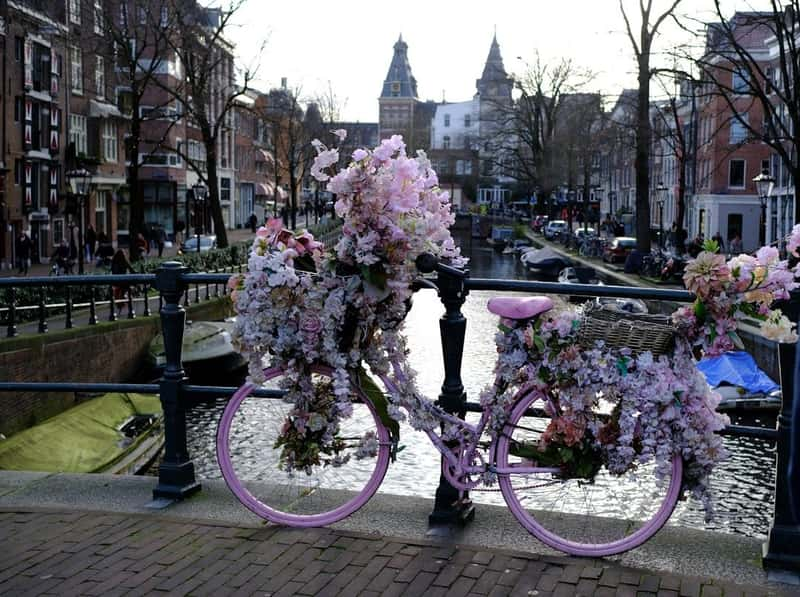
The statistics surrounding Amsterdam’s cycling safety paint a sobering picture that extends far beyond the bridges themselves. Every year between 12,000 and 15,000 bicycles are retrieved from the canals, with many ending up there after bridge mishaps. More than two-thirds of fatalities and serious injuries on Amsterdam roads involve vulnerable road users, namely cyclists and pedestrians.
Recent data from Amsterdam’s Cyclists’ Union reveals concerning trends. Some 310 accidents were reported in one year through their reporting system, though accidents with cyclists and pedestrians are often not attended by the police and thus not reported. The city’s own data shows that 4 times the number of people are injured in traffic accidents than was previously thought.
Medieval Infrastructure Meets Modern Chaos
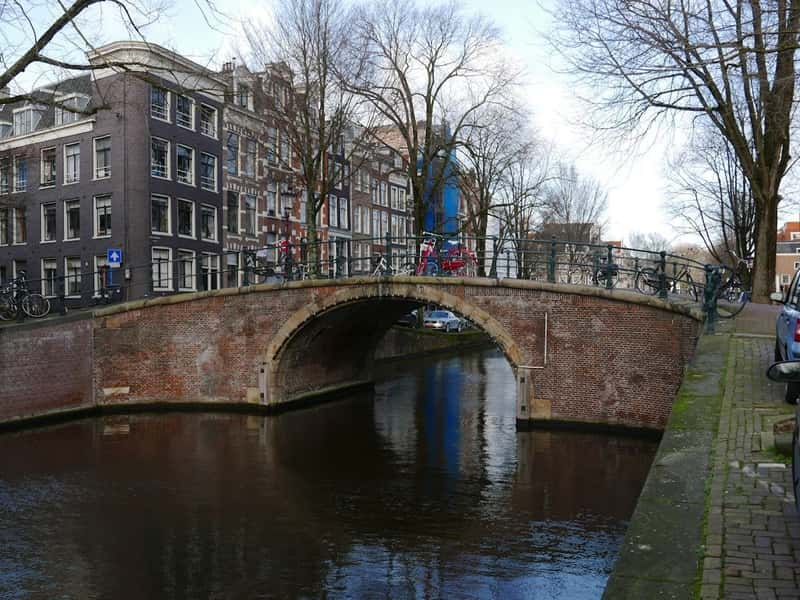
The medieval city of Amsterdam, which was founded in the late 12th century, has numerous car-hostile features: narrow streets and canals, and these same constraints affect cycling infrastructure today. The charming city center has many bridges, many designed centuries before anyone imagined the current volume of bicycle traffic.
These historic bridges weren’t built for roughly two-thirds of daily urban transportation being by bicycle. The narrow passages force cyclists into single-file lines, creating bottlenecks where inexperienced riders panic. What looks quaint from a tourist brochure becomes a terrifying funnel when you’re trying to maintain balance while dozens of confident locals stream past.
The Terror of Tourist Traffic Jams

Bridge traffic jams create unique psychological pressure for first-time cyclists. Water bike traffic jam feels like under a very narrow bridge, but on bicycle bridges, the stakes feel infinitely higher. You can’t simply stop and regroup when dozens of cyclists are bearing down from behind.
The city is finding solutions to speed differences brought about by the rise of the use of e-bikes, managing high numbers of tourists on bicycles, but these solutions haven’t eliminated the intimidation factor. Tourists wobbling uncertainly while locals zip past at alarming speeds creates a perfect storm of anxiety. The psychological pressure intensifies when you realize there’s literally nowhere to escape once you’re committed to crossing.
When Alcohol and Water Don’t Mix

Evening cycling presents additional hazards that make bridge crossings particularly treacherous. Drunk cyclists may also fall from bridges, contributing to the number of bikes in the canals, while cyclists lost in the dark or disoriented by fog may steer bikes off towpaths into canals.
The lack of safety barriers compounds these risks significantly. Tourists must be aware that there are no safety railings at these canals, and they have a slope on both sides, making it difficult to get out if you slip in. This reality transforms what should be scenic bridge crossings into genuine hazard zones, especially during Amsterdam’s famous nightlife hours when judgment becomes impaired.
Infrastructure Overwhelmed by Success

Amsterdam’s cycling success has created its own problems, particularly on bridge crossings where space cannot be easily expanded. Amsterdam’s present task is no longer cycling growth, but taming it. The city is finding solutions to speed differences brought about by the rise in the use of e-bikes, managing high numbers of tourists on bicycles.
Is the cycle path too narrow? Ultimately, it is often about how much space there is for cyclists and pedestrians. Many bridges simply cannot accommodate the current volume of bicycle traffic safely. The city’s efforts to address this include following the 2023 city-wide 30 km/h speed limit rollout; around 80% of streets now circulate at calmer speeds, though bridge design remains constrained by historical architecture.