Europe was my default vacation for years. Then the costs, the paperwork and the summer weather started to feel different, and I realized I was booking out of habit instead of choice. This isn’t a claim that Europe has become unvisitable. It’s an argument that the trip now deserves a harder look than it used to get.
Below are the specific changes that moved me from “automatic yes” to “not right now.” I’ve tried to stick to what official bodies and major news outlets have reported for 2025 and 2026. A few of the facts are still in flux, so where something is uncertain I say so.
The Border Now Records Your Face and Fingerprints

Europe’s Entry/Exit System began a phased rollout on 12 October 2025, and it became fully operational on 10 April 2026[1]. According to the European Commission, it replaces passport stamping with digitally recorded entries, exits or refusals of entry[1] for non-EU nationals on short stays. Travellers’ facial image, fingerprints and personal data from the travel document are also recorded.[1]
The Commission says the system is doing its security job. It reported more than 45 million border crossings registered[1] in the early phase. For travelers, the question is the queue. ABTA notes that implementation at individual borders may still vary[2], and one travel guide reported that several countries have used permitted flexibility to pause or ease checks during the summer peak[3]. I’d treat reports of multi-hour waits as anecdotal, but I’d also build far more buffer into any itinerary than I used to.
Another Authorization Fee Is on the Way
The next layer is ETIAS, the pre-travel authorization for visa-exempt visitors. The fee is €20 per application, tripled from the originally legislated €7 by a Commission decision adopted in July 2025.[4] It’s valid for three years or until the passport expires, whichever comes first.[4]
Twenty euros isn’t going to sink anyone’s budget, and it covers multiple trips. My concern is the steady accumulation of small hurdles. The Commission’s portal has pointed to a launch in the last quarter of 2026, but as of mid-August ABTA said the EU had not confirmed a date and that you could not yet apply[2]. Check the official EU travel portal before booking, because sites already selling authorizations are scams[5].
Tourist Taxes Have Become a Real Budget Line
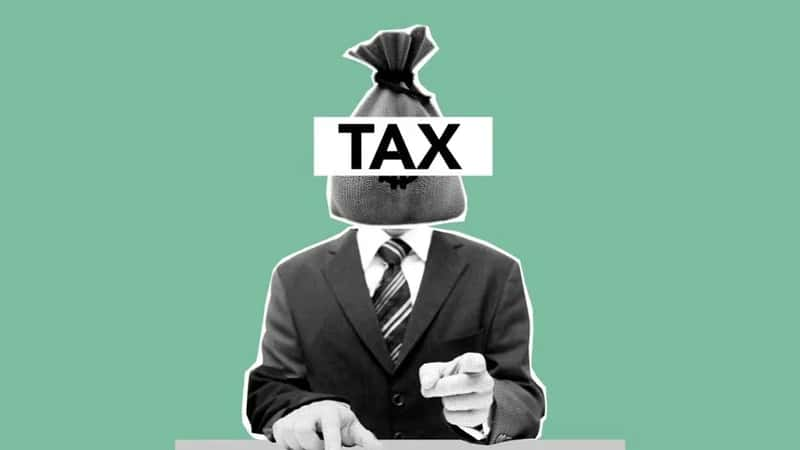
Nightly levies used to be a rounding error. In 2026 they aren’t. Barcelona officially doubled its tourist tax as of April 1, 2026[6], and holiday rentals are now taxed at the same rate as hotels[6]. Exact per-night figures vary by accommodation type and by source, so check your own booking before you trust any round number.
Amsterdam is the other big example. Its tourist levy is 12.5 percent of the overnight rate, excluding VAT[7], which makes it the highest in Europe, and VAT on short-stay accommodation rose from 9 to 21 percent on January 1, 2026[8]. One travel site estimated that a ten-night, three-city trip through Venice, Barcelona and Amsterdam could add roughly €80 to €150 in stacked taxes[9]. That’s a rough estimate, not an official figure, but it shows the direction of travel.
Summer Heat Is No Longer a Side Note
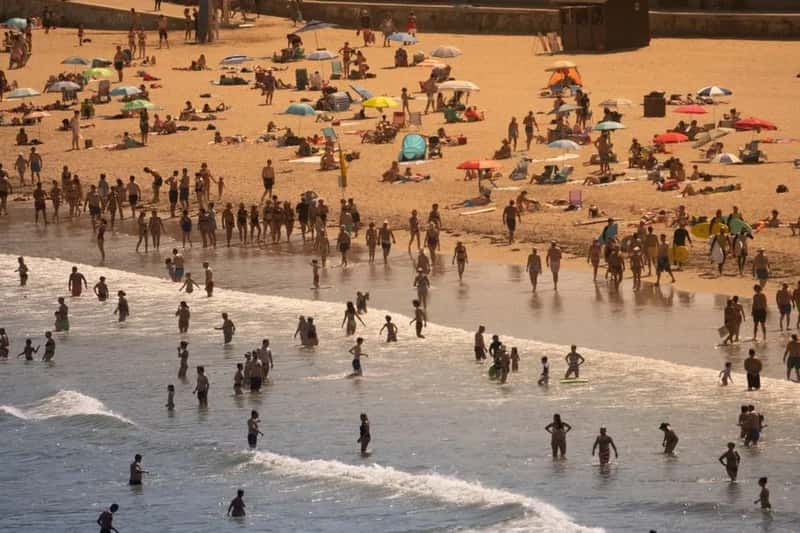
Europe is warming faster than the rest of the world. The EU’s Copernicus service has found that Europe is the fastest-warming continent, having warmed twice as fast as the global average since the 1980s[10]. In 2025, national June temperature records in Portugal and Spain were broken when readings passed 46 °C[11].
Summer 2026 added to that picture. CNN reported a fifth heat wave of the summer in parts of Europe[12] and said heat had killed more than 25,000 people across the continent this year, according to Bloomberg data[12]. Those figures cover residents, not just visitors, and many of the victims were older people. Still, a trip built around walking cities, queuing outdoors and climbing hills looks very different at 40 °C.
Wildfire Season Can Rewrite an Itinerary
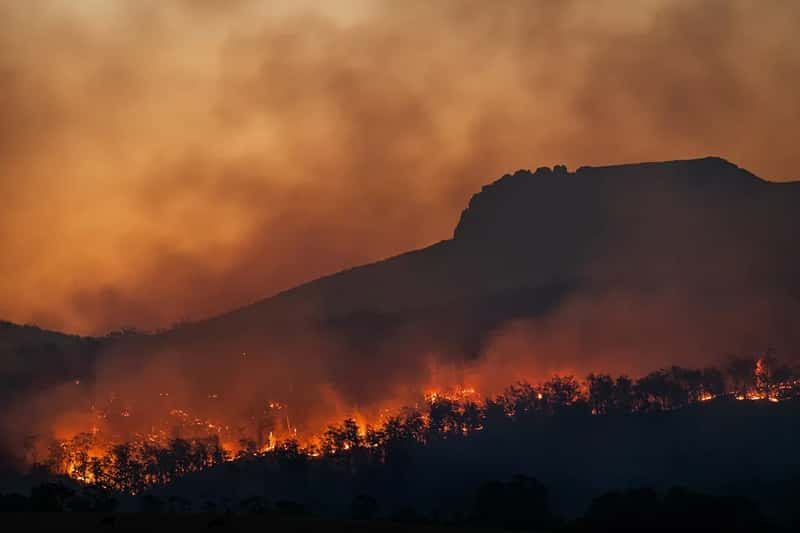
Heat feeds fire. The Commission’s assessment, as summarized by one tracker, put the area burned in the EU at 505,683 hectares by 5 August 2026, against 379,392 hectares by the same date in 2025[13]. The same source reported that fires had forced roughly 330,000 people from their homes in Spain and France alone by 4 August[13].
Most visitors will never be near a fire front. Even so, closures, smoke and evacuations can reshape a regional trip quickly, and travel insurance only goes so far once you’ve booked the season. Wildfire risk isn’t evenly spread across the continent, so I now look at the specific region and the month, not at “Europe” as a whole.
Crowds Are Pushing Cities to Push Back
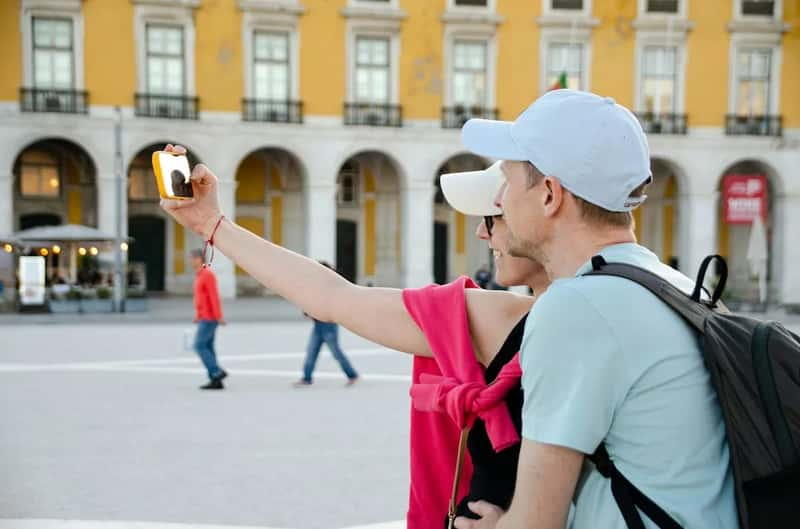
Several cities are now charging visitors in an openly corrective way. One roundup described 2026 as a year when Venice, Barcelona, Amsterdam and Edinburgh introduced or raised fees, mostly in response to the overtourism backlash[14]. In Barcelona’s case, the increase was framed as a response to the housing crisis and mass tourism protests[15].
Venice’s day-tripper fee shows how this plays out in practice. It now applies on 60 days of the year, up from 54 in 2025, at €5 if you book at least four days ahead and €10 if you don’t[14]. I don’t resent any of this, because residents have a point. It does mean the most famous places now feel more managed and more expensive, and less spontaneous.
What I Do Instead
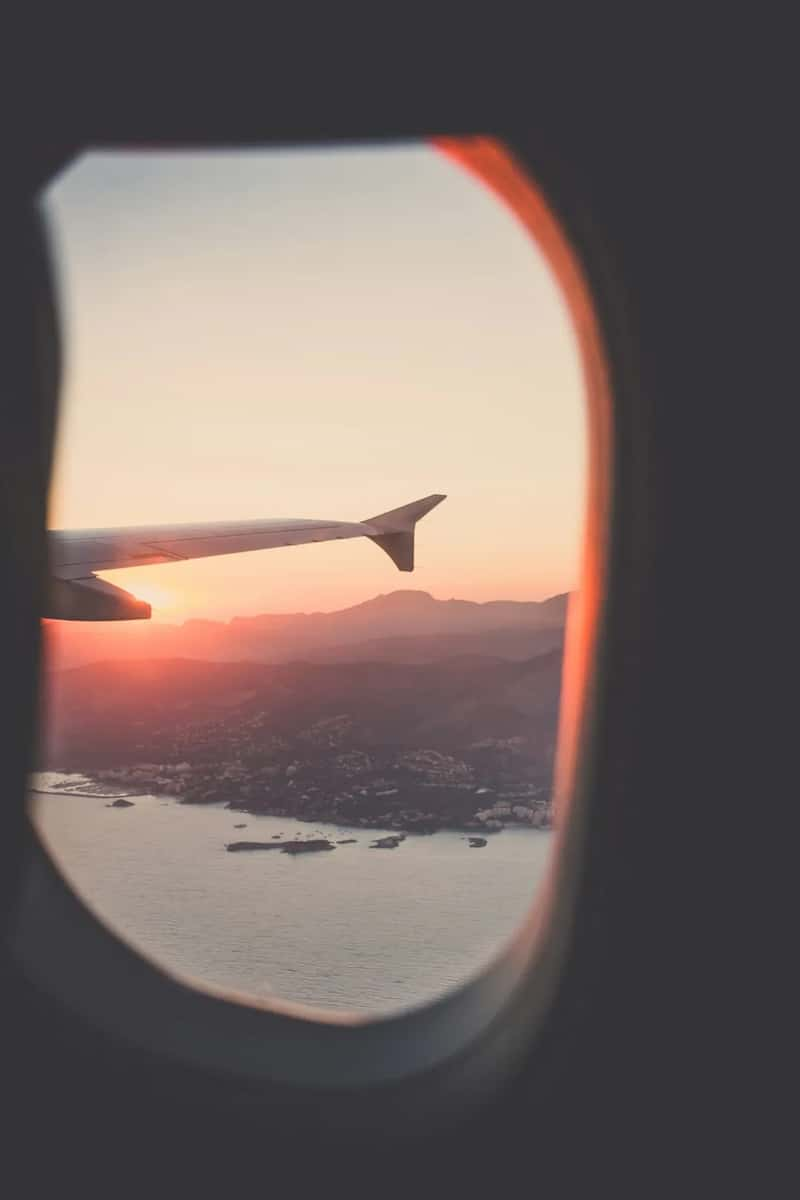
I haven’t stopped traveling, only the reflexive Europe-in-July trip. When I do consider Europe, I think about shoulder seasons, smaller towns and regions that aren’t the usual postcard picks. Moving the trip away from peak heat and peak crowds addresses several of the problems above at once.
I also compare it honestly with other destinations. Plenty of places are also raising fees. The same roundup noted that Bali, Japan, Thailand and Hawaii have all introduced or raised charges[14], so Europe isn’t alone. The point isn’t that everywhere else is cheap and easy. It’s that I now weigh the total cost, effort and risk before choosing.
Who Should Still Book the Ticket
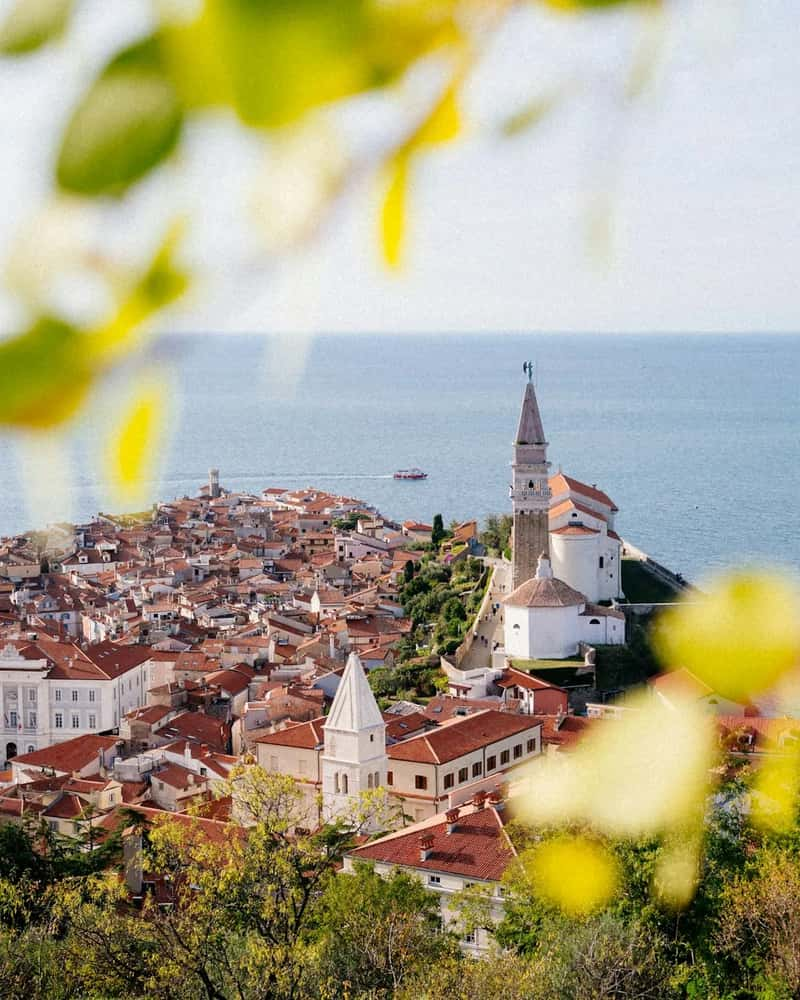
If you can travel flexibly, Europe remains hugely rewarding. A trip in spring or autumn, a stay in one place instead of three cities, and a plan with slack built in can avoid most of the friction I’ve described. The border system is a one-time registration at your first entry, and multi-city travelers only meet it at first entry and last exit[16], according to one guide.
It also helps to separate hassle from danger. A longer border queue or a €15 nightly tax is an annoyance. Extreme heat and wildfire smoke are safety questions, especially for older travelers, young children and anyone with heart or lung conditions. Be honest about which group you’re in before you plan around the hottest weeks.