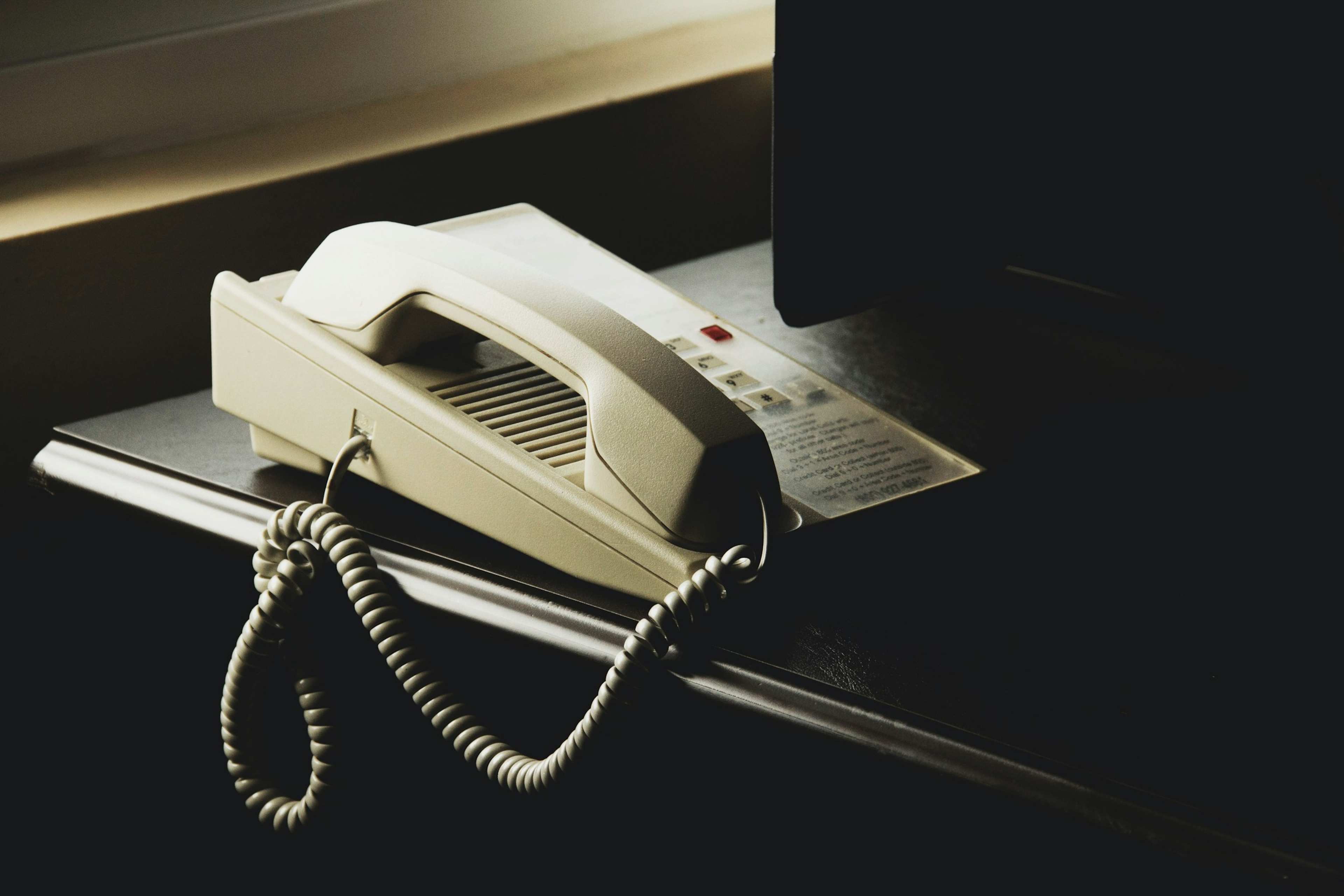
The room phone rings a little after midnight. A polite voice apologizes for the hour and says there’s a small issue with the card you used at check in. You’re tired, the room is dark, and the request sounds reasonable.
Plenty of guests never get a heads up that this call exists. Consumer offices, banks and the Better Business Bureau have been describing it for years, yet it keeps working. Here’s how it operates and why it fits a hotel stay so well.
The Call That Sounds Perfectly Reasonable
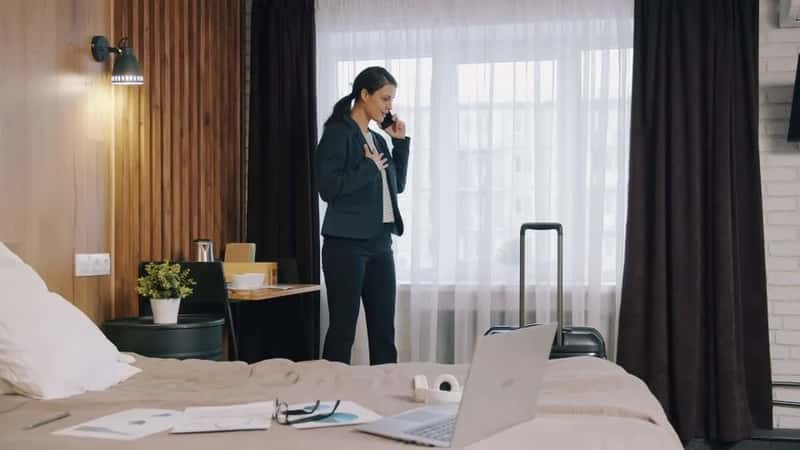
The pitch is usually simple. The caller claims there’s a problem with the card on file and asks the traveler to re-verify the credit card information.[1] Another version blames the hotel’s computers, with the caller saying the system is down and the card has to be reprocessed.
Massachusetts officials describe the same pattern. The scammer picks a room number at random, poses as a front desk employee, and says the card needs to be reprocessed or confirmed.[2] The story works because it matches the kind of small billing hiccup most travelers have seen before.
How a Stranger Reaches Your Room
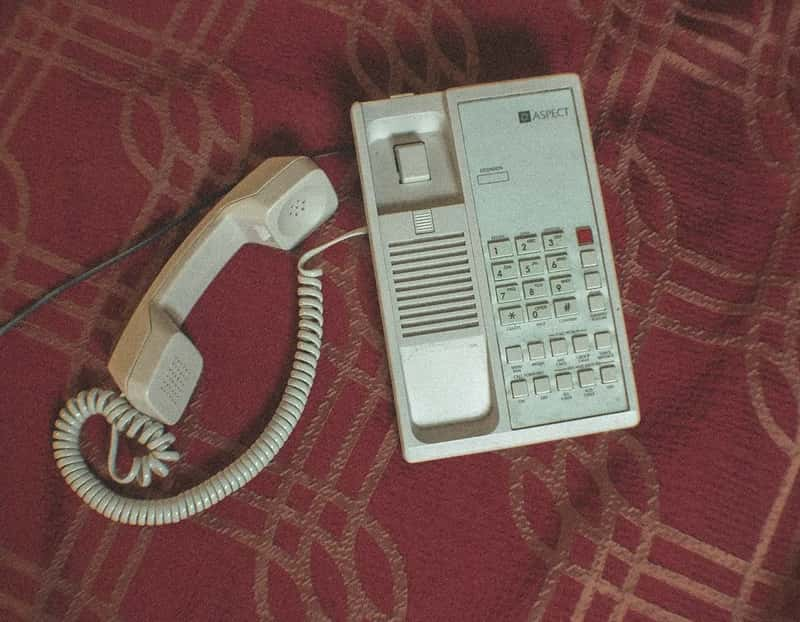
You might assume an outsider couldn’t ring your room directly. In practice, many hotel phone lines are set up so family and friends can dial into guest rooms from outside the hotel.[2] That convenience is also an open door.
Another route runs through the switchboard. Criminals call the hotel and ask to be connected to random rooms.[3] Once a staff member puts the call through, the scammer is on your line posing as the desk clerk.
Why Caller ID Offers No Comfort
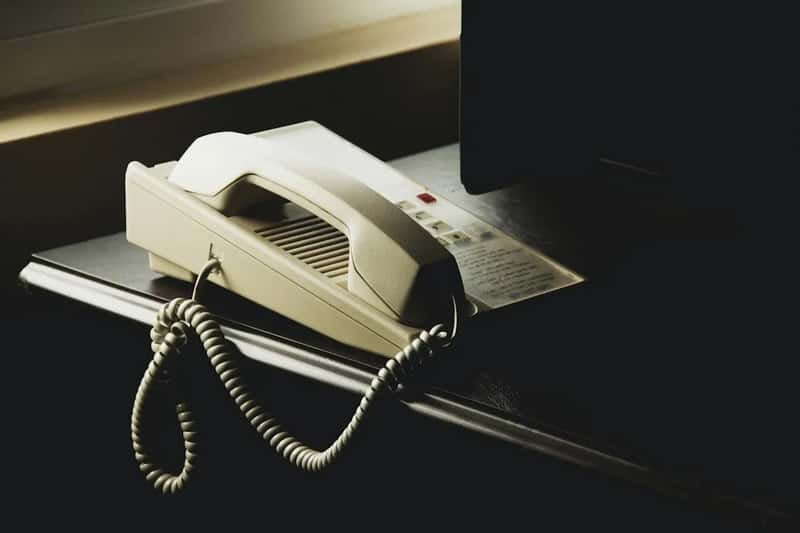
Glancing at the phone won’t settle it. A hotel security vendor, Venza, explains that the caller ID shows the front desk for internal transfers.[4] So a call that was transferred in from outside can look like it came from the lobby.
Reports in 2025 also described scammers making the hotel’s real phone number show up on caller ID screens.[3] The display tells you very little about where a call really started, which is why the safest check doesn’t involve the display at all.
Why Midnight Is the Chosen Hour

Timing is part of the trick. Massachusetts officials note that scammers generally call late at night or early in the morning to catch you off guard.[2] A groggy guest is less likely to stop and ask whether the request makes sense.
There’s a second advantage. Late night hours are especially risky when fewer staff are working,[3] so a guest has less chance of reaching a real person quickly. South Carolina’s consumer affairs office offers a useful rule of thumb: hotel employees rarely call guests after nine in the evening.[5]
What the Scammers Say to Keep You on the Line
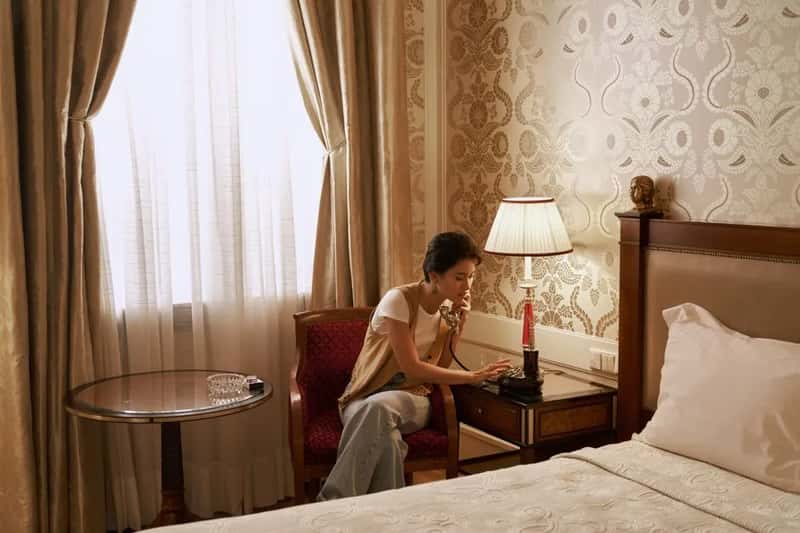
Urgency is the main tool, and sometimes sweeteners are added. Bank5’s Scott Correia said some scammers even offer discounts on hotel rooms to entice guests into giving up card information.[6] A discount makes the call feel like good news instead of a threat.
Pressure is the other lever. Massachusetts officials advise that if the caller threatens to kick you out of the hotel unless you provide a card number, you should hang up.[2] A real billing problem doesn’t need to be solved in the next ninety seconds over the phone.
Variations on the Same Script

The caller doesn’t always claim to be a desk clerk. A hotel in one Clark.com report warned guests about calls from someone claiming to be the General Manager or Management of the hotel.[7] The title changes, but the request for card details stays the same.
Some scams skip the phone call altogether. Travel writers have flagged fake takeout menus left in rooms, where the number collects the credit card information and the food never arrives.[1] The goal is identical, which is getting you to read out a card number to someone you can’t verify.
What the Losses Look Like

Nobody publishes a clean national tally for this specific scam. In April 2025, Bank5’s Correia estimated that victims have lost hundreds of thousands of dollars.[6] That’s an estimate from one banker, so it’s best read as a rough sense of scale.
Individual cases show how fast it can go wrong. In a case CBS Chicago reported from Skokie, Illinois, a hotel guest who gave out her information and was promised a discount later learned from her bank that she’d lost five thousand dollars.[8] Police there suggested using a credit card instead of a debit card for travel,[8] since debit cards are tied directly to a checking account.
Where the Warnings Actually Come From
The alerts tend to arrive from outside the hotel. Banks, state consumer offices and local Better Business Bureau chapters have been the ones sounding the alarm. In May 2025, a BBB representative in the Eastern Carolinas told a local station that scammers wait for the moment when you’ve arrived and your guard is down.[9]
Scale can be large when a hotel’s phone system is compromised. In an earlier case covered by NBC News, about twenty guests in one hotel got the call in a single night, and at least one gave out a card number.[10] A lodging association representative said someone had broken into the hotel phone system and reached guests directly.[10]
How to Check a Suspicious Call and What to Do If You Already Answered
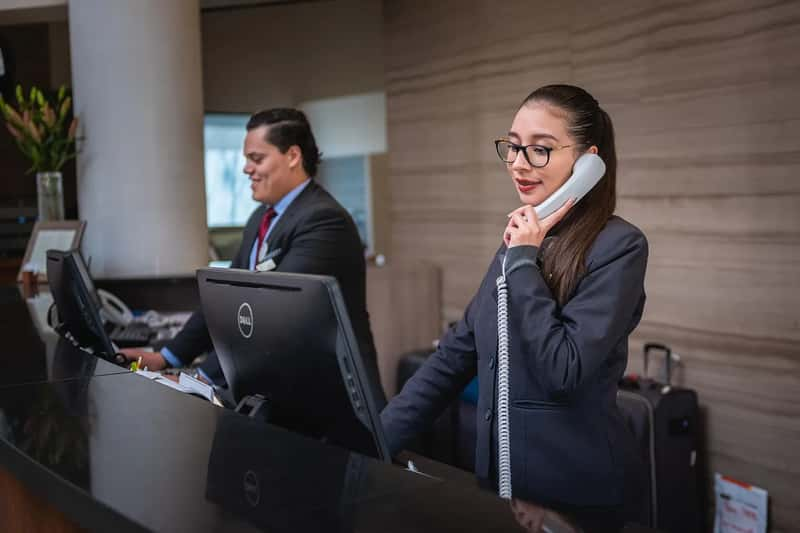
The fix is dull but dependable. Hang up, then go down to the lobby or call the front desk yourself using the number in the room’s phone directory.[3] Remember also that most hotels keep a card on file and don’t charge you until check out,[2] so a fresh request for payment details should stand out. Massachusetts officials add that you should report the call to the actual front desk so they can warn other guests.[2]
If you’ve already read your number aloud, contact your card issuer right away, using the number printed on the back of the card. Ask them to flag the account and replace the card. In the Skokie case, it was the bank that revealed the damage, so checking your recent transactions early gives you the best chance of catching it.