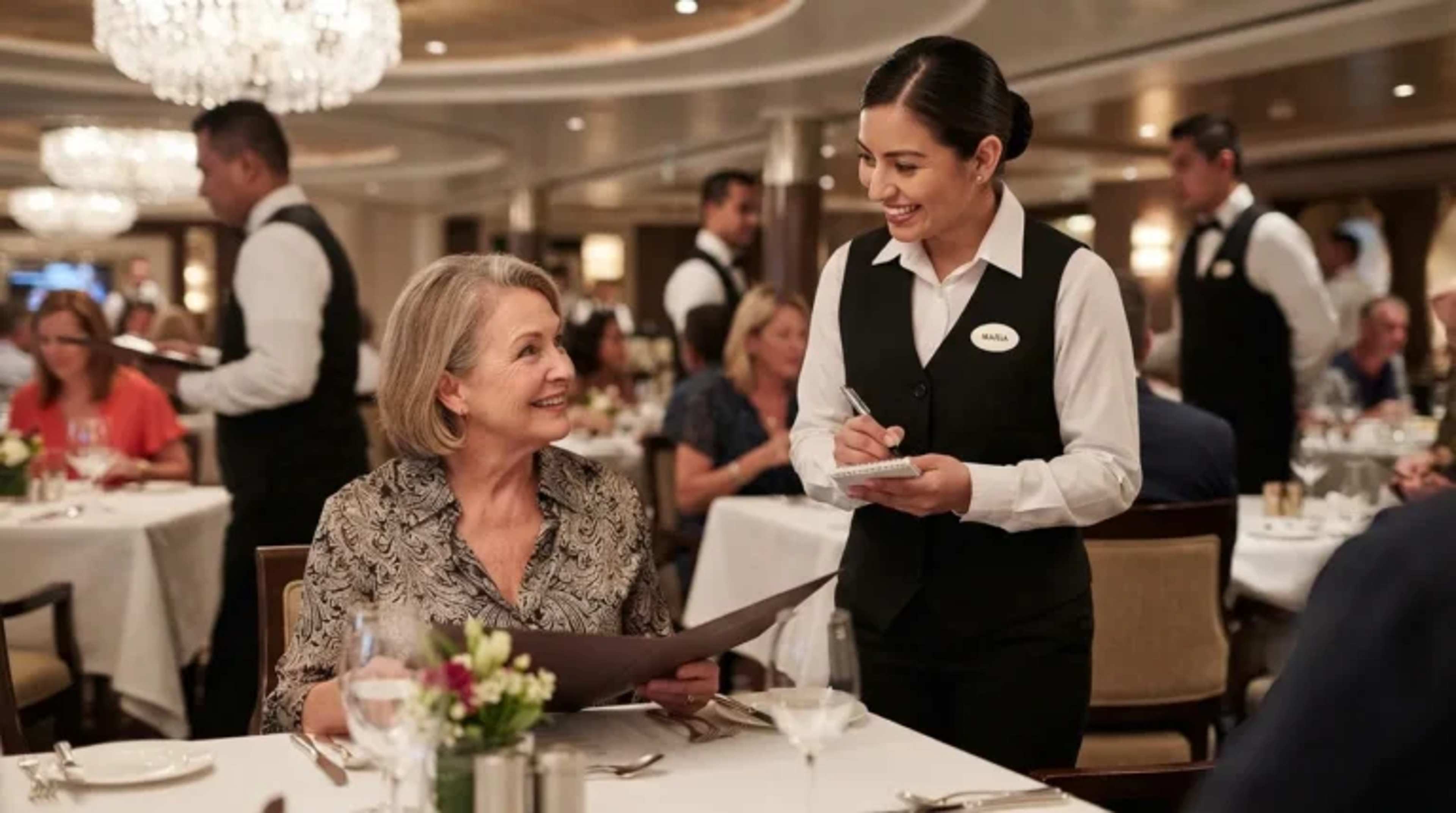
You walk into a hotel you haven’t visited in ten years. The front desk greets you by name before you say a word.
Your usual room is already assigned. A note on the pillow references something you mentioned on your very first stay.
Most guests chalk this up to luck, or one employee with an incredible memory. That assumption is almost always wrong.
What’s actually happening is more deliberate – and more revealing about how hotels really work – than most guests ever realize.
#7 – The “Magical” Moment at Check-In Is Engineered, Not Accidental
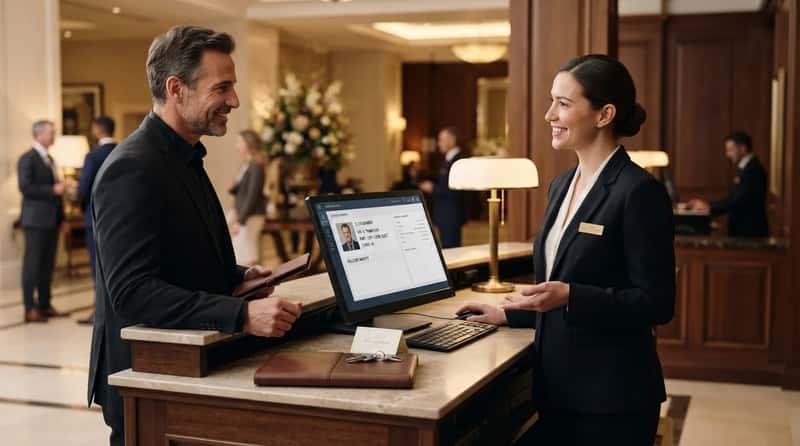
That warm greeting at a luxury hotel isn’t instinct. It’s infrastructure.
When loyalty status, stay history, and preferences surface automatically at check-in, staff don’t need memory – they need a screen. The agent who calls you by name and mentions your favorite floor read it thirty seconds before you walked in.
Front desk teams are trained to greet loyalty members by name, acknowledge their tier, and mention a real benefit before the guest asks. It’s considered one of the highest-leverage training investments a hotel can make.
The real secret? Recognition is a system, not a talent. Hotels that treat it as a talent lose it the moment a good employee quits. Hotels that treat it as a system keep it running for decades.
But the engineering goes deeper than a name on a screen. What’s actually stored in that guest profile would surprise most people.
#6 – Your Guest Profile Knows More Than You Think

Hotels aren’t just tracking your room type. They’re tracking almost everything.
Guest profiles log pillow preferences, dietary restrictions, special occasions, and full communication history across every department. That offhand comment you made to housekeeping about hypoallergenic pillows? It’s in there.
Fast Facts
- Bedding and pillow preferences, down to firmness
- Dietary restrictions and known allergies
- Special occasions like anniversaries and birthdays
- Full communication history across every department
- How a guest tends to respond to past upsell offers
Each stay adds more: room choices, ancillary purchases, dining habits, check-in times, even how you respond to past offers.
Ten years of compounded data means a hotel can know your habits better than most of your friends do. Some systems can surface your last stay, your last room, and your last dinner order without an employee ever digging through separate files.
And yet most hotels sit on this goldmine and barely touch it. The ones that actually use it are the ones guests never forget – and how they bridge that gap comes down to one system almost nobody talks about.
#5 – The Ritz-Carlton Built a Legendary System Specifically for This
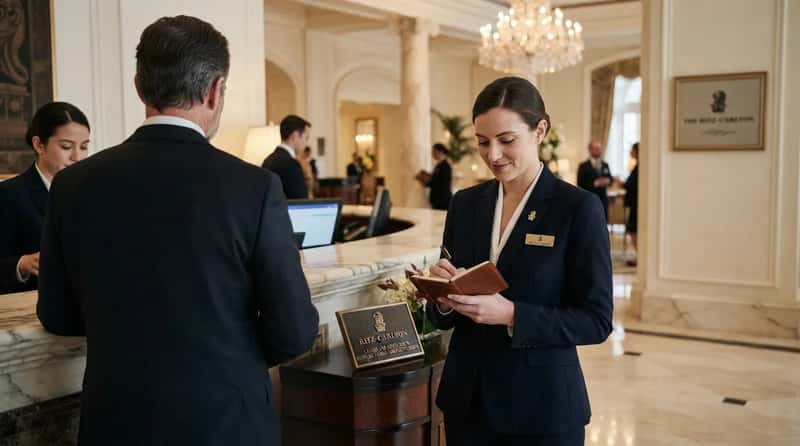
Some hotels talk about guest recognition. The Ritz-Carlton systematized it decades ago and gave it a name: Mystique.
The system tracks everything from a guest’s pillow preference to scuff marks on an elevator wall, then makes that information available to every employee who might need it.
Staff carry “preference pads” to jot down anything they notice – a favorite drink, a dietary need, a passing comment – which then feeds into Mystique.
We are Ladies and Gentlemen serving Ladies and Gentlemen.
The Ritz-Carlton Credo
That means the waiter who noticed you drink your coffee black is contributing to a file that follows you across every Ritz-Carlton on earth. Employees also carry a $2,000 discretionary fund they can spend on a guest without asking a manager first.
This is where most hotels stop – at the single-property level. But what happens when a chain has hundreds of properties across dozens of countries? That’s where things get genuinely complicated.
#4 – Cross-Property Memory Is Harder Than It Looks – And Most Hotels Fail At It

Here’s a secret the hospitality industry rarely admits: most guest data doesn’t actually travel.
A guest stays at a city hotel. The barista learns she drinks oat milk lattes, the front desk notes her firm-pillow request, housekeeping clocks her late-checkout habit.
Three months later she books the same brand’s beach resort. Nobody there knows any of it – she’s a first-time guest again.
Quick Compare
- Single property, no chain integration: Staff notice fast, but the memory stays trapped in that one hotel
- Chain-wide, weak systems: Data sits in silos, so guests restart as strangers at every new address
- Chain-wide, strong systems: Preferences and history travel with the guest to any property worldwide
This isn’t because the data doesn’t exist. It’s because it lives in the wrong place.
The brands that remember a guest ten years later are the rare ones that solved the data plumbing problem, not just the customer service one. Global chains like Marriott have invested heavily in systems that integrate reservation data, stay history, and preferences precisely to prevent that “first-time guest again” failure. But even the best systems run into a human problem technology alone can’t fix.
#3 – The Human Layer Is What Makes the Data Feel Like Magic

Raw data in a CRM is just a spreadsheet. What turns it into a memorable moment is the person who acts on it.
The best luxury hotels build a culture where curiosity and empathy are trained behaviors, not personality quirks. That’s the line between a name on a screen and a moment a guest actually remembers.
Worth Knowing
- A CRM can flag a birthday or a favorite drink – but a human still has to act on it
- Empathy and curiosity are trained skills at top hotels, not personality quirks
- Staff are often rewarded for noticing small details, not just following checklists
- Without the human layer, personalization can feel robotic instead of warm
The hotels that retain guests for a decade are the ones where culture and technology reinforce each other. Data surfaces the detail; the employee delivers the moment. Remove either one and the whole effect collapses.
And when it does work – when the system and the person align – the financial return is staggering.
#2 – Guest Recognition Has a Measurable Bottom Line
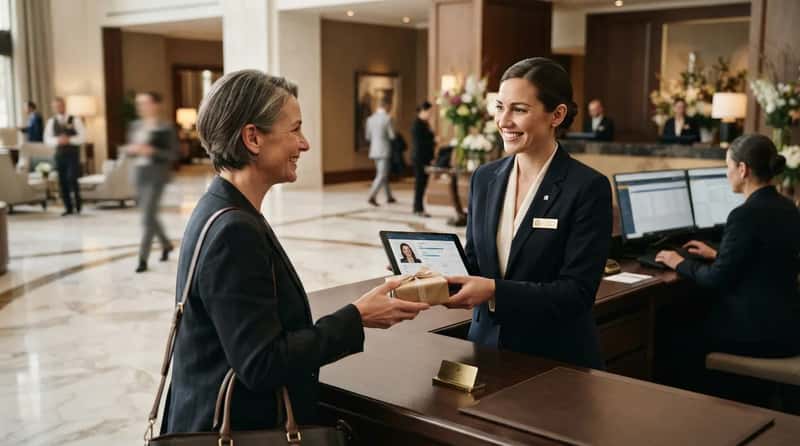
This isn’t just about warm feelings. Remembering guests is one of the most profitable things a hotel can do.
Research shows 94% of customers choose to purchase from brands they’ve already used. That number alone should end any debate about whether guest memory is worth the investment.
One hotel chain that rolled out CRM-driven personalization saw repeat bookings climb 25% in a single year. A boutique resort that paired a tiered loyalty program with its CRM saw loyalty enrollment jump 40%, along with a real bump in direct bookings.
At a Glance
- 94% of customers favor brands they’ve already purchased from
- +25% repeat bookings after one chain rolled out CRM-driven personalization
- +40% loyalty enrollment after pairing a tiered program with CRM data
- OTA commissions typically run 15%-25% per booking – a cost direct bookings skip entirely
Direct bookings matter enormously – every OTA reservation costs the hotel a commission, and a guest the hotel already knows is far more likely to book direct. Loyalty doesn’t just build retention. It quietly moves revenue out of a middleman’s pocket and back into the hotel’s.
That’s the business case. But what actually separates the hotels that remember you from the ones that don’t comes down to one thing most guests never consider.
#1 – The Hotels That Remember You Ten Years Later Made a Culture Decision, Not a Technology Decision

The technology is available to almost every hotel today. The ones that still remember you a decade later chose to build something most hotels treat as optional.
Guest data can predict future behavior well enough to let a hotel offer something before a guest even asks for it. But deploying that takes ongoing commitment from leadership, not a one-time software purchase.
Hotels with deep loyalty-system integration report far fewer complaints about the single most common guest grievance: not being recognized. That feeling of invisibility is exactly what sends guests to a competitor.
The hotels that still know your name after ten years didn’t get lucky with staff retention. They built systems that outlast any single employee. A loyalty program captures real guest data at enrollment, and that data is what makes years of personalized outreach possible at all.
Trust deepens when recognition feels human rather than scripted. The hotels that master that balance – structured enough to remember, human enough to feel spontaneous – are the ones guests return to for life.
The Bottom Line

Most guests credit long-term hotel recognition to exceptional staff or sheer luck. The truth is far more intentional.
The hotels that remember you a decade later built compounding data systems, cross-departmental sharing protocols, and cultures where every employee – from the barista to the housekeeper – feeds the same guest profile.
The Ritz-Carlton’s Mystique, deep CRM integrations, and empowered front-line staff are the real engine behind those “magical” moments. It’s not memory. It’s architecture.
Which hotel has genuinely surprised you by remembering something you never expected them to recall? Drop it in the comments – we’d love to know.
Bonus: The One Move That Forces Any Hotel to Remember You
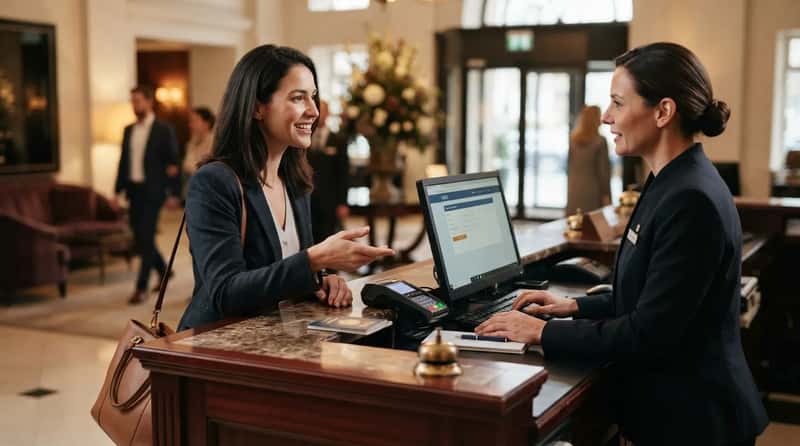
Cross-property data sync fails constantly, even at major chains. You can bypass the whole problem by creating your own redundant paper trail that no software glitch can erase.
- Enroll in the hotel’s loyalty program before your very first stay, and use that same membership number for every reservation, every time, no exceptions.
- During check-in or check-out, verbally state one specific preference (pillow type, floor, room number, favorite drink) and ask the agent to “add this to my profile notes.”
- Follow up within 24 hours with a short email to the property or loyalty desk repeating that same preference in writing – this creates a second, searchable record tied to your name.
- On every future booking, use the app’s “special requests” field to restate the same preference again, so even a hotel with weak cross-property systems sees a consistent, repeated signal.
Redundancy is the trick. A hotel doesn’t need a perfect system to remember you – it just needs the same detail to show up in three places instead of one.