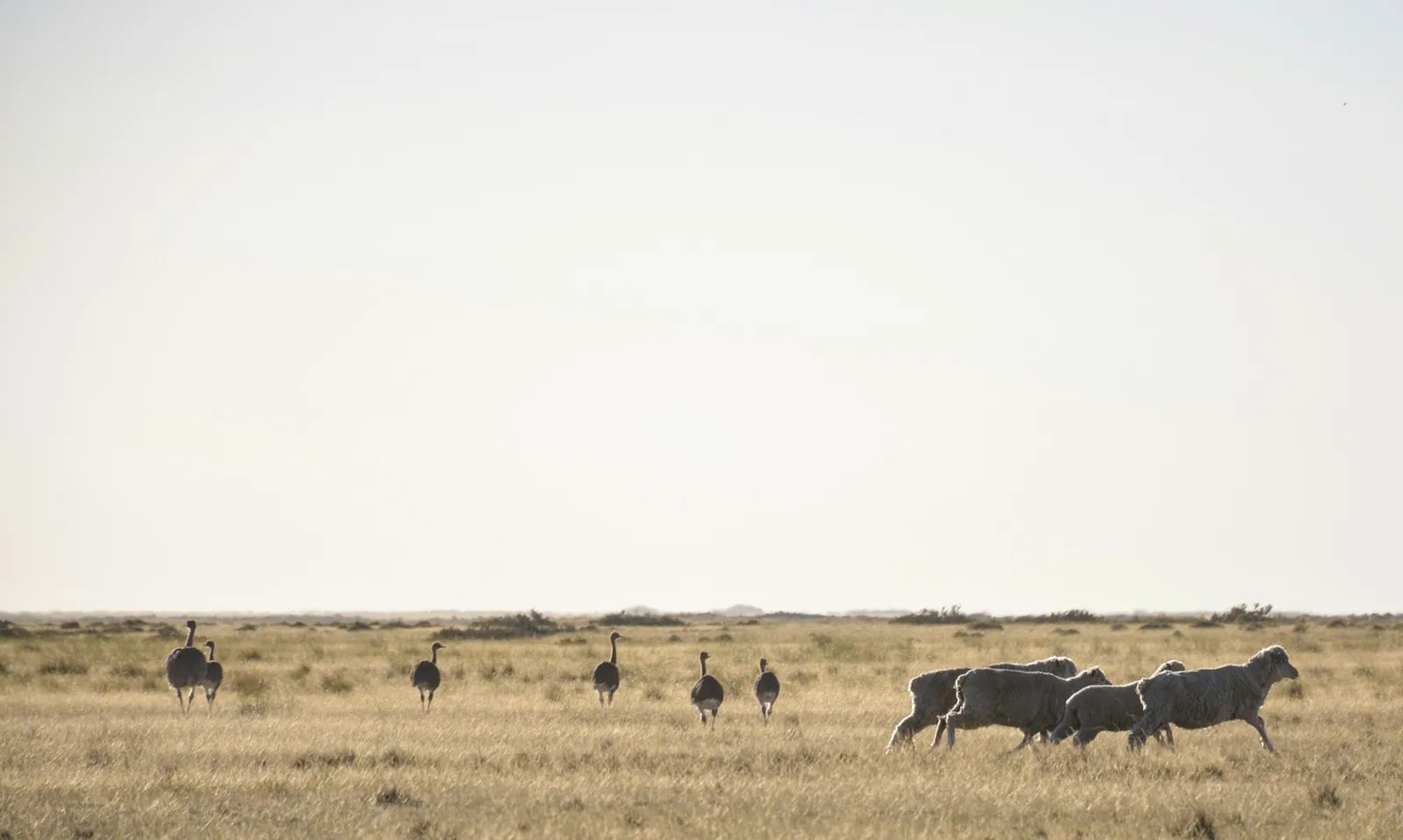
Patagonia National Park, Chile – A team of women rangers has spent months preparing 13 Darwin’s rheas for release into the wild as part of a broader effort to restore native wildlife in the Chacabuco Valley. The work, supported by the Rewilding Chile Foundation, addresses decades of habitat fragmentation caused by ranching operations that once dominated the area. The planned release in April 2026 marks a concrete step in reversing those changes through sustained on-the-ground management.
Land Changes That Shaped the Current Effort
For more than a century, sheep and cattle ranching transformed the Patagonian steppes in what is now the national park. Extensive fencing divided open landscapes and limited movement for species such as the Darwin’s rhea, a large flightless bird native to the region. Those barriers contributed to sharp declines in local populations. When former ranchlands were acquired and converted for conservation, thousands of kilometers of fencing were removed. This practical adjustment reopened migration routes and allowed native vegetation and wildlife to recover over time. The rewilding approach focuses on removing human-made obstacles rather than intensive intervention at every stage.
Daily Work of the Ranger Team
The women rangers handle round-the-clock care for the birds ahead of their release. Their responsibilities include monitoring health, managing feeding schedules, and securing enclosures against threats. Harsh weather conditions in the remote valley add to the demands of the job. The team also contends with predators such as pumas and occasional illegal livestock grazing that can disturb the recovering ecosystem. These tasks require consistent presence and coordination with the Rewilding Chile Foundation to maintain progress toward the April 2026 release date.
Timeline and Practical Outcomes
Preparations intensified in the weeks before the scheduled release, with the rangers documenting each bird’s condition and behavior. The April 2026 milestone follows earlier phases of habitat restoration that began after the land acquisitions. Success depends on the birds adapting to open terrain once fences no longer restrict movement. Stakeholders, including park staff and foundation personnel, track survival rates and ecosystem responses in the months that follow. This measured sequence of steps illustrates how targeted land management can produce observable shifts in wildlife presence without promising immediate large-scale recovery.
Looking Ahead After the Release
The release of the 13 birds represents one milestone within a longer process of landscape recovery. Continued monitoring will show how the rheas integrate into the restored steppe environment. The effort underscores the value of sustained ranger involvement in remote protected areas where weather, predators, and residual land-use pressures remain factors. Over time, such projects can contribute to more resilient ecosystems in southern Chile.