There’s a certain kind of airport confidence that takes years to build. Veteran travelers glide through terminals like they’re walking to their own kitchen – boarding pass up, shoes already slip-ons, laptop already out before the bin even appears. First-timers, though? They give themselves away in the first thirty seconds. And that’s not a judgment. Everyone boards their first flight eventually. But some of these tells are so specific, so painfully recognizable, that even other passengers start quietly rooting for you from across the security line.
The real surprise isn’t the big, dramatic mistakes. It’s the small, invisible stuff – the habits nobody puts in the brochure, the rules you only learn by living them once. Some of these will make you laugh. At least one will make you wince in recognition. Here are all 13, counting down to the most telling of them all.
#13 – Bringing a Full Water Bottle to the Security Line

This rule has been in place since 2006 and yet, every single day, a full Hydro Flask ends up in a TSA trash can. The agent has to pull the bag, search it, confiscate the bottle, and restart – while the entire line behind that traveler watches in collective, silent frustration. It’s one of the most avoidable delays in any airport, and it happens hundreds of times a day across the country.
The fix takes about four seconds of planning. Bring an empty reusable bottle, carry it through the checkpoint, and fill it on the secure side – every major terminal has a water fountain or bottle-fill station past security. Frequent flyers figured this out on flight number two. The rookie watches their brand-new 32-ounce bottle get tossed before they’ve even found their gate.
Fast Facts
- TSA’s liquid rules have been enforced since August 2006 – nearly two decades of the same policy.
- Forgotten water bottles consistently rank among the top confiscated items at U.S. checkpoints.
- Bringing an empty bottle through security is completely allowed – fill it for free once you’re past the checkpoint.
- TSA checks container size, not the liquid amount – a half-empty 32-oz bottle is still a violation.
#12 – Wearing Boots, a Belt, and Metal Everything to Security
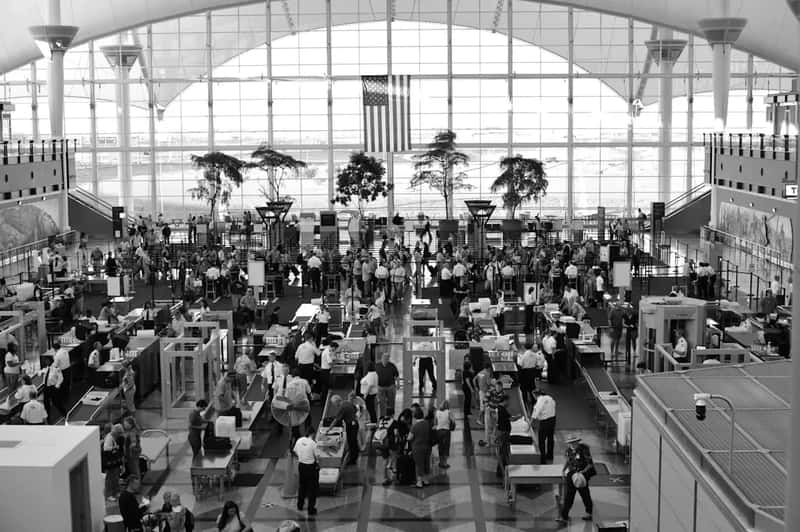
Chunky lace-up boots, a metal belt buckle the size of a belt buckle from a Western film, a fistful of rings – nobody dressed like this is a regular flyer. Every piece of metal you wear is something you’ll be asked to remove, something that can trigger an alarm, and something that slows down the line for everyone standing behind you. The TSA recommends slip-on shoes, no belt, and minimal jewelry, and experienced travelers treat this like a pre-flight uniform.
The seasoned traveler shows up in sneakers they can kick off in two seconds and a jacket with no hardware. They’ve learned this the hard way – once, in a slow line, with their boots untied and everyone watching. That experience tends to be very educational. The forgotten culprit that catches even slightly experienced travelers: loose change and keys left in a pocket, sending them back through the body scanner for a second, humbling pass.
#11 – Walking Straight to the Airline Counter to Check In
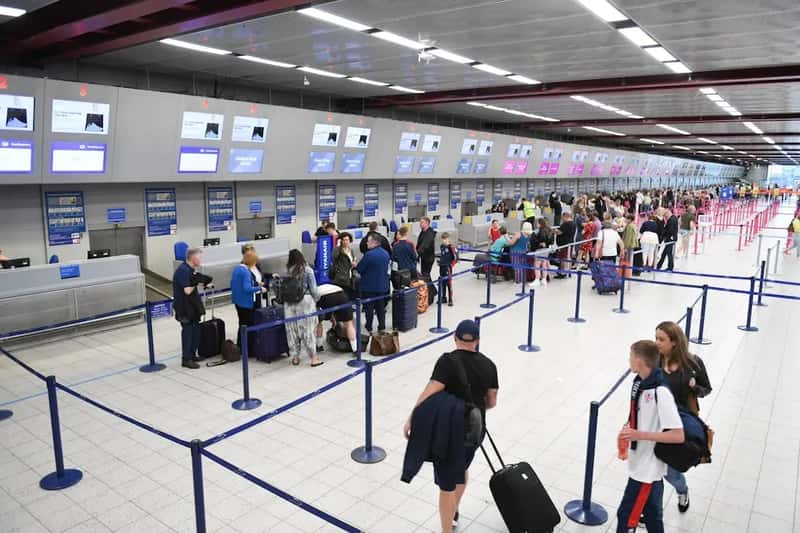
Standing at the airport check-in counter with a paper confirmation email, waiting for an agent to assign a seat – this is a move that hasn’t been necessary at most U.S. airports in well over a decade. Airlines open online check-in 24 hours before departure. That window locks in your seat, lets you pay for bags at a lower price than the counter charges, and lands a mobile boarding pass directly on your phone. Skipping it means you arrive to find the good seats are long gone.
Frequent flyers set a phone reminder for exactly 24 hours before their flight, check in the moment the window opens, and sometimes snag an exit row upgrade for free simply because they were first in line digitally. The counter is for bag drops and special situations – not for routine check-in. Experienced travelers haven’t spoken to an airline counter agent for a standard domestic departure in years.
#10 – Standing in the Wrong Security Lane

Walking confidently into the TSA PreCheck lane without the indicator on your boarding pass is a classic – and so is the reverse: standing in a 45-minute standard lane while a shorter one sits wide open ten feet away. The signs at every checkpoint tell you where to go. Frequent flyers read those signs before they even join the queue. They scan the options, pick the fastest lane, and move.
TSA PreCheck is one of those things that sounds like a luxury until you’ve used it once – no removing shoes, no pulling out your laptop, no taking off your belt, no separate liquids bag. New membership costs up to $85 for five years, and about 99% of PreCheck passengers wait less than 10 minutes at security. Spotting someone with the PreCheck checkmark on their boarding pass shuffle into the standard line anyway? That’s someone who didn’t realize they had it. A first-timer in a different way.
Quick Compare
- Standard lane: Shoes off, laptop out, belt off, liquids bag removed, jacket off
- TSA PreCheck lane: Shoes, belt, and light jacket stay on; laptop and liquids stay in your bag
- Cost: Up to $85 for a 5-year membership (~$1.40/month) – many travel credit cards cover the fee entirely
- Wait time: ~99% of PreCheck passengers wait under 10 minutes, vs. potentially 45+ minutes in standard lanes on peak days
- Availability: Over 200 U.S. airports and 90+ participating airlines
#9 – Frantically Digging for ID at the Document Check
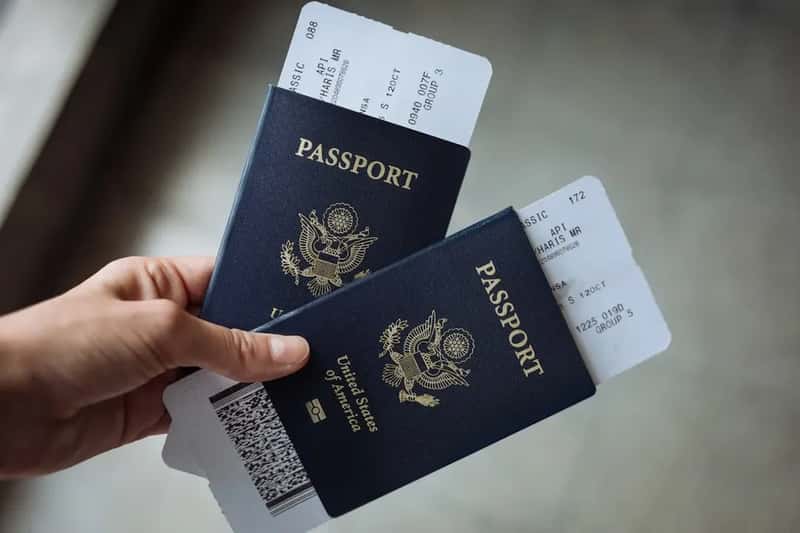
The line moves forward. It’s your turn. And then – the unzipping begins. Three compartments. A cross-body purse. A jacket pocket. A backpack side sleeve. Forty-five seconds of searching while the TSA officer waits, the line watches, and you feel your face go red. This scene plays out hundreds of times every day, and it is completely, entirely avoidable.
Your ID and your boarding pass should be in your hand before you reach the front of the line – not still inside your bag. Most travelers use a phone as their boarding pass now, which means the phone should be unlocked, the app open, and the barcode visible before you step up. Experienced travelers treat the walk from the entrance to the document checker as prep time, not waiting time. By the time they reach the podium, their hand is already extended.
#8 – Blocking the Conveyor Belt While Getting Reorganized
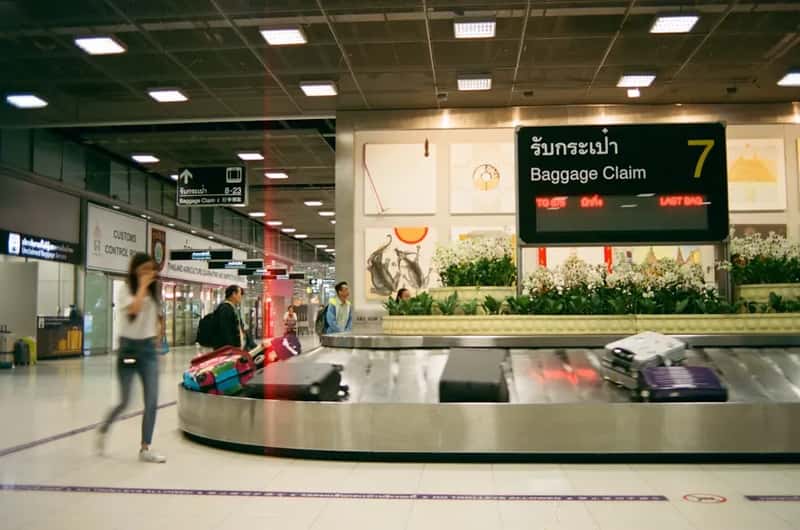
Your bins come through. Your bag appears. And instead of grabbing everything and moving, you stop – right there, at the end of the belt – to put your belt back on, lace up your boots, tuck your laptop away, and reorganize your backpack while other people’s belongings pile up and jostle behind you. The conveyor keeps moving. The bins keep coming. The people behind you say nothing, but their eyes say everything.
The unspoken rule of every security exit is simple: grab your stuff and walk ten feet to a bench or a wall. Reassemble yourself there. The belt is not a dressing room. Seasoned travelers scoop everything into one arm in a single motion and move before they’ve even taken a full breath. They’ve been on the other side of that bottleneck enough times to know exactly how it feels.
#7 – Arriving Four Hours Early – or Sprinting in With Fifteen Minutes Left
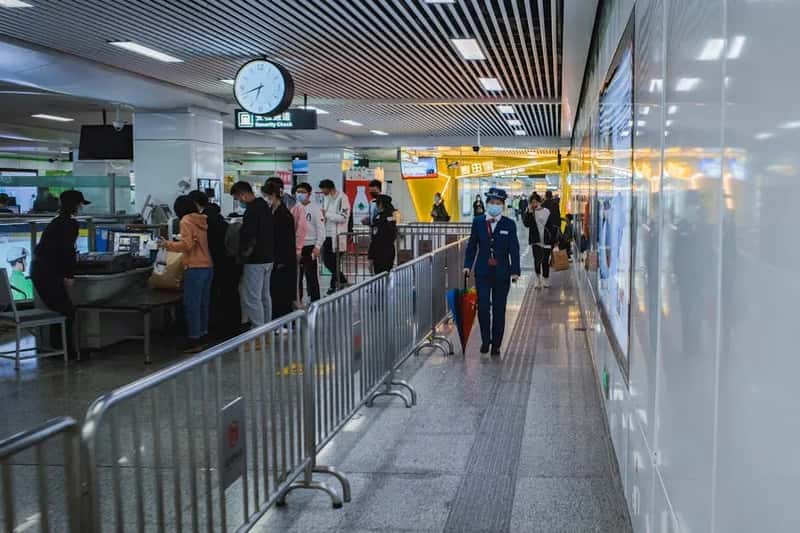
Both extremes give you away. The traveler who arrives at 5 a.m. for an 8 a.m. domestic flight has clearly never sat in an empty terminal for three hours wondering what to do with themselves. And the person sprinting past the Starbucks with their roller bag bouncing behind them, gate agent already on the radio – that person gambled and nearly lost. Experienced travelers have this calibrated. Ninety minutes for domestic, two to three hours for international, and they check the TSA wait-time app before they leave the house.
At busy U.S. airports on peak travel days, security alone can eat 45 minutes or more. That buffer isn’t paranoia – it’s math. Frequent flyers know their home airport, know which mornings are brutal, and know when they can cut it closer. The goal is arriving calm, not arriving early enough to watch the airport open. And definitely not arriving to hear your name on the overhead speaker with a gate-closing warning attached to it.
At a Glance: The Smart Arrival Window
- Domestic flight, small airport: 90 minutes is usually comfortable
- Domestic flight, major hub (LAX, ORD, ATL): 2 hours minimum on peak travel days
- International flight: 2.5 to 3 hours – customs, longer lines, and more steps
- With TSA PreCheck: You can safely trim 20-30 minutes off those estimates
- Pro move: Check the TSA Wait Times app before you leave home – it’s free and updated in real time
#6 – Still Not Knowing the 3-1-1 Liquids Rule

The rule took effect in 2006. That’s not a recent development – it’s been in place long enough for children born after it to now be adults who are also breaking it. Liquids, gels, creams, aerosols, and pastes must be in containers of 3.4 ounces or less, all fitting inside one clear, quart-sized, zip-top bag. One bag per person. Full-sized shampoo, perfume, lotion, or hairspray does not fit this rule, no matter how optimistic you are at the packing stage. And here’s the catch most people miss: TSA checks the container size, not how much liquid is inside – a half-empty 6-ounce bottle gets confiscated just the same.
When someone shows up with a full-sized bottle of something, the TSA officer has to pull the bag, search it, explain the rule, and throw the item away – while the line watches and the belt backs up. Frequent flyers have a pre-packed, permanently compliant toiletry bag that never gets unpacked between trips. It’s one of those systems that sounds overly organized until you realize it’s saved them from the trash-can moment at least a dozen times. A few items that catch people by surprise: peanut butter, hummus, and yogurt all count as liquids under this rule and are among the most commonly confiscated food items at U.S. checkpoints.
#5 – Leaving the Laptop Inside the Bag at the X-Ray
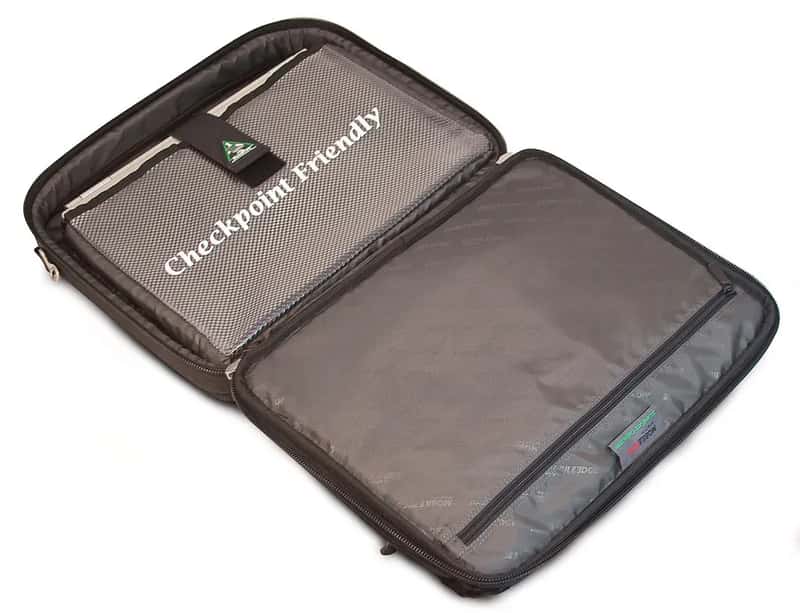
The bag goes on the belt, the bin rolls through, and thirty seconds later a TSA officer waves it aside for a manual bag check – because the laptop never came out. This is one of the most reliable first-timer signals at any checkpoint. Laptops, tablets, e-readers, and handheld gaming devices all need to come out of the bag and go into a separate bin. They’ve needed to do this for as long as most travelers can remember.
The delay isn’t just personal – a flagged bag stops the belt, creates a backlog, and draws the attention of anyone within twenty feet. Experienced travelers keep their laptop in the outermost pocket of their bag specifically so it can be pulled out in under three seconds. By the time they reach the bins, the laptop is already in hand. The whole process – bag, laptop, liquids bag, shoes – takes them maybe fifteen seconds. First-timers often need three tries and a helpful officer.
#4 – Overpacking a Carry-On That Clearly Won’t Fit Overhead
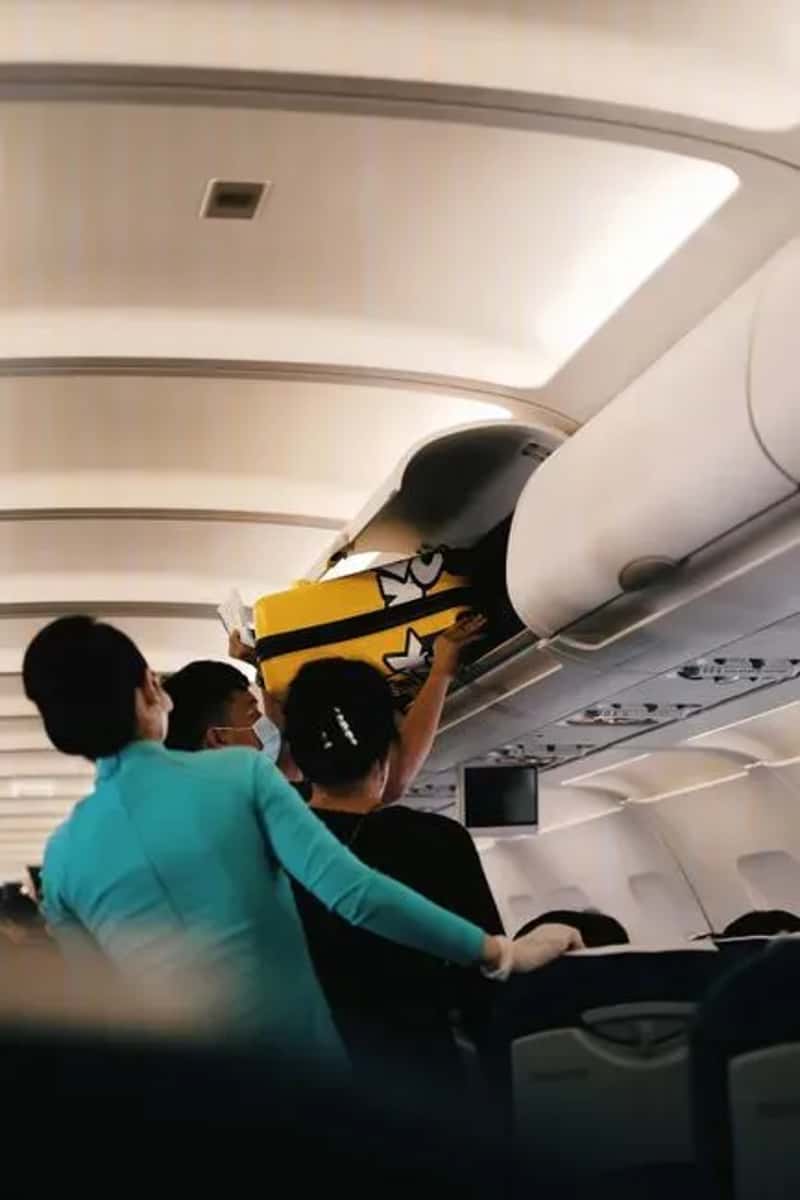
The boarding door opens, the line shuffles down the jet bridge, and then – it happens. Someone wedges an overstuffed roller into the overhead bin at an aggressive angle while a queue of passengers backs up through the plane, all pretending not to stare. Flight attendants step in. The bag gets gate-checked. The traveler sits down looking mortified. It happens at almost every busy domestic flight.
Airlines enforce carry-on size rules with increasing strictness – some now measure bags at the gate and charge a fee on the spot when the bag fails the sizing frame test. Frequent flyers know their bag fits because they’ve checked it against the frame at least once and bought their bag specifically because it fits. The rule of thumb most experienced travelers follow: if you have to sit on it to zip it, it’s getting gate-checked. Pack accordingly.
Worth Knowing
- Most U.S. airlines allow a carry-on up to 22 x 14 x 9 inches – but specs vary by carrier, so always verify before you pack.
- Gate-checking a bag is usually free when forced by staff, but voluntary gate-check fees can run $30–$75 depending on the airline.
- Bags that are too heavy to lift overhead are just as likely to get pulled – weight matters, not just size.
- Boarding early (Group 1 or 2) dramatically reduces overhead bin competition – another reason online check-in timing matters.
#3 – Panicking at Every Gate Change or Delay Announcement
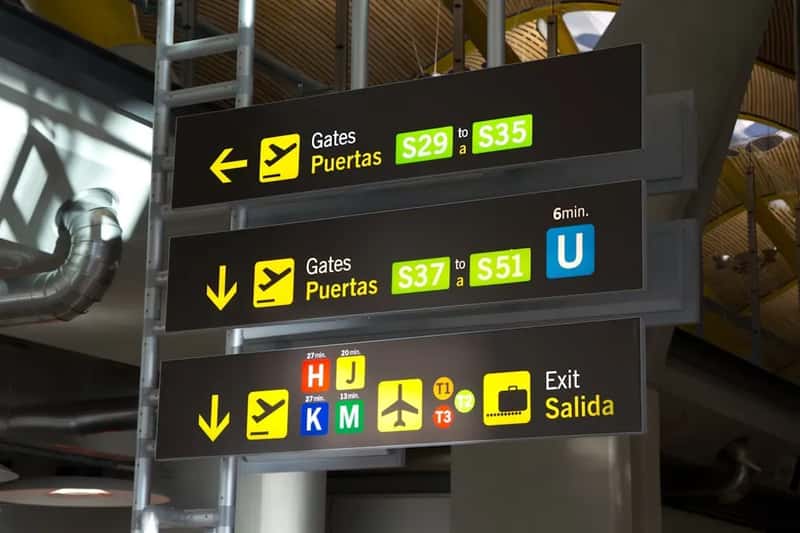
The overhead speakers crackle. A gate number has changed. And across the terminal, you can pinpoint every first-timer in real time: they’re standing up, spinning around, grabbing a stranger’s arm, asking if they heard that. Gate changes happen constantly at busy airports – maintenance delays, equipment swaps, air traffic control holds. They are a normal, unremarkable part of flying that seasoned travelers have long since made peace with.
Experienced travelers barely glance up. They get the push notification from the airline app before the announcement even finishes, check the updated departure time, and either stay seated or start walking – calmly. That shift from anxious to calm doesn’t happen overnight, but it does happen. The first gate change that costs you a panic attack is also the one that teaches you the app notification gets there first. Every time after that, it’s just information.
#2 – Arriving at the X-Ray Belt Completely Unprepared
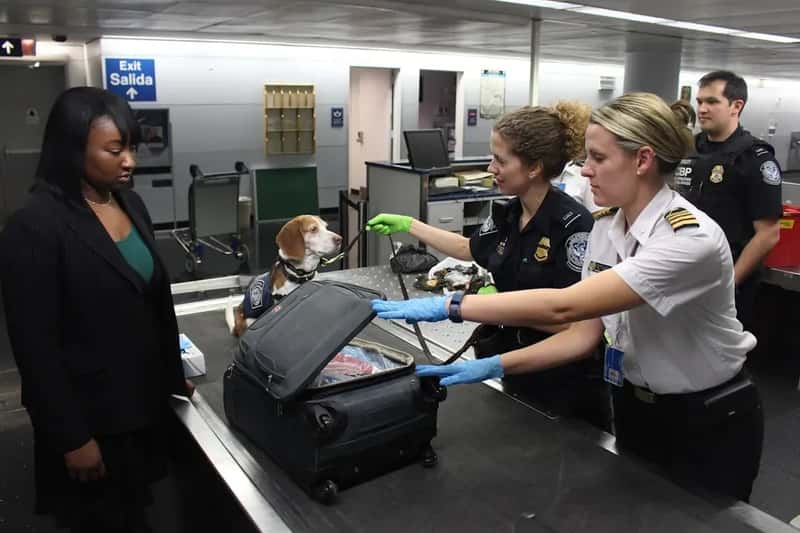
This is the cousin of the conveyor belt blocking problem, and it’s slightly more painful to watch. The traveler reaches the bin station having done zero prep – laptop still zipped deep in the bag, shoes still tied, belt still on, pockets still full, jacket still buttoned. Now they have to solve all of it in real time, at the front of the line, while every person behind them waits in total silence.
The walk from the ID check to the conveyor belt is prep time – and frequent flyers use every second of it. Jacket comes off. Belt comes out of the loops and goes in the bag. Laptop slides to the outer pocket. Liquids bag moves to the top. By the time they reach the bins, they’re loading everything in one smooth pass and stepping through the scanner in under twenty seconds. That rhythm took a few flights to develop. It shows.
#1 – Not Knowing Their Own Gate, Terminal, or Boarding Group
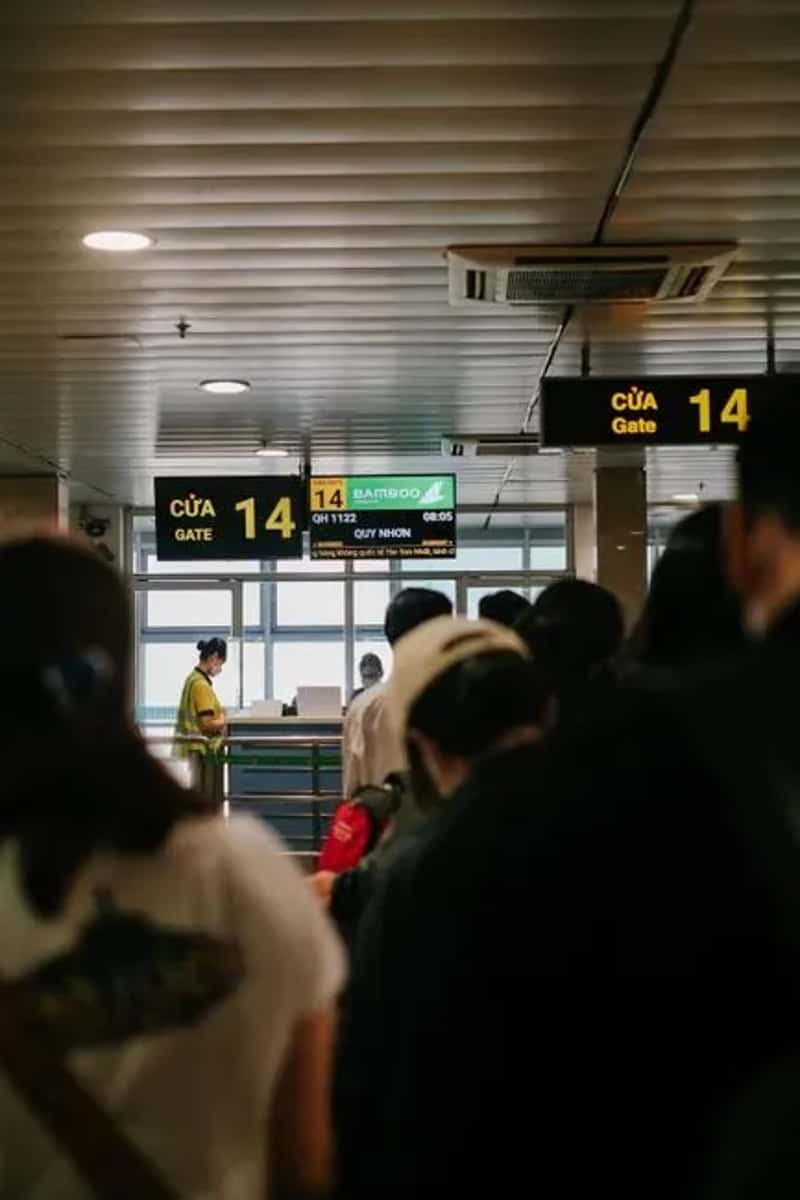
This is the one. The single most visible first-timer tell in any airport, anywhere. It’s the person at the gate counter asking an agent which boarding group they’re in – thirty seconds after it was announced overhead. It’s the traveler wandering past a terminal map, asking a stranger for directions to a gate that’s printed on their boarding pass. At airports like Dallas/Fort Worth, Denver International, or Orlando – sprawling, multi-terminal systems where the wrong guess can cost you a mile of walking – not knowing your gate before you arrive can genuinely cost you a flight.
Experienced travelers know their gate before they leave the house. They know their boarding group. They know which end of the terminal they’re headed to and roughly how long the walk takes. They’ve already checked the airline app and adjusted if the gate changed. Knowing your own flight details sounds like the bare minimum – and it is. But it’s still the single thing that most reliably separates the traveler who looks like they belong from the one who looks completely lost the moment the automatic doors slide open.
Why It Stands Out
- Dallas/Fort Worth has 5 terminals and nearly 200 gates – the wrong terminal can mean a 20-minute detour.
- Denver International requires a train ride between the main terminal and all concourses – missing it means starting over.
- Boarding groups fill fast: Groups 1 and 2 often board within 10 minutes of the door opening; Group 5 may board to a half-full overhead bin.
- The airline app sends real-time gate change alerts before the PA announcement – download it before you leave home, not at the airport.
- Your boarding pass has everything: gate, group, seat, and departure time – read it once before you leave the car.
The good news is that every single behavior on this list has a fix, and most of them click into place after just a flight or two. Nobody stays a first-timer forever. The airport confidence that looks so effortless on the frequent flyer? It’s just accumulated embarrassment turned into habit. If you spotted yourself anywhere in this list, you’re already one step ahead of where you were before you clicked.