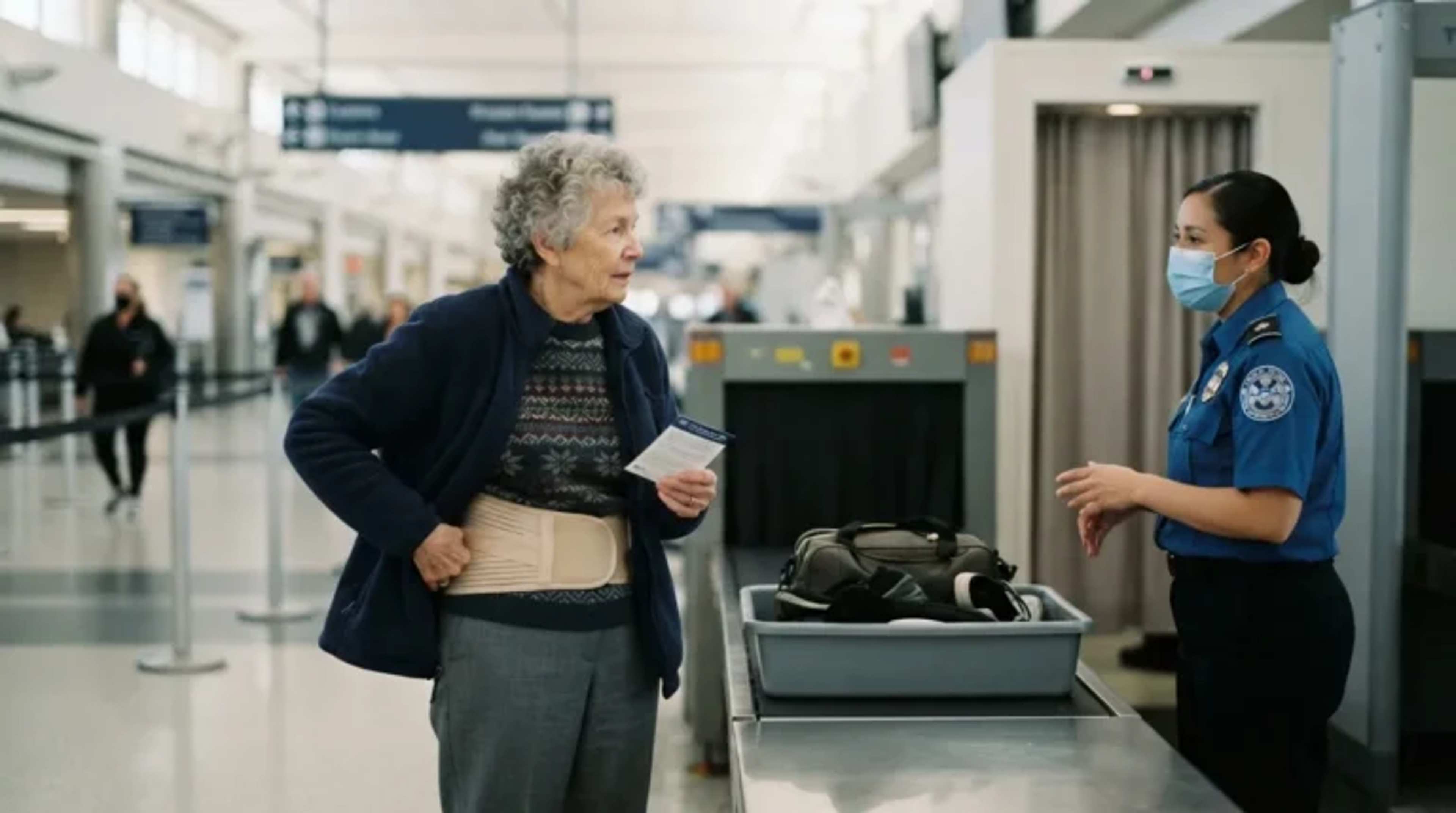
Most travelers assume the front desk turns into a ghost town after midnight, just a bored clerk staring at a screen until sunrise. The truth is stranger and a lot more human. Behind that quiet desk, one person is running the entire building alone, and when an exhausted older guest walks in off a delayed flight, something shifts that has nothing to do with the employee handbook.
No corporate memo describes it. No training video mentions it. But talk to enough veteran night auditors and the same quiet pattern keeps surfacing, one small, undocumented kindness at a time.
#13 – The Early Check-In That “Isn’t Available”

Officially, check-in doesn’t start until 3 or 4 p.m. Unofficially, a night auditor closing out at 6 a.m. is often staring at a rack of clean, empty rooms with nobody in them yet. When a tired 65-year-old walks in off a red-eye just asking to lie down, plenty of auditors quietly hand over a key instead of reciting the policy.
It’s less about rule-breaking and more about simple math. An empty, ready room costs the hotel nothing to hand over early, and the “sold out until 3 p.m.” line is often softer than guests assume, especially before the day shift and its stricter oversight shows up. A polite ask and a mention of a long travel day can go a long way here.
#12 – A Quiet Room Swap Nobody Documents
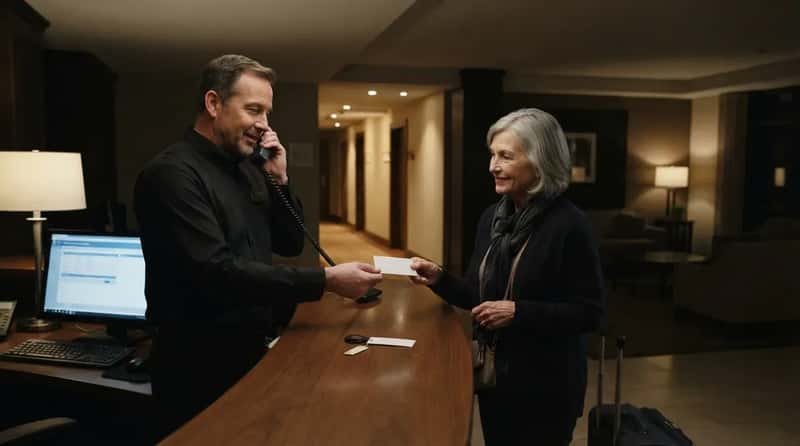
Front desk software flags room type and rate, not who’s sleeping next door. But a night auditor scanning the property overnight usually knows exactly which rooms sit away from ice machines, elevators, and late-arriving party guests. Older travelers who mention being light sleepers are frequently moved without any paperwork explaining why.
It isn’t a formal accommodation, just a courtesy call made room by room. The switch usually happens with zero rate change and zero explanation on the folio, because it’s simply easier for everyone if the guest sleeps well instead of calling the desk at 3 a.m.
Worth Knowing
- Rooms near ice machines and elevators tend to get swapped first
- Corner rooms and end-of-hall units are usually the quietest picks
- The nightly rate almost never changes with the switch
- Housekeeping isn’t always told why a guest was moved
#11 – Late Checkout Without the Awkward Ask
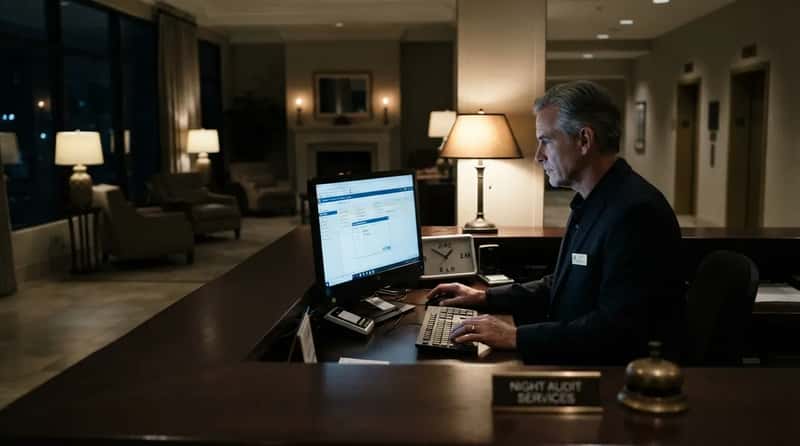
Most hotels post an official late-checkout cutoff, often 11 a.m. or noon, with a fee attached for anything later. Night auditors, though, are usually the ones entering checkout times into the system before the morning team even arrives, and many simply stretch the window for older guests dealing with slower mornings or medication schedules.
Nobody has to negotiate a discount because nobody flags it as late in the first place. The exception often gets typed in before sunrise, long before a manager could weigh in on it. It’s one of the simplest, least visible perks in the entire hotel system.
#10 – Extra Bedding, No Second Request Needed
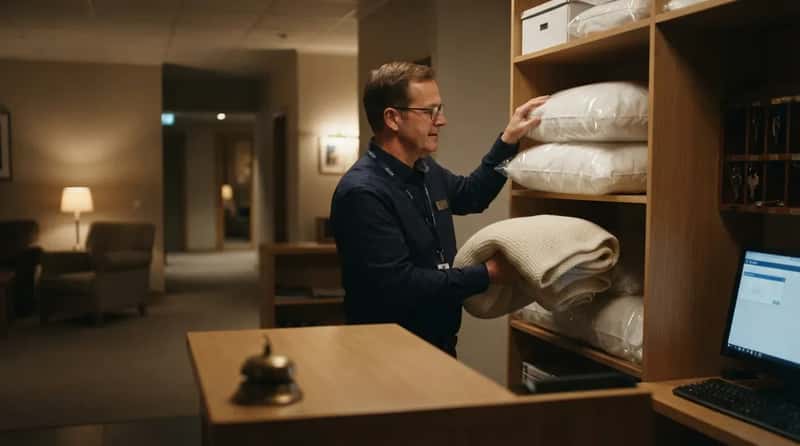
Ask any overnight staffer and they’ll tell you older guests request extra pillows and blankets more than any other age group, and night auditors know it well. Many keep a small stash behind the desk specifically so nobody has to wake housekeeping or make a tired guest wait until morning.
It sounds minor, but guests over 60 are far more likely to get bedding delivered within minutes rather than added to a morning to-do list. Nobody wants an uncomfortable guest calling back at 4 a.m., so the stash stays stocked for exactly this reason.
#9 – Printed Documents Without the Business-Center Runaround
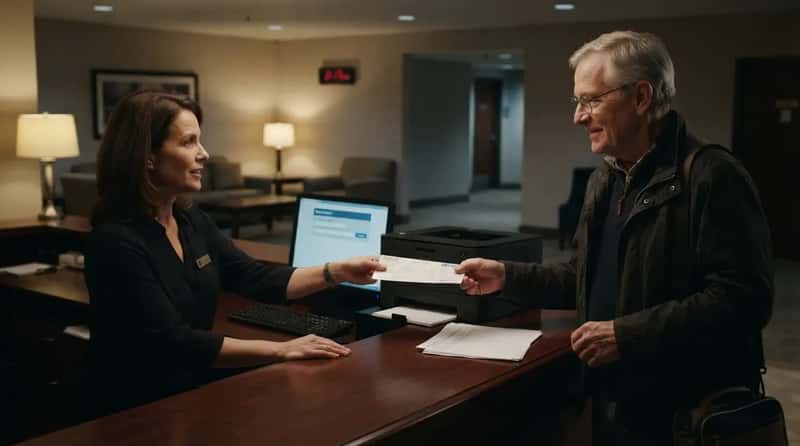
Boarding passes, insurance forms, medication lists – printing needs spike overnight, and older travelers are disproportionately the ones who don’t want to fumble with a public kiosk at 2 a.m. Night auditors, sitting at the only working printer in the building, will often just print the document themselves.
It’s a two-minute favor that saves a guest real frustration. Many auditors do this even when the front-desk printer is technically reserved for hotel-use documents only, and it almost never gets logged anywhere. It’s simply treated as part of the job.
Fast Facts
- Many hotels run with just one employee on duty overnight
- That single auditor often handles security walks, laundry counts, and next-day paperwork at the same time
- Business centers and self-serve kiosks are frequently locked overnight for security reasons
- The front-desk printer is often the only working printer in the building after midnight
#8 – A Thermostat Preset Before You Even Arrive
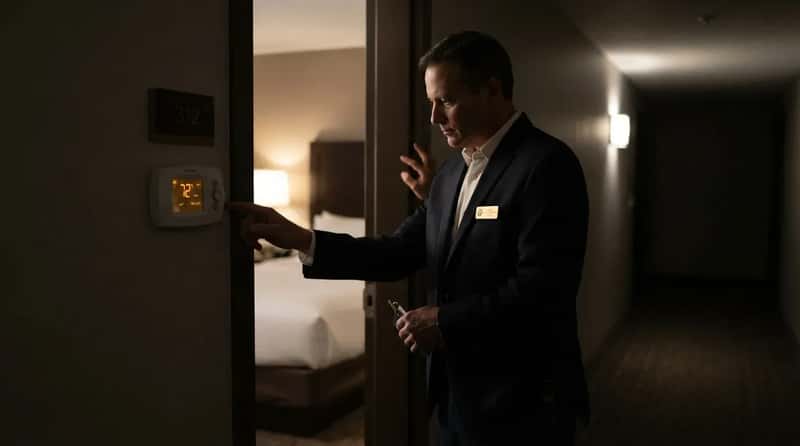
Rooms sit at a default energy-saving temperature between guests, which can feel jarring in winter or peak summer heat. Auditors handling late arrivals will sometimes walk up and adjust the thermostat ahead of time for guests who mention being cold-sensitive, arthritic, or simply worn out from travel.
It’s a small gesture, but comfort complaints drop noticeably when it’s done. The adjustment usually happens without a single note in the guest’s file, making it invisible to everyone except the person who benefits. Most guests never realize it was arranged in advance.
#7 – Small Charges That Quietly Disappear

A forgotten minibar water bottle, a $2 phone charge from a wrong number, a no-show fee triggered by a delayed flight – these are exactly the kinds of charges night auditors have full authority to adjust before the batch closes out each morning. Many choose to waive them for older guests rather than let a small dispute ruin a checkout.
This is one of the more openly acknowledged perks in the industry, even if it’s never advertised out loud. The waived amount is usually under $20, but the goodwill it buys is disproportionate. It’s often less about the money and more about avoiding an unnecessary argument at 6 a.m.
#6 – Holding a Room Past the Cancellation Deadline
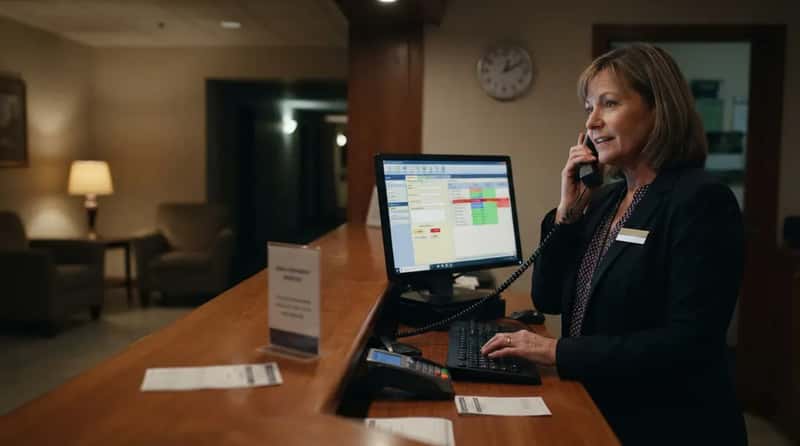
Most reservations auto-cancel if a guest hasn’t arrived by a set hour, often 6 p.m. or midnight, unless a card is guaranteeing the stay. When an older guest calls ahead about a delayed flight or a slow drive, night auditors frequently override the system manually rather than release the room to walk-in demand.
It’s a judgment call, not a guarantee, but it happens more often than corporate policy suggests. The room gets manually blocked in the system, sometimes hours past when it should have been released for resale. A simple phone call explaining the delay is usually all it takes.
Quick Compare
- Standard policy: room releases automatically after the cutoff if there’s no guarantee
- Guaranteed with a card: the room holds all night, no calls needed
- Auditor override: a manual hold added after a heads-up call, usually at no extra charge
#5 – Ground-Floor or Near-Elevator Placement, No Note Required
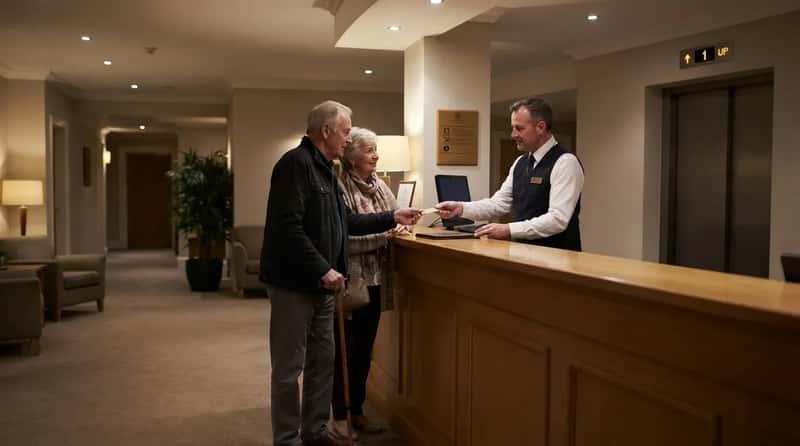
Mobility concerns rarely get written into a reservation, but they get noticed fast at check-in. A cane, a slower walk, a mention of bad knees – auditors picking room assignments overnight often quietly steer older guests toward ground-floor rooms or units closest to the elevator, even when a different room was originally blocked for them.
This swap almost never comes with an explanation. The room type and rate usually stay identical on paper, even though the actual location changes for comfort. It’s one of the more meaningful adjustments guests never think to ask for directly.
#4 – A Quieter Room Upgrade, Never Announced

Here’s where opinions split a bit among hotel staff. Some argue upgrades should be reserved strictly for loyalty-program elites, while plenty of night auditors quietly disagree in practice. When occupancy is low, many will bump an older solo traveler into a nicer, quieter room simply because it sat empty anyway and the guest looked like they’d had a rough day.
It’s an unofficial perk that skips right past the loyalty tier system entirely. The upgrade typically isn’t logged as a “comp” – it’s just entered as the assigned room, no explanation attached. Whether that’s fair to elite-status guests is a genuinely debated point among hospitality workers themselves.
At a Glance
- Elite loyalty tiers typically list free upgrades as an official member benefit
- Not every hotel or brand runs a formal loyalty program at all
- Solo travelers with zero status can still get bumped up when occupancy is low
- These quiet upgrades are rarely logged as an official comp in the system
#3 – Waived Resort or Parking Fees Nobody Mentions at Checkout
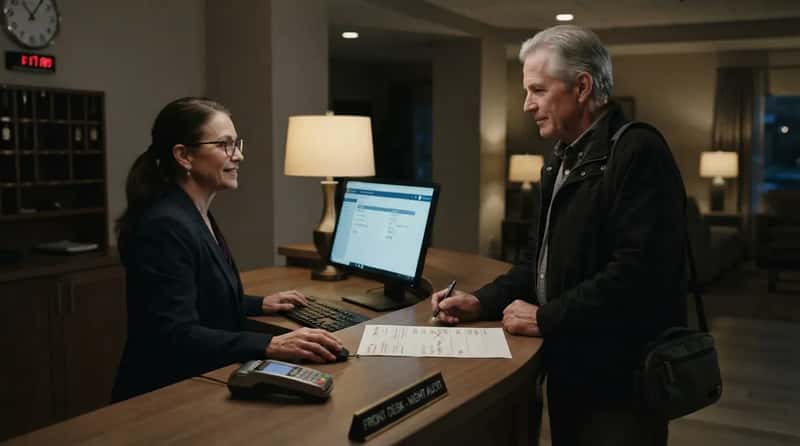
Resort fees and overnight parking charges are some of the most disputed line items in modern hotel billing, and night auditors, who process the final folio, have more discretion here than most guests realize. Many will strip these fees for older travelers who arrived after a long drive or who simply seem unaware the charge existed at all.
It’s a controversial habit in some circles, since these fees are core revenue for many properties. Yet it remains one of the most commonly reported unofficial adjustments among longtime overnight staff. The fee vanishes quietly, usually before the guest ever asks a question about it.
#2 – A Wake-Up Call That’s Actually Personal
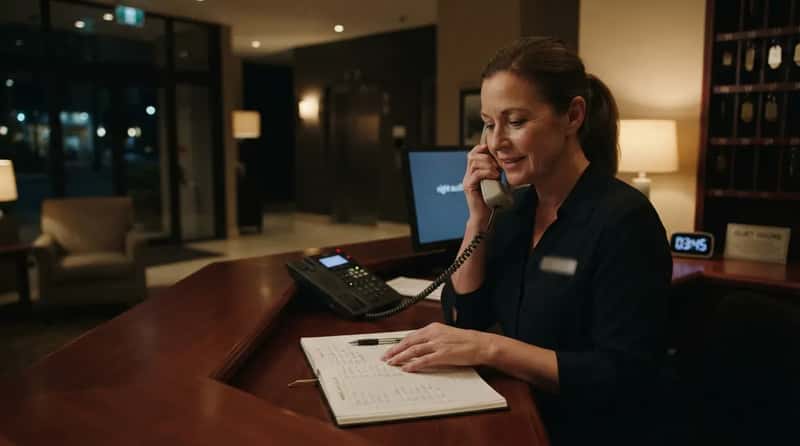
Automated wake-up systems exist at most hotels, but plenty of night auditors still make manual calls for older guests specifically, especially those catching early flights, medical appointments, or morning tours. It’s not required, and it eats real time out of an already packed overnight shift.
The difference matters more than it sounds. A live voice checking in tends to catch problems that a recorded message never would, and for a guest traveling alone in an unfamiliar city, that small human touch often becomes the most memorable part of the whole stay.
#1 – Being the Only Friendly Face for Hours
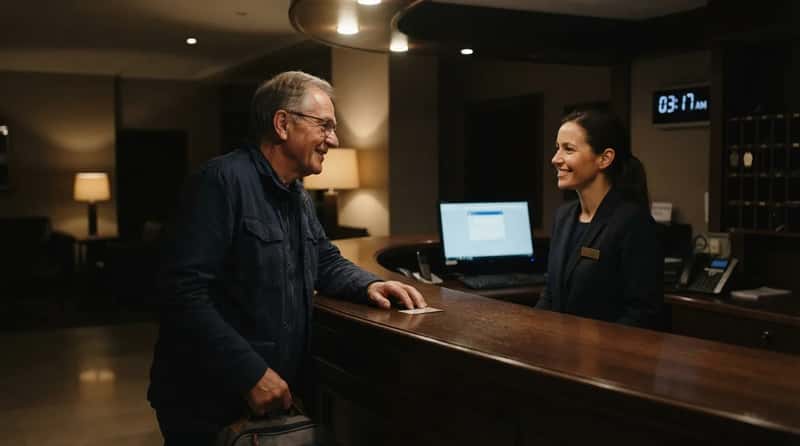
This is the perk nobody puts a name to, but it’s the one veteran night auditors mention most. For an older guest traveling alone, grieving, nervous, jet-lagged, or just unable to sleep, the overnight desk is sometimes the only place offering real conversation between midnight and sunrise.
Auditors talk about guests who come down just to chat, ask directions they don’t need, or linger by the desk a few extra minutes. Many staffers say this quiet companionship, not the free late checkout or the waived fee, is the perk guests remember longest. It costs nothing, appears on no invoice, and yet it’s the one most people call the real reason they’ll book that same hotel again.
None of this is corporate policy, and none of it is guaranteed. It’s a pattern built from small, human decisions made by people working alone in empty lobbies at 3 a.m., the kind of quiet generosity that never shows up on a receipt but somehow shapes whether a traveler remembers a hotel fondly for years.
Have you noticed any of these the last time you checked in late? Drop your own overnight hotel story in the comments, because the best ones almost always involve exactly this kind of quiet, unofficial kindness.