The coach is idling at 9:00 sharp, and one passenger is still strolling toward the door. Guides see that scene all the time, and it’s not even the costliest habit on this list.
This countdown climbs from small annoyances to the expensive ones. Stay for #1: it names a deadline that starts the day you pay your first deposit, long before you pack, and it guards the biggest sum on the trip.
First, the habit that sets the whole day back.
#15 – Treating “Five Minutes” as a Suggestion

A 9:00 departure means you’re on the coach at 9:00, not walking toward it. One missing passenger can hold up everyone, and the delay lands on the whole group.
Tour days run on fixed blocks, such as a museum entry time, a lunch booking or a ferry. When one slides, the next one shrinks, and it’s usually the stop you paid to see.
Set a phone alarm for ten minutes before each boarding time, and use the restroom before the group is called back. Be at the coach door five minutes before the printed departure time.
That alarm lives on your phone. So does the rest of your plan, which is where the next mistake begins.
#14 – Trusting a Phone With the Whole Itinerary

Batteries die, screens are small, and apps can be confusing. A paper schedule with the departure time circled can prevent more missed coaches than an announcement does.
Save the tour director’s number on paper, not only in your phone. Carry the tour director’s number and your hotel’s name on a paper card.
A number stored only in a dead phone does you no good in a crowded old town.
Paper weighs nothing. Your suitcase is another matter, and the limit on it is tighter than many travelers expect.
#13 – Packing a Suitcase Bigger Than the Rules Allow

Operators typically cap luggage at about one suitcase per person, so check the limit for your tour.
Porters or hotel staff move bags from the coach to your room. Your only job is to have the bag outside your door on time, and that only works if it fits the hold and the porter can lift it.
Fast Facts
- Most guided coach tours allow one suitcase and one carry-on per person.
- Suitcases ride in the hold under the coach.
- Porters or hotel staff carry bags to your room.
- Your bag has to be outside your door on time.
Here’s a verdict some travelers will dispute: skip the extra outfit. A bag you can lift yourself matters more than souvenir room, and heavy purchases can be shipped home.
Plan on one suitcase and one carry-on per person.
With the bags stowed, the next dispute starts on board, over a seat you may believe is already yours.
#12 – Claiming a Seat on a Rotating Coach

By day three, the same seat can start to feel like a right. Many tours rotate seats daily so everyone gets a turn at the front.
If you struggle with steps, motion or long walks down the aisle, say so on day one. Experienced guides often bend the rotation for riders in that position.
Ask the tour director on day one for a fixed seat if you need one. Ask before the coach is loaded, because a request made mid-route means moving other people.
An aisle seat is also easier to leave when you need to stand, which matters on long driving days. We’ll get to why shortly.
#11 – Keeping Up With Everyone Else’s Walking Pace

Sightseeing days are measured in hours on your feet. Tell the guide at the start of the day if the pace is too fast, because good guides plan around realistic group speed.
Tired travelers often push on, afraid of seeming dull. Yet the traveler who sits out one stop often has the most energy for the best stop the next day.
Skip one optional stop on purpose rather than push through all of them. A skip you choose in the morning beats a collapse you suffer at four o’clock.
Skipping a free stop costs nothing. Skipping a paid one is harder, because someone has just described it as the highlight of the trip.
#10 – Saying Yes to Every Optional Excursion

On a coach tour, “optional” means “extra fee.” During free time, the company offers excursions for added fees, and the tour director pitches them to anyone without other plans.
Decisions are often due a day or two early, because the guide has to book numbers. That deadline is why the pitch feels urgent.
A quick search can show what the same experience costs booked directly. Sometimes the group price is fair, especially when transport and entry are bundled.
The sensible default is to ask first and pay second. Compare the group price with the direct price before you say yes.
Whichever you choose, the people running these days expect a thank-you. The rules on who gets one, and when, rarely appear in the brochure.
#9 – Waiting Until the Last Morning to Ask About Tips

Some operators build a tipping program into the booking, while others state plainly that tips aren’t in the tour price. You can’t tell which kind you’ve bought until you read the paperwork.
Tipping the tour director, the driver and any local guides is customary on most coach tours, even though it isn’t required. An envelope passed around the coach is an invitation, and the amount is your call.
Quick Compare
- Tour director: customary on most tours, so ask whether tips are pooled.
- Driver: customary too, so ask whether the envelope covers the driver.
- Local guide: a separate person, tipped in cash at the end of their tour.
Ask on day one who gets tips, when, and whether they’re pooled. Then you’ll have the answer before the last morning’s scramble.
Even a well-run pool can miss one person: the local guide who joins your coach for a single afternoon.
#8 – Forgetting the Guide You Only Meet for Two Hours

The person leading your cathedral visit probably isn’t your tour director. Local guides are separate, and custom says they should be tipped too.
Even when gratuities are included in your tour, that may exclude local guides, particularly on optional excursions. That makes this the tip most likely to fall through the cracks.
Give it right at the end of their tour, since you’ll only see them once. Trafalgar, for example, calls $2 to $3 per person customary for a half-day tour and $5 for a full day.1
Tip the local guide in cash, at the end of the tour.
Tips reward the people on your tour. The next risk sits in your own legs, and it starts counting at four hours.
#7 – Sitting Still Through Long Coach Days

The CDC says anyone traveling more than four hours by air, car, bus or train can be at risk for blood clots. The agency also notes the risk is generally very small and depends on trip length and other risk factors.2
A long driving day on a tour easily passes four hours. The CDC advises moving your legs frequently and walking around every 1 to 2 hours.2
Walk around every 1 to 2 hours on long coach days.
Don’t wait for the guide’s scheduled stretch.
Worth Knowing
- Ask the driver about rest stops before a long stretch begins.
- Between stops, do calf raises at your seat.
- An aisle seat makes standing up much easier.
- Set a phone timer so an hour doesn’t slip past unnoticed.
If you’ve had a previous blood clot, talk to your doctor before you travel.
Movement helps your legs. The things that keep your heart and blood pressure steady are smaller than your fist, and they’re often packed in the wrong place.
#6 – Packing Pills Where You Can’t Reach Them

Pills are the one thing a guide can’t replace. A pill that rides in the closed luggage hold is out of reach until the hotel.
So every medication goes in your day bag, and a few habits make that bag work harder:
- Keep pills in their original labeled containers.
- Carry a printed list of names and doses.
- Pack a few extra days’ supply in case of a delay.
Keep every medication in your day bag, never in the luggage hold. If a delay keeps you on the road past dinner, you’ll still have what you need.
#5 – Staying Silent About Diet and Mobility

Restaurants can be warned about your diet before you sit down, but only if someone tells them. If your needs are serious, tell the operator at booking and remind the guide on the first day.
Some travelers swap into an easier version of a tour without telling anyone. That can leave the guide planning for a group that no longer matches who’s on the coach.
The same goes for steps and distance. Ask at booking how much walking and how many stairs a typical day involves.
Tell the operator at booking and the guide on day one.
Speaking up helps when the problem is yours to solve. Some trouble comes from strangers who spend their day watching which groups look relaxed.
#4 – Relaxing in Crowds Where Pickpockets Work

A tour group standing still to hear the guide is easy to read. Busy landmarks, markets and transit are where pickpockets work, and a group listening to a talk fits the pattern.
Your best defense is carrying less. Take the day’s cash and one card, and leave the rest in the hotel safe if the hotel has one.
- Wear a bag across your body, in front of you.
- Keep a hand on it while you listen to the guide.
- Keep your phone out of back pockets.
Carry one card and the day’s cash, not your whole wallet.
A lost wallet ruins an afternoon. A passport that’s too close to expiring can end the trip before the coach appears.
#3 – Checking the Passport Date at the Airport
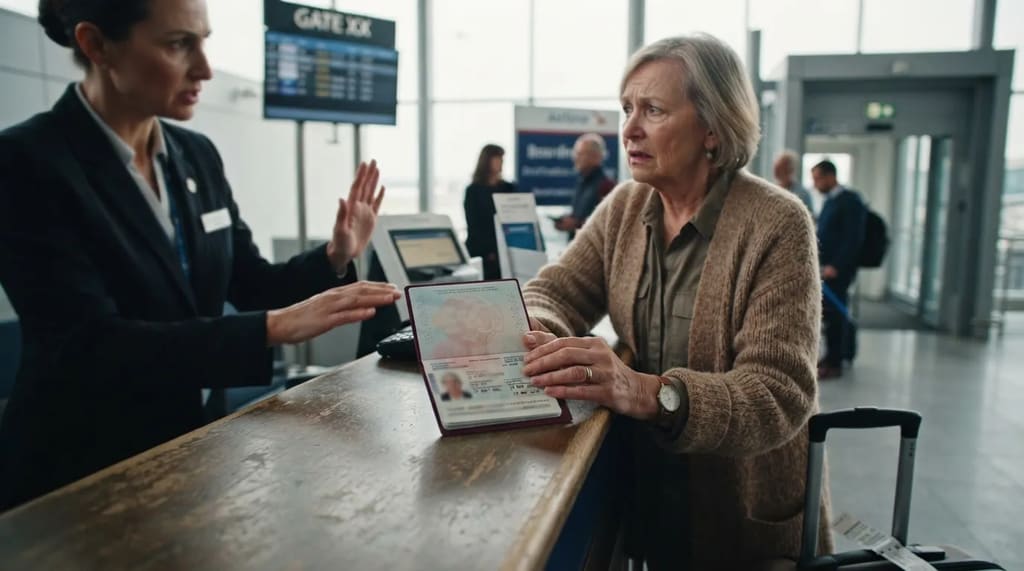
If your tour crosses a border, entry rules can ask for more than a valid passport. Many countries require it to stay valid for a set period past your departure, often six months, and airlines can refuse boarding if it doesn’t.3 4
The State Department’s country pages list the entry requirements for each destination. Check your passport’s expiration date against the destination’s entry rules before you pay.
Renewal takes time, and processing times change, so check the current estimate when you plan. If you only learn about the problem at the airport, the tour fee may already be one you can’t recover.
A passport problem stops you at the gate. A medical problem abroad stops you at the hospital, where many travelers assume the card in their wallet will still work.
#2 – Assuming Medicare Will Pay Abroad
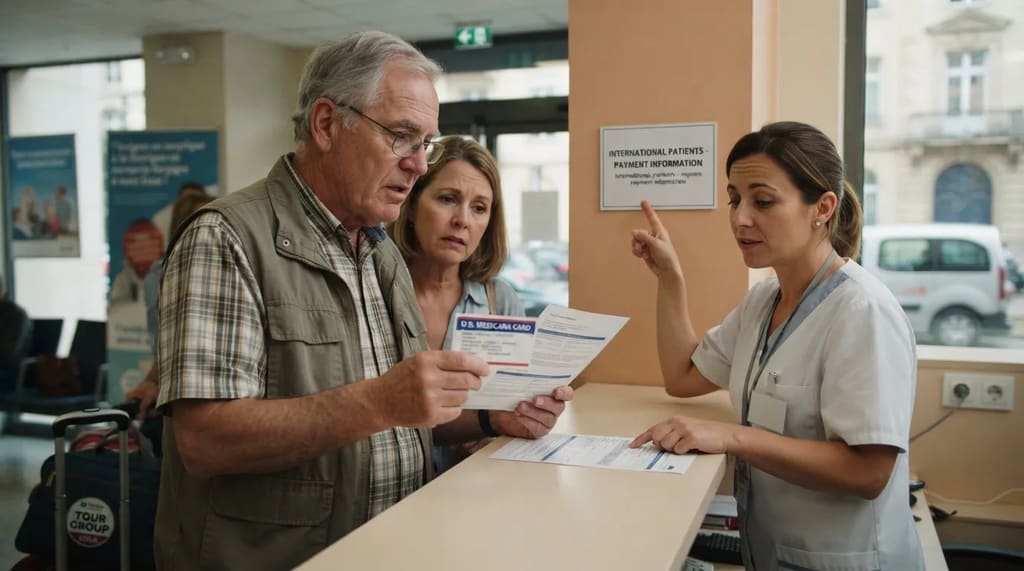
Medicare generally doesn’t cover medical expenses outside the United States, with rare exceptions near the Canadian or Mexican borders or during travel between Alaska and the lower 48. If your tour crosses a border, that’s your starting point.5
Some Medigap plans help. Plans C, D, F, G, M and N must provide some emergency foreign coverage, paying 80% of billed charges for certain emergency care.6
That only applies if the emergency starts within the first 60 days of travel.6 Some Advantage plans offer extra coverage for foreign travel.5
Quick Compare
- Original Medicare: generally pays nothing for care outside the U.S.
- Medigap C, D, F, G, M, N: some emergency coverage, 80% of billed charges.
- Medigap catch: the emergency must start within the first 60 days of travel.
- Advantage plans: some offer extra foreign coverage, so check yours.
A line in a Medigap brochure isn’t a substitute for a travel medical policy. You’d still owe the remaining 20% and anything beyond the limits.
Check your plan’s Evidence of Coverage before any international trip. Medicare generally pays nothing for care outside the United States.
A travel medical policy is the obvious fix. The less obvious part is when you buy it, because its best benefits come with a deadline you’ve probably already passed.
#1 – Buying Trip Insurance After the Waiver Window Closes

Trip insurance can cover a pre-existing condition, but only through a waiver with a short fuse. Many policies require you to buy within 14, 15 or 21 days of your first trip deposit to be eligible.7
The clock starts at your first deposit, not at departure. Insurers like Allianz also require you to be medically able to travel when you buy, and to insure your full nonrefundable trip cost.7
Costs you add later generally have to be insured within 14 days of that payment.7 Pay a deposit in March and plan to “sort out insurance” in June, and you may have lost the waiver by April.
The tour’s full cost then sits uncovered if a health issue forces you to cancel, and the medical gap from the last entry stays open too. Buy trip insurance within 14 to 21 days of your first deposit.
Policy wording varies, so read your waiver terms before paying.
A coach tour feels like it begins at the pickup point, but the costliest decisions come earlier. The deposit date, the passport date and the insurance window all pass while the coach is still parked.
So treat booking day as day one. Put the insurance deadline on your calendar that afternoon, and write the tour director’s number on a card before you even pick a suitcase.
Small habits like the five-minute rule and the paper schedule keep a trip running smoothly. The early paperwork keeps it from falling apart.
On your last coach tour, what did you carry on paper that helped, or wish you’d had?
Bonus: The Pre-Booking Email Guides Wish Every Traveler Sent

Before you pay a single dollar, email the operator a short list of questions and keep the written reply. Verbal answers from a phone agent vanish. An email is something you can point to later.
Send these four questions:
- Daily pace: “What is the longest coach stretch, and the most walking and stairs, on any single day?”
- Money: “Are tips, entry fees and optional excursions included, and what is the typical excursion price?”
- Cancellation: “On what exact dates do the cancellation fees increase?”
- Special needs: “Can you note my seat, diet or mobility request on my booking?”
Then do two things the same day. Save the reply with your itinerary photo, and put the cancellation dates on your calendar next to your insurance deadline.
If the answers surprise you, you learn it before you’ve paid, when you can still walk away.
- Trafalgar Tipping Guide: https://www.trafalgar.com/real-word/tipping-on-a-trafalgar-tour/
- CDC Travel Blood Clots: https://www.cdc.gov/blood-clots/risk-factors/travel.html
- State Department Passport Validity: https://travel.state.gov/content/travel/en/passports/passport-help/faqs.html
- State Department Age 65+ Travelers: https://travel.state.gov/en/international-travel/planning/personal-needs/age-65.html
- NCOA Medicare Travel Coverage: https://www.ncoa.org/article/does-medicare-cover-you-anywhere/
- Medigap Foreign Travel Coverage: https://health.usnews.com/medicare/articles/medicare-coverage-abroad
- Allianz Existing Conditions Coverage: https://www.allianztravelinsurance.com/travel/medical/existing-medical-conditions-coverage.htm