Europe has stopped stamping American passports. Since April 10, 2026, a digital border system has been fully operational across Schengen crossings, replacing manual stamps for most US short-stay visitors.1 2
That’s one of several changes catching tour travelers off guard, and it’s the kind of thing guides wish people knew before boarding the coach. Some of the 15 mistakes below cost you minutes, some cost you a morning, and one can cost you a hospital bill.
The mistake at #1 hides inside a card you may already carry. It comes with three questions you can ask in a single phone call before your final tour payment is due.
But we’ll start smaller, with the envelope in your pocket on the last morning.
#15 – The Tip Envelope Sized for Back Home

Published advice on tipping a European tour guide runs from a few euros to several dozen, because the right figure depends on the kind of tour.
Quick Compare
- Two-hour group city walk: Rick Steves suggests €2 to €5 per person.
- Multi-day coach tour, guide: Lonely Planet calls €25 to €40 a day fair in most of Western Europe.3
- Multi-day coach tour, driver: Lonely Planet suggests €10 to €15 a day.3
One is a short walk and the other is a multi-day coach tour, so both can be right. Guides and drivers are tipped separately in almost all European countries, which means a multi-day trip needs two envelopes.3
Ask your tour company for its suggested daily tip for guide and driver. Then tip in local currency, in cash, and scale the amount to the service you got.
The bag you carry that cash in is your next decision, and a poor choice there costs you effort on every travel day.
#14 – A Suitcase You Can’t Lift Alone

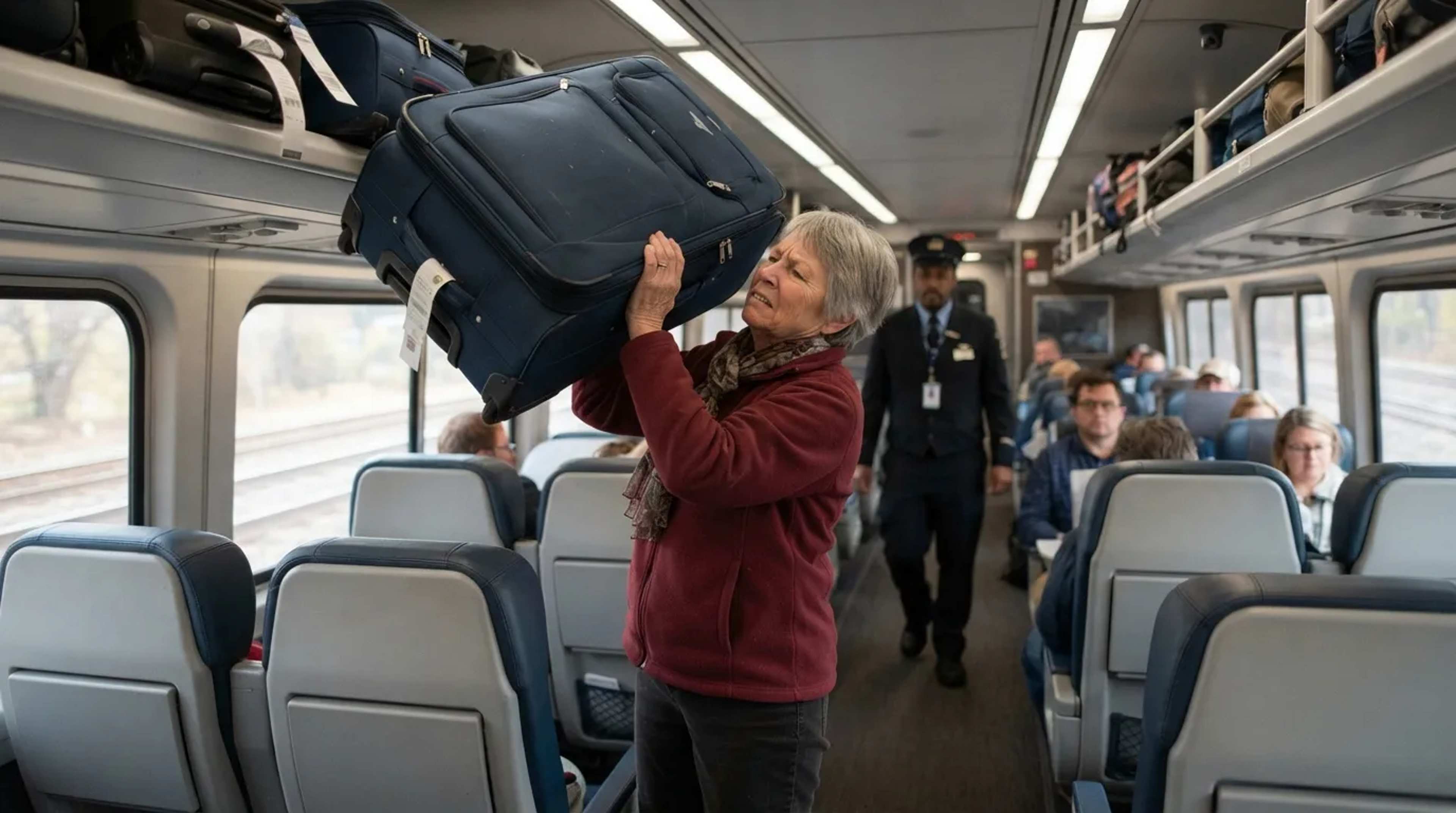
Luggage on a group tour is limited by the coach’s cargo hold and by older hotels with small elevators or none. Ask your operator for its bag limit in pounds and inches, because airlines and tour companies often set different ones.
Here’s a simple test: if you can’t carry your packed bag up a flight of stairs, it’s too heavy. A second “just in case” bag is the worse gamble, since a sink and a quick-dry shirt cover most emergencies and you’ll pay for the extra suitcase in effort on every travel day.
Once the bag is manageable, look down. The streets it rolls over are where a brand-new pair of shoes meets its first test.
#13 – Shoes You Bought Last Week

Old town centers on a tour route are often paved with uneven stone, and it gets slick when wet. Shoes with real tread, already softened by wear, matter more there than shoes that look good in photos.
Break in new shoes with two to three weeks of real walking before departure. Wear them on errands with the socks you’ll wear abroad, so any blisters happen near your own pharmacy.
Feet also swell a little over long days of walking, so a pair that felt perfect in the store can pinch by afternoon. Pack a second comfortable pair and alternate them, because switching shoes midday changes where the pressure falls.
Good shoes only help if you know how far they’ll have to carry you, and that number is one you have to ask for.
#12 – The Daily Walking Distance You Didn’t Ask About
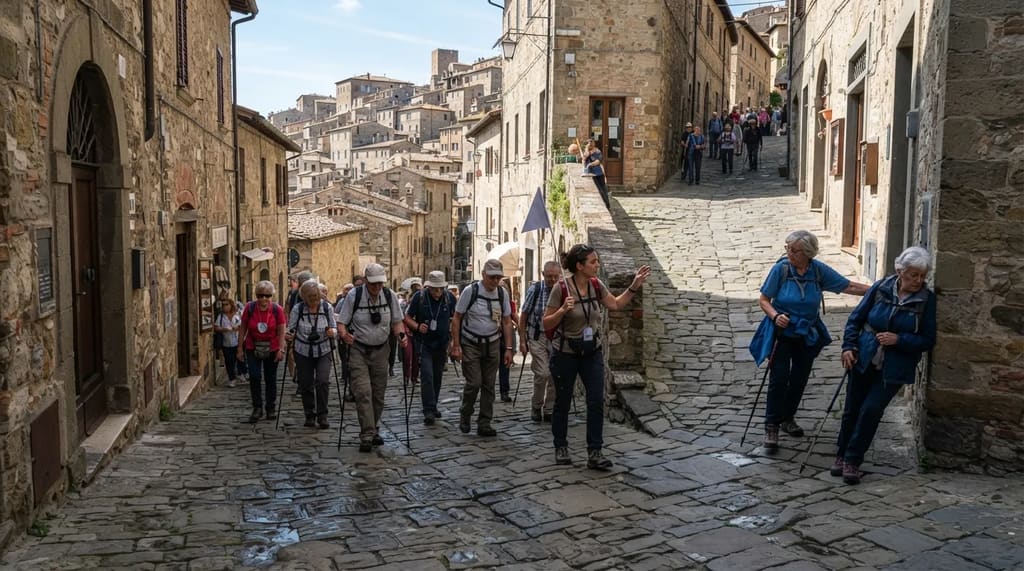
An itinerary line like “explore the old town” can mean a short stroll or a long morning on foot. Brochures say what you’ll see, not what it takes to get there.
Before you book, ask the operator:
- How many hours on foot is the busiest day?
- Does the coach stop near each sight, or is there a long walk from parking?
- Which stops involve stairs or steep streets, and is there an easier option?
The same call settles the luggage question from #14, so also ask whether your hotels have elevators. Get the busiest walking day in hours, not just a vague activity rating.
#11 – A Departure Time That Isn’t a Suggestion

The coach leaves at 2:15, and thirty people can’t wait on one traveler finishing lunch. A late return can also push back the timed entry or dinner booking that follows.
Set a phone alarm for fifteen minutes before the meeting time, not at it. Photograph the coach, its license plate and the hotel’s business card on day one.
If you’re separated from the group, that photo gives you something to show a stranger or a taxi driver. Save the tour manager’s phone number in your phone and write it on paper too, since phones die at exactly the wrong moments.
Punctuality is easier when you aren’t exhausted, and the fastest way to get exhausted is to say yes to every add-on offered along the way.
#10 – Every Optional Excursion on the Price List

Optional excursions are sold on top of the tour price, and on a long trip the add-ons can pile up. Ask for the full price list before you leave, and ask what each one includes: entry fees, transport, a guide.
My view is that the best optional extra on a long tour is sometimes an afternoon off.
A rested traveler gets more out of tomorrow’s included sights than an exhausted one gets out of a fifth paid extra. Pick the two excursions you’d regret missing and let the rest go.
Whatever you choose, some of it gets paid at a counter, and the way you pay can add a charge you never agreed to.
#9 – The Card Machine’s Offer to Pay in Dollars

When a European card terminal asks whether you’d like to pay in dollars, say no. That offer, called dynamic currency conversion, lets the merchant’s payment provider set the exchange rate, and it’s usually less favorable than the one your card network would apply.
Always choose the local currency when a terminal offers dollars. That’s a verdict I’ll defend: a total in familiar dollars is convenient, and convenience is what you’re paying for.
Carry some euros as well, because the guide and driver tips from #15 are best handed over as local cash, which a card can’t replace. Tell your card issuer your travel dates too, since some banks freeze cards when foreign charges appear unexpectedly.
Paying correctly protects you from fees. The next risk takes cash and cards straight out of your pocket in a crowd.
#8 – One Outer Pocket Holding Everything

Pickpockets work crowded tourist sites and public transit, and a group standing still to hear a guide is a crowd of distracted people. A wallet in a back pocket or an open tote is the easy target.
Use a zipped bag worn in front of you. Split cards and cash between two places so one loss doesn’t strand you.
Unless your tour manager says a stop requires it, leave the passport in the hotel safe and carry a photo of its photo page on your phone. If a bag does go missing, that photo and your card numbers, kept somewhere separate, make the replacement calls much faster.
At a Glance
- On you: one card, a little cash, a phone with the passport photo.
- In a second spot: a backup card and the rest of your cash.
- At the hotel: the passport, locked in the safe.
- Kept separately: a written list of your card numbers.
#7 – Prescriptions Left in the Checked Bag
Medicare Part D won’t cover prescriptions you get outside the United States, whether you have a standalone plan or an Advantage plan. That makes the supply you pack the supply you have.4
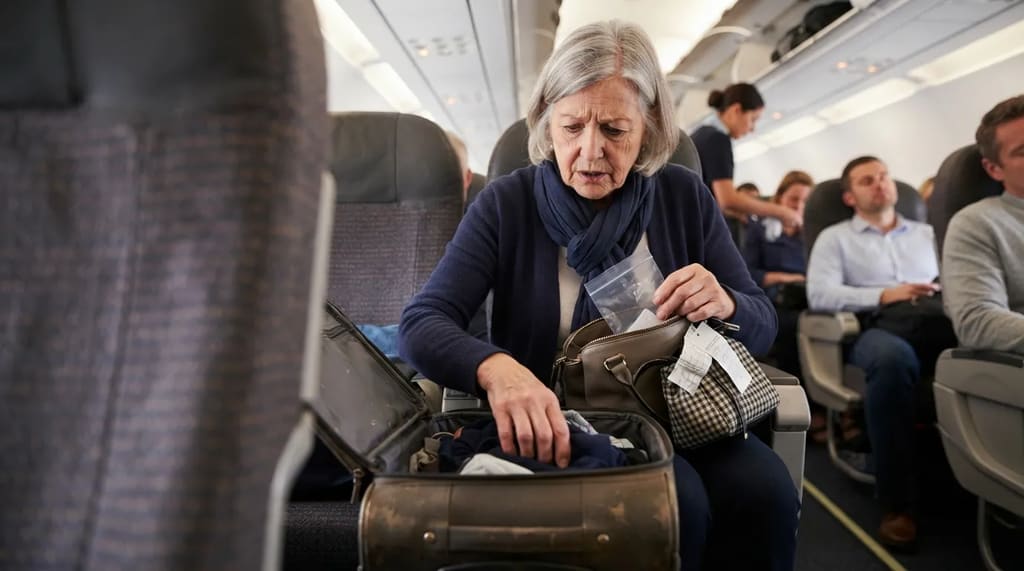
Bring enough for the whole trip plus a few spare days in case of delays. Pack every prescription in your carry-on, in the original labeled bottles.
Checked bags can arrive late, and a labeled bottle also answers questions if anyone asks what you’re carrying. That’s one reason your insurance questions, which come up again in #1, are worth settling before you pack.
A prescription can be repacked in a minute. A passport problem can’t be fixed once you’re at the airport.
#6 – A Passport That Looks Fine but Isn’t
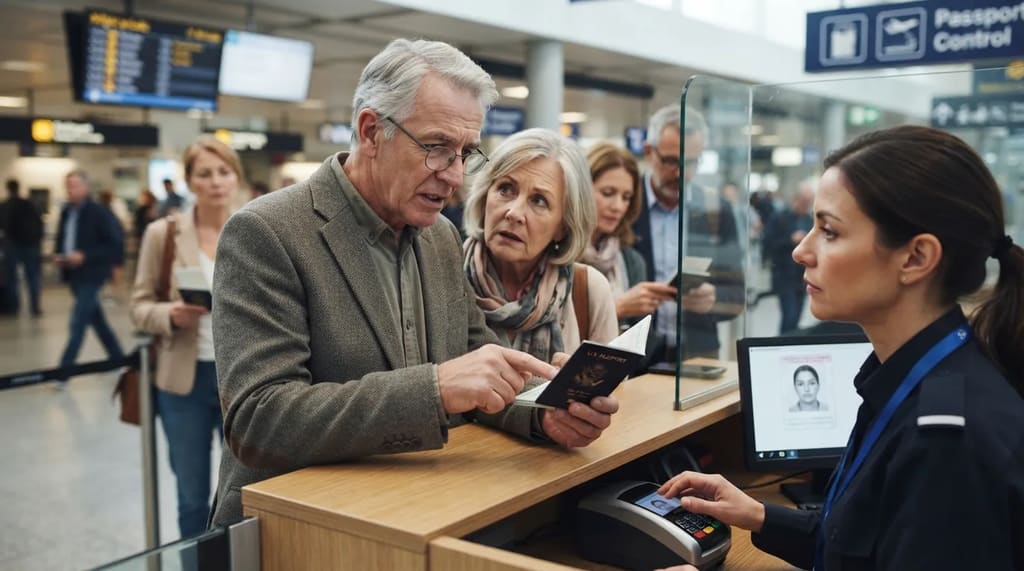
A passport can be fine for U.S. purposes and still fall short for Europe. Schengen countries generally want it valid for at least three months beyond the day you leave, and issued within the past ten years, so check both dates even if it has a year left.
Passport rule of thumb: valid three months past departure, issued within ten years. Confirm your own countries on the State Department’s entry pages, since requirements can differ.
The new border system adds another reason to be careful.
Your first entry brings a passport check, a facial image and fingerprints, and you must use the same passport that created your record.2 If you renew mid-year, that matters.
That covers your passport and the border. Another document is being widely discussed right now, and at the moment there’s nowhere to file it.
#5 – An ETIAS Fee Paid Before the System Opens

As of November 3, 2026, no ETIAS start date has been announced. The EU’s official ETIAS website said in September that the system isn’t operating and isn’t collecting applications.5
ETIAS is Europe’s planned online authorization for visa-exempt visitors, and it isn’t a visa. The official position is that travelers don’t need to do anything yet.
So any site charging you now isn’t the official system, and the EU has said it will announce the start date several months ahead.5 Don’t pay anyone for ETIAS until the EU announces a start date.
Entry rules are one variable. Your arrival date is another, and a longer border line can punish a tight one.
#4 – Landing the Morning the Tour Starts
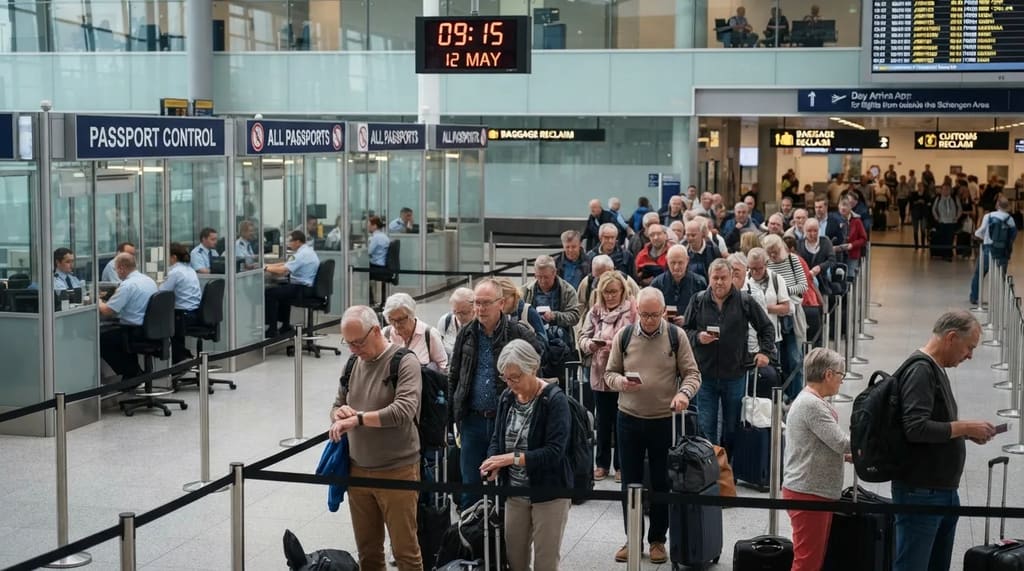
The tour begins on the date in the brochure, and it won’t wait for your flight or your suitcase. Your first entry may take longer than the old stamp-and-go routine, and the rollout hasn’t been smooth everywhere.
That’s the new border variable from #6 meeting a fixed schedule. A late flight or a long queue then costs you a nap, not the first day you paid for.
Land at least one full day before the tour’s first scheduled activity. Ask whether the operator sells a pre-tour night at the starting hotel, which also gives you time for jet lag.
If you’re connecting through another airport, leave generous gaps between flights.
A day’s buffer protects your itinerary. Protecting the money you’ve already paid takes a different product, and some of its benefits depend on when you buy it.
#3 – Trip Cancellation Cover Bought Too Late
Tour companies commonly publish a cancellation schedule in which the penalty grows as departure gets closer. That’s why cancellation insurance exists, since trip cancellation insurance protects your money.
Some policies tie extra benefits to buying within a short window after your first deposit. Find the policy’s purchase deadline and compare it with your first deposit date.
Don’t judge the policy by its price alone, because the word “covered” depends on the listed reasons for canceling.
Cancellation cover returns your money if you stay home. Once you’re in Europe, you need a different policy, and it can be sold under the same name.
#2 – A Travel Policy With No Medical Section

A government fact sheet on Medicare coverage abroad warns that travel insurance doesn’t necessarily include health insurance. Travel medical insurance is the part that protects your health.
My verdict is that a cancellation-only policy is the wrong purchase for a traveler over 65. It protects the tour fare from #3 but does nothing for a hospital stay.
Before you buy, ask the agent for three items:
- The medical limit, in dollars
- Whether medical evacuation is listed
- How the policy treats pre-existing conditions
Check the medical limit, the evacuation limit and the pre-existing condition rule. Those three lines tell you more than the price does.
That’s the policy you buy. The coverage you already own is the one many travelers assume follows them across the Atlantic, and it carries a 60-day window and a lifetime cap.
#1 – A Medicare Card That Rarely Works in Europe
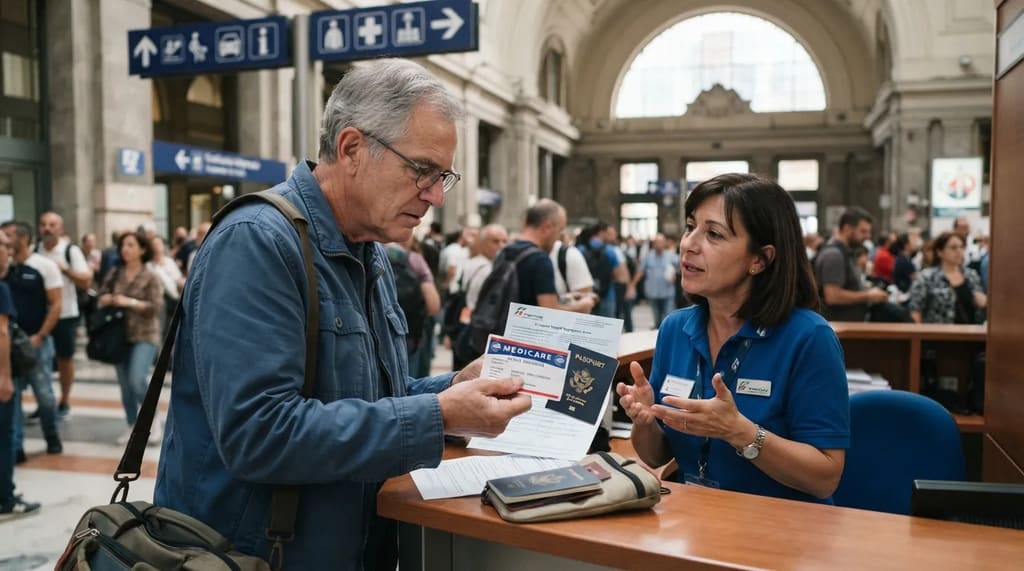
Original Medicare usually doesn’t cover health care outside the United States and its territories, except in very specific emergency situations.4 AARP’s guidance agrees that Medicare rarely covers medical care outside the United States.
That’s why the prescriptions from #7 matter, and why the policy from #2 isn’t optional padding. Two exceptions help, but each has limits.
Medigap plans C, D, F, G, M and N include foreign travel emergency coverage, but the fine print is tight.
Fast Facts
- It pays 80% of billed charges for certain emergency care.
- There is a $50,000 lifetime limit, not a yearly one.6
- The emergency must occur within the first 60 days of travel.4 6
Treat that as a backstop, not a plan, since a lifetime cap is a one-time allowance.
If you’re on Medicare Advantage, some plans offer emergency and urgent care abroad, but rules vary by plan, so check before traveling.
Call your plan before the final tour payment and ask three questions:
- Do you cover emergency care in Europe?
- What’s the dollar limit, and what’s my share?
- Do I pay up front and file a claim later?
Look back over the list and one pattern jumps out. The same problem costs a phone call at home, and a day, a fee or a claim once the coach is moving.
Walk in the shoes, weigh the bag, read the cancellation schedule and make the Medicare call while nothing is at stake. A group tour runs on a fixed clock and a fixed bill, so preparation is the cheapest part of the budget.
How many days before your tour began did you land in Europe, and would you change that next time?
Bonus: The Five-Minute Emergency Plan Most Travelers Never Make

Every fix above gets easier if you can explain your health situation in seconds, in any country. Build one simple emergency sheet before you leave.
- Make a one-page sheet: list your conditions, allergies, the generic name and dose of each medicine, and your doctor’s phone number. Add an emergency contact back home.
- Store it three ways: keep a paper copy in your day bag, a photo on your phone, and a copy with a family member at home.
- Save two numbers: 112 is the emergency number across the EU, and your travel insurer’s 24-hour assistance line is printed on your policy. Many policies expect you to contact that line early, so call it as soon as you can after any serious problem.
- Brief your tour manager on day one: mention any condition that could affect you on the road, so someone on the trip knows where to look.
If you ever pay a clinic or pharmacy yourself, ask for an itemized receipt and a copy of any medical notes. Those papers are what a claim is built on.
- EC Entry-Exit System: https://home-affairs.ec.europa.eu/policies/schengen/smart-borders/entry-exit-system_en
- EES Fully Operational Report: https://eucrim.eu/news/entryexit-system-ees-fully-operational-since-10-april-2026/
- Lonely Planet Europe Tipping: https://www.lonelyplanet.com/articles/tipping-customs-europe
- NCOA Medicare Abroad: https://www.ncoa.org/article/does-medicare-cover-you-anywhere/
- ETIAS Status Overview: https://worldvisaacademy.com/blog/etias-europe-travel-approval-for-americans
- Medigap Foreign Travel Benefits: https://www.medicarefaq.com/blog/understanding-medigaps-foreign-travel-benefits-whats-really-covered/