Most people who visit a national park think they’re doing it right. They packed snacks, bought the pass, even downloaded a trail map. But rangers across the country watch the same preventable mistakes play out weekend after weekend — and a surprising number of them aren’t just embarrassing. They’re dangerous, costly, and sometimes fatal. The National Park Service recorded 331.9 million recreation visits in 2024. That’s more feet on fragile trails, more faces inches from bison, and more search-and-rescue calls that didn’t have to happen.
Here’s the part that stings: most of these mistakes come from people who thought they were prepared. They came from assuming a national park works like something familiar — a city park, a resort, a zoo. It doesn’t. These are 15 mistakes rangers document over and over, counting down from “happens constantly” to the one that keeps rangers up at night.
#15 – Skipping the Park Website Before You Leave Home

This one sounds minor until you drive four hours and hit a road closure ten miles from the entrance. Rangers answer the same “why is this closed?” question dozens of times every single weekend — from people who never checked before they left. Road closures from rockslides, downed trees, and seasonal wildlife restrictions get posted to the park’s own website faster than any travel app updates them.
Two minutes of checking at home can save an entire day of frustration at the gate. Trail conditions change fast. Flash flood warnings, heat advisories, fire closures — the park’s website is the most current source you have. Most first-timers trust an app that was last updated six months ago over the actual park service. That gap in information is where the day starts going wrong.
Fast Facts
- Every NPS park posts real-time alerts, closures, and trail conditions at nps.gov — updated faster than any third-party app.
- Seasonal road closures can affect dozens of miles of access in parks like Yellowstone and Rocky Mountain.
- Many parks require timed-entry reservations in peak season — sellouts happen weeks in advance.
- Cell service at park entrances is often spotty — downloading the page at home takes 30 seconds.
#14 – Assuming You’ll Have Cell Service on the Trail
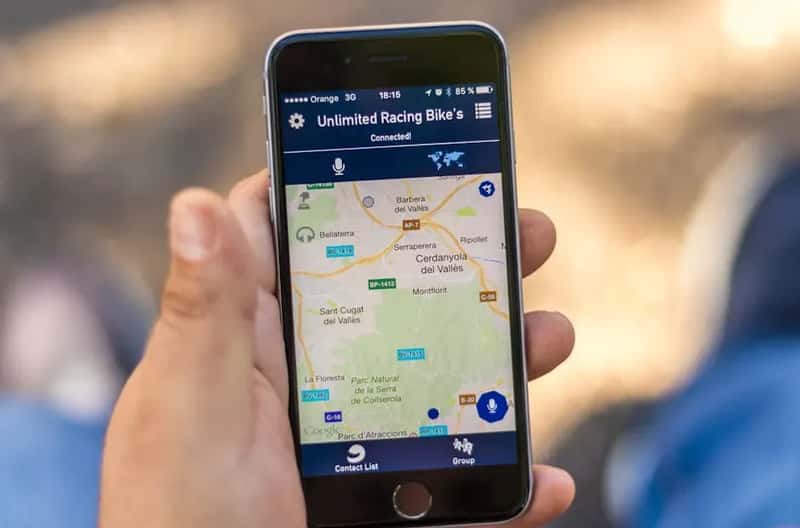
People walk into the backcountry expecting their phones to work the way they do in the suburbs — and that assumption gets them into serious trouble fast. Rangers consistently flag this as a root cause of an alarming number of search-and-rescue calls. “I’ll just call for help” is not a plan when you’re six miles deep in a canyon with no signal and a twisted ankle.
Downloading offline maps before you leave, sharing your itinerary with someone at home, and knowing the physical address of the trailhead are basics most weekend visitors skip entirely. The GPS on your phone works without cell service — but only if you downloaded the map beforehand. Most people discover that detail while already lost. A $30 paper map from the visitor center has never needed a signal tower.
#13 – Treating a National Park Like a City Park or a Zoo

This is the mindset error that quietly underlies almost every other mistake on this list. Research consistently shows that visitors who treat national parks as recreational spaces similar to city parks or zoos are significantly more likely to take dangerous risks. The environments inside these parks are dynamic, wild, and completely indifferent to your schedule or your vacation plans.
As rangers put it plainly: most national parks are very true wilderness — and a lot of visitors, especially those coming from cities or suburbs, don’t absorb what that actually means. There’s no park employee stationed every quarter mile to keep you safe. The terrain doesn’t care about your fitness tracker. The moment you stop treating the land as wilderness is the moment things can turn sideways fast.
#12 – Packing Way Too Little Water

It’s the most preventable crisis rangers deal with, and it happens at every desert park on every hot weekend without fail. Grand Canyon EMS responded to 474 nonfatal and 6 fatal heat-related illness cases over one multi-year study period — and nearly all of the nonfatal cases involved hikers, with 40% requiring helicopter evacuation. These weren’t extreme adventurers who misjudged a technical climb. They were day hikers who brought a single water bottle into a canyon in July.
Hikers should drink at least one liter of water per hour in hot conditions. In desert parks like Saguaro, rangers recommend carrying four to six liters for an average day hike. By the time you feel thirsty in dry, high-altitude heat, you’re already dangerously behind. Dehydration impairs judgment before it impairs your legs — which is exactly why people in trouble so often don’t realize how much trouble they’re in.
At a Glance: Water Basics Rangers Wish Every Hiker Knew
- Drink 1 liter per hour in desert heat — more if you’re climbing.
- Bring 4–6 liters for a full day hike in parks like Saguaro or Grand Canyon.
- Thirst is a late warning signal — sip continuously, don’t wait until you’re parched.
- Sports drinks or electrolyte tabs help on long, sweaty hikes where plain water isn’t enough.
- Many trailheads have water stations — fill up before you descend, not just when you return.
#11 – Hiking Into a Canyon Without Thinking About the Way Back Up
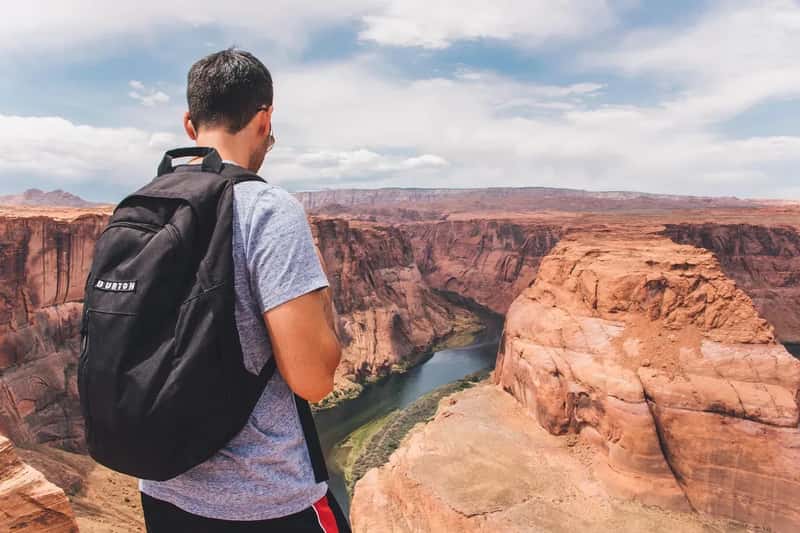
There’s a phrase rangers at the Grand Canyon repeat so often it’s become a motto: down is optional, up is mandatory. The Grand Canyon’s Hike SMART Program exists specifically because the terrain and heat make this distinction life-or-death. Every summer, rangers intercept hikers mid-descent who are already exhausted, dehydrated, and have no real plan for getting back to the rim.
Going downhill feels effortless. The return trip — uphill, in afternoon heat, on tired legs, with an empty water bottle — is what triggers rescues. The most dangerous trail at the Grand Canyon isn’t the hardest one; it’s the easy-looking one that seduces unprepared hikers into going too far. The South Kaibab Trail in summer has intense heat, minimal shade, and zero water sources on the way back up. Rangers know which hikers will need help before those hikers do.
#10 – Overestimating Fitness and Underestimating the Trail
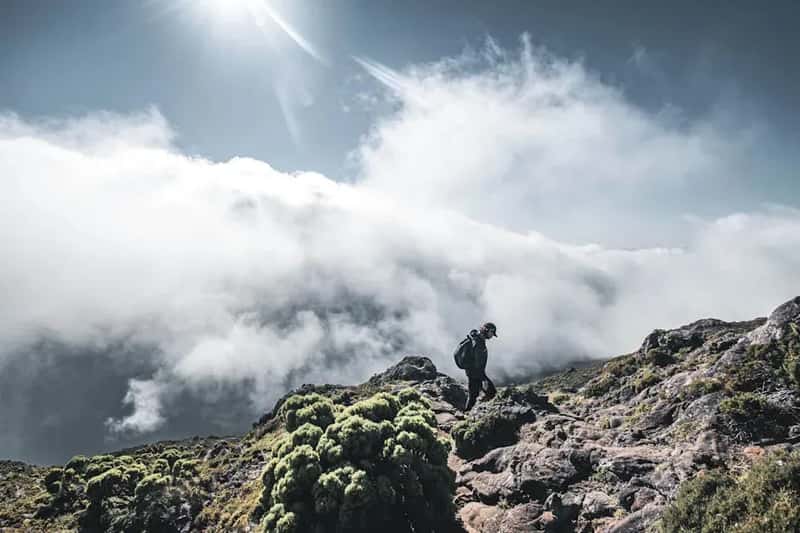
There’s a particular kind of overconfidence that strikes people on vacation — and rangers call it one of the most common triggers for search-and-rescue calls. A trail rated “moderate” in the Rockies would humble most people who walk a few miles a week at sea level. “Moderate” by whose standard is the real question, and it’s one most visitors never think to ask.
Zion National Park sits at a deceptively high altitude, and many of its canyon rim trails climb over 1,000 feet in just a couple of miles. The park regularly receives calls from visitors who didn’t research elevation gain or bring adequate gear and end up stranded on a ridge, too tired to make it back. Altitude alone can cut a fit sea-level hiker’s endurance nearly in half within the first mile. That’s not a warning to stay home — it’s a reason to ask a ranger which trail actually matches your body today, not your ego.
Quick Compare: Trail Difficulty Levels vs. What They Actually Mean
- Easy: Paved or flat, under 2 miles — still requires water and sun protection.
- Moderate: Elevation gain of 500–1,000 ft; can be brutal at altitude or in heat.
- Strenuous: 1,000+ ft gain, rough terrain — fitness level should match the mountain, not the gym.
- Backcountry: No services, no shade, no rescue guarantee — plan like your life depends on it.
#9 – Leaving the Designated Trail
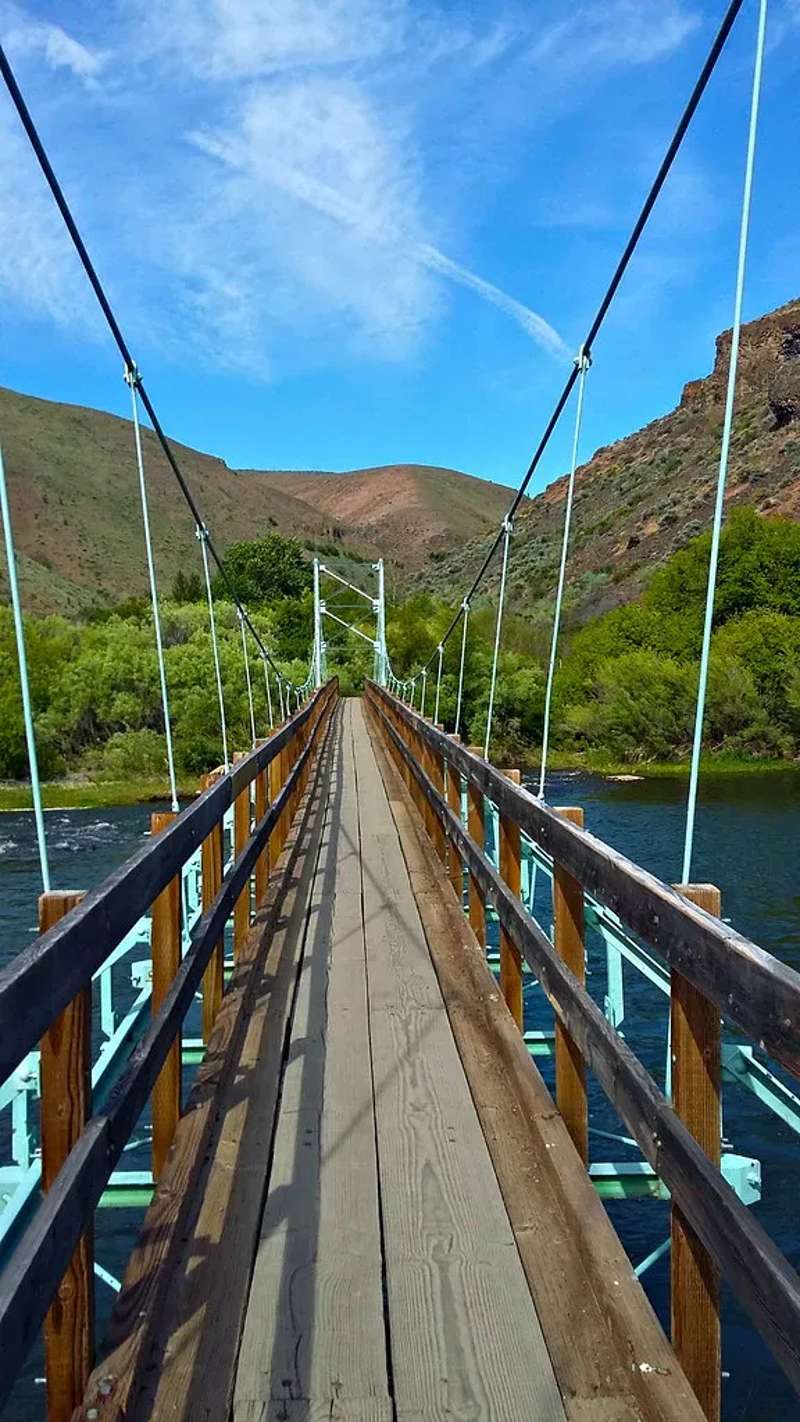
Every weekend, rangers watch visitors duck around trail markers, cut switchbacks, and wander into “prettier-looking” terrain. The consequences range from crushed ecosystems to people who simply don’t come back. Most visitors who leave the trail don’t realize the markers exist for two equally important reasons: their safety and the park’s survival. Most people only think about one of those.
At the Blue Ridge Parkway in North Carolina, several well-marked trails are closed to protect rare plant species and control erosion — and rangers still find boot prints on the other side of the signs every weekend. In thermal areas like Yellowstone, stepping off a boardwalk onto ground that looks perfectly solid has sent visitors through a paper-thin crust into boiling water below. A single footstep in the wrong spot can destroy a rare plant that took decades to establish. The trail exists because someone already figured out the hard way where it’s safe to walk.
#8 – Walking Past Rangers Without Asking Them Anything
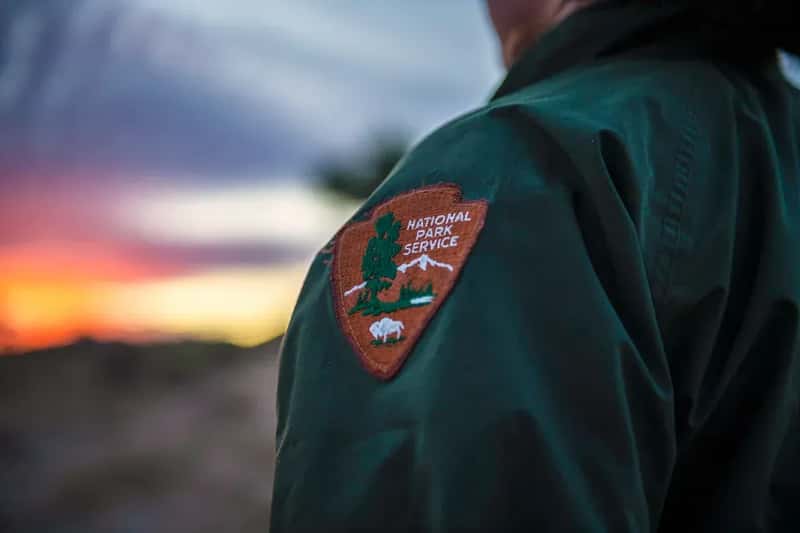
Experienced visitors treat park rangers like the most valuable free resource on the property. Most first-timers walk right past them. Rangers know which trail had a bear sighting that morning. They know which waterfall catches the best light at 4 p.m. They know the road that washed out overnight before it’s hit any app anywhere. That knowledge is free, and it’s standing right there in a green uniform.
Rangers can point visitors to the hikes worth doing and steer them away from the ones that are secretly miserable or temporarily dangerous. Skipping the visitor center is one of the most expensive mistakes a first-time park visitor makes — expensive in time, missed experiences, and sometimes in safety. Five minutes at the ranger station can fundamentally change your entire day in ways no travel blog can replicate.
#7 – Flying a Drone Without Knowing (or Caring) That They’re Banned
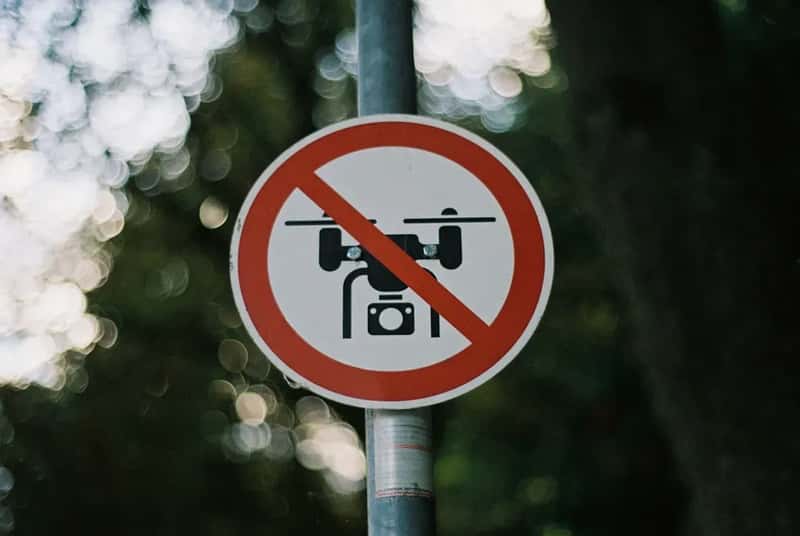
Drones at national parks aren’t a gray area. They’re illegal at every single NPS-managed site, and the penalties are substantial — up to six months behind bars and a $5,000 fine if caught. Rangers are actively watching for them, especially at popular filming spots, and the fines are not hypothetical.
In 2024, a visitor was fined $3,200 and sentenced to a year of unsupervised probation after pleading guilty to flying a drone over Grand Prismatic Spring at Yellowstone. The drone crashed into the sensitive thermal feature, causing damage officials estimated would take years to repair naturally. One drone flight caused irreplaceable damage that will outlast the operator’s probation by decades. The “I didn’t know” defense doesn’t carry much weight when the sign is posted at the park entrance.
#6 – Camping Outside Designated Areas
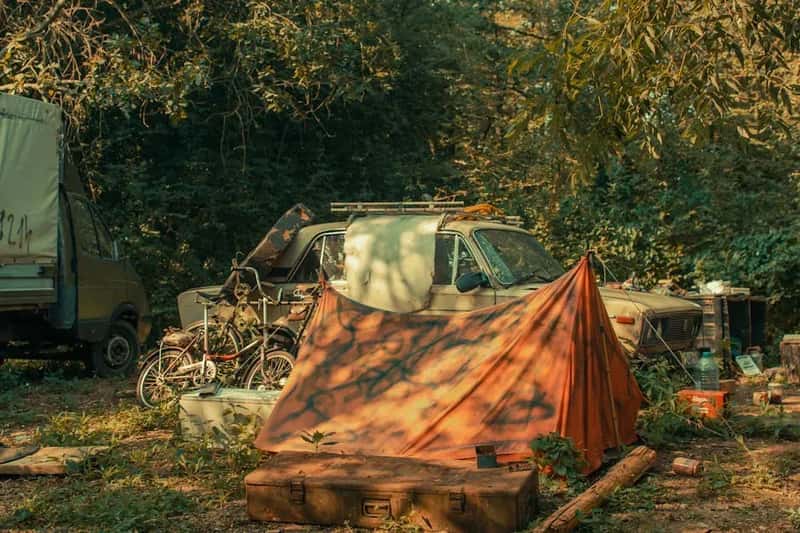
Illegal camping is one of the most frequently cited violations in the national park system, and plenty of the people doing it genuinely don’t think it’s a serious offense. It is. Not only does unauthorized camping undermine conservation efforts, it carries real fines — and in some parks, rangers can remove visitors from the property entirely. Every weekend, they find fire rings built in fire-sensitive zones, waste left near water sources, and cryptobiotic soil crushed flat by tent stakes.
In regions like Zion National Park, illegal camping poses a serious wildfire risk, which is why permit systems exist to manage exactly where and how many people can sleep overnight. A single unauthorized fire in the wrong canyon during a dry summer can spark a disaster that burns tens of thousands of acres. The backcountry permit process isn’t bureaucratic busywork — it’s how land that gets millions of visitors per year survives the next century.
#5 – Littering, Including the “Harmless” Stuff
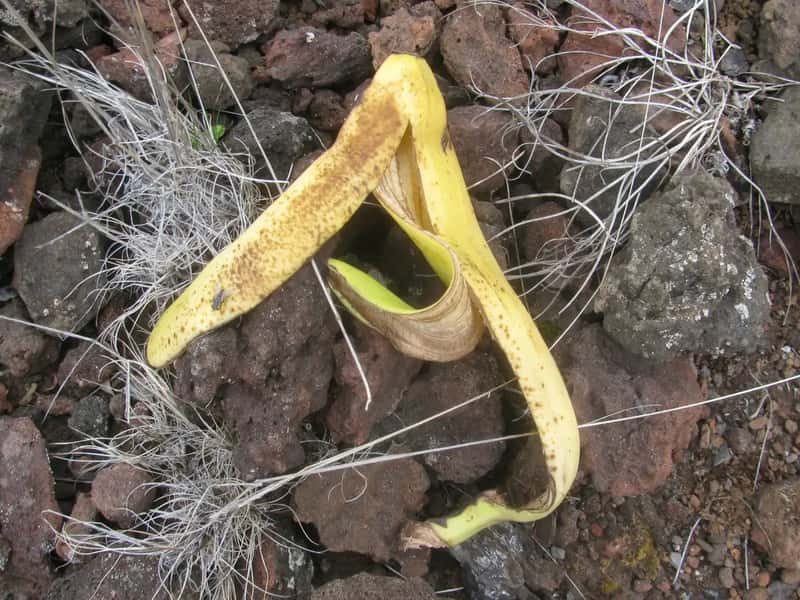
Most people who litter in national parks don’t think of themselves as litterers. They drop a granola bar wrapper assuming someone will pick it up, or they “accidentally” leave a bag of trash at the trailhead because the car is too far. But leaving trash — even a candy wrapper — is a federal offense in national parks and can draw serious fines. Millions of visitors generate tremendous waste, and even small items create outsized harm to wildlife and ecosystems.
Even seemingly harmless animals like squirrels become aggressive after repeatedly eating human food. Bird species can abandon nests when disturbed by the presence of food offerings. That banana peel tossed “because it’s biodegradable” takes up to two years to break down and can alter the feeding behavior of every animal that finds it. Pack it in, pack it out isn’t a suggestion — it’s a federal rule, and rangers enforce it with the same seriousness they bring to every other violation on this list.
Worth Knowing: What “Harmless” Litter Actually Does
- An apple core takes up to 2 months to decompose; a banana peel up to 2 years — both draw wildlife to trails.
- Fed squirrels and chipmunks lose their natural foraging behavior within a single season of handouts.
- Even biodegradable litter introduces non-native nutrients that can shift plant growth in fragile soils.
- Fines for littering in national parks start at $100 and climb steeply with repeat offenses.
#4 – Getting Too Close to Wildlife for a Photo
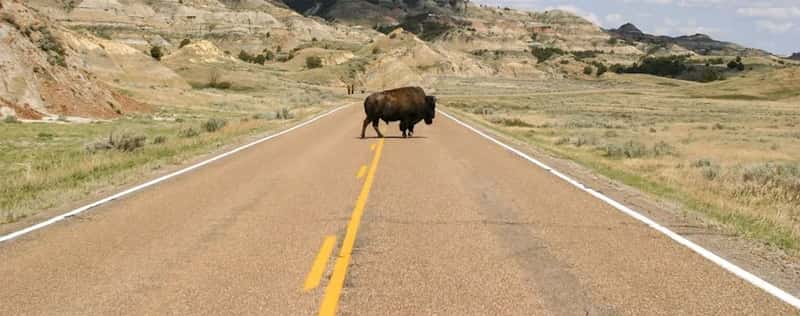
This is simultaneously the most documented and most ignored mistake in the entire national park system. In 2024, a man was injured after approaching a bison herd within 25 yards at Yellowstone — and in 2025, a Florida man became the first bison goring victim of the year in May. Bison look like slow, docile cattle. They are neither — according to the NPS, bison have injured more people in Yellowstone than any other animal, and they can run three times faster than humans. Rangers watch visitors inch toward bison for a better shot every single weekend, and most of the time nothing happens. That track record breeds confidence. That confidence is the danger.
Wild animals are unpredictable, especially when protecting young or during mating seasons. When a wild animal injures someone who approached too closely, rangers sometimes have no choice but to euthanize the animal — which means the visitor’s decision cost that animal its life. The animal pays the permanent price for the visitor’s temporary lapse in judgment. The NPS requires a minimum distance of 25 yards from most large wildlife and 100 yards from bears and wolves. That distance exists because someone measured it after someone else got hurt.
#3 – Feeding Wildlife (Even “Just This Once”)

Feeding animals in national parks isn’t just against the rules — it’s one of the most genuinely harmful things a visitor can do to an ecosystem. Feeding wildlife damages their health, erodes their fear of humans, and sets them on a path rangers describe bluntly: a fed animal is a dead animal. An animal that associates humans with food becomes a problem animal, and problem animals in national parks have a grim and predictable fate.
A fed bear is a dead bear.
National Park Service
Visitors sometimes project human or pet-like qualities onto wildlife — treating a grizzly bear like a dog that might enjoy a snack. The ranger who has to put down a “friendly” bear that stopped fearing humans didn’t want that assignment. The visitor who fed that bear created the situation that made it necessary. Fines for feeding wildlife can reach hundreds of dollars for first offenses and climb steeply from there. The real cost, though, is paid by the animal.
#2 – Stepping Over Safety Barriers at Scenic Overlooks
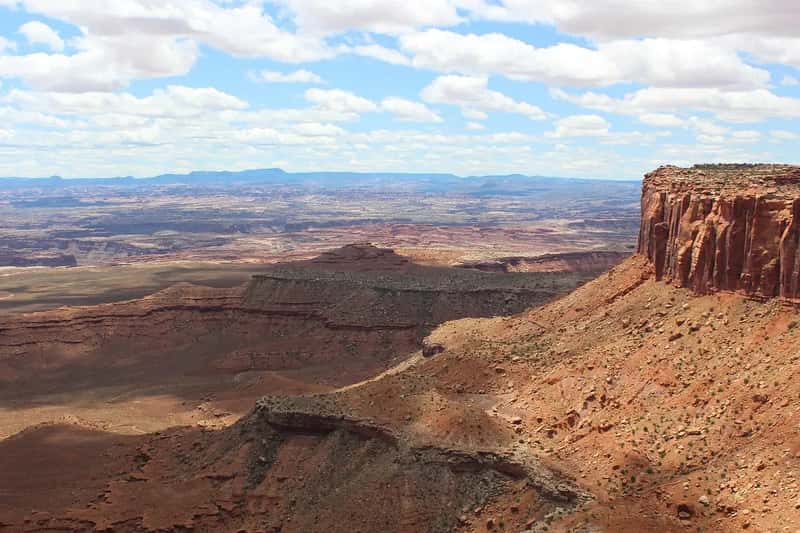
Rangers have a grim running observation about this one: the last thing many people see before they go over the edge is the photo they were about to take. People step past safety barriers constantly — often just for a better angle, just for one shot, just for a few seconds. Rangers have watched it happen so many times it barely surprises them. What still surprises them is that it keeps happening after high-profile tragedies that make the news.
In one incident, two tourists died after climbing over a rail at Bryce Canyon in Utah, a tragedy that underscored how quickly stepping past a barrier turns fatal on unstable canyon edges. Smartphones and the search for a unique angle have made this the single most visible and most fatal trend rangers deal with at viewpoints nationwide. The view from inside the rope is the exact same view that made every famous photograph of that park possible. The barrier marks where the ground stops being trustworthy — not where the scenery gets worse.
Why It Stands Out: The Overlook Barrier Problem
- Canyon rim edges are often undercut by erosion — what looks solid can give way without warning.
- Many fatal falls happen in under 3 seconds, before a bystander can react.
- Barriers are placed based on past incidents, not just caution — each one marks where someone has been hurt or killed.
- The “better angle” from beyond the rope rarely improves the photo — telephoto lenses do the same job from safety.
#1 – Trying to Cram an Entire Park Into One Day
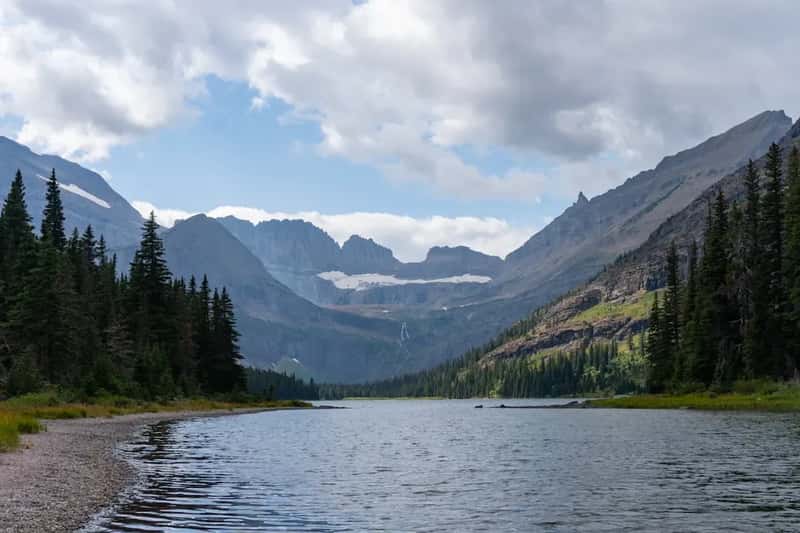
The single biggest mistake rangers document — the one that underlies rushed decisions, skipped safety checks, overextended hikes, and bad judgment on trails — is visitors treating a national park like a checklist to complete in eight hours. Rangers consistently describe overly ambitious itineraries as the root of cascading problems: people skip water breaks to make the next overlook, push past turnaround times to reach a summit, and make dangerous calls because they’re racing daylight. As one 37-year ranger veteran put it simply: “I think the biggest mistake I see people make is trying to be too fast.”
The scale alone defeats the plan before it starts. Yellowstone is larger than Rhode Island and Delaware combined. The people who get the most out of a national park visit — and the ones rangers never have to rescue — are the ones who planned to see two things and ended up discovering ten. Slow down. Ask a ranger what’s worth seeing that isn’t in the brochure. Let the place actually surprise you. That’s what these places were set aside for in the first place.
Most of the mistakes on this list share a single root: underestimating what a national park actually is. With record visitation, staffing pressures, and funding cuts stretching rangers thinner than ever, the responsibility for a safe and respectful visit falls more squarely on the visitor than it ever has before. Know before you go, respect the wildlife and the land, and build more time into your trip than you think you’ll need. The parks aren’t going anywhere — but the window to see them at their best depends on whether enough visitors treat them right.