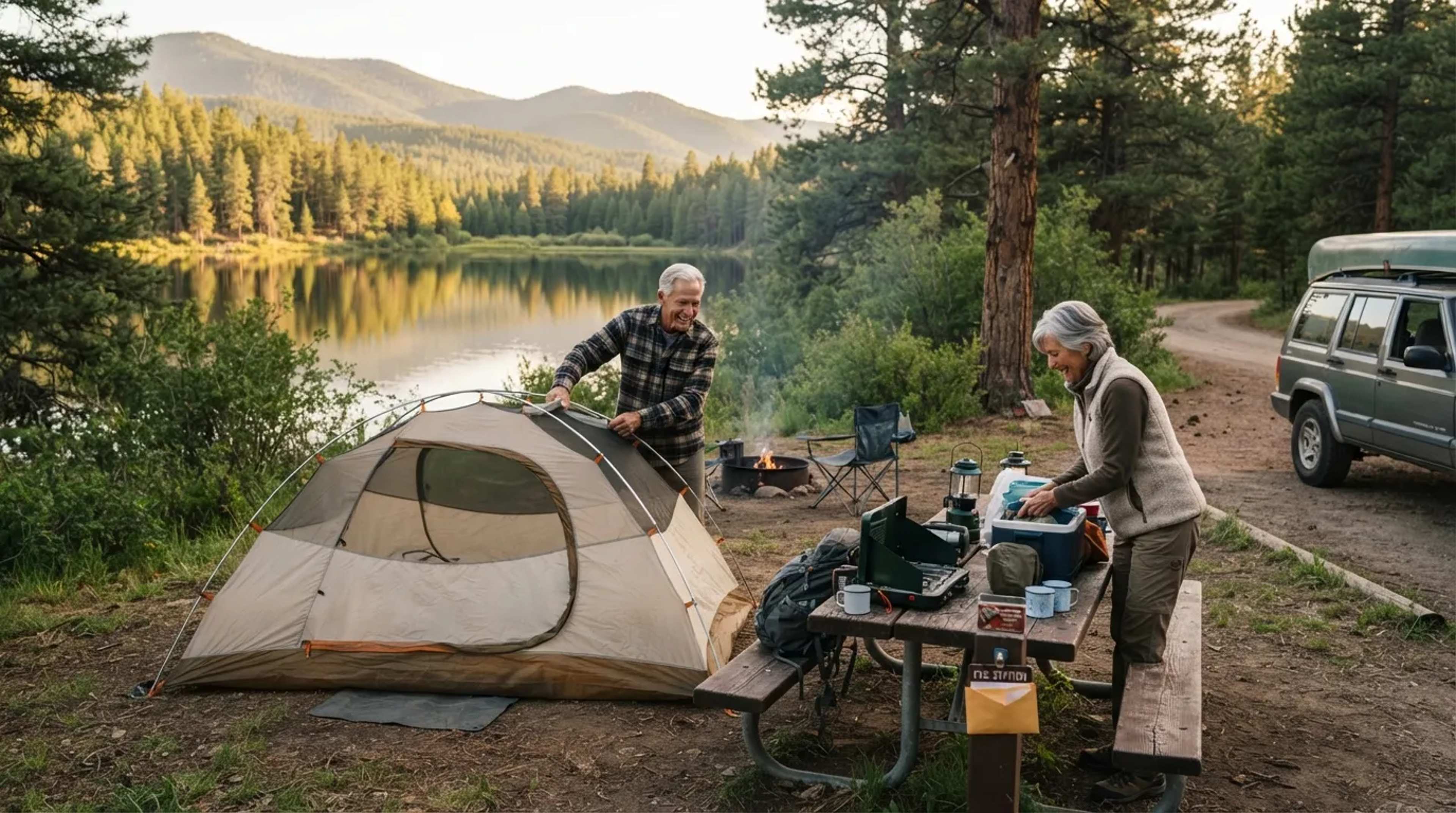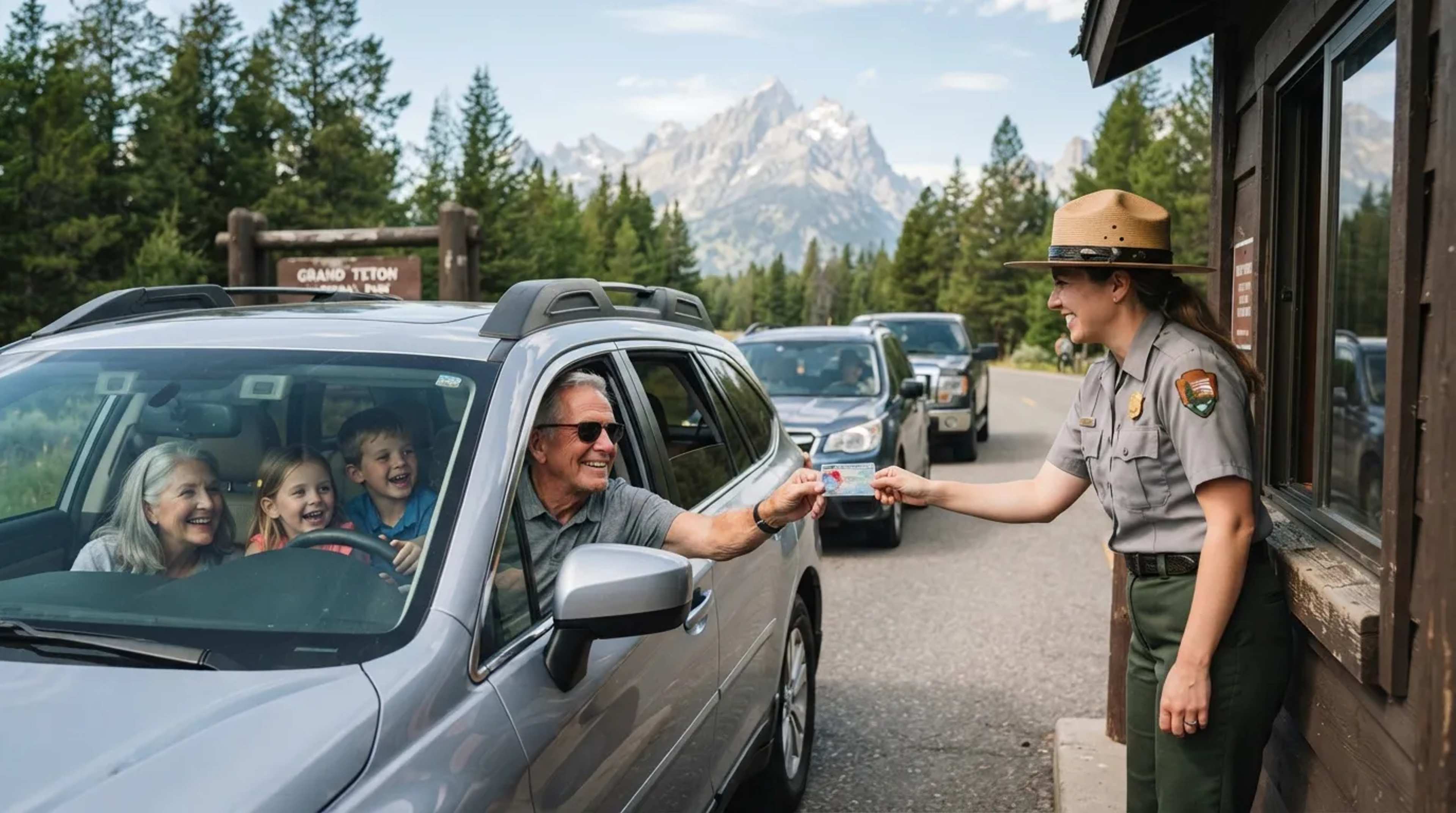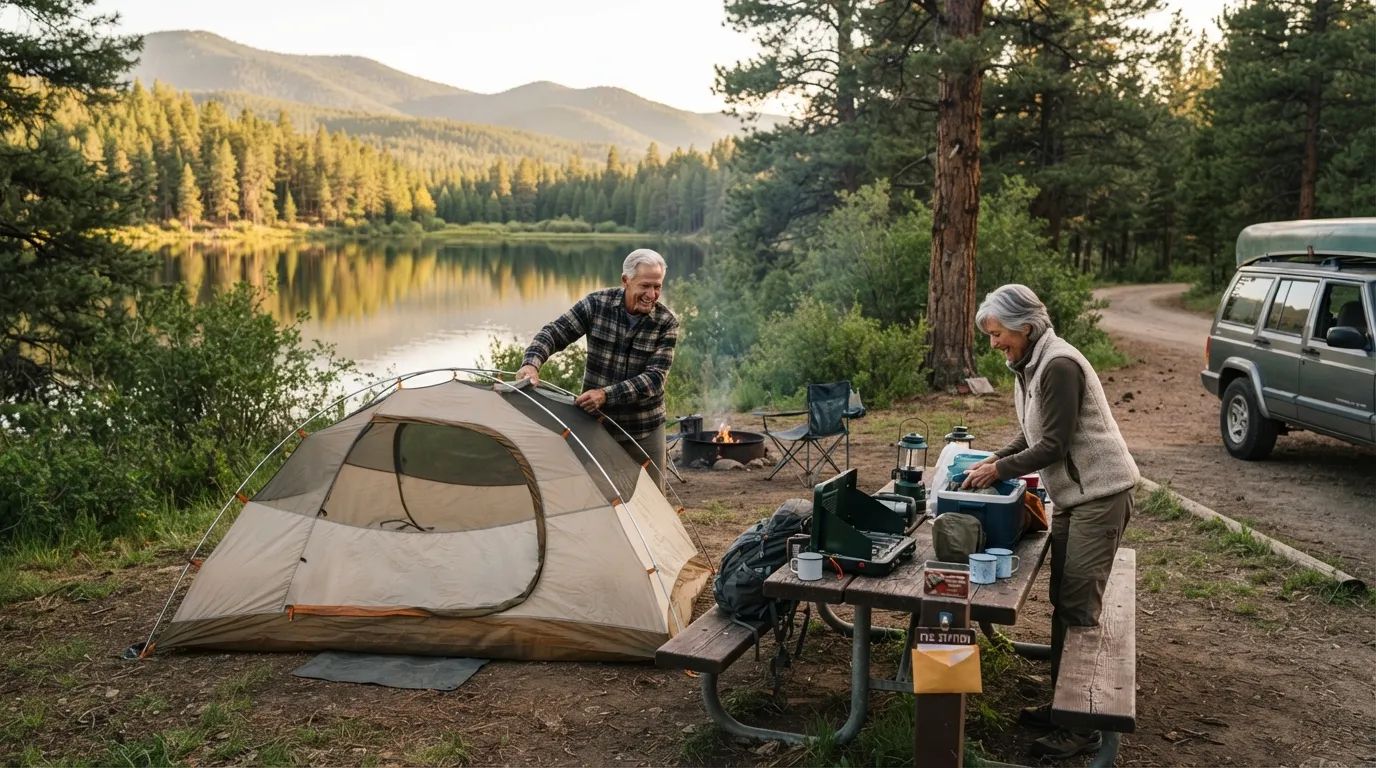
Most people believe the senior pass is just a cheaper ticket through the entrance gate. It actually gets you into more than 2,000 federal recreation sites managed by six federal agencies. The gate is the smallest part of the deal. Some of the biggest savings sit at campgrounds, boat ramps and lake beaches that holders walk right past. Here’s what the official fine print actually says.
#15 – The “Wait Until 65” Mistake That Costs Seniors Three Years of Savings
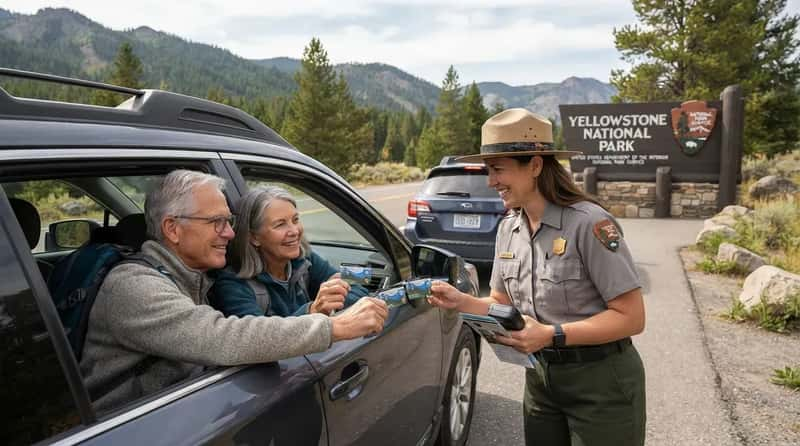
Plenty of people hold off on buying a pass they already qualify for. The National Park Service says U.S. citizens and permanent residents ages 62 and older can buy an annual pass for $20.00 or a lifetime version for $80.00. Age 62 is the cutoff, not Medicare age.
Proof matters, though. Applicants must provide documentation of age and residency or citizenship. The annual version stays valid for one full year from the month of purchase, through the last day of that month. Secretly, that rule gives you a little extra time on the back end.
But the next item surprises even people who’ve owned the pass for years, and it’s #14…
#14 – The Card That Gets Your Whole Car In Free
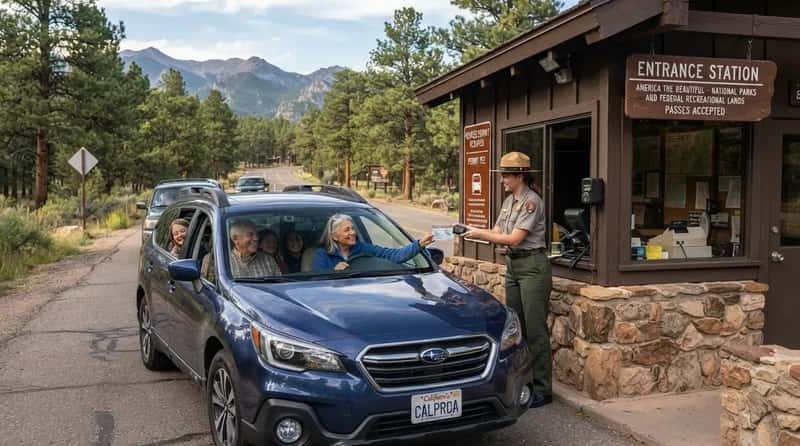
Most holders think the pass covers only them. At per-vehicle fee sites, it admits the pass holder plus the passengers in one vehicle. That means a grandchild, a neighbor or a friend can ride in without paying a cent at the gate.
Where fees are charged per person, the rule changes. At those sites, the pass covers entry for you plus three additional adults. The catch is that the half-price discounts often go to the cardholder alone, as the next few entries show.
- Per-vehicle sites: you plus everyone in your vehicle
- Per-person sites: you plus three adults
Wait until you see which land managers also honor the card, starting with #13…
#13 – Wildlife Refuges Quietly Accept It Too
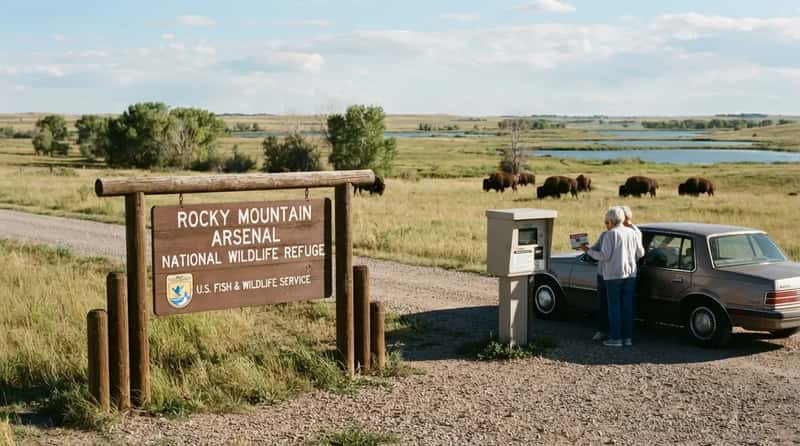
Many holders picture only the famous national parks. Each pass covers entrance fees at national parks and national wildlife refuges. The Fish and Wildlife Service is one of the six agencies behind the card, so refuges that charge a gate fee are part of the deal.
Those refuges are easy to overlook. They rarely get the crowds or the photo spots of the big-name parks. The card is an interagency pass created through cooperation between six federal agencies, not a National Park Service product alone. Refuge visitors may be paying out of habit.
But that’s nothing compared to what the Forest Service does with it at #12…
#12 – The Forest Picnic Spots and Trailheads That Charge Pennies You Don’t Owe
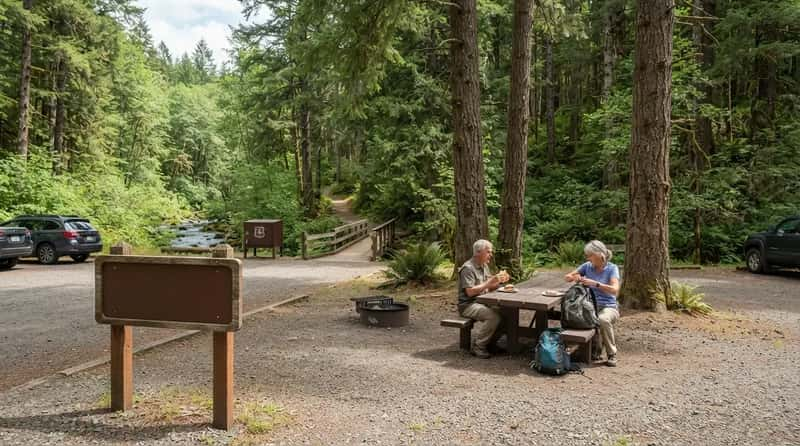
National forests are full of small fees that add up. Picnic areas, trailheads and swim spots can charge small fees, and the pass covers standard amenity (day-use) fees on Forest Service land. That includes national grasslands as well.
Not every forest site follows the same rules. The Forest Service says benefits vary by the type of service offered and by whether a concessionaire runs the site. A private operator can legally charge you full price on public land.
Next, two agencies most holders couldn’t name, at #11…
#11 – The Two Land Agencies Almost Nobody Thinks to Try
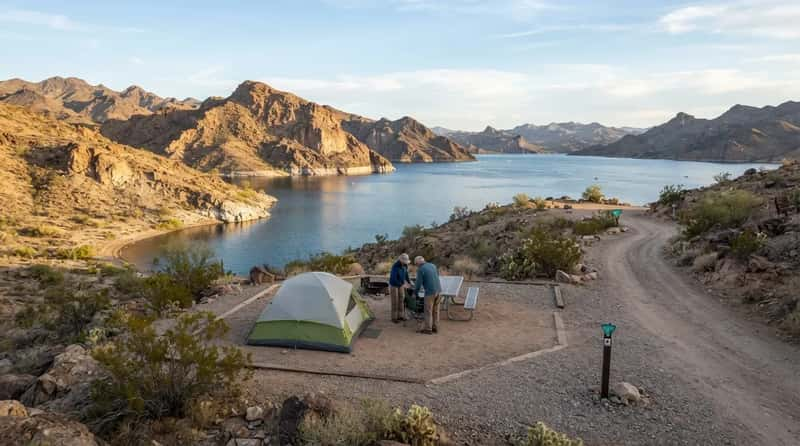
Ask a holder where the pass works and you’ll hear “national parks.” The pass also covers federal recreation sites managed by the Bureau of Land Management and the Bureau of Reclamation, along with the Forest Service and the Army Corps of Engineers. The Bureau of Reclamation runs recreation areas around reservoirs.
The camping discount reaches here as well. One camping guide lists the BLM among the agencies that honor the pass for camping discounts. Some of the most remote campsites in the country are on that list. Fee amounts and rules vary by site, so check before you go.
The way the pass travels with you has changed recently, and it’s #10…
#10 – The Pass You Used to Lose in the Glovebox Now Lives on Your Phone
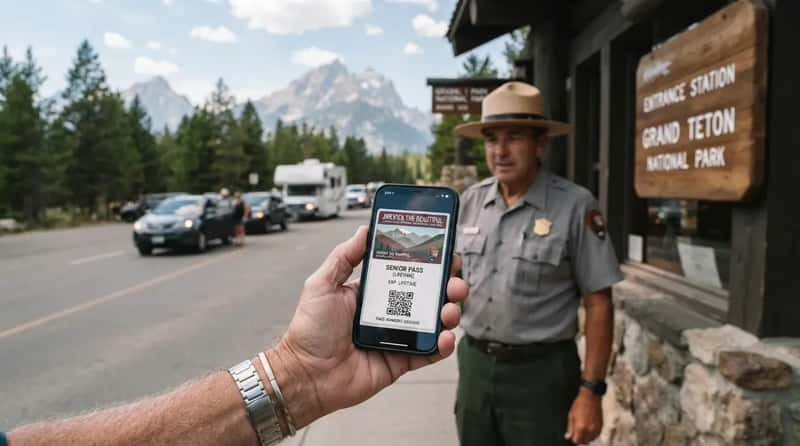
Holders who lost their cards had to put up with hassle. As of January 2026, America the Beautiful passes are also available through Recreation.gov in a digital format. Both the Senior Annual and Senior Lifetime passes are included.
You buy online and show it on your phone. The digital pass arrives instantly, with no mail wait. The convenience isn’t free, though: the digital option adds a processing fee too.
And the extra fee is just the start of the price story at #9…
#9 – The $12.50 Gap Between Buying Online and Walking In
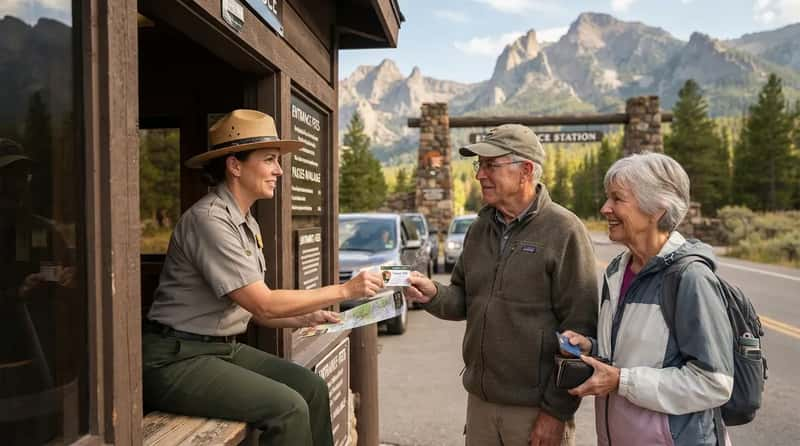
Most buyers click the first link they find. The USGS store lists $92.50 for the lifetime pass, which is the $80 price plus a $5 document processing fee and a $7.50 handling fee. Other guides cite slightly different totals, around $90, so check the current price at checkout.
At any fee-charging federal site, you pay exactly $80. That makes the in-person purchase the cheaper route for anyone planning a park visit anyway. The same card costs more depending on where you swipe your credit card.
But there’s a loophole that rewards patient buyers at #8…
#8 – Four $20 Passes Quietly Turn Into a Lifetime Pass
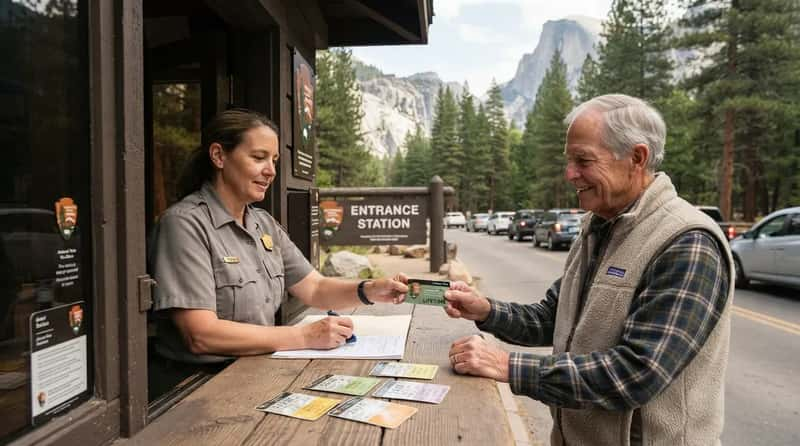
Nobody warns you about this when you buy the annual card. Four annual Senior Passes can be traded in for a lifetime pass, effectively spreading the $80 over four years. Keep every card.
There’s a limit on where you can do it. The trade-in works at a staffed fee station, not online. Passes you already paid for can count toward the lifetime price.
Even an old relic from your wallet may have value, at #7…
#7 – The Faded Golden Age Passport in Your Drawer Still Works
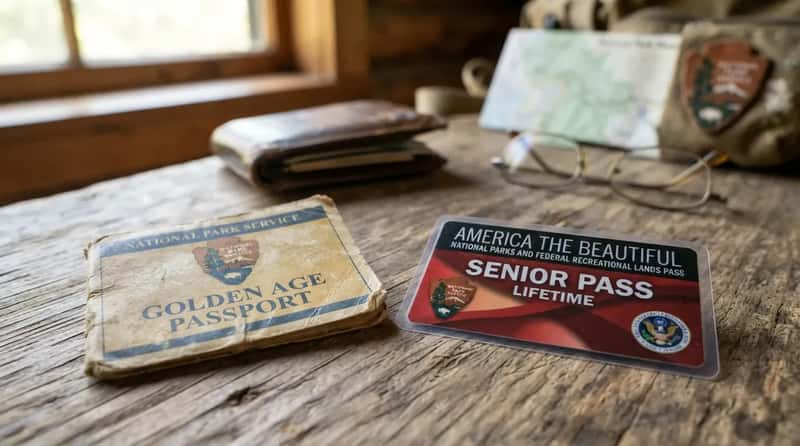
Some seniors still own a card from before 2007. The America the Beautiful Senior Pass replaced the Golden Age Passport, and the old passport is still valid for those who have one. It’s no collector’s item.
You can also upgrade it. The Corps of Engineers says Golden Age and Golden Access passes are still accepted and can be exchanged for an America the Beautiful pass at no charge. The old card can be traded for a current pass for free. A current card is easier for rangers and gate staff to recognize.
Now to the water, where the discounts get more interesting at #6…
#6 – Half-Price Swim Beaches and Boat Ramps Nobody Asks About
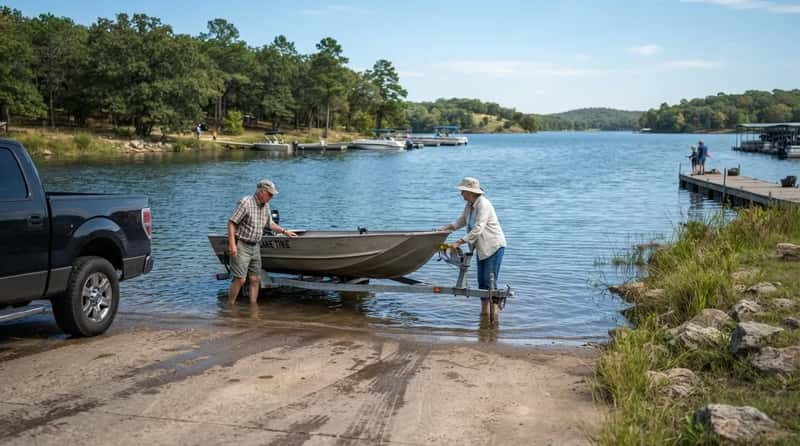
Most holders think of camping or the gate. The National Park Service says the pass can take 50 percent off some amenity fees, including swimming and boat launches. That can be a real saving for anyone with a trailer and a fishing boat.
At Chickasaw National Recreation Area in Oklahoma, senior pass holders qualify for 50 percent off camping fees and boat launch permits. Some sites discount the ramp as well as the campsite. That works out to a visible receipt difference.
But the discount that frustrates holders most is at #5…
#5 – The Guided-Tour Discount With a Frustrating Twist
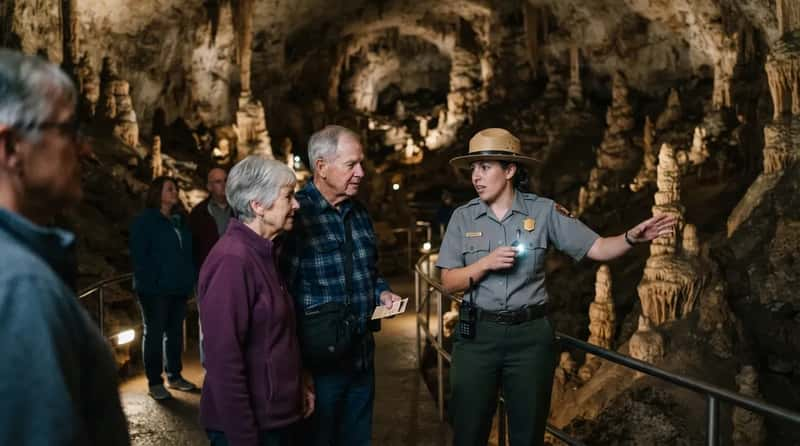
Few holders know interpretive programs can qualify. The Senior Pass may provide 50 percent off amenity fees for services such as camping, swimming, boat launch, and specialized interpretive services. That can cover certain ranger-led tours that charge a fee.
Here’s the twist. Where amenity fees are charged, only the pass holder gets the 50 percent reduction. Your spouse or grandchild may still pay full price for the same tour.
Also, the pass generally doesn’t cover or reduce special recreation permit fees charged by concessionaires. A private tour company on park land may not give you anything. Not every tour qualifies, and the tour that does may not be the one you want, as the lake rules at #4 show…
#4 – The Army Corps Lakes Where the Pass Does Triple Duty
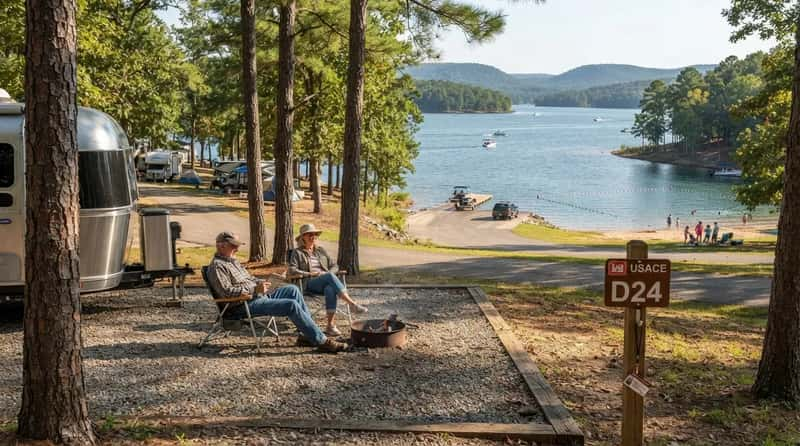
Most travelers don’t think of the Army Corps of Engineers as a recreation agency. It runs lakes and reservoirs that are on the pass’s list. Corps-managed campgrounds give Senior Pass holders 50% off camping fees.
One Corps district puts it plainly. Senior and Access passes give a 50% discount for the campsite the cardholder is occupying, plus free day use, boat launch and swim beach access. A lakeside campsite at half price may be the most overlooked part of the whole pass. Discounts depend on the district and site.
But the Forest Service has a catch most guides skip, at #3…
#3 – Where the “Half Off” Promise Quietly Stops in the National Forest
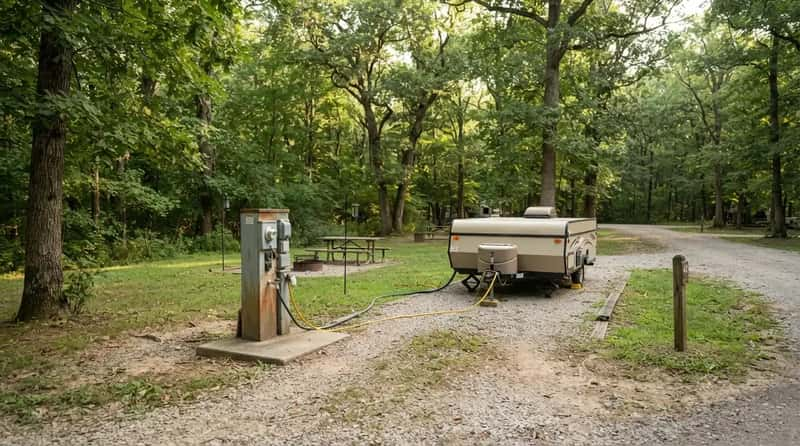
Everyone loves the “50 percent off camping” headline. The Forest Service lists hookups, dump stations, special tours, transportation systems and reservation services as expanded amenities. Those aren’t fully covered, though Senior and Access Pass holders do get 50% off single family campsites. The base campsite gets the discount.
One national forest shows how specific it gets. On the Hoosier National Forest, the 50% discount covers base camping at five named recreation areas. It doesn’t apply to shelter rentals, group campsites, firewood, reservation fees, or electric and water surcharges. The discount can stop at the hookup.
There’s a way to see the savings before you arrive, at #2…
#2 – The Booking-Site Trick That Skips the Campground Haggle
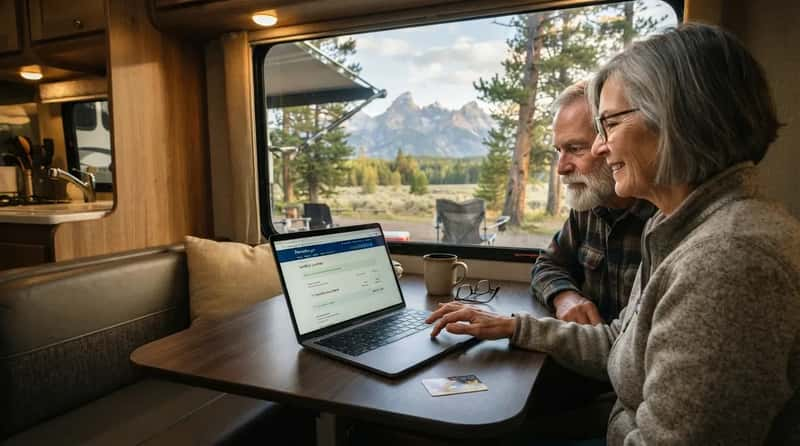
Nobody wants to argue at a check-in window. One camping guide says Recreation.gov lets you attach your pass to your account, with the 50 percent discount taken at checkout for eligible sites. Treat that as a tip to verify rather than a guarantee.
Recreation.gov itself is careful with its language. It states that Senior and Access Passes may offer a discount on some expanded amenity fees. One more surprise: the Military and Veterans passes don’t carry the camping discount at all. Only the Senior and Access passes take 50% off federal camping fees in 2026, according to one RV camping site.
And the biggest payoff of all, the one that outruns every entrance fee, is #1…
#1 – The Half-Price Campsite That Beats Every Gate Fee
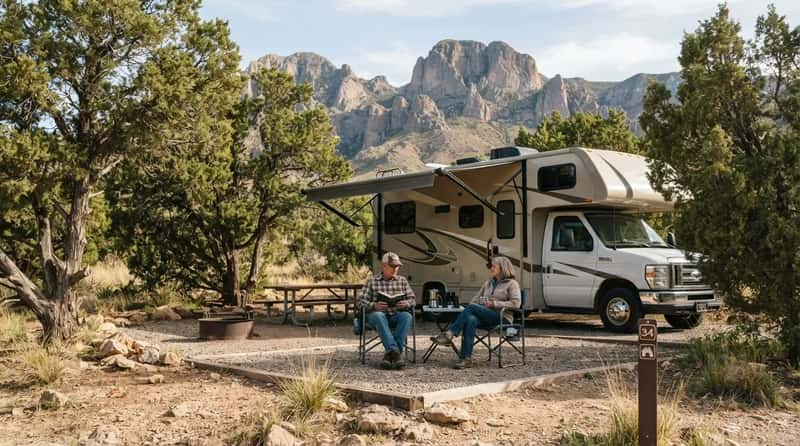
The real money isn’t at the entrance. One RV guide argues the camping discount saves far more than entrance waivers, because a waived entrance fee is a one-time benefit. A campsite discount repeats every night.
Real examples show it. Big Bend charges Senior and Access pass holders $8 instead of $16. Another guide says federal campgrounds often charge $20 to $35 a night, so 50% off brings that down to $10 to $18. That guide estimates the lifetime pass pays for itself in about seven nights at federal campgrounds. It is an estimate, not a promise.
The Bottom Line
The senior pass is much more than a gate pass. It works at wildlife refuges, national forests, BLM and Reclamation lands and Army Corps lakes, and it can cut boat ramp, swim and camping fees in half. The biggest surprises are in the details: only the holder may get the discount, concessionaires can charge full price, and four $20 annual passes can become a lifetime pass. Buying in person also costs less than buying online. The savings are real, but they depend on each site’s rules. Which of these perks did you only find out about after you paid full price? Tell us in the comments.