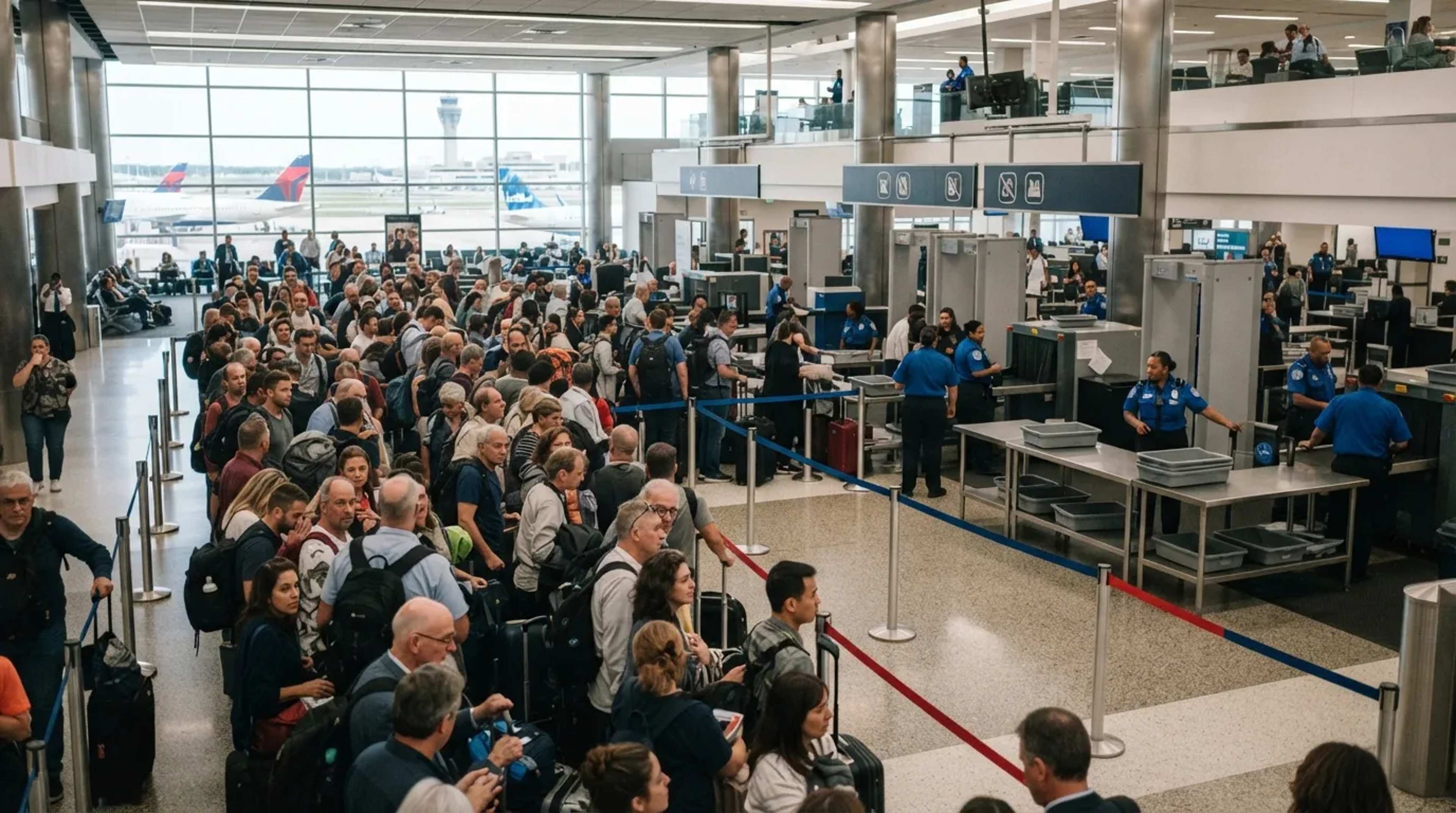
Watch a coach door open at a busy rest stop and you can spot the veterans in about ten seconds. First-timers spill out and drift toward the nearest shop. The repeat travelers move like they’ve rehearsed it: light bag, phone out, eyes already on the clock.
Nobody handed them a rulebook. They picked these habits up one tour at a time, usually after seeing someone else get burned. Some of them look like quirks. Others turn out to be the reason they never sprint across a parking lot, and one is the habit they’d miss most.
#15 – They Photograph the Itinerary Like It’s Evidence
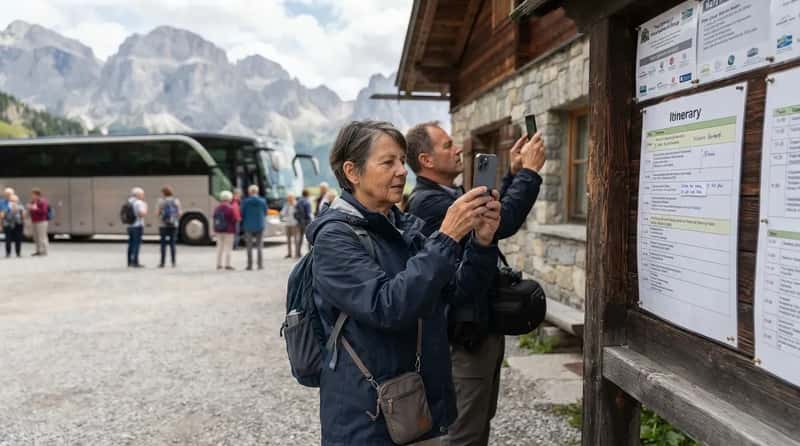
The daily plan gets handed out or posted, and a veteran snaps a picture of it right away. A minute later, three other people do the same. It looks like a quirk, but it comes from hard-won experience.
Paper schedules vanish into tote bags, and a guide’s spoken reminder is easy to forget by the third stop. One photo shows the return time, the meeting point and the next hotel at a glance. It takes two seconds and wipes out a lot of “wait, what time did she say?” panic.
But the next habit saves people from a far more embarrassing moment in the parking lot…
#14 – They Lock In Where the Coach Is Parked Before Walking Away
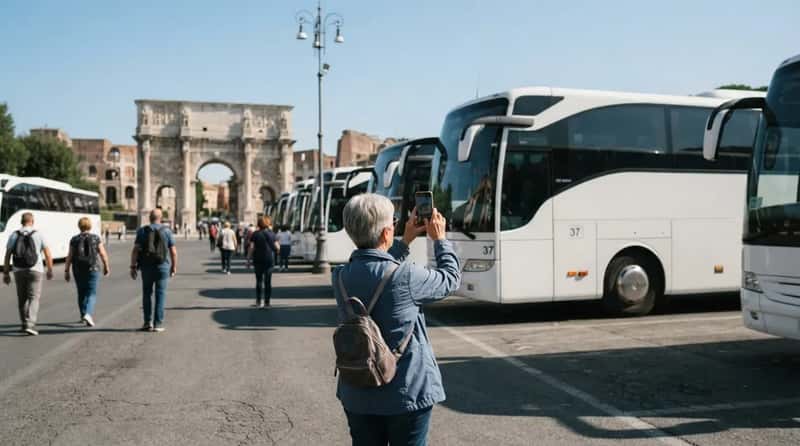
Experienced travelers never assume they’ll “just recognize” their coach. At a busy stop, several white or silver motorcoaches can sit in the same lot, and from a distance they look almost identical.
So the veterans glance at the coach number, the company name, or a nearby landmark like a light pole or a sign. Many snap a quick photo of the coach with the background in frame. Climbing onto the wrong coach is a classic story guides tell on themselves. It’s rarely dangerous, but it’s always the one everyone brings up at dinner.
Worth Knowing
- Coach companies often put a fleet number on the front or rear, which is faster to spot than a license plate.
- A photo with a fixed landmark in frame beats a mental note every time.
- Lots can fill up while you’re away, so the spot you remember may have a new neighbor.
- If you’re unsure, ask the driver, who always knows exactly where the coach is.
It takes five seconds and spares you the slow, confused lap around the lot. Still, that’s not the first thing most regulars do when the door opens…
#13 – They Hit the Restroom Before Anything Else

Before the photos, the gift shop and the coffee, they go. Repeat travelers know a stop is a short window shared by dozens of people, and the restroom line is the biggest time drain of the whole break.
The order matters. Anyone who leaves it for last often ends up in a long line with the departure time ticking, then power-walks back with a pounding heart. Regulars would rather have a calm ten minutes of wandering afterward than a stressful ten minutes of waiting.
And what they carry off the coach says even more about them…
#12 – They Carry a Tiny Day Bag, Never the Whole Backpack
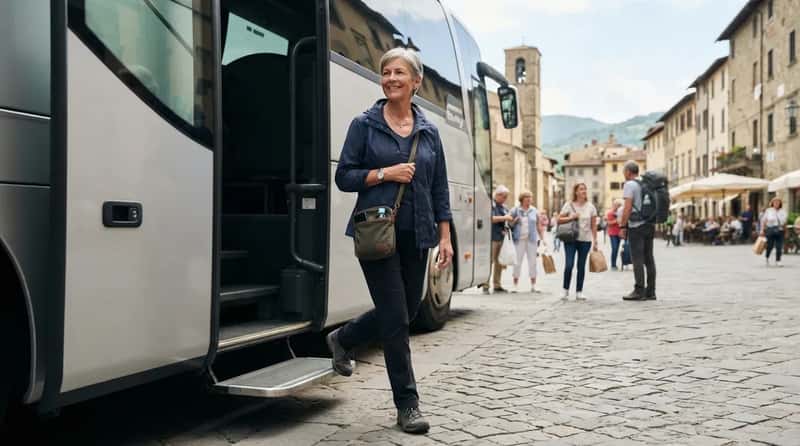
Look for the person stepping off with a lean, light bag. That’s usually someone on their tenth trip, not their first. They’ve learned that a heavy pack at a stop means sore shoulders, awkward shop aisles and a slow climb back up narrow steps.
Their stop kit is tiny: phone, wallet, a charger, a refillable bottle and maybe a light layer. The rest stays on the coach, tucked in the overhead rack or seat pocket, until the next hotel. It also keeps the aisle clear for the people behind them.
A light bag only helps if you’re also back on time, and the veterans take that seriously…
#11 – They Return Five Minutes Early, Every Single Time

The announced return time isn’t a target to hit exactly. Repeat travelers treat it as a deadline to beat. They set a phone alarm or check a watch, then start walking back while others are still taking one last photo.
There’s a reason. The person who pushes the clock on day one tends to keep doing it, and the whole group notices. Nobody wants to be the one jogging toward a coach on day three while forty-odd people watch through the windows. A group’s mood can turn fast when one person keeps everyone waiting in the heat.
Quick Compare
- The early returner: settles into their seat, sips some water and waves at latecomers with a smile.
- The last-second returner: arrives out of breath, apologizes down the aisle and feels every eye on them.
- The same stop, two moods: one traveler remembers the view, the other remembers the sprint.
Being early also means a calm settle-in and no scramble for your seat. And there’s one person they always acknowledge when they climb back aboard…
#10 – They Thank the Driver Every Time They Step Off
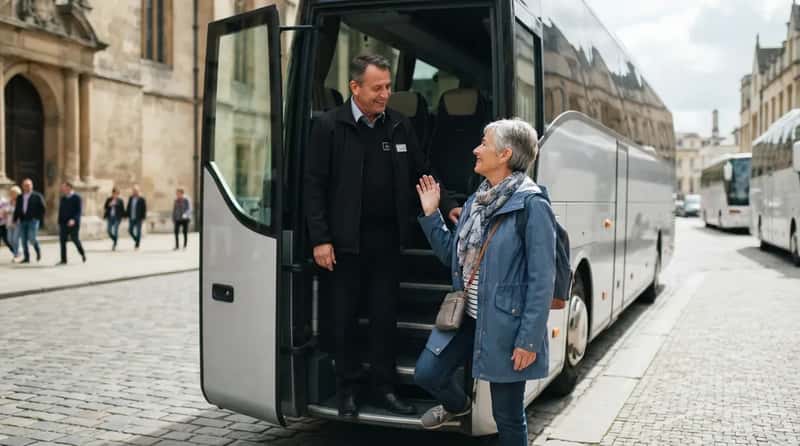
It’s a small nod, a “thank you,” sometimes a first-name greeting. Repeat travelers do it at nearly every stop, even though the driver’s work is invisible to most passengers.
The driver is juggling tight schedules, tricky parking and heavy luggage, all under rules that limit driving time. In the U.S., federal rules cap how many hours a passenger-carrying driver can drive before a required rest, and the limit is 10 hours of driving after 8 consecutive hours off duty. Experienced travelers understand that safety, not convenience, sets many of those timings.
That respect for the shared space carries over to one of the touchiest topics on any tour: seating…
#9 – They Remember Their Row Without Staking a Claim
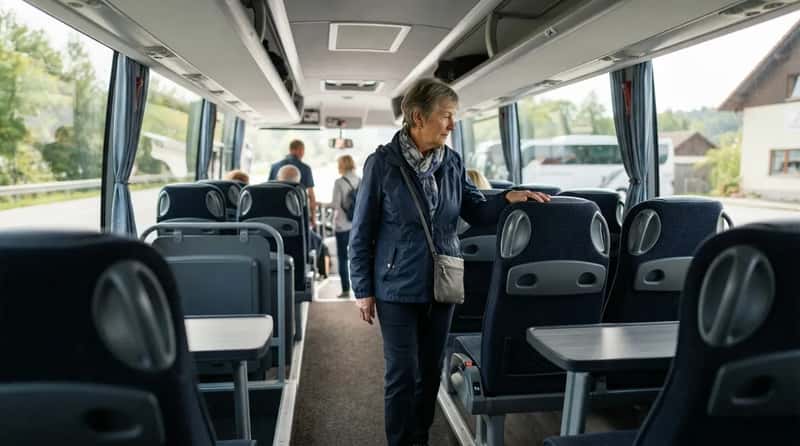
Seating is where friendships and grudges both begin. On many tours, seats aren’t assigned and groups rotate daily so everyone gets a turn with the good view. Repeat travelers know that rule, and they don’t fight it.
So veterans carry a mental map of today’s seat and glance at the row number before getting off. They don’t drop a jacket or bag there as a “reserved” sign. They also avoid leaving valuables on the seat when the coach is parked in a busy lot, since nobody is watching it.
Some habits are about etiquette, but this next one is simply about comfort and cost…
#8 – They Refill the Water Bottle Before Doing Anything Fun
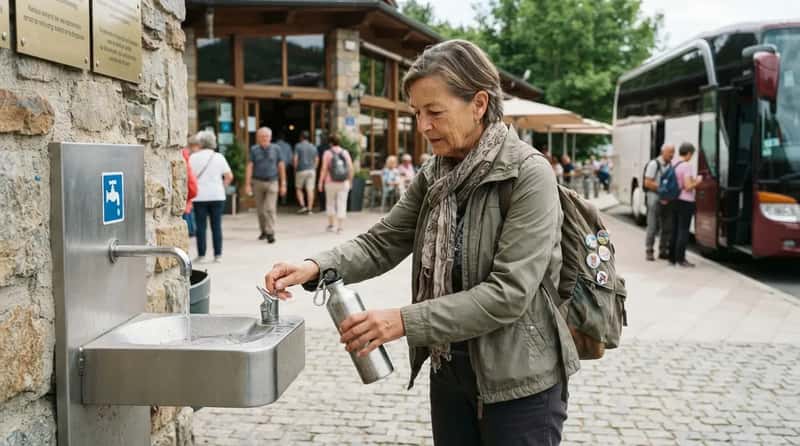
Ask a veteran what they do at a lunch stop and you’ll often hear, “Fill the bottle first.” They’d rather refill than pay stop-shop prices for a small bottle every few hours.
Long days on a coach can quietly leave you drained, especially when you sip less because a restroom isn’t guaranteed. Regulars handle it by drinking steadily and timing refills for stops where a restroom is easy to reach. It sounds minor, yet it often decides whether the afternoon feels sluggish or fine.
Fast Facts
- The National Academies puts total daily water intake at about 3.7 liters for men and 2.7 liters for women.
- That total includes water from food, which typically supplies around 20 percent of it.
- A standard small shop bottle holds about 16.9 ounces (500 ml), so one refill replaces a lot of purchases.
- Many regulars choose an insulated bottle that stays cold through a warm afternoon.
That same practical mindset shapes how they spend free time, and that’s where it gets a little controversial…
#7 – They Skip the Crowd and Pick Just One Thing

When the guide announces “an hour of free time,” first-timers often try to do everything. Veterans choose one thing: a view, a local snack or a quiet bench. They’ll even ask the guide, “If I only have an hour, what’s the one thing I shouldn’t miss?”
Here’s a take that divides travelers. Plenty of people treat the packed gift shop as the main event, but many experienced tour-goers call it the biggest waste of free time on a stop. They’d rather eat something local and walk a block in the opposite direction from the crowd.
But even the best plan falls apart if you can’t reach your group, which brings us to the next habit…
#6 – They Save the Guide’s Number and Hotel Address Before Trouble Starts

Seasoned travelers don’t wait until something goes wrong. Early in the trip they save the guide’s phone number and screenshot the hotel address and the day’s plan.
It’s quiet insurance, and it has one obvious weak spot: batteries. Rest-stop outlets are rarely guaranteed and are often already claimed by someone with the same idea. So veterans charge overnight and keep a small backup battery in the day bag, because a dead phone at a stop means you can’t call anyone when you’re running late.
Next up is something they do with their bodies, not their phones, and health guidance backs it up…
#5 – They Walk First, Even When They Just Want to Sit
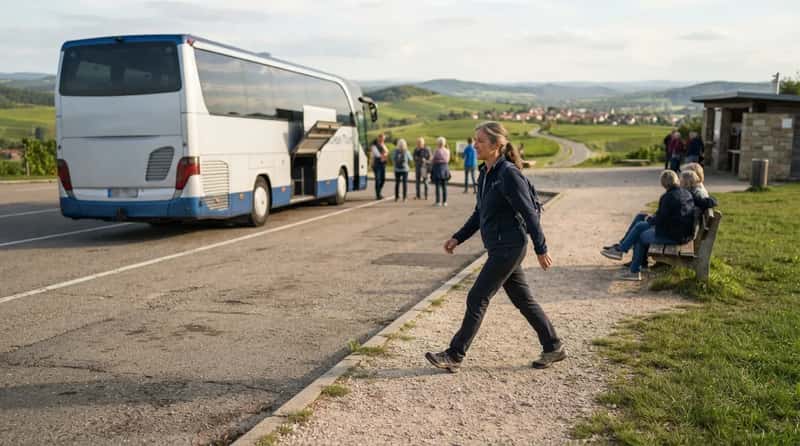
After hours on a coach, the instinct is to find a bench and stay put. Repeat travelers do the opposite. They take a short loop around the lot or the building before settling anywhere.
It’s a smart move. General travel health guidance, including advice from the CDC, is to get up and move regularly on long trips rather than sit for hours at a stretch. Experienced travelers feel the difference in their legs and backs by day three. Many say those first ten minutes of walking make the next two hours of riding far more tolerable.
And while their legs are working, their eyes are doing a different job entirely…
#4 – They Quietly Notice Who Hasn’t Come Back Yet
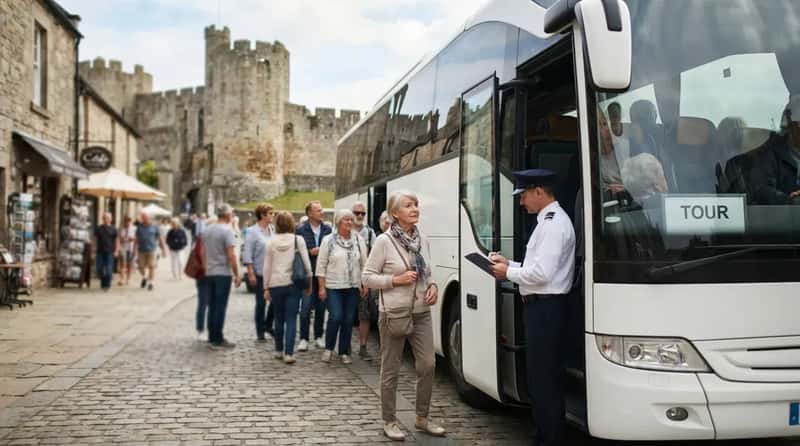
Nobody asks them to, but repeat travelers do a mental head count as they board. They notice the person who was slow at lunch, or the couple that always lingers at the last shop.
Guides do the official count, but a full coach can carry around fifty people, and they’re often managing a dozen things at once. So a friendly “has anyone seen Carol?” from a veteran can save the whole group ten minutes. It’s a small act of care, and it builds real trust on the coach.
Why It Stands Out
- Many full-size motorcoaches seat roughly 50 to 56 passengers, which is a lot of faces for one guide to track.
- A friendly question to a seatmate beats a loud announcement every time.
- It’s the kind of habit people remember long after the trip ends.
- Travelers who look out for others tend to get the same treatment back.
It also explains why the best travelers rarely get left behind themselves. Still, one more everyday detail can trip up even them overseas…
#3 – They Keep Small Coins Ready for Pay-to-Enter Restrooms
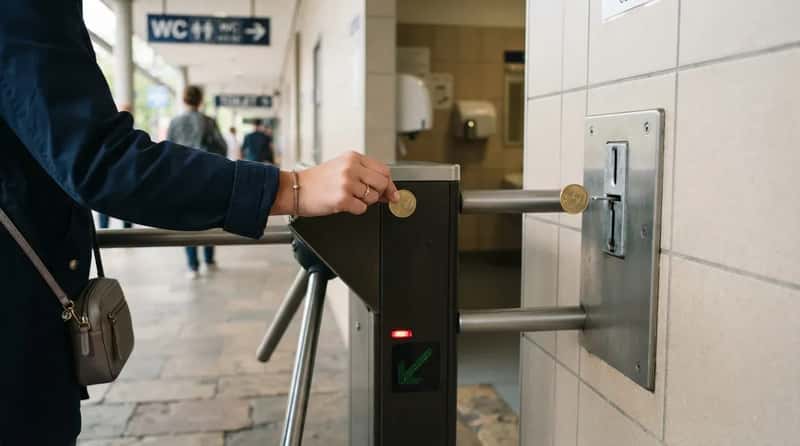
If you’ve traveled outside the U.S., especially in Europe, you may know that restrooms at rest stops and attractions often charge a small fee. Repeat travelers know it too, and they keep coins or small bills in their stop pouch.
First-timers usually find out at the worst moment, standing at a turnstile holding only a large bill or a card. Veterans smile, tap a pocket and walk right in. A handful of small coins is the difference between a quick stop and a frantic hunt for change.
It’s a practical habit, but the next one is about what ends up in your suitcase…
#2 – They Buy One Small, Packable Thing Instead of a Bag of Souvenirs

You’ll rarely see a veteran leave a stop with a giant bag. They pick one small item: a local snack, a magnet, a postcard or a bar of regional soap. They know space on a coach is limited and the suitcase gets heavier at every stop.
It’s also an unwritten rule among regulars to skip anything fragile unless it’s wrapped for travel. A luggage bay gets loaded and unloaded again and again over a trip, and bags can shift on winding roads. The lighter and sturdier the souvenir, the better its chances of making it home in one piece.
But the biggest habit of all has nothing to do with bags, bottles or time…
#1 – They Turn Strangers Into the Friends They’ll Call Next Year

Here’s the part brochures skip. At every stop, repeat travelers chat, trade a photo favor or share a table with someone new. By the last morning, people who were strangers ten days earlier are hugging at the hotel door.
That’s a big reason people come back. The scenery is the headline, but the friendships are what pull them onto the next tour. A rest-stop coffee, a “can you take our picture?” and a shared laugh over a missed turn can be the start of a holiday-card friendship.
And the habit they never think about turns out to be the one they’d miss most.
Repeat coach travelers aren’t following a rulebook. They’ve simply learned that tiny moves at each stop, like a photo of the itinerary, a bathroom-first routine, an early return and a thank-you to the driver, add up to a calmer trip.
The checklists get you on the coach on time. The people are what make you want to book the next one.