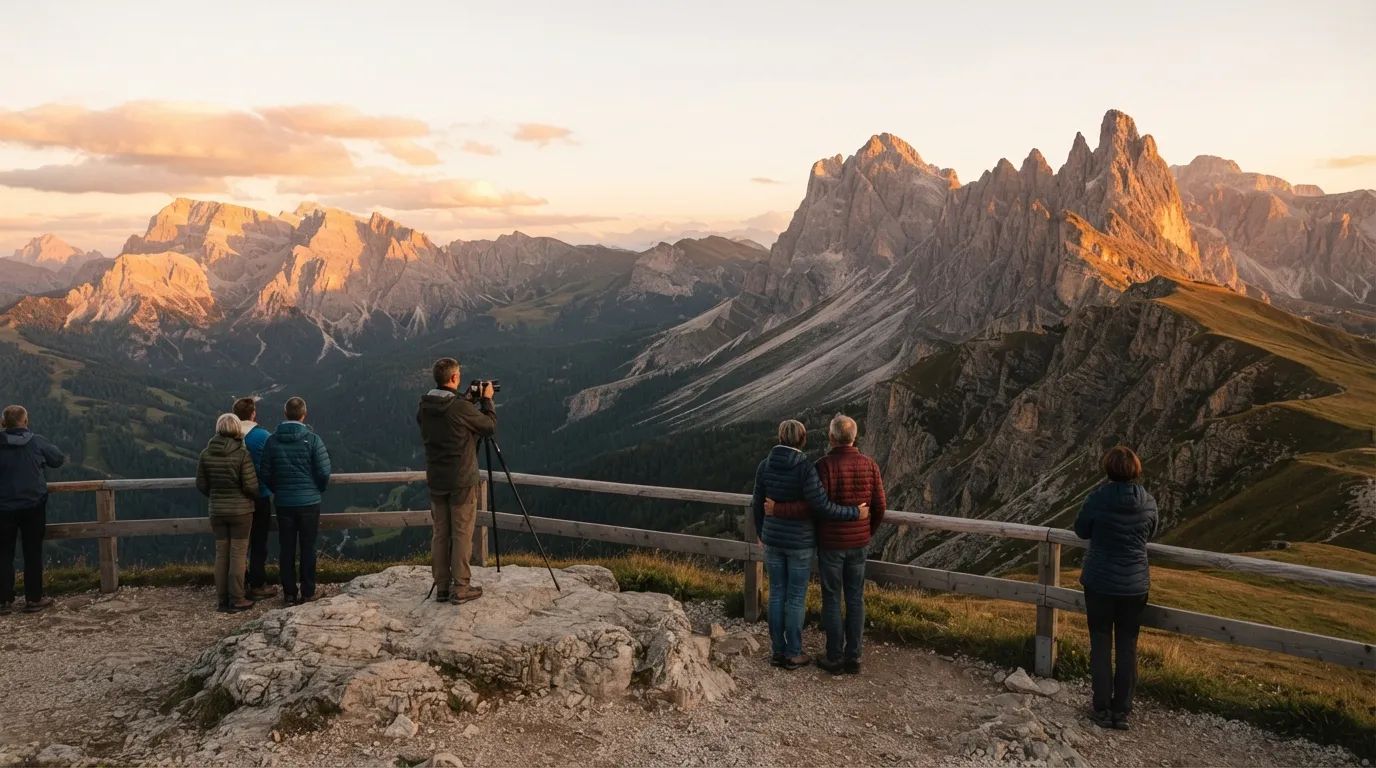
The itinerary in your folder looks calm, tidy and fixed in place. It isn’t. On almost every guided trip, someone is quietly swapping stops, sliding meals and flipping whole days upside down while you sip your coffee and assume it all just worked out.
Some of these changes are about crowds. Some are about bathrooms, of all things. And one rearrangement saved for the very end is so deliberate that you may never look at the last day of a trip the same way again.
#15 – The Headline Sight Gets Slid to the Hour Before the Crowds Arrive
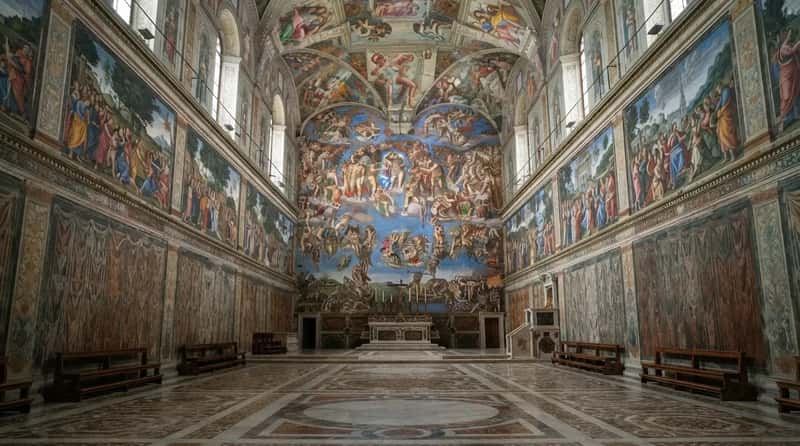
That famous landmark on your schedule rarely stays where the brochure put it. Big coach groups tend to pile in mid-morning, so planners often shift the headline stop to opening time or late afternoon. The paper itinerary may say midday, but the live version quietly says 8:30 a.m.
The rest of the day then bends around that one slot. Breakfast moves earlier, and a smaller stop fills the gap while the crowds peak elsewhere. Travellers walk into a nearly empty hall and think they got lucky, when someone actually engineered it.
But that’s nothing compared to what happens to lunch in #14…
#14 – Lunch Is Pushed Back So the Kitchen Is Actually Ready for You
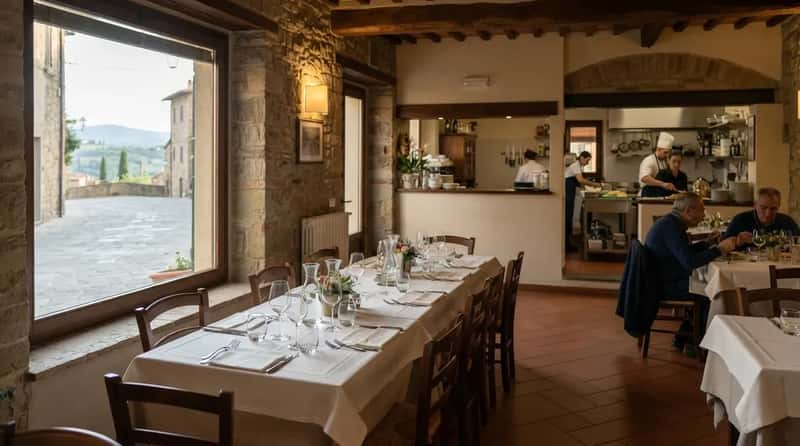
That relaxed midday meal is often a carefully timed escape. Restaurants that serve groups can be swamped at peak lunch hours, and a coach of 40 hungry people can bring a small kitchen to its knees. Shifting your table by 30 to 45 minutes can mean faster service and a calmer room.
Some managers go further and swap lunch and sightseeing entirely. If a site is jammed at noon, you eat first and visit once the tour buses thin out. It feels spontaneous, but it usually isn’t.
Quick Compare
- Eat first, visit later: Calmer tables, plus a sight that is often quieter once the tour buses move on.
- Visit first, eat later: Works when a site peaks after lunch, but hungry groups get restless fast.
- Nudge the table 30 to 45 minutes: Often enough to dodge the rush without anyone noticing.
And the next change is one almost nobody thinks to ask about…
#13 – Bathroom Stops Quietly Decide Where Your Whole Day Goes
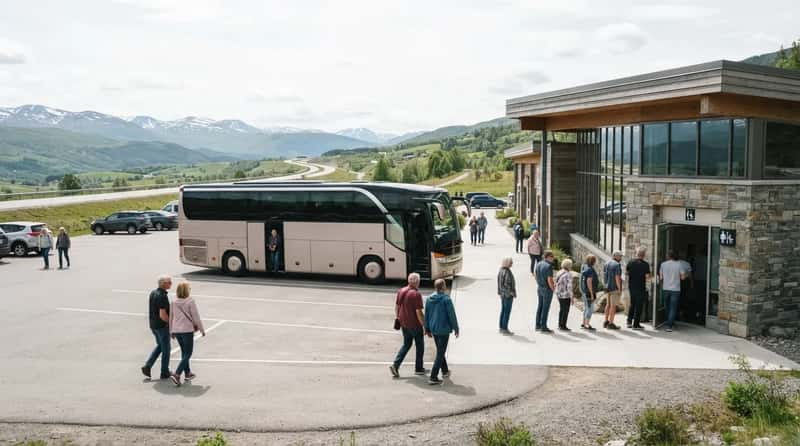
The unglamorous truth is that restroom locations can shape a route more than scenery does. A good manager knows which stops have clean, reliable facilities and builds the day around them. Long coach legs get a break placed before the dead zone, not after it.
That “photo stop” in the middle of nowhere? It was often a bathroom stop with a view. Group size matters too, because a queue at a tiny café restroom can swallow everyone’s free time. So managers sometimes split one stop across two locations to keep the day on track.
Next up is a move that tour managers defend fiercely, and it involves your legs…
#12 – The Hardest Walk of the Day Is Secretly Scheduled First
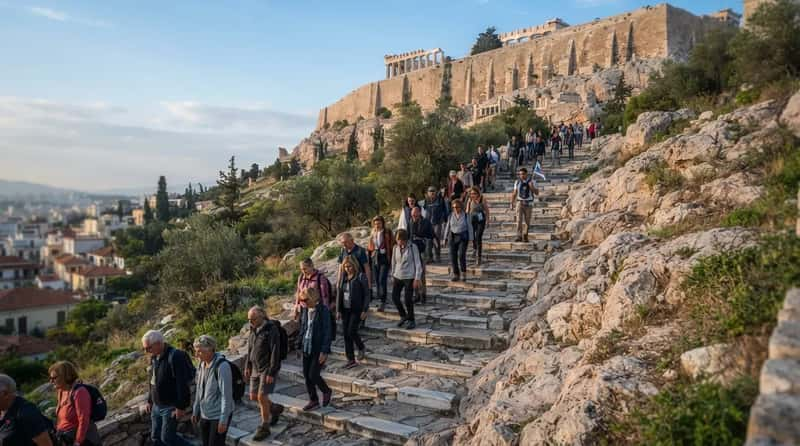
That brutal hill or staircase is rarely saved for the afternoon. Energy drops as the day goes on, and so does patience. Planners often put the steepest, longest or hottest walk early, when everyone is fresh and the air is cooler.
By the time you’re tired, the day has quietly shifted to flat, seated or indoor stops. On hot-weather trips, outdoor ruins get the cool morning hours while museums and covered markets take the afternoon. It feels like a comfortable flow, but it’s a deliberate design.
Of course, there’s another timing trick that involves your suitcase, and it’s #11…
#11 – Your Hotel Arrival Is Rarely Where the Itinerary Says
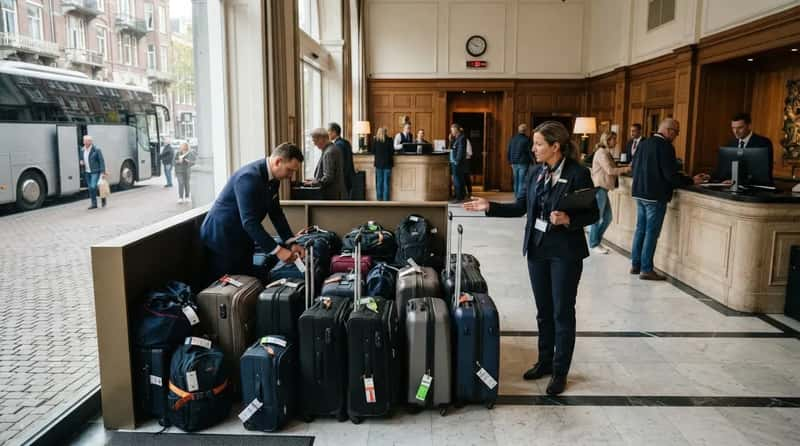
The “check in at 2 p.m.” line often hides a full reshuffle. Hotel rooms are commonly ready in the afternoon, not first thing in the morning. So when a group lands early, managers often reroute the day: lunch first, a short sight, then the hotel.
Your bags may be dropped off long before your room is available, and you’ll barely register the detour. The reverse happens on departure mornings. If the coach leaves at dawn, luggage may be moved the night before, or breakfast may open early just for your group.
At a Glance
- Early arrival: Bags are stored, lunch comes first, then a short sight.
- Room timing: Many hotels only release rooms in the afternoon, so the day bends around it.
- Departure morning: Luggage may go down the night before.
- Dawn exits: A private early breakfast is sometimes arranged for the group.
That brings us to the morning wake-up routine, which is trickier than it looks…
#10 – Wake-Up Calls and Bag-Out Times Are Staggered on Purpose
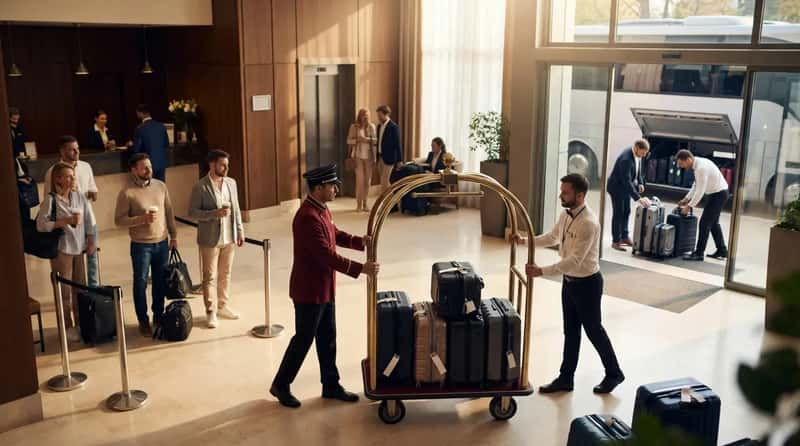
That early alarm isn’t random. Managers start with the departure time and work backward through breakfast, luggage loading and the lobby queue. A group sharing one elevator bank can’t all check out at once.
That’s why different travellers sometimes get different bag-out times. Bags go first, then people, so the lobby stays calm and the coach door doesn’t turn into a bottleneck. The result is a morning that looks effortless, with a lot of careful sequencing behind it.
And the seating on that coach? That isn’t an accident either…
#9 – The Coach Seat Rotation Is a Quiet Peace Treaty
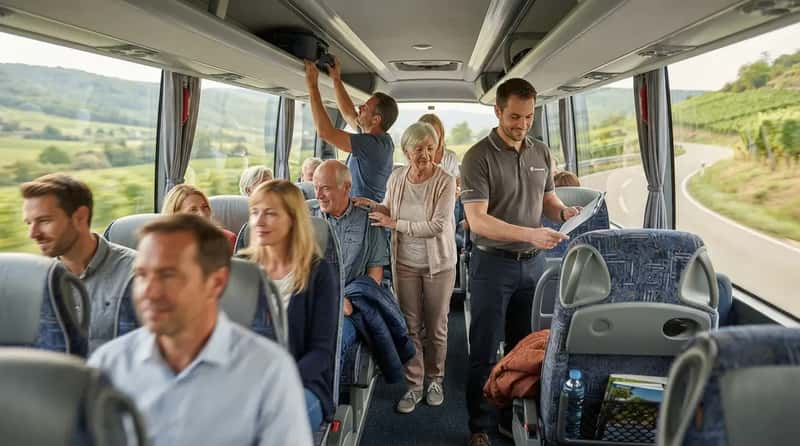
Everybody wants the front seat, and managers know it. Many tours use a rotation so that people shift seats on a regular schedule. It stops small conflicts before they start.
Seat disputes are one of the classic friction points on group trips, and a simple “everyone moves forward a row” rule keeps things fair without singling anyone out. Some managers also place people with mobility needs or motion sickness near the front without announcing why. It looks like a casual arrangement, but it’s a small act of quiet crowd management.
Then there’s the part of the day many travellers treasure most, and it isn’t as free as it looks…
#8 – “Free Time” Lands Exactly Where the Group Needs a Reset
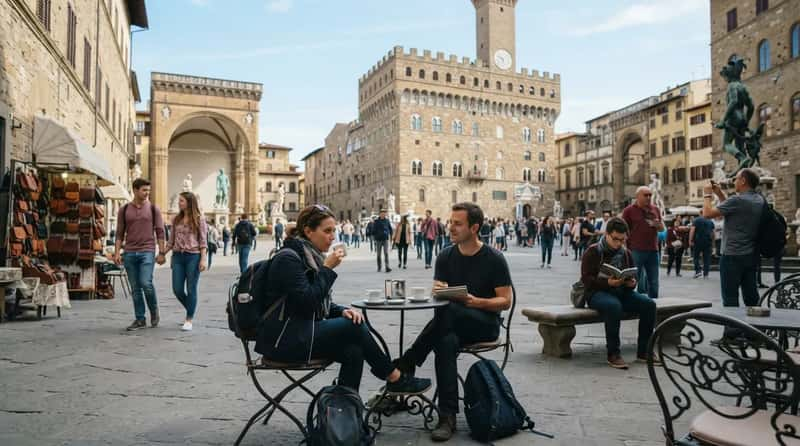
Here’s a take that might sting a little: free time is often as much for the manager as it is for you. A free afternoon usually follows a heavy block of guided sightseeing, when people are tired, chatty and in need of space. A well-placed break can lower tension across the whole group.
It also gives managers breathing room to confirm tomorrow’s transport, tickets and restaurant bookings. That doesn’t make it a bad deal. It just means the timing is rarely random, and the free window tends to land right after a demanding stretch and right before a big one.
But when the sky turns, the real reshuffling begins in #7…
#7 – The Forecast Triggers a Silent Swap of the Entire Day
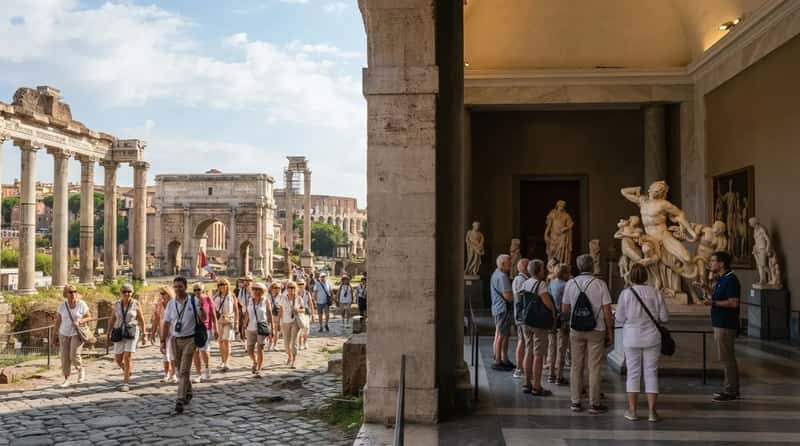
The weather report changes the order before anyone says a word. If rain is due in the afternoon, outdoor stops move to the morning and a museum slides into the afternoon slot. If a heatwave is coming, the open-air ruins go early.
A day can be reversed top to bottom, and you’d still think it was always the plan. That works because most itineraries are built as flexible blocks, not minute-by-minute scripts. Travellers see a lovely day, while managers see a puzzle they’ve already solved twice.
Some of the biggest rearranging, though, is forced by a calendar nobody shows you…
#6 – A Museum’s Day Off Decides Which City You See First
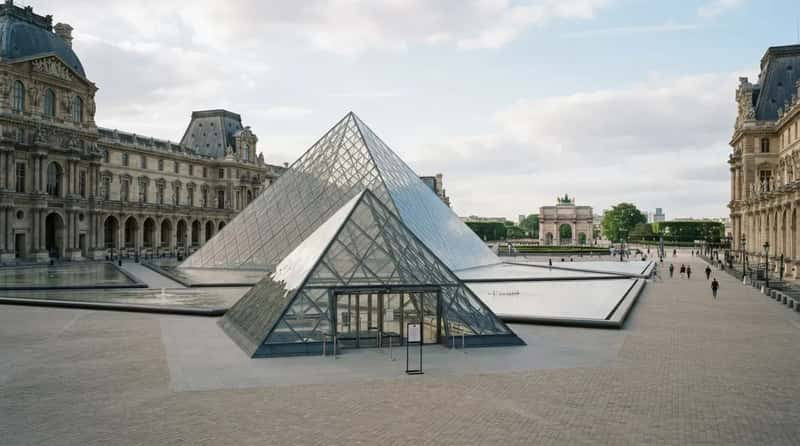
The reason you visit one museum on Tuesday might be that another one is shut. Major attractions close on set days, and those days don’t line up. The Louvre, for example, is closed on Tuesdays, while the Musée d’Orsay closes on Mondays.
A single closing day can change the order of your whole route, so managers build the plan around these gaps. Public holidays and religious days add another layer. A site that’s open all week may close early or run limited hours, and the plan shifts without a headline.
Now for a rearrangement that is entirely about your camera roll…
#5 – That Jaw-Dropping Viewpoint Is Timed to the Light
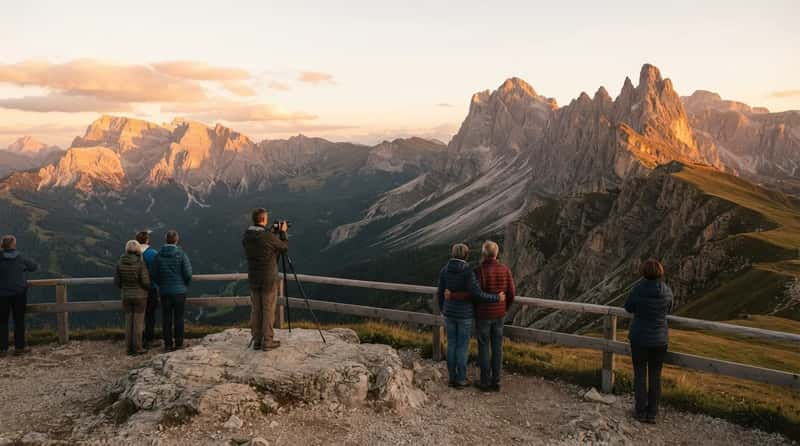
The perfect photo stop didn’t happen by luck. Planners often move a scenic lookout to the early or late hours, when the light is softer and warmer. Midday sun tends to flatten landscapes and wash out colour.
Photographers have long favoured early and late light, and tour managers have quietly adopted the habit. A lookout might swap places with a village visit just to catch the glow. Sunset is the hardest to manage, because if you miss it the whole stop feels flat, so dinner often gets pushed earlier or later to make room.
And speaking of dinner, the clock on your plate is more adjustable than you’d guess in #4…
#4 – Dinner Is Nudged to a Time That Won’t Feel Like an Empty Restaurant
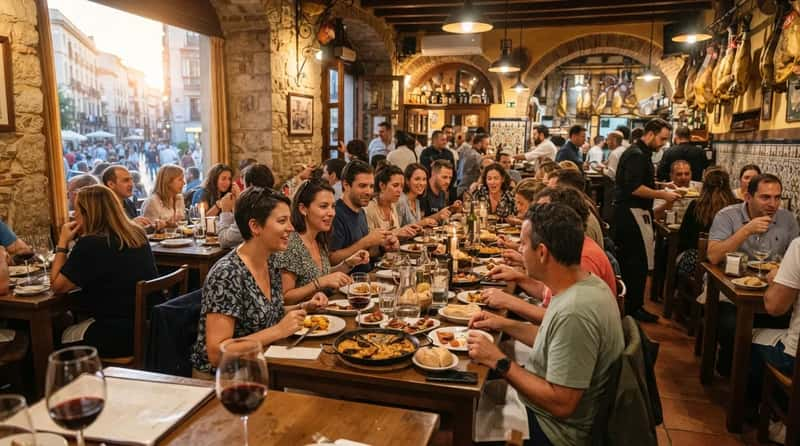
A 6 p.m. dinner in some countries can feel like eating in a ghost town. Habits differ by region, and in Spain, for example, dinner tends to start much later than in the U.S. Some groups end up finishing before the locals have even walked in.
So managers often split the difference, pushing the table a bit later than home habits without forcing a true local hour. Too early and the restaurant feels sleepy, while too late and tired travellers fade fast. The final time is a compromise nobody announces.
Fast Facts
- Spain: Dinner commonly starts around 9 p.m. or later, well after the typical U.S. dinner hour.
- Too early: Quiet rooms, little atmosphere and a kitchen not yet in full swing.
- Too late: Tired travellers, slower mornings and a rushed wake-up call.
- The compromise: A seating that’s later than home habits but earlier than the local peak.
But the biggest reshuffles are the ones forced on managers by surprise, as #3 shows…
#3 – Strikes and Street Closures Trigger Reroutes You Never Hear About
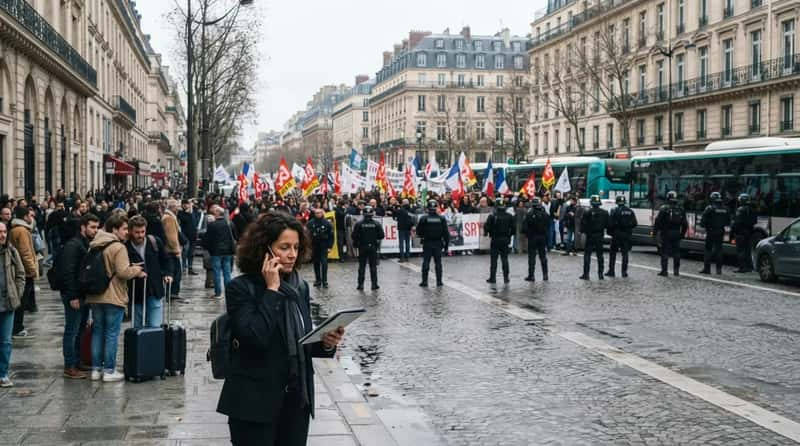
Sometimes the smoothest day of your trip was the one that nearly fell apart. Transport strikes, marches, festivals and road closures can block a planned route with little warning. In parts of Europe, strikes affecting trains and flights are a familiar risk.
A manager may have rebuilt your entire day by 7 a.m., and you never heard a word. The usual fix is to swap stops, change roads or switch transport. You get a calm announcement and a slightly different order, while they’ve already spent the early hours on the phone.
Next is something even the most observant travellers miss: how fast you walk…
#2 – The Group’s Pace Is Secretly Tuned to the Slowest Walker
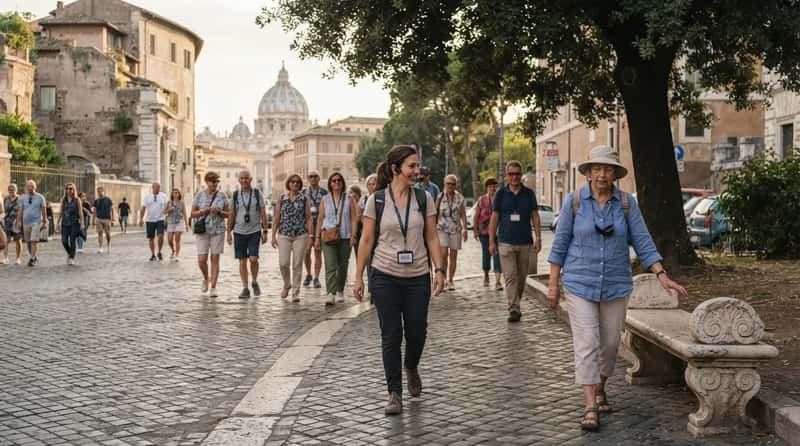
The group moves at one speed, and it isn’t the fastest one. Managers watch who lags, who needs shade and who keeps stopping to catch their breath. Then they quietly shorten walks, add benches or move the coach pickup closer.
A route can be altered mid-trip to protect one person’s comfort, and the group usually doesn’t notice. It keeps everyone together without making anyone feel singled out. Some travellers think this slows things down, but many guides argue a group that moves together ends up seeing more, not less.
Why It Stands Out
- Nobody is singled out: The change looks like a routine tweak, not a special favour.
- Small fixes, big effect: A shorter loop, a bench stop or a closer pickup point can transform an afternoon.
- Less waiting overall: A group that stays together wastes fewer minutes regrouping.
Which leads to the final rearrangement, and the one planners guard most carefully…
#1 – The Best Moment Is Saved for the Very End

The finale of your trip was never an accident of the calendar. Psychologists have long found that people judge experiences largely by their peak and their ending, an idea tied to Daniel Kahneman’s research. Managers use that instinct on purpose.
The most memorable stop is often shifted toward the final day, so the trip ends on a high. A farewell dinner, a sunset or a surprise stop replaces a flat, rushed exit. Even packing time, transfers and goodbyes are arranged so the last memory isn’t a queue at the airport.
Crowd timing, bathroom stops, closing days, weather swaps and strike reroutes are all handled before you’ve had your coffee. The itinerary on paper is just a starting point, and the real one gets rewritten constantly.
So the next time a trip seems to flow perfectly, look closer. Somewhere behind the smooth morning and the empty hall, someone is already moving the pieces around, so you never have to see it.