Most of us blame the airline when a trip unravels. But the ride to or from the airport is often the piece quietly running behind, and some of the most trusted options on this list are the worst offenders. Here are 17 transfers, sorted from the one that keeps time best to the one that keeps taking yours.
One honest note first: no single dataset tracks all 17 of these. So this ranking weighs published punctuality figures against how each ride is built to fail. Some of the “reliable” picks aren’t what you’d expect, and the transfer at #1 has been struggling for years.
#17 – Heathrow Express: The Star Pupil That Still Misses by a Minute
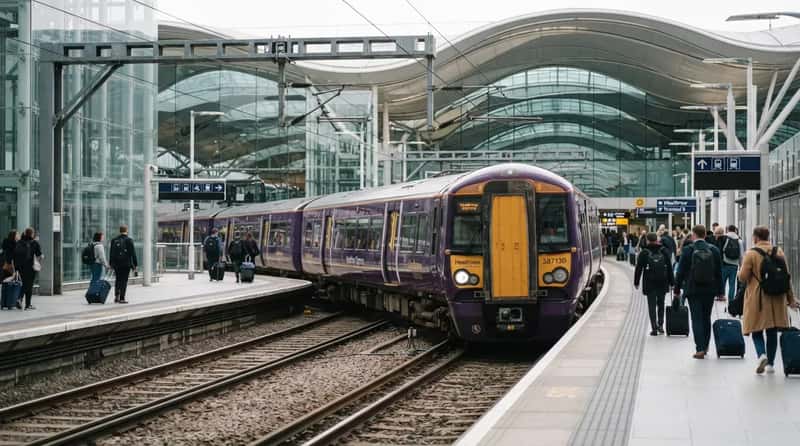
The best-behaved airport ride on this list still isn’t perfect. Heathrow Express runs every 15 minutes and reaches Heathrow from central London in just 15 minutes. For April to June 2025, it posted a punctuality rate of 90.8 per cent and led all open access operators by at least 18 per cent. That’s why it sits at the bottom of the “late” list.
The yardstick changes the whole story. On the strict one-minute measure, Heathrow Express was on time 74.1% of the time between April 2024 and March 2025, and 3.7% of planned trains were cancelled. Its own report lists punctuality and reliability as the top complaint category, citing signal and track problems. But the next ride doesn’t answer to a clock at all.
#16 – Airport Metro Lines: Fast Until One Signal Fails
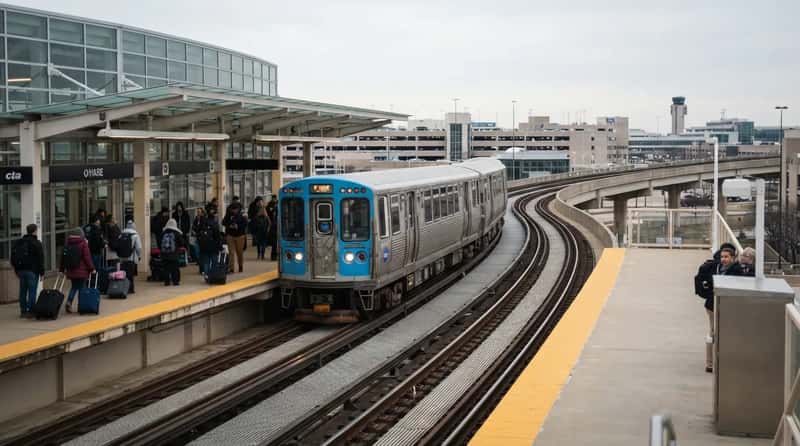
Trains on their own tracks skip road traffic entirely. That’s the whole secret behind their record. Frequent service also means a missed train costs you minutes, not an hour.
The weak spot is that one stalled train can back up an entire line. Delays usually come from signal faults, equipment trouble, or planned track work, not rush-hour gridlock. Weekends are when planned work tends to hit, so check service alerts before you commit.
Worth Knowing
- Dedicated tracks mean no road traffic, but also no easy detour when something breaks.
- Chicago’s CTA Blue Line serves O’Hare around the clock.
- Trains every few minutes make a miss cost minutes, not an hour.
- Service alerts are the fastest way to spot weekend track work.
The next entry is a short ride most people never think of as a “transfer.”
#15 – In-Airport People Movers: Short Hops, Rare Delays
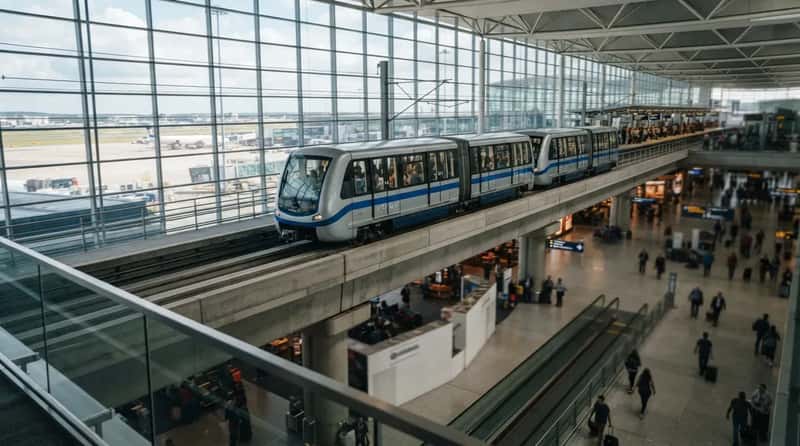
Automated trams between terminals run on dedicated guideways with no cross-traffic. A ride usually lasts just a few minutes. Most systems are designed around frequent, evenly spaced cars.
These almost never run late in the usual sense. They fail by going out of service. When a segment goes down, airports swap in buses, and that swap is where your time disappears. One aging system is far worse than the rest, and it’s waiting at #1. First, a ride that watches your flight for you.
#14 – Pre-Booked Chauffeurs: The Only Ride That Tracks Your Flight

Here’s the quiet advantage of a booked car. Professional airport transportation providers typically track your flight and adjust automatically, so your driver arrives when you do. Many NYC black car firms say they include about 60 minutes of complimentary wait time for domestic arrivals. The delay risk here comes from the road, not from the booking.
Hot take: when your schedule is tight, the extra fare is cheaper than a missed meeting. Some operators advertise complimentary waits of roughly 45-60 minutes, so read the fine print on that. The next option has no schedule to be late for.
#13 – Curbside Taxis: No Timetable, No Technical Lateness
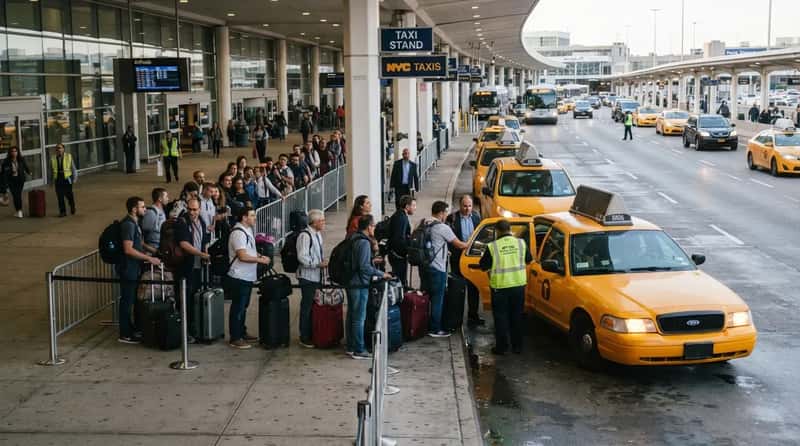
A taxi stand can’t run late because it never promised a time. In New York, taxis operate first-come, first-served and can’t be reserved in advance for airport pickups. Dispatchers work to keep cabs available at terminals.
The catch is that yellow cabs aren’t tied to specific flights, so delays don’t affect their dispatch. Your plane can be two hours late and the line still forms on its own clock. The “lateness” shows up as a long queue after a bunch of flights land.
Fast Facts
- NYC airport taxi stands are first-come, first-served.
- The JFK-to-Manhattan yellow cab fare is a flat $70, plus tolls and surcharges.
- No booking means no cancellation fee and no wait clock ticking.
- Queues swell right after banks of arrivals, not at random.
The next ride has a published timetable, and it’s thinner than you’d hope.
#12 – Regional Rail Airport Branches: The Half-Hour Gamble
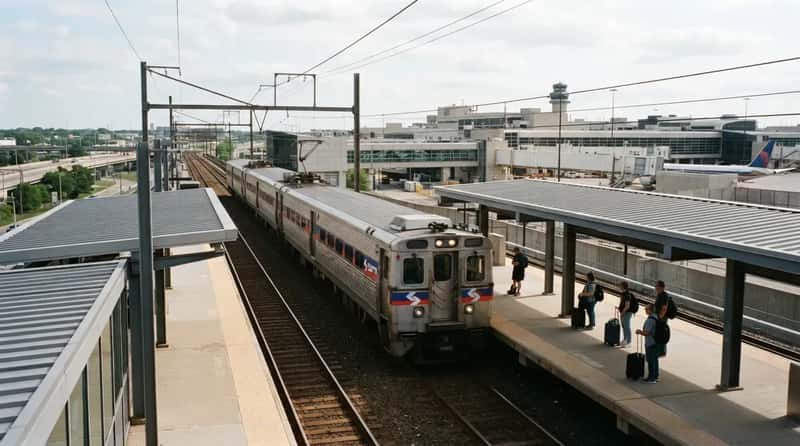
Philadelphia’s Airport Line is a classic example. It runs seven days a week from 5:00 am to midnight, with trains every 30 minutes. The ride from Suburban Station takes 19 to 24 minutes. That’s quick when it works.
Here’s the real problem. With a 30-minute gap between trains, a late or cancelled one leaves you stranded on the platform for a long wait. The agency has been working on this. It adjusted schedules on roughly 20% of its service as part of an on-time push. Next up is the ride everyone assumes is faster.
#11 – Rideshare After Landing: The Car Isn’t Late, the Zone Is
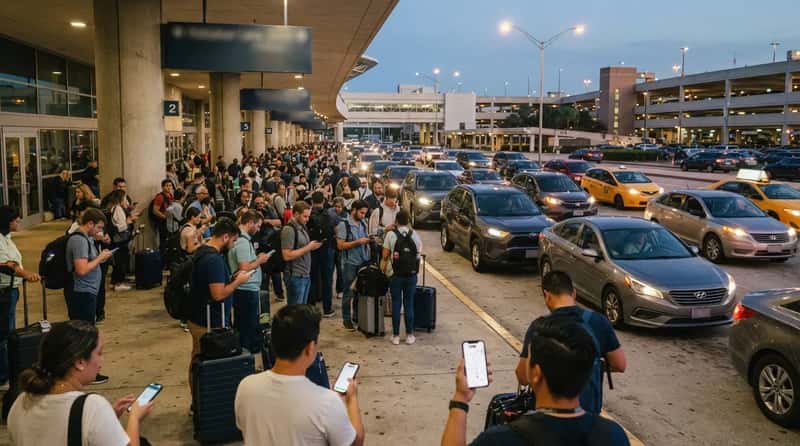
Request a ride the moment you land, and the clock starts at the pickup zone. When several flights land at once, especially in the 5-7 PM weekday window, pickup zones can surge for 10-20 minutes as hundreds of riders request at once. Crowded zones make everything slower, including the driver’s route to you.
Orlando offers a cautionary tale. In late 2023, a new MCO policy led to some of the longest airport pickup delays in the state. The lesson: the same driver can be fast one hour and stuck the next, depending on the crowd. The scheduled version of this ride is much riskier, and it’s coming up.
#10 – Airport City Buses: Same Roads, Same Traffic
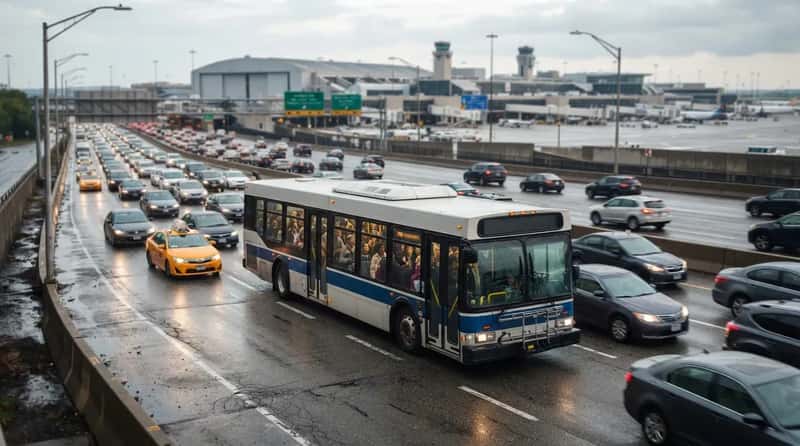
A public bus feels dependable because it has a number and a schedule. But it shares lanes with every other vehicle heading to the terminal. Any crash or backup on the approach road delays it.
Frequency decides how bad it gets. A bus every 10 minutes forgives a slip, while a bus every 30 minutes doesn’t. Buses that make many stops before the airport tend to pick up delay at each one. Check the real-time tracker rather than the printed timetable.
Quick Compare
- Every 10 minutes: a missed bus costs you about 10 minutes.
- Every 30 minutes: a missed bus can cost half an hour.
- Limited-stop route: fewer chances to pick up delay.
- Many-stop route: small slips add up at every corner.
A free ride that circles back is next.
#9 – Hotel Courtesy Shuttles: Free, Until You’re Watching the Clock
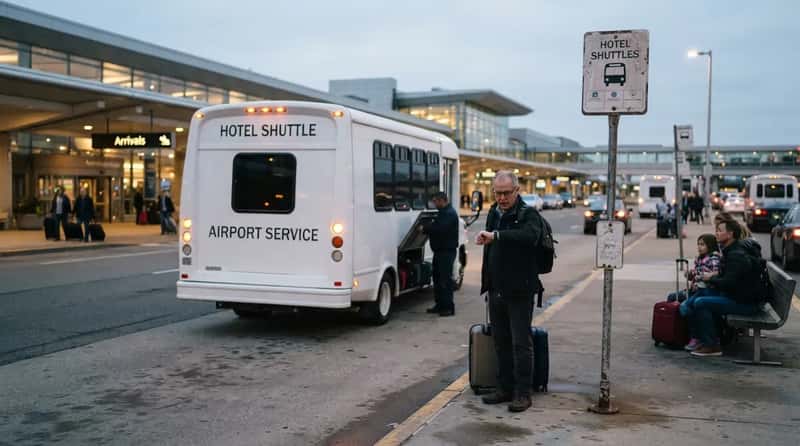
The shuttle that’s “free” has a hidden cost: your time. Many run a loop and stop at several hotels. That makes the arrival time hard to pin down.
An on-call shuttle can be the most unpredictable ride in the hotel lobby. You depend on a driver’s loop, other guests, and luggage loading. Call the front desk and confirm the pickup window before you head down with your bags. Next, the bus that exists only to move rental customers.
#8 – Rental Car Shuttle Buses: The Full Bus That Drives Right Past You
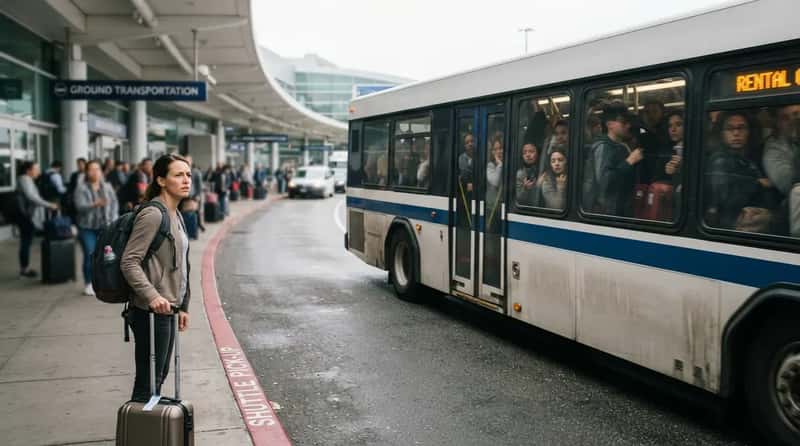
These buses run in constant loops between terminals and the rental center. That works fine at quiet hours. After a bank of flights lands, the first bus fills up and rolls past you with the doors closed.
The delay isn’t a bus that never shows. It’s a bus that shows, packed. Missing one full bus can double your wait. Then comes the counter line, which no shuttle schedule accounts for. A cousin of this ride lives in the parking lots.
#7 – Park-and-Fly Shuttles: The Loop That Bunches Up
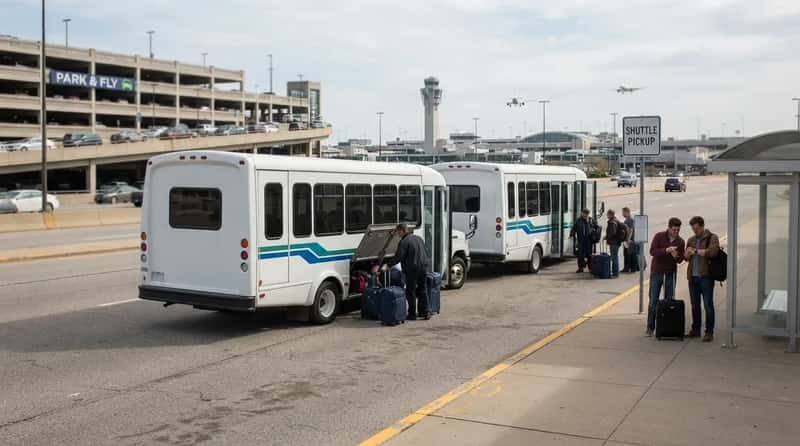
Off-site lots depend on shuttles that circle between the lot and the terminal. You’re told to expect a bus “every few minutes.” The reality depends on traffic and how many bags each stop takes to load.
Here’s the catch for departures. You can’t know whether you’ll wait two minutes or twenty until you’re standing there. Build in extra time if your lot sits far from the terminal. A very different kind of ride is next, and it runs on highways.
#6 – Intercity Coaches to the Airport: Hostage to the Highway
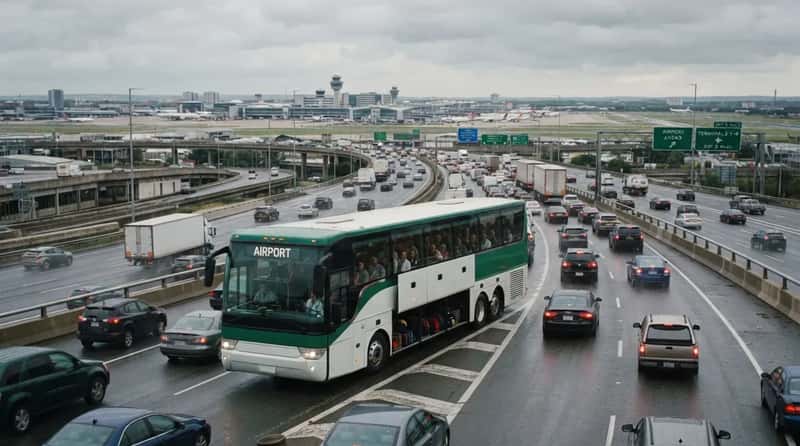
Long-distance buses that serve airports can save real money. But they travel the same highways as everyone else. A crash 40 miles away can push your arrival well past the posted time.
Weather hits them too. Because the trip is long, small delays stack up before the bus even reaches the airport loop. If you have a flight to catch, take an earlier coach than you think you need.
At a Glance
- Best for: longer trips where a budget fare matters.
- Main risk: highway crashes and weather far from the airport.
- Smart move: catch the coach before the one you think you need.
- Hidden catch: the final airport loop can add its own slowdown.
Next, a ride where strangers control your clock.
#5 – Shared-Ride Vans: You’re Late Because of Someone Else
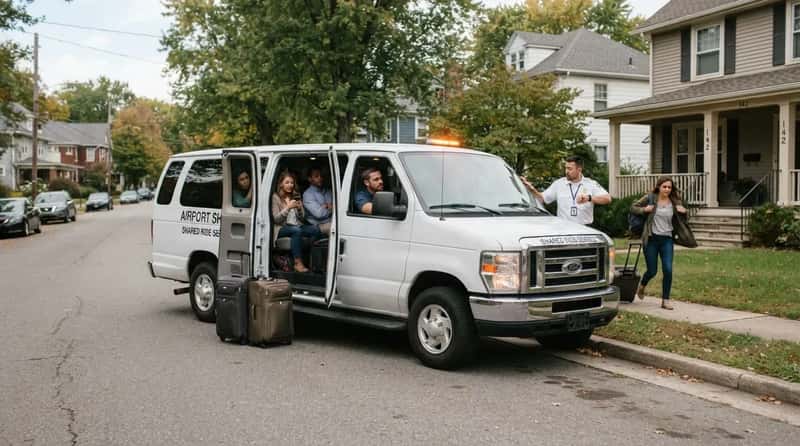
Door-to-door shared vans collect several riders on one route. Every extra pickup adds minutes. And every rider who isn’t ready at the curb adds more.
The sneaky part is that the first pickup on the route sets the pace for everyone. One late passenger drags the whole van. Ask for your pickup window in writing. Next up is a ride that looks scheduled and isn’t.
#4 – Scheduled Rideshare for Arrivals: The Biggest False Comfort in Travel
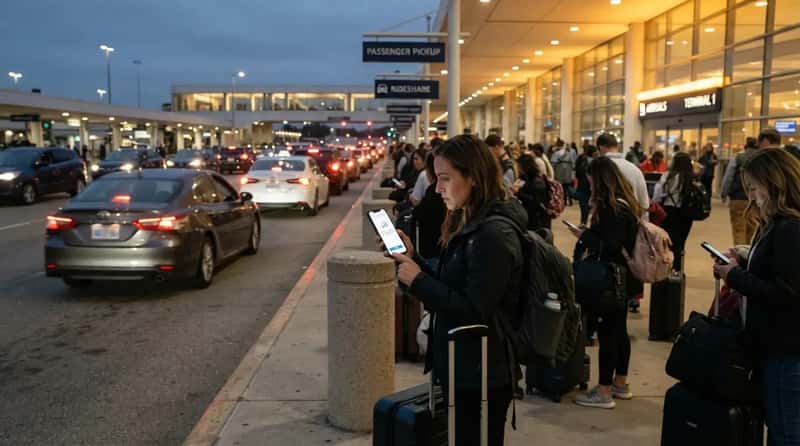
Pre-booking feels responsible. The catch is that a scheduled pickup may not adjust for flight delays. If your flight is 40 minutes late, the driver may cancel or charge a wait fee.
It’s a pattern across apps. Many rideshare platforms don’t actively track flight schedules and expect users to request vehicles only after landing. Hot take: the “scheduled” label misleads more travelers than any surge price does. Now, the ride that depends on someone you love.
#3 – Friend and Family Pickups: Love Doesn’t Beat Baggage Claim
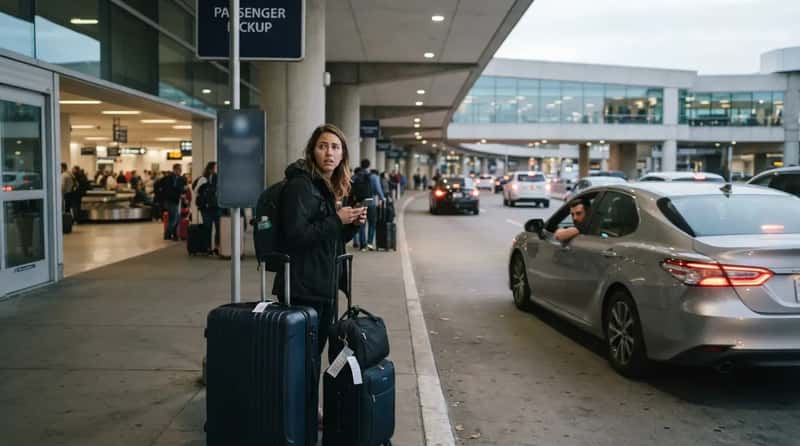
Your ride is waiting at the curb, or circling it. Your flight shows “arrived.” You’re actually still standing at the carousel. A flight can show as arrived while you wait on checked bags, oversized luggage, or mobility equipment.
Most of the friction is a mismatch of timing. A delay of even 30-60 minutes can throw off the original pickup plan. Nobody’s technically “late” here, yet somebody always feels like they are. Wait until you see what customs does to the next one.
#2 – International Arrivals: Your Ride Waits While Customs Decides
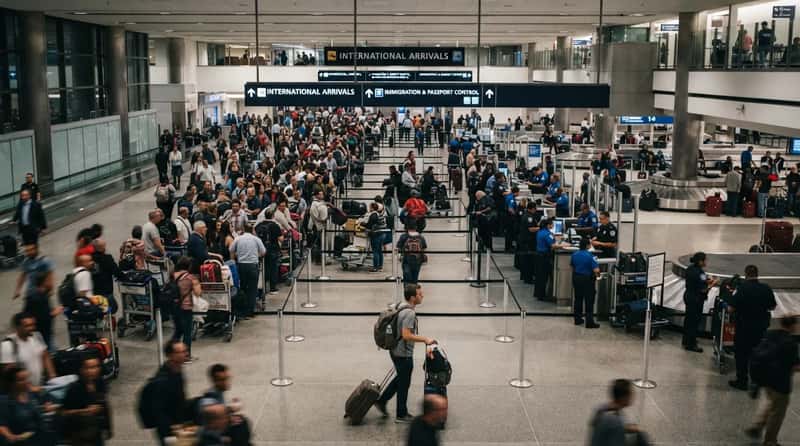
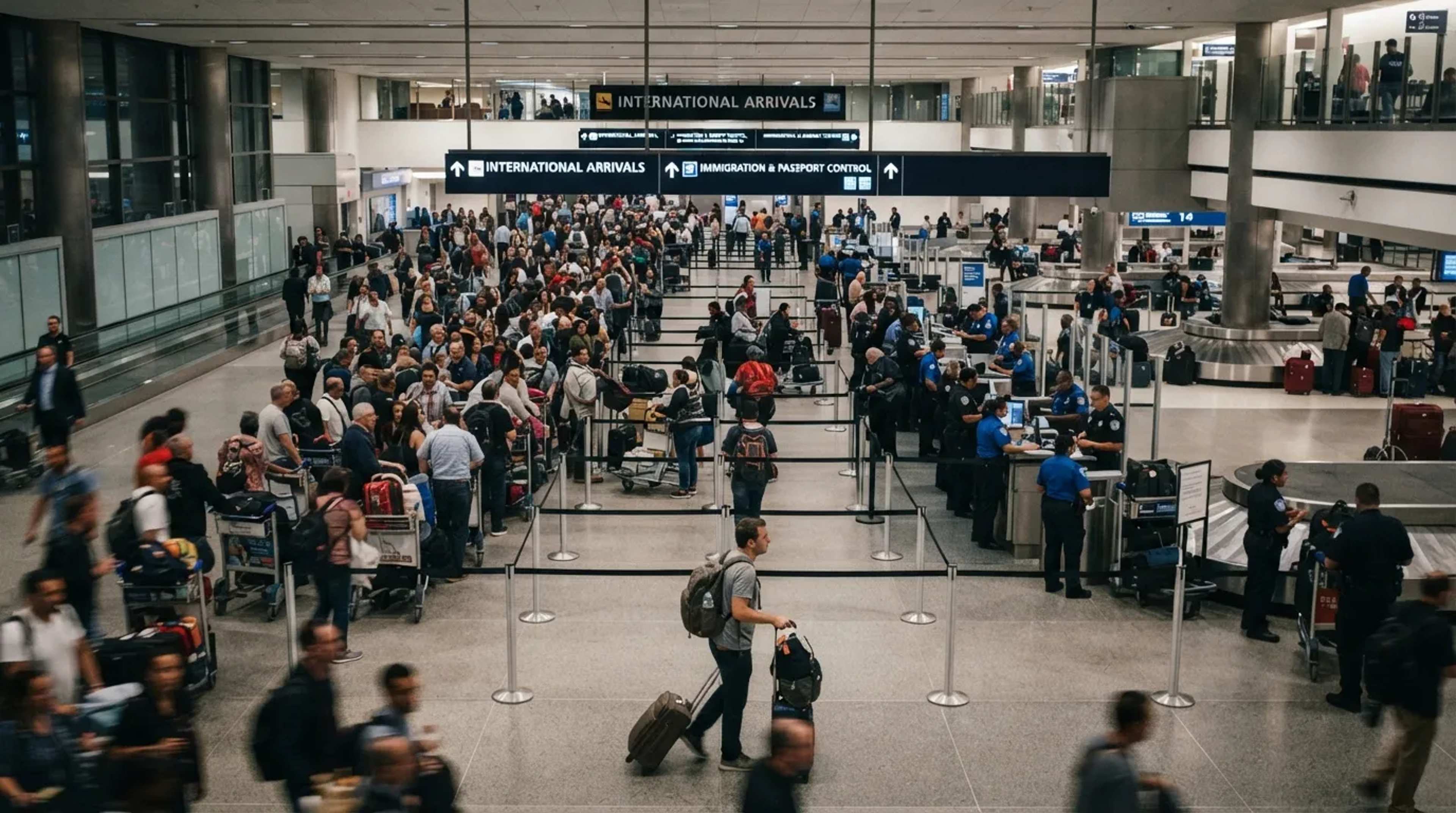
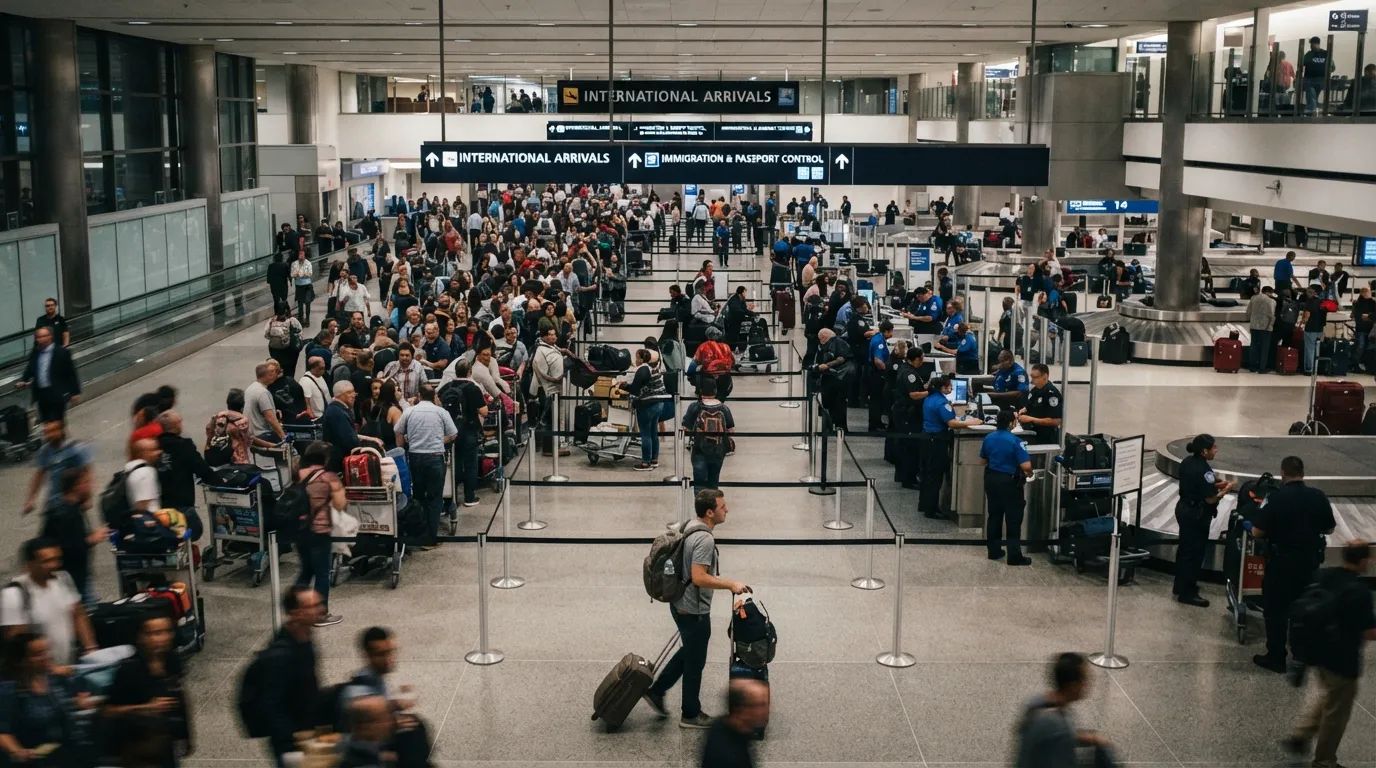
This one isn’t about a driver being late. It’s about you being later than anyone planned. Car services and friends should expect 60-90 minutes gate-to-curb for most international flights at JFK. Secondary inspection or baggage problems add more.
Here’s the part that stings. Rideshare drivers at JFK may wait only a few minutes before charging cancellation fees. Pre-arranged black car services are more forgiving; one NYC operator publicly references up to 120 minutes of free wait for international arrivals. The worst offender of all is next, and it’s under construction.
#1 – Newark’s AirTrain: The Aging Ride That Keeps Taking Your Time
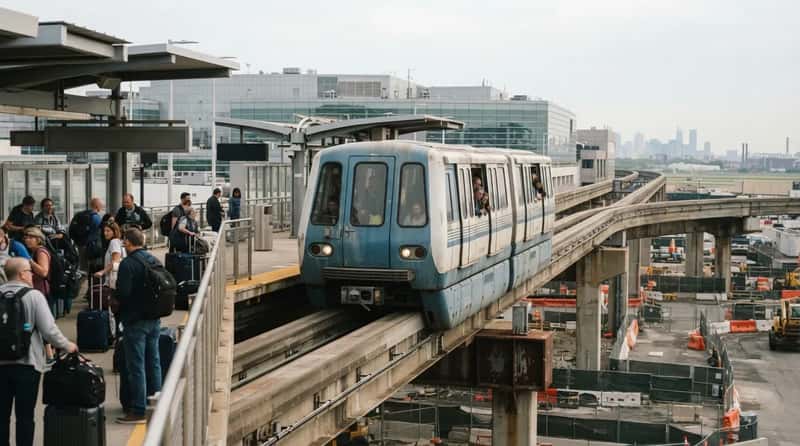
Number one, and it isn’t close. AirTrain Newark opened in 1996. The Port Authority says the existing system is reaching the end of its useful life and requires extensive maintenance and repair.
Construction made things worse. Since Jan. 15, AirTrain service to and from the Airport Train Station has been replaced by shuttle buses on weekdays from 5 a.m. to 3 p.m. The Port Authority tells passengers to allow up to 15 minutes of additional travel time, while one travel outlet advises budgeting up to an hour.
Further disruptions are planned for 2027-28, according to NJ Spotlight News. Check the current advisories before you go, because the fix is years away and the delays are happening now.
The punctual rides were the ones with their own tracks. The late ones depended on road traffic, strangers in a shared van, or a system built in the 1990s. The biggest surprises: a scheduled rideshare can be riskier than a taxi line, and customs can turn any pickup into a waiting game.
This ranking is editorial, built on the figures that exist. The flight gets all the blame, but the curb is where a trip finds out how much of its schedule was real.