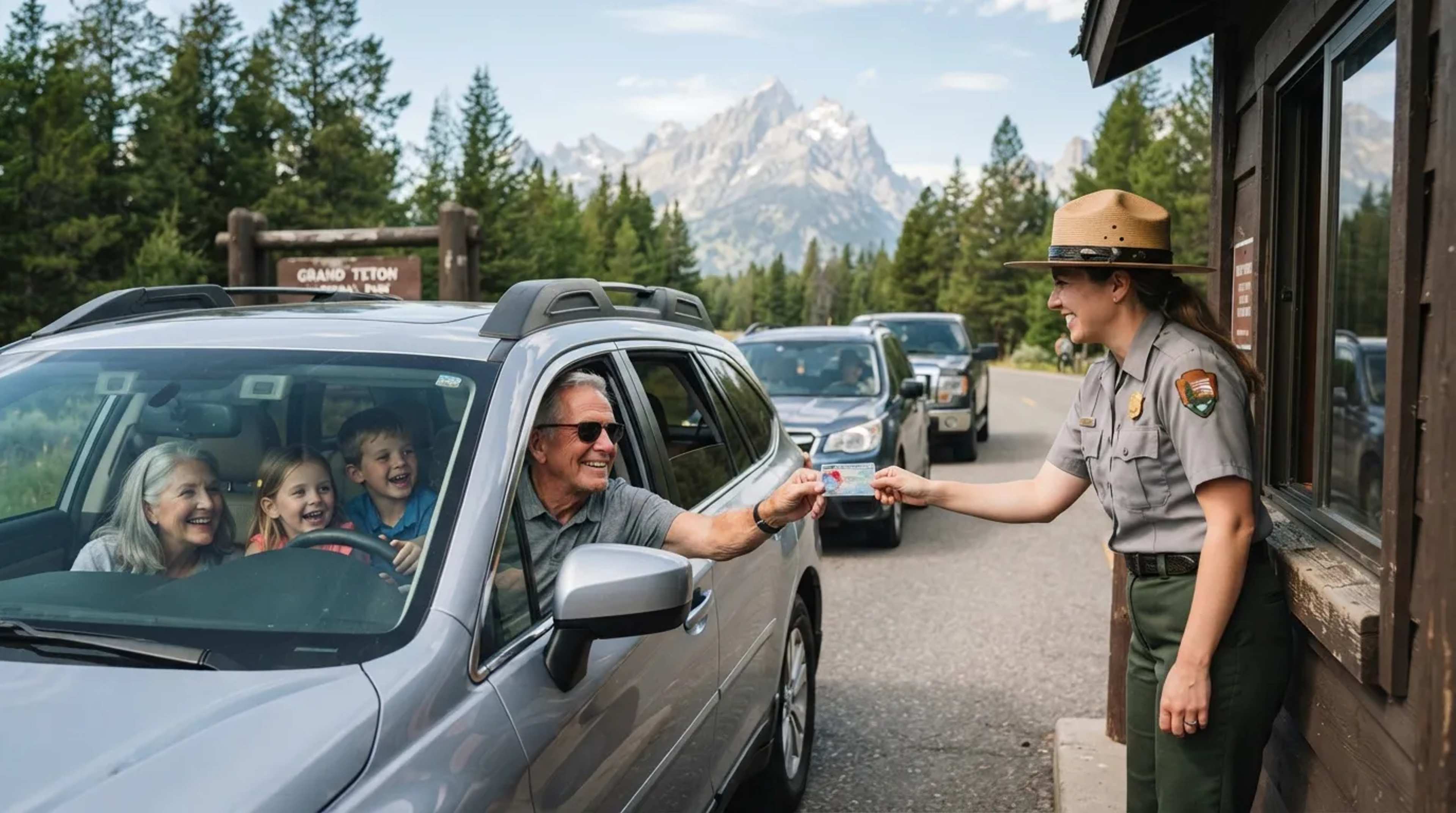
Most travelers over 65 figure a senior discount means a couple of dollars off at the gate. The official fee pages say otherwise. Some fees are waived outright, and some campsite bills are cut in half for life. Plenty of seniors drive right past the savings without ever asking.
The strange part is that eligibility usually isn’t the problem. The money slips away in the fine print nobody reads at the desk: the residency rule, the weekday-only clause, the one fee the waiver quietly skips. Start at the bottom of the list, because the biggest surprise is saved for last.
#17 – Maine Waives Day-Use Fees for Residents 65 and Older, With a Few Big Exceptions
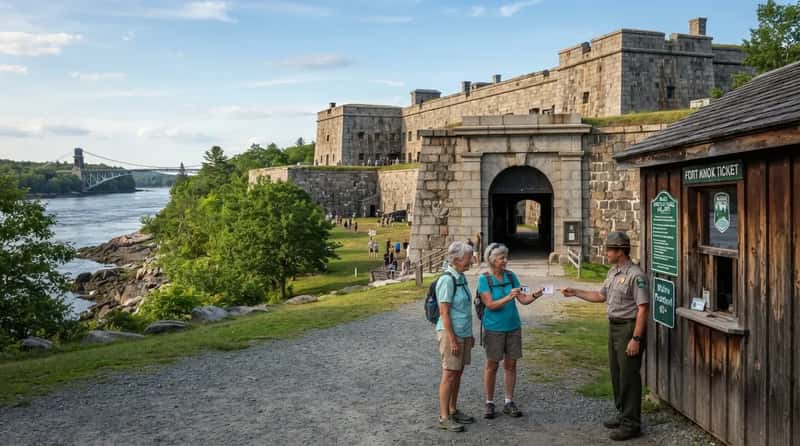
Maine doesn’t make you hunt for this one. Residents age 65 and older get free day-use at Maine state parks and historic sites, as long as they show proof of age. At Fort Knox, for example, Maine residents 65 and older get in free, though the Observatory Tower still costs $3.
Now the catch. The waiver is for residents only, and it doesn’t cover Acadia National Park, Baxter State Park, Maine Wildlife Park or camping. The Wildlife Park is run by a different agency, and its 2026 admission is $12 for ages 65 and older. Most visitors don’t learn about those exclusions until they reach the ticket booth. Next up is a state where the “free” pass isn’t really free entry.
#16 – Texas Hands Seniors a Free Pass That Only Halves the Gate Fee
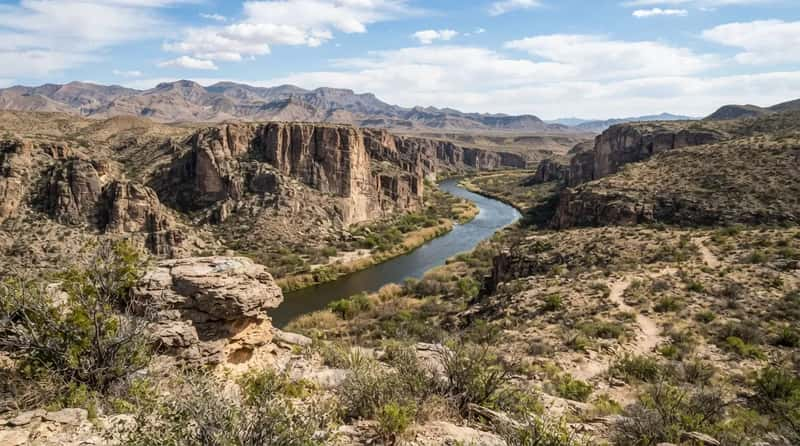
Texas is the clearest case of a headline that promises more than the fine print delivers. A Texas resident age 65 or older may qualify for the free Texas Parklands Passport with a reduced state park entry rate. The card is free, but the entry isn’t.
Specifically, the Senior Partial Parklands Passport gives the passholder and one companion 50% off the entry fee. Only people born before September 1, 1930 may qualify for the Senior Full Passport with free entry. Anyone reading this today is probably not in that group. Big Bend Ranch State Park is one place the card works, and it offers stargazing and paddling the Rio Grande.
Oklahoma took a harder line on fees, and it spared seniors in a different way.
#15 – Oklahoma Added Entry Fees in 2020 and Quietly Exempted Seniors
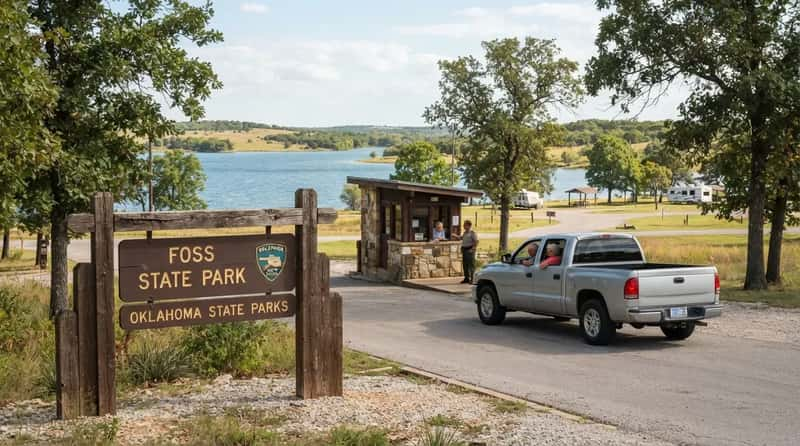
When Oklahoma started charging at the gate, it left a loophole for older residents. To help fund a backlog of deferred maintenance, the state added an entrance fee at Foss State Park and 21 others, effective June 15, 2020. The fees are charged per vehicle and start at $10 a day, or $8 for Oklahoma plates.
Here’s the part many drivers miss. Fees are waived for honorably discharged veterans and for Oklahoma residents age 62 and older and their spouses. Another roundup notes that Oklahoma offers discounts on overnight stays for resident and non-resident seniors. Rates change, so confirm current amounts before you go.
Fast Facts
- Entry fees began June 15, 2020, at Foss State Park and 21 others.
- Fees are charged per vehicle, starting at $10 a day.
- Oklahoma plates pay a lower rate of $8.
- Residents 62 and older and their spouses are exempt, as are honorably discharged veterans.
The next waiver comes with a calendar restriction.
#14 – New York’s Golden Park Program Is Free, but Only If You Show Up on a Weekday
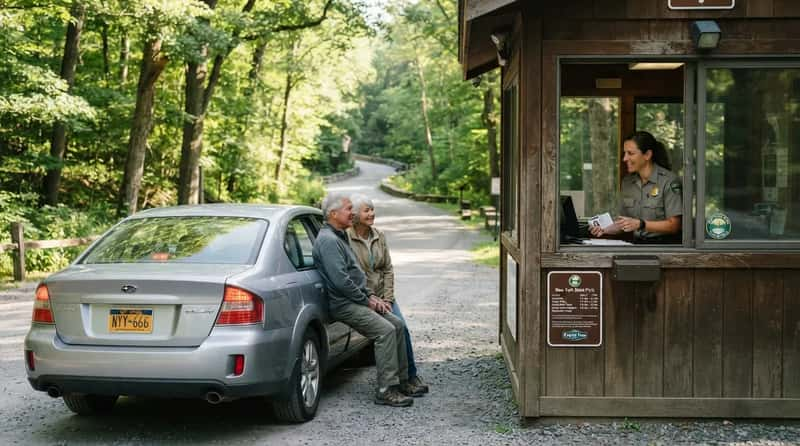
New York’s perk has a timing trap built in. Residents aged 62 or older can access state parks free on non-holiday weekdays through the Golden Park Program. You need to confirm residency, meet the age requirement and visit Monday through Friday.
Weekend travelers get nothing. That matters because most New York State Parks charge day visitors a vehicle fee of $6 to $10. A Saturday trip means paying full price, and a Wednesday trip means paying nothing. That’s the kind of detail the brochure tends to bury.
Louisiana does something different, and it’s open to travelers from outside the state.
#13 – Louisiana Skips the $3 Per-Person Fee for Seniors and Halves the Campsite
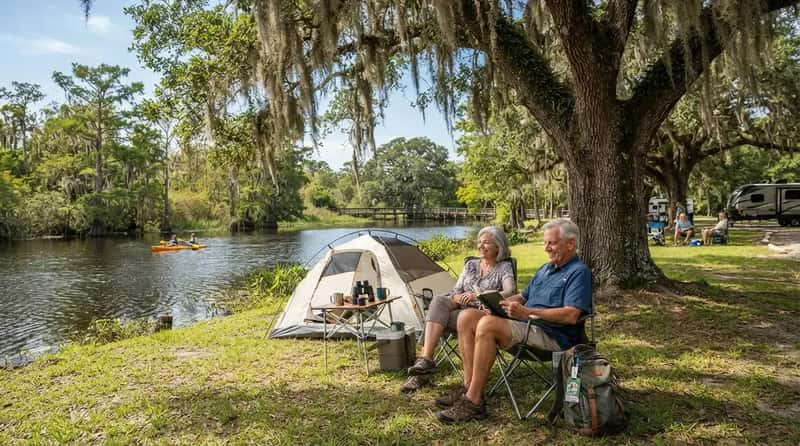
Louisiana is one of the best deals going for older visitors. The official fee page lists state park day-use entry at $3 per person, with free entry for seniors 62 and older. The camping side is where the bigger savings are.
The state’s annual pass covers day-use fees and takes 50% off camping at state parks. A $3 gate fee sounds trivial. But it’s charged per person, so a family outing adds up, and the camping discount is what actually changes a trip budget. Louisiana’s version is a rare one that doesn’t lock you out for living somewhere else.
Ohio flips the formula entirely, because there’s no gate to pay at.
#12 – Ohio Has No Entry Fee at All, So Its Senior Card Goes After the Campsite
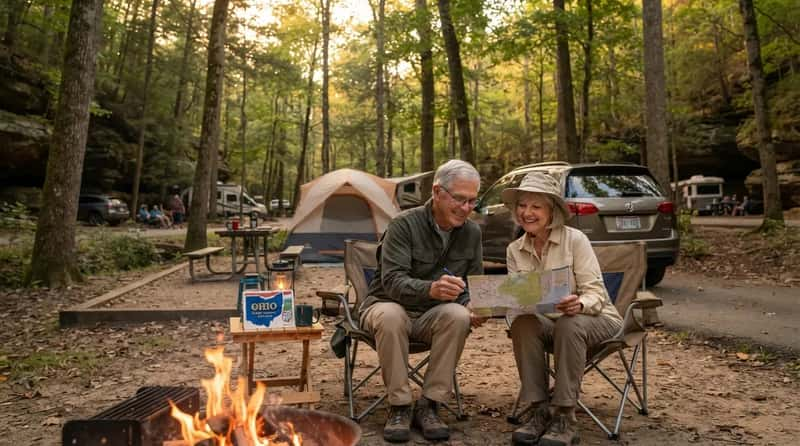
In Ohio the waiver is the whole state. Ohio doesn’t charge entrance fees to its state parks, and you can visit any of its 74 state parks free. So the senior perk lives in the campground bill.
The Golden Buckeye Card is free for Ohio residents 60 and older. It gives 50% off camping fees Sunday through Thursday and 10% off on Friday and Saturday. The cardholder has to be present, show the card at check-in and actually stay at the site. For day-trippers this is a non-event, so the card is overhyped for anyone who isn’t camping. For weeknight campers it’s a serious saving, since campsites run $17 to $39 a night.
Florida’s version has no special card, and it’s easy to miss for that reason.
#11 – Florida Takes Half Off the Base Campsite Fee at 65, Without a Special Card
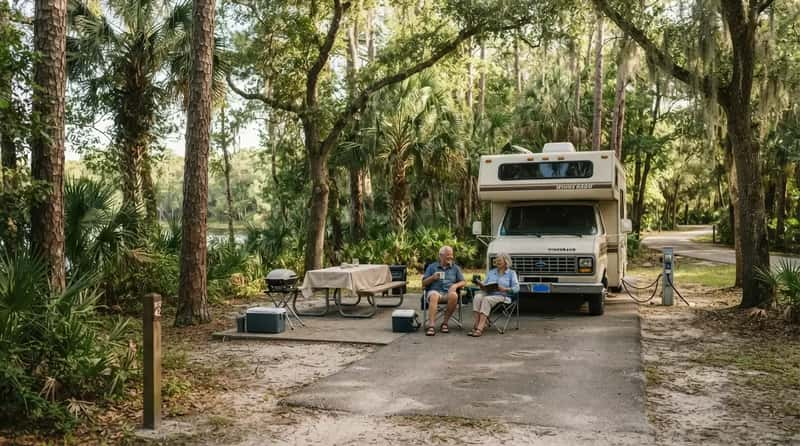
Florida never branded this perk, which is probably why so many seniors overlook it. Florida State Parks gives Florida residents 65 and older 50% off the base campsite fee, with reservation and utility fees excluded. That “excluded” part is where the surprise charges come from.
One 2026 guide estimates that base fees of about $16 to $42 drop to roughly $8 to $21 a night. It also says that three nights could keep $24 to $63 in your pocket. The same guide reports free day-use entry at many parks with proof of residency, so confirm that at the gate. Ask for the discount at check-in, since it won’t announce itself.
At a Glance
- Who qualifies: Florida residents 65 and older.
- What you get: 50% off the base campsite fee.
- What’s left out: reservation and utility fees.
- Estimated nightly base: about $16 to $42 before, $8 to $21 after.
Next is a California pass that can cover two people for $20.
#10 – California’s $20 Golden Bear Pass Covers Your Spouse Too
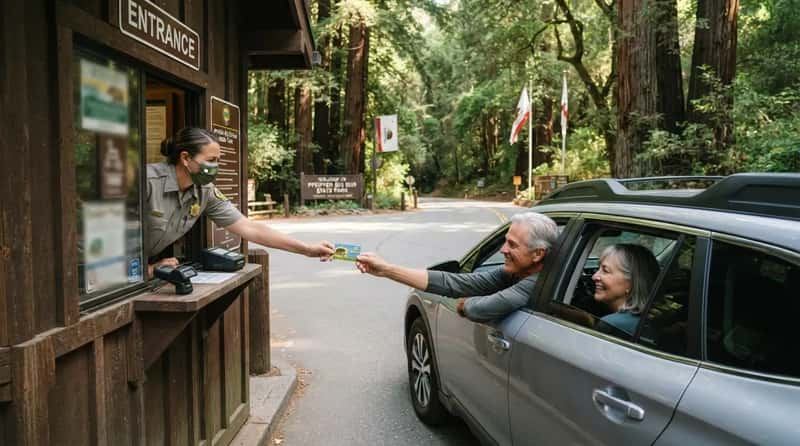
This one is cheap, and the spouse coverage is the real hook. California offers a $20 Senior Golden Bear calendar-year pass for people 62 and older, covering the holder and a spouse or registered domestic partner for free vehicle day use at over 200 state parks.
The pass isn’t the only route. California State Parks gives visitors 62 and older $1 off vehicle day use and $2 off per night for family camping at most state-operated units. There’s no pass to buy, but you need photo ID as proof of age. Those are small numbers, and the discount only exists if someone says the words at the booth.
The next item may already be sitting in a drawer in your house.
#9 – That Old Golden Age Passport Still Counts, and It Never Expired
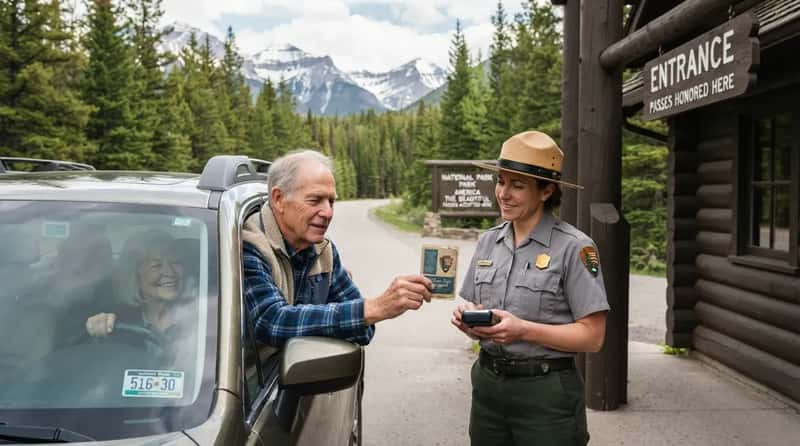
Quietly, the best senior pass might be one you bought decades ago. The Senior Pass was formerly known as the Golden Age Pass, which is no longer issued but is still honored. Golden Access Passports follow the same rule, since they are no longer sold but continue to be honored.
Think about what that means. The old pass was a one-time $10 fee, while today’s lifetime Senior Pass costs $80. Anyone who tucked that card away assuming it had lapsed may be sitting on a working pass. Dig it out, bring photo ID, and ask a ranger how it’s treated at that site. And if the card is long gone, the newer version may not even need a glovebox.
#8 – The Camping Discount Now Lives in Your Phone
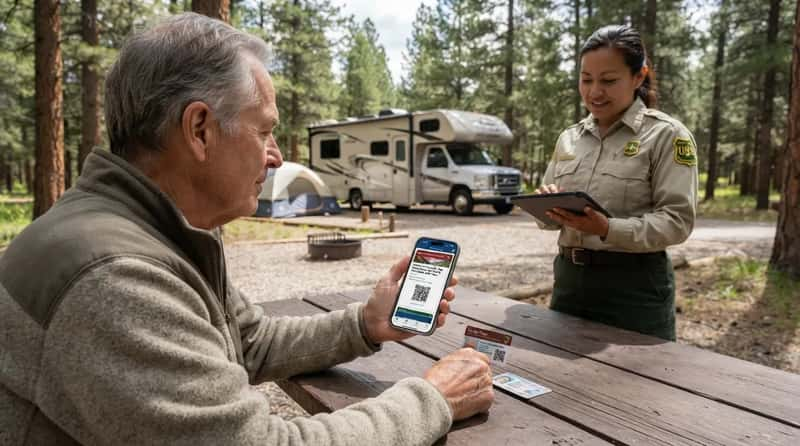
You no longer need to dig through the glovebox. In 2026, all passes, including the Senior Pass, are available digitally via Recreation.gov. The Forest Service says you can store, manage and access them from your Recreation.gov account, mobile app or mobile wallet.
The booking side has improved as well. Recreation.gov lets you attach the pass to your account and takes the discount at checkout for eligible sites. Still, don’t leave the plastic at home. Bring the physical pass and a photo ID to the campground, because hosts do check.
The discount also reaches the water, though the wording matters.
#7 – Boat Ramps and Swim Beaches Can Drop by Half, but “Can” Is the Key Word
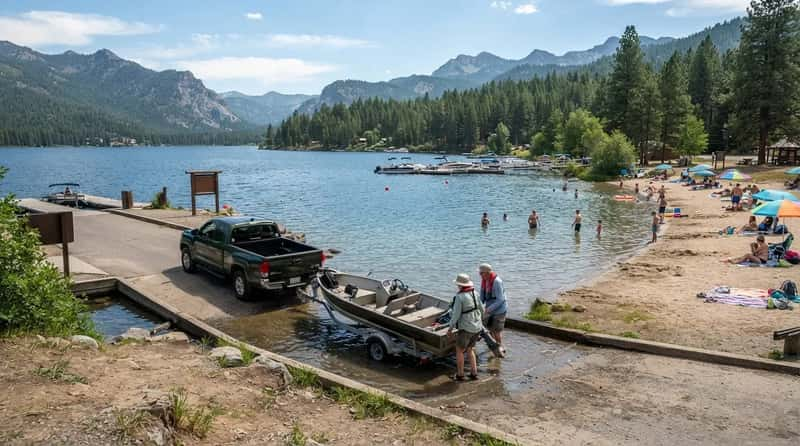
The Senior Pass isn’t just for campsites. It may provide a 50 percent discount on some amenity fees for facilities such as camping, swimming, boat launch and specialized interpretive services. Note the word “may.” It depends on who runs the site.
Then there are the exclusions. The pass generally does not cover or reduce special recreation permit fees or fees charged by concessioners. And in some cases where amenity fees are charged, only the pass holder gets the 50 percent reduction. Two people in one boat won’t automatically both get the break.
Worth Knowing
- The 50% break applies only to some amenity fees, not all of them.
- Special recreation permit fees are generally not reduced.
- Concessioner-run sites set their own fees.
- At some sites, only the pass holder gets the discount.
The next item is about places that surprise even experienced campers.
#6 – Six Federal Agencies Honor One Card, Including Army Corps Lakes
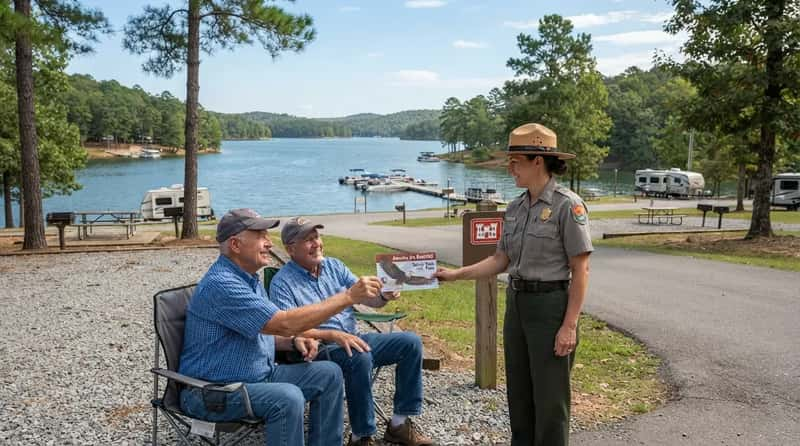
Most people think the pass is for national parks only. It’s wider than that. It covers entrance fees at national parks and wildlife refuges, as well as standard amenity (day-use) fees at national forests and grasslands and at lands managed by the Bureau of Land Management, Bureau of Reclamation and U.S. Army Corps of Engineers.
That Corps detail is the one that gets people. Lakes and reservoirs run by the Army Corps of Engineers are covered too, which surprises a lot of campers. A lakeside day-use fee you used to pay without thinking may simply disappear. Ask at the gate before you hand over cash.
Now for the price tag itself, which has changed in an interesting way.
#5 – Everyone Else Now Pays $80 a Year for What Seniors Pay $80 for Once
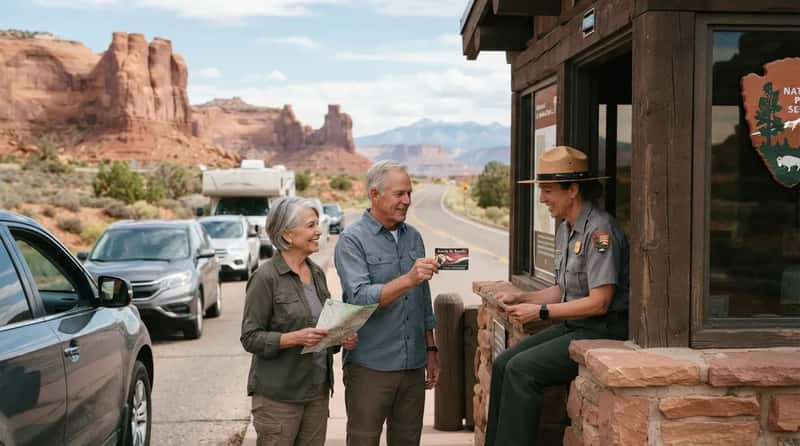
Here’s the 2026 twist. An America the Beautiful Pass is now $80 for U.S. residents. That is the same price as the Senior Lifetime Pass. You pay it once. Everyone else pays it every year.
Annual seniors pay $20 for the yearly version. One guide calls picking the wrong version the most common mistake seniors make. Buying online can also cost more, around $90 to $92.50 online versus $80 in person. If you plan to keep traveling, the lifetime version is the stronger bet.
Next, a gate perk that benefits the whole back seat.
#4 – Your Whole Car Gets In on Your Pass
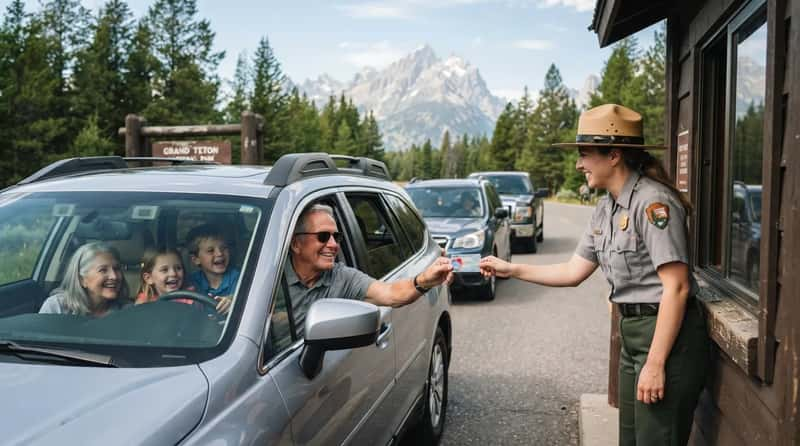
You don’t pay for the grandkids, and that’s the point. At per-vehicle sites the pass admits the pass holder plus passengers in one vehicle. Meanwhile, ages 15 and under are always free.
Riders benefit too. Under the 2026 changes, all America the Beautiful passes, including the Senior Pass, now cover entrance for two motorcycles rather than just one. At per-person sites, the general pass covers the owner plus up to 3 more adults. For a road-trip group, the senior in the driver’s seat can wipe out the entire entrance bill.
The next one is cheap, but it comes with its own fine print.
#3 – Maryland’s Golden Age Pass Is a One-Time $10 and Waives Boat Launch Fees
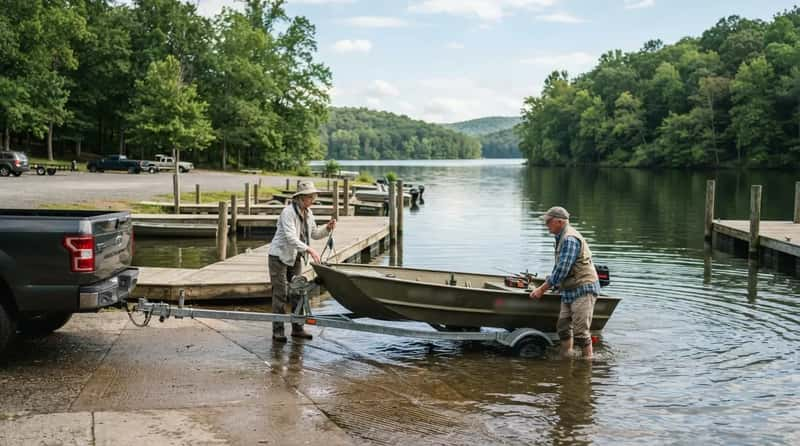
Maryland’s pass is the cheapest deal on this list. It’s listed at $10 for life for people 62 and older. It entitles holders to free day-use entry at all state parks that charge service fees. If a per-vehicle fee applies, everyone in the car with the cardholder gets in free.
It also reaches the water: boat launching fees at Maryland State Parks are waived for seniors who hold the pass. And it’s valid for half-price camping for one site, Sunday through Thursday, excluding holidays. The state’s own page is older, so verify current terms before you buy. The next item covers where the money really is.
#2 – Federal Campgrounds Take Half Off for Life, and That’s Where the Real Money Is
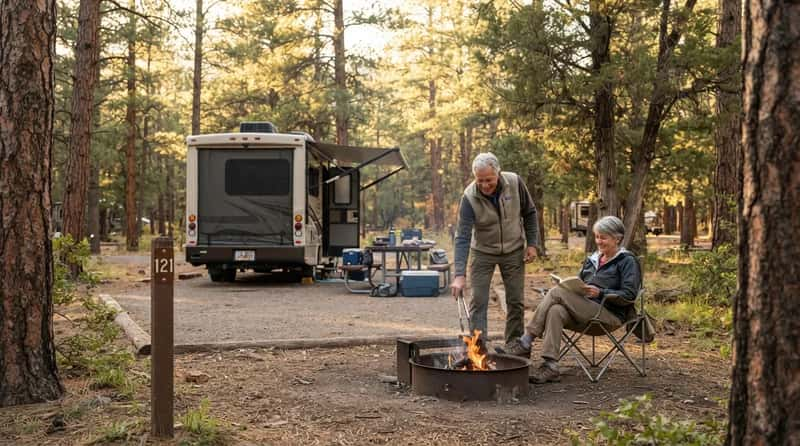
Skip the gate fee for a second. The camping discount is the quiet winner. Lifetime pass holders get free entrance at federal fee sites and also a 50% discount on fees at federal campgrounds. The Forest Service confirms that Senior and Access Pass holders receive a 50% discount for single-family campsites.
In practice, that means half off a standard single-family site at places like Mather Campground at the Grand Canyon or a Forest Service lakeside loop. But read the exclusions. Separately billed utility hookups get no discount, and group sites billed at a flat rate get nothing. Know where the discount stops before you reserve.
But the biggest waiver is in a state where cold weather has its own reward.
#1 – Washington Lets Seniors Camp Free for Six Straight Months
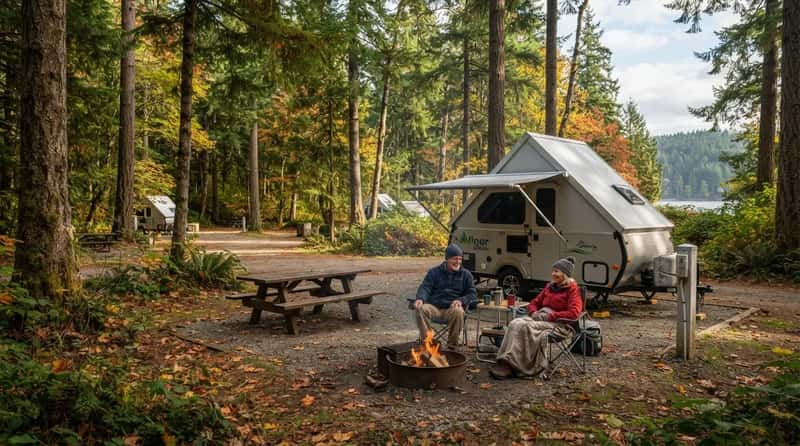
This is the one most travelers have never heard of. Washington State Parks’ Off-Season Senior Pass gives people 62 and older free camping and moorage from October 1 through March 31, plus weekday nights in April. That’s six months of free nights.
It gets better. The pass also gives access to $10-per-night electric hookups at campsites that offer them. That’s a cheap way to keep a heater running during the cold months. Check the state’s current rules for eligibility and which parks participate. A California camper might save $2 a night, while a Washington camper can pay nothing. The only thing separating them is who asked, who carried ID and who read the fine print.
Why It Stands Out
- Free camping and moorage run from October 1 through March 31.
- Weekday nights in April are covered too.
- Electric hookups are $10 a night where offered.
- It’s open to anyone 62 and older.
So the biggest myth is that senior perks are small. Some fees really are waived, like Oklahoma’s entry fees, Maine’s day use, Louisiana’s gate fee and Washington’s off-season camping. Others are half-price deals with strings attached, and a federal pass can cover the gate, the car and half the campsite for a one-time $80.
The savings are almost never handed over. They sit there until someone at the booth hears the right question. Which of these did you already know about, and which state are we missing?