Most travelers judge an airport by its size, its shops, or how many times it’s shown up in a viral “worst airport” post. But the airports that actually make your trip painless rarely scream for attention – they just quietly work. The busiest-looking terminal can secretly be the smoothest, while a shiny new hub with a fancy food hall can leave you sprinting for a gate that’s somehow a mile away.
The difference isn’t luck. It’s a set of small, almost invisible design choices that veteran flyers learn to spot within the first five minutes of walking in. Here’s what frequent travelers, airport data, and industry rankings actually say separates the airports that feel effortless from the ones that just look that way.
1. The Parking Garage Feels Suspiciously Close
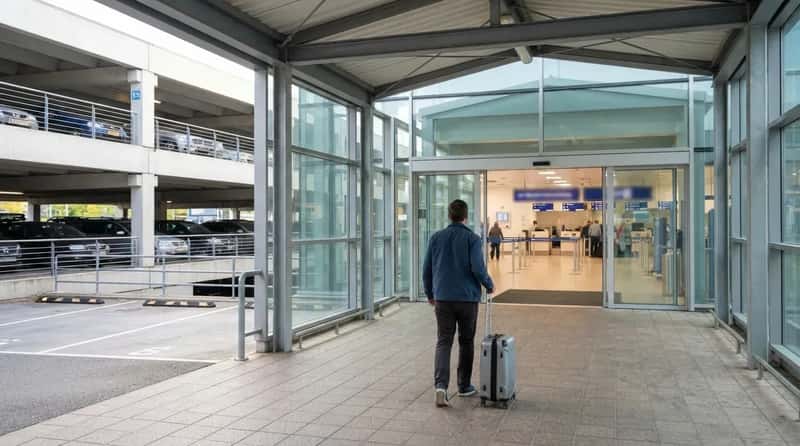
If you can see the terminal doors from your parking spot, that’s not an accident – it’s a design decision that saves you real stress. Airports built or expanded in the last decade increasingly prioritize short, covered walks from garage to check-in, because architects finally admitted that a quarter-mile trek with luggage is nobody’s idea of a good start to a trip.
Compare that to older hubs where “close-in parking” means a 15-minute shuttle ride before you’ve even seen a ticket counter. The walk from your car to the ticket counter is one of the most reliable early clues about how the rest of your day will go. If it’s short and covered, the airport likely applied that same logic everywhere else.
2. One Terminal, Zero Guesswork
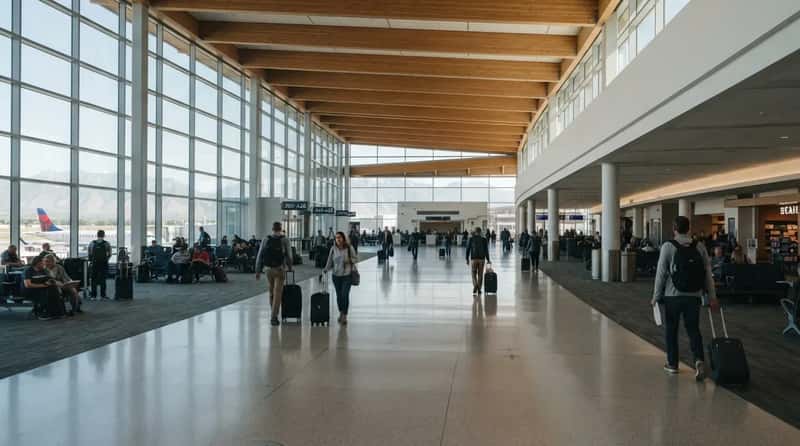
Airports with a single unified terminal quietly eliminate the single biggest source of connection panic: guessing which building you’re supposed to be in. There’s no shuttle bus between terminals, no “wrong side of security” moment, and no frantic calls to gate agents asking if you’ll make it.
Smaller and mid-size airports like Nashville, Salt Lake City, and Kansas City lean into this simplicity, and it shows up in satisfaction scores. Several of these single-terminal airports now rank among the highest-scoring large airports in the country, with Kansas City and Salt Lake City both landing in the top ten for large-airport satisfaction in 2025. Fewer buildings mean fewer ways to get lost – and far less anxiety when your connection window is tight.
At a Glance
- Kansas City International (MCI) and Salt Lake City International (SLC) both cracked the top ten for large-airport satisfaction in 2025.
- Nashville International (BNA) has kept adding passengers for years without ever splitting into separate terminals.
- No inter-terminal shuttle means no chance of exiting security in the wrong building with a tight connection on the clock.
3. The Security Line Splits Before You Even Notice It
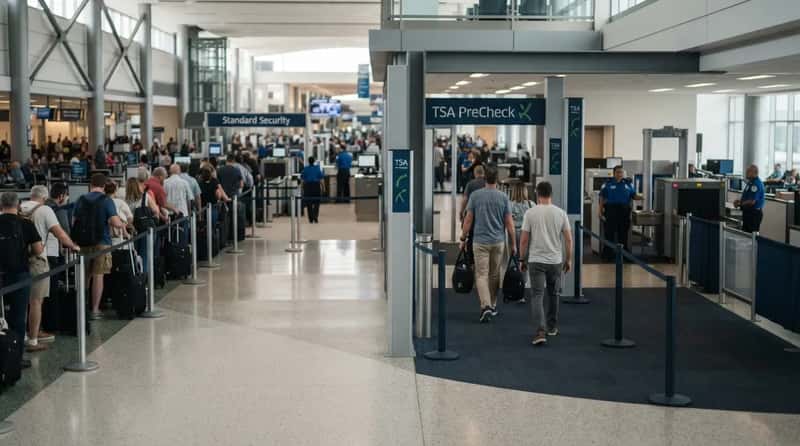
Watch how early an airport separates PreCheck travelers from everyone else. The smoothest checkpoints split the crowd the moment you walk in, often before you can even see the X-ray machines, so the lines never visually merge into one intimidating mass.
This isn’t cosmetic. PreCheck lanes are designed to keep waits under 10 minutes, versus a 20-minute target for standard lanes, and airports that physically separate the flow early tend to actually hit that target instead of missing it during rushes. If you notice a calm, distinct PreCheck lane rather than a chaotic single funnel, you’re standing in an airport that planned ahead.
4. PreCheck Actually Delivers What It Promises
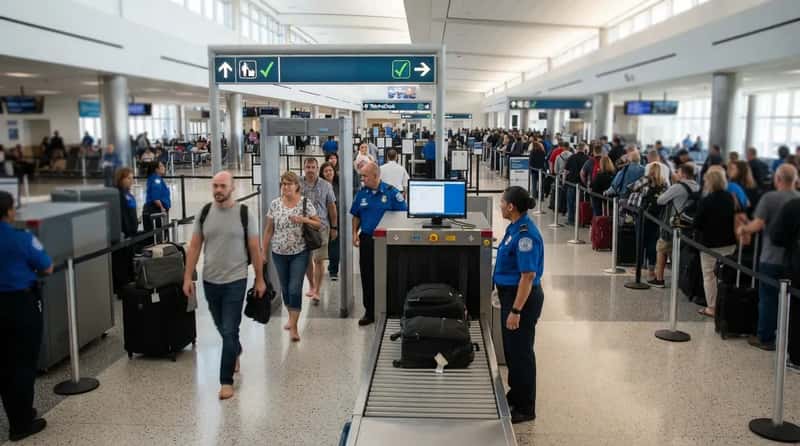
A lot of airports sell PreCheck as a shortcut, but not all of them actually deliver the payoff. The ones that do are easy to spot: dedicated lanes stay open even during peak hours instead of getting shut down when staffing gets tight.
Nationally, during normal security operations, the agency estimates that roughly 99% of passengers with PreCheck wait less than 10 minutes. Recent data even shows the gap widening in the right direction – PreCheck cut average waits from 7.8 minutes to 4.9 minutes, a 37% reduction. When an airport keeps that promise instead of quietly closing the lane, it’s telling you it’s staffed and organized behind the scenes.
Fast Facts
- Standard security lines nationwide often run 15 to 30 minutes, while dedicated PreCheck lanes are built to stay under 10.
- Roughly 99% of PreCheck travelers clear security in under 10 minutes during normal operations, according to TSA.
- Average PreCheck waits have dropped to about 4.9 minutes, down from 7.8 minutes not long ago – a real 37% improvement.
- Even at the busiest hubs, a 10-minute PreCheck wait still beats a 30-minute standard line by a wide margin.
5. Gate Numbers Go in a Straight Line, Not a Scavenger Hunt
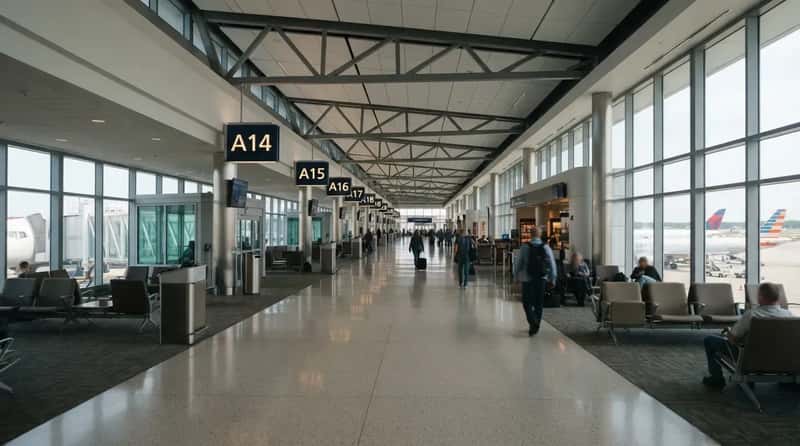
Some airports number gates so logically you could find your seat blindfolded. Others scatter B12 next to C4 next to A9 in a layout that seems designed by someone who’s never actually flown.
The easy airports keep concourses linear and sequential, so gate numbers climb in one predictable direction. A logically numbered concourse is one of the strongest silent indicators of a well-run airport, because it means the same planners who designed the terminal actually thought about how humans move through it – not just how gates fit on a blueprint.
6. The Walk From Security to Gate Never Feels Like a Hike

Some terminals stretch security checkpoints and gates a mile apart, forcing travelers into a genuine cardio session with rolling luggage. The easiest airports keep that distance short, or at least manageable, so a tight connection doesn’t automatically mean a sprint.
This matters more than most flyers realize, because gate distance is rarely mentioned in marketing but shows up constantly in traveler complaints. A short, flat walk from checkpoint to gate is one of the biggest hidden reasons some airports feel “easy” and others feel exhausting, even when their passenger volumes are nearly identical.
7. Moving Walkways Actually Run the Whole Concourse
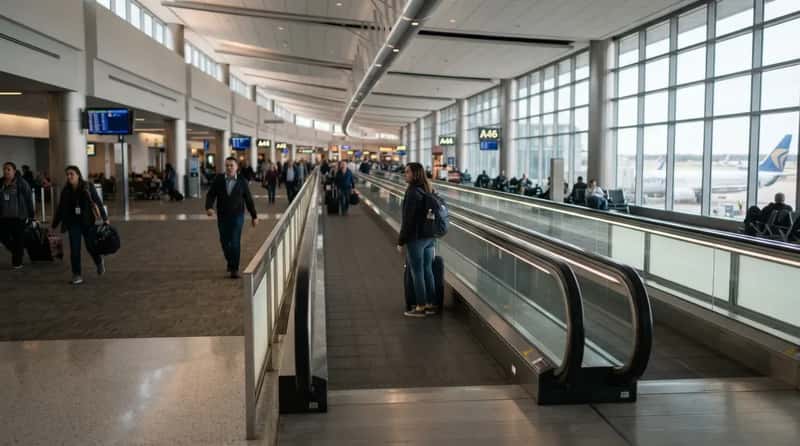
A moving walkway that stops halfway through a terminal is almost a cruel joke – you get a boost for two minutes, then you’re back to dragging a bag on foot. The airports that install walkways along the entire concourse length are quietly investing in something most travelers only notice when it’s missing.
This is a small detail with an outsized payoff for anyone with tight layovers, kids, or mobility issues. If you step onto a walkway and it keeps going gate after gate instead of dumping you off early, that airport clearly built for real passenger flow, not just for photos in an annual report.
8. Food and Restrooms Show Up Right Where You Land
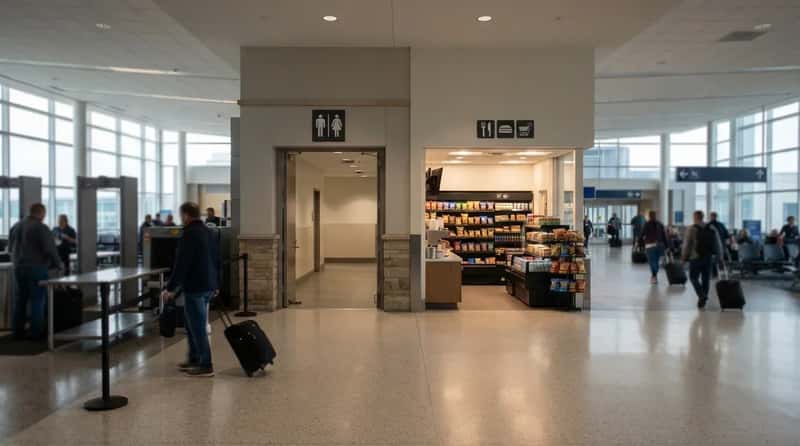
Nothing wrecks a smooth trip faster than needing a restroom and walking past three closed doors before finding one that’s open. Easy airports place restrooms and grab-and-go food within eyesight of the security exit, not hidden around a corner you have to hunt for.
It sounds minor until you’re rushing between flights with a toddler or a bad flight-day stomach. Airports that place basic necessities in the first sightline after security are consistently rated higher in comfort surveys, because those thirty seconds of relief change how the entire terminal feels, even before you’ve reached your gate.
9. The Departures Board Rarely Flickers at the Last Minute
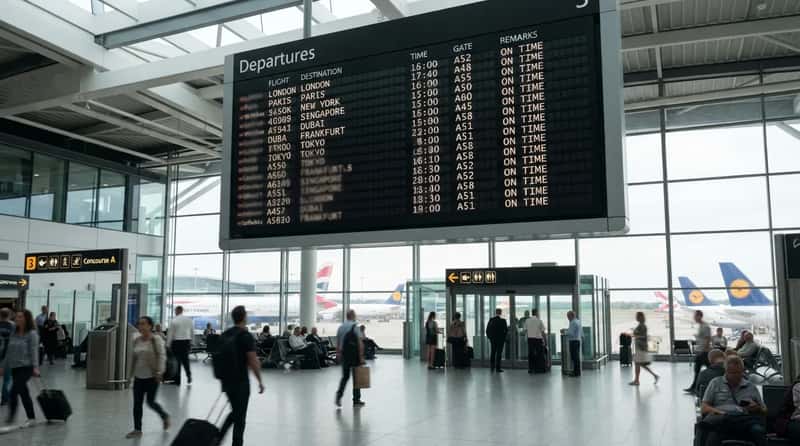
Some airports post gate changes so late you’re already halfway to the wrong terminal before the board updates. The smoothest operations lock in gate assignments early and stick with them, which quietly tells you the airport’s ground operations are actually coordinated.
This isn’t about avoiding delays – weather and mechanical issues happen everywhere. It’s about whether an airport’s internal systems talk to each other fast enough to warn you before you’re sprinting. A calm, stable departures board is a small sign of a much bigger operational competence most travelers never see directly.
10. A Train or People Mover Does the Walking for You
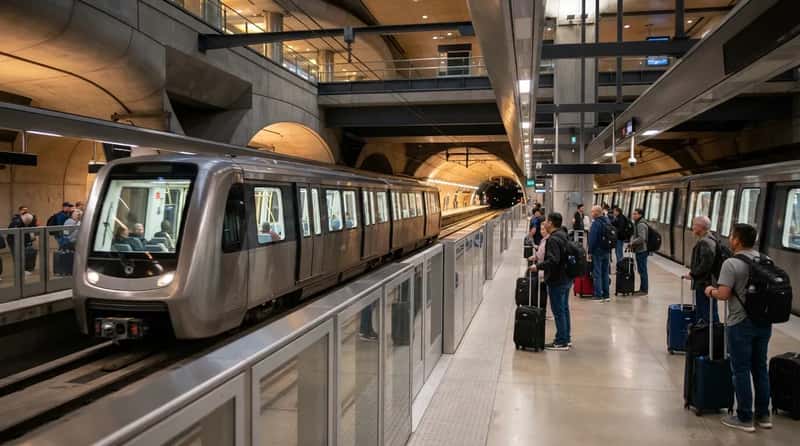
Airports with internal trains or automated people movers connecting terminals turn what should be a 20-minute hike into a five-minute ride. It sounds like a luxury, but it’s really just smart engineering that admits terminals got too big to walk comfortably.
Denver, Atlanta, and San Francisco all lean on internal transit systems to keep connections realistic even when gates sit far apart. An airport that built a train instead of expecting you to walk a mile is telling you it takes your time seriously, which is a rarer trait than it should be at major hubs.
Quick Compare
- Denver (DEN): The automated train turns a long concourse-to-concourse walk into just a couple of minutes.
- Atlanta (ATL): The Plane Train carries passengers the length of one of the busiest airports on earth without a single flight of stairs.
- San Francisco (SFO): The AirTrain links terminals and the rental car center without forcing anyone onto a sidewalk.
- Airports without any people mover often turn that same distance into a 15-to-20-minute hike with bags in tow.
11. Boarding Announcements Start Calm, Not Panicked
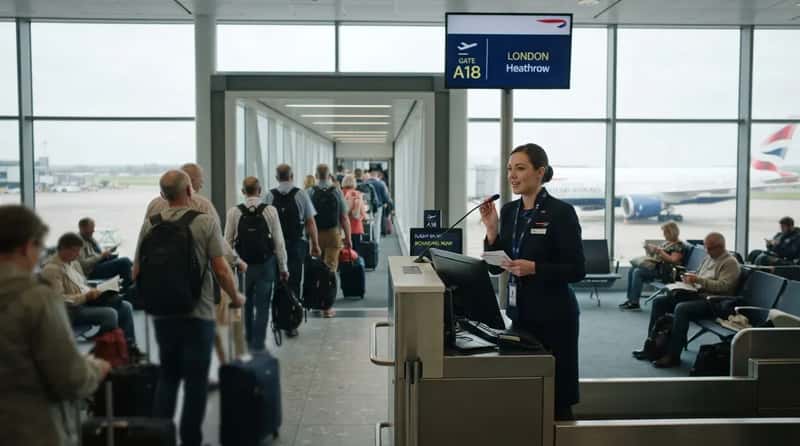
Listen to how early boarding gets announced. Airports and airlines that call groups with plenty of buffer time create an entirely different atmosphere than the ones that wait until the last five minutes and then blast frantic final calls over the intercom.
This one’s controversial among frequent flyers, but it’s true: rushed, last-second boarding announcements are often a sign of an understaffed gate, not just a busy flight. Airports that consistently start boarding early, with clear group instructions, are usually running tighter, better-staffed operations behind the scenes than the ones that always feel like a fire drill.
12. Locals Quietly Brag About Their Home Airport

Pay attention to how residents talk about their own airport. In cities where people casually say “our airport is actually great,” that’s a stronger signal than any marketing campaign, because locals fly through it dozens of times a year and have zero incentive to lie.
This quiet loyalty shows up in real data, too. Minneapolis-Saint Paul International Airport ranks highest in passenger satisfaction among mega airports for a second consecutive year, with Detroit Metro and Phoenix Sky Harbor close behind. When an entire metro area quietly agrees their airport doesn’t suck, that reputation is usually earned, not accidental.
13. The Airport Keeps Winning Awards Nobody Advertises
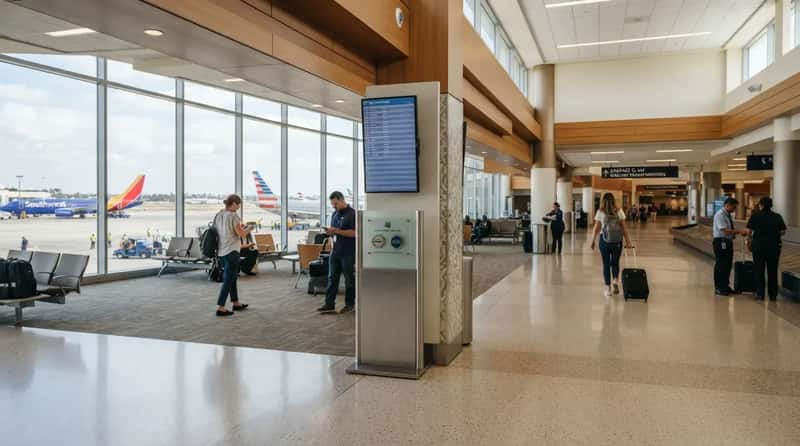
Some of the most efficient airports in the country barely market their wins, yet they keep topping independent passenger surveys year after year. John Wayne Airport in Orange County ranks highest among large airports for a second consecutive year, with Tampa International and Dallas Love Field close behind.
What’s telling is why. John Wayne Airport was recognized specifically for its Ease of Travel Through Airport, alongside strong marks for terminal facilities and traveler trust. That’s not a flashy amenity – it’s the exact quiet quality this whole list is about. If an airport quietly racks up “ease of travel” honors instead of just “best food court” awards, it’s solving the right problem.
“I am delighted that John Wayne Airport has yet again topped the charts for customer satisfaction.”
Don Wagner, Orange County Third District Supervisor
14. Overall Satisfaction Is Rising Even as Crowds Grow
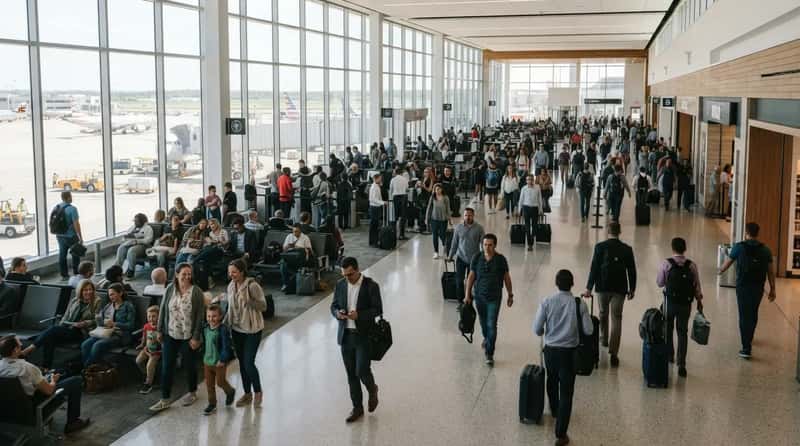
Here’s a stat most travelers never see: passenger satisfaction across North American airports actually went up in 2025, not down, despite record crowds. Overall satisfaction increased 8 points for mega airports, 10 points for medium airports, and 15 points for large airports, even with widespread flight cancellations and delays.
That’s a genuinely surprising trend, since more passengers usually means more frustration, not less. It suggests airports have quietly gotten better at capital improvements and terminal design over the last few years – even if most flyers assume the opposite. The busiest year on record was also, statistically, one of the most satisfying years to fly, which contradicts almost everyone’s gut instinct about crowded airports.
15. Construction Zones Are the Exception, Not the Norm
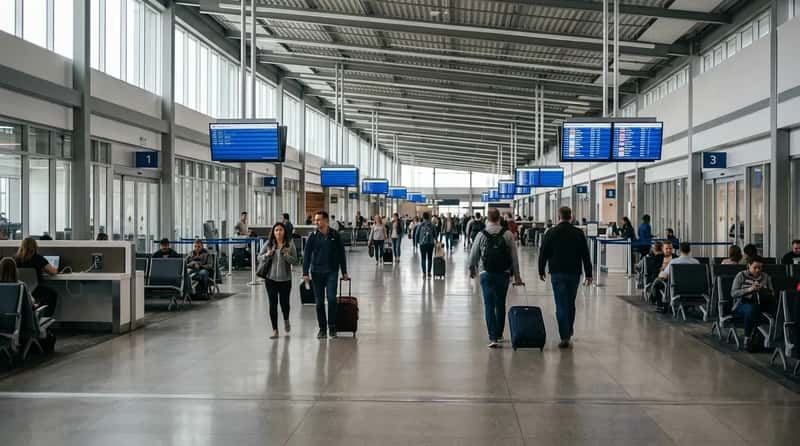
Nothing signals a rough travel day like plywood walls, orange cones, and a “pardon our progress” sign blocking half a concourse. The easiest airports to move through have already finished their major renovations, or they schedule construction in small sections instead of shutting down entire wings at once.
This is a genuinely divisive opinion among travelers, but it needs saying: an airport mid-renovation is almost never the “easy” experience its marketing claims, no matter how nice the finished product will eventually look. If you walk in and see minimal active construction, that’s one of the clearest quiet signs you picked a good day – or a good airport.
16. Baggage Claim Sits Steps From the Exit Doors
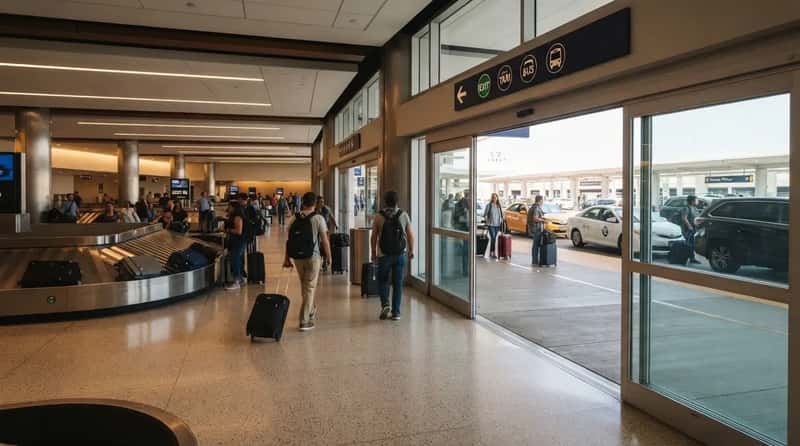
Few things test patience like watching your bag come out on the carousel, only to realize the exit doors are another five-minute walk away. Airports that place baggage claim close to ground transportation quietly save travelers real time on the back end of a trip, when energy is already running low.
This detail rarely gets mentioned in reviews because people are usually too tired to notice consciously – they just remember feeling relieved. If you’re outside hailing a rideshare within two minutes of grabbing your suitcase, that airport designed its exit flow with actual humans in mind, not just architectural symmetry.
17. The Whole Building Feels Like Daylight, Not a Basement
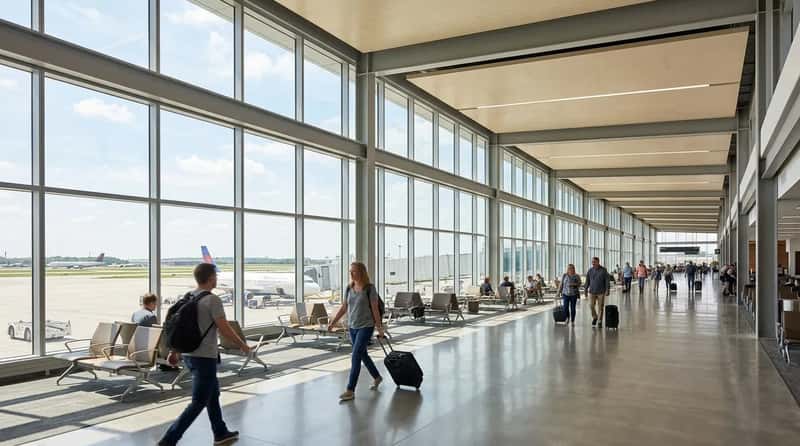
Natural light sounds like a cosmetic detail, but it changes how disoriented or calm people feel while navigating a maze of gates. Airports with floor-to-ceiling windows and open sightlines make wayfinding intuitive, because travelers can orient themselves by looking outside instead of squinting at overhead signs.
The dimly lit, windowless terminals – often the oldest, least-renovated ones – tend to produce the most complaints about feeling lost or anxious, even when their layout isn’t objectively worse. A terminal flooded with daylight is one of the most consistent, most overlooked signs that an airport was designed for the passenger experience, not just for gate efficiency.
None of these signs show up on a boarding pass or a departure board, which is exactly why they’re so easy to miss. But add them up – the short walk, the calm security split, the honest PreCheck lane, the daylight pouring through the terminal – and you get a real, measurable difference in how a trip feels from curb to gate.
The next time you land somewhere new, watch for these quiet clues before you judge the airport by its size or its Wi-Fi. Which one of these signs have you noticed in your own travels – or which airport nailed every single one? Drop it in the comments.