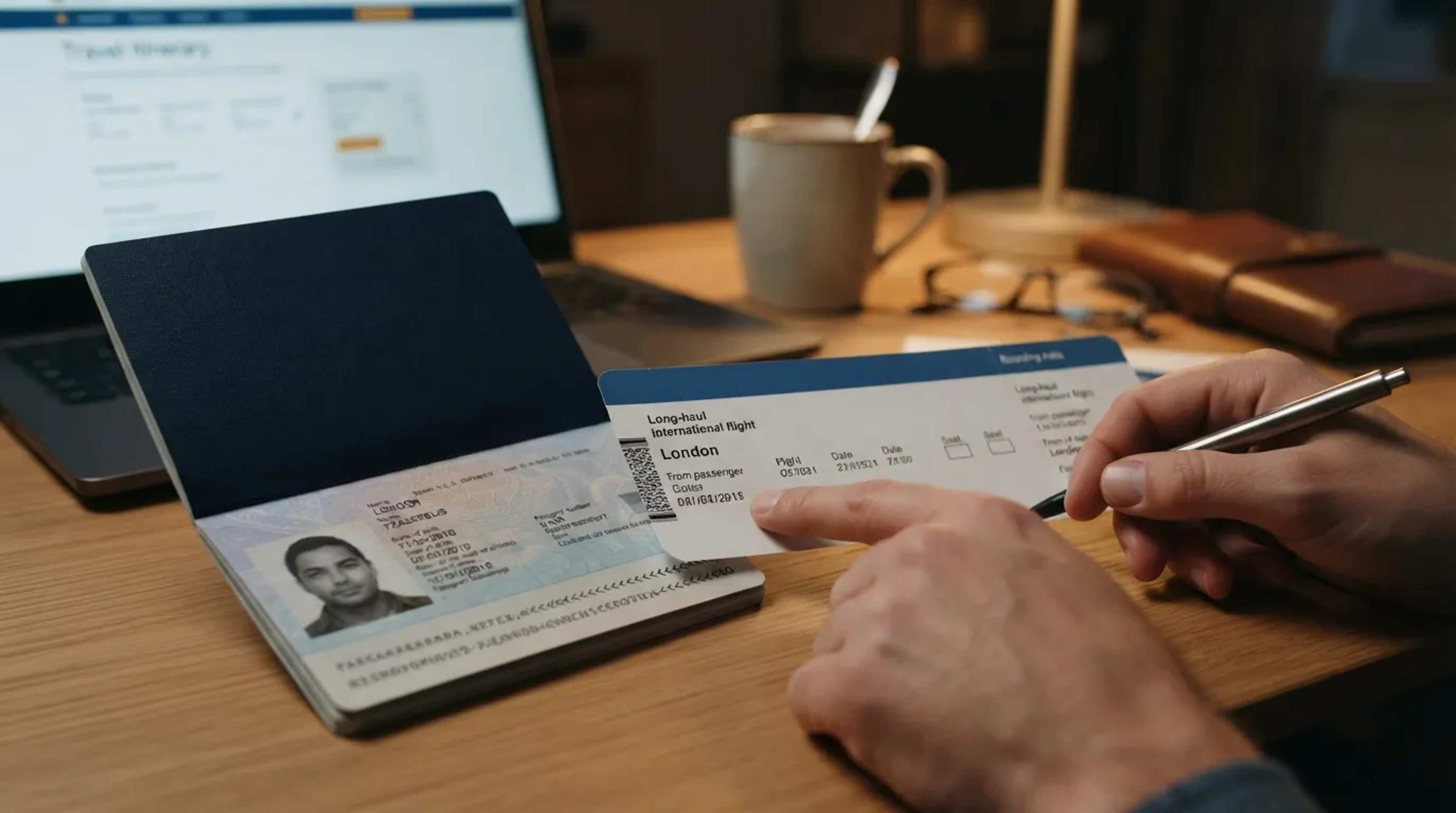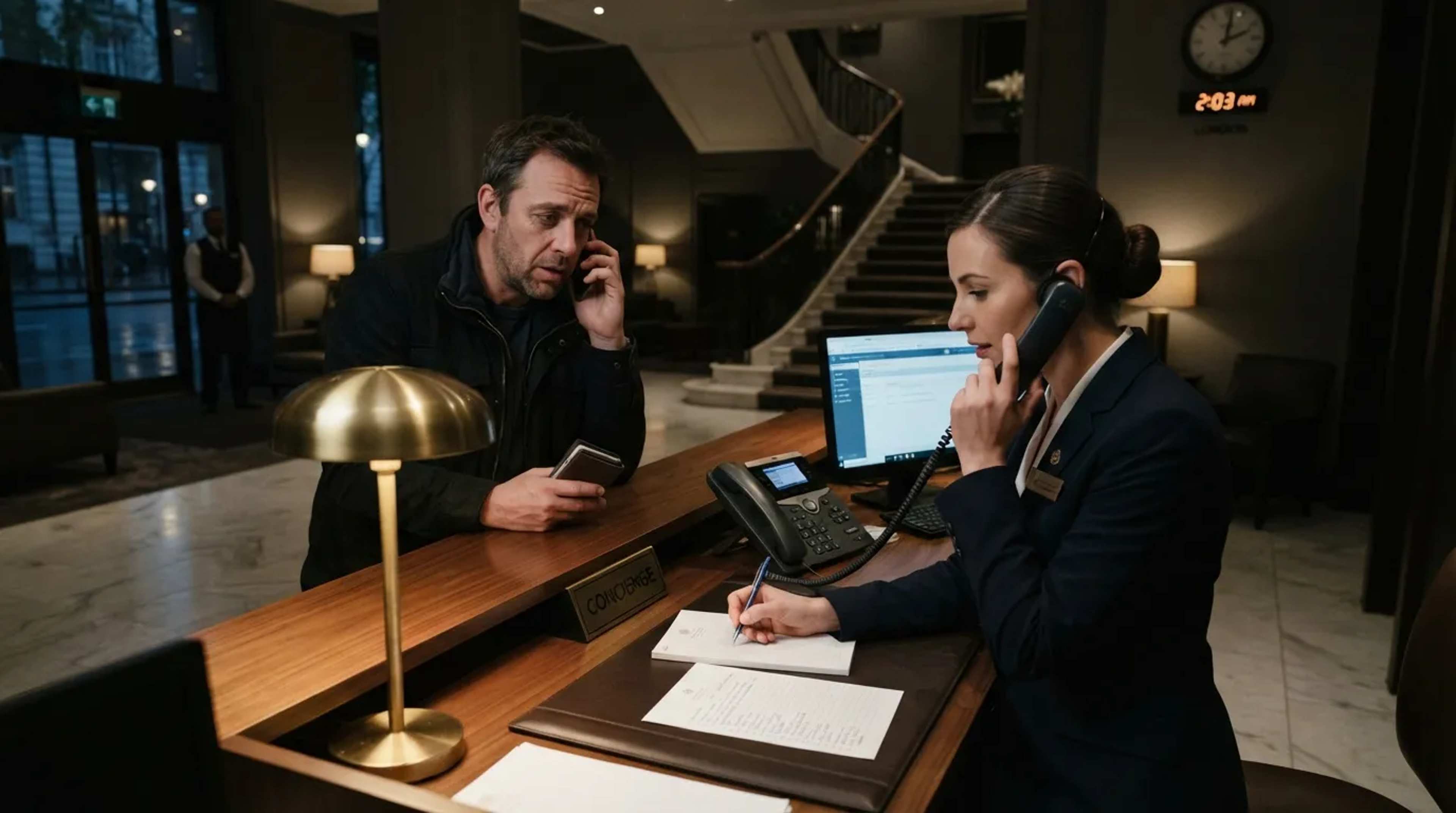
A two-week coach tour looks effortless in the brochure. Someone else drives, someone else books the hotels, and someone else hauls the bags. So why is it always the calmest person on the bus who pulls out the one thing everybody else suddenly needs?
Because by day four, the glossy part is over. Phones are down to a sliver of battery, somebody’s heel is rubbing raw, and a restroom turnstile wants coins nobody has. Most fixes on this list cost a few dollars and weigh almost nothing, and the item at #1 looks like the dullest thing on it. It’s also the one you’ll be happiest to have.
#17 – The Foldable Tote That Quietly Solves Every Souvenir Problem
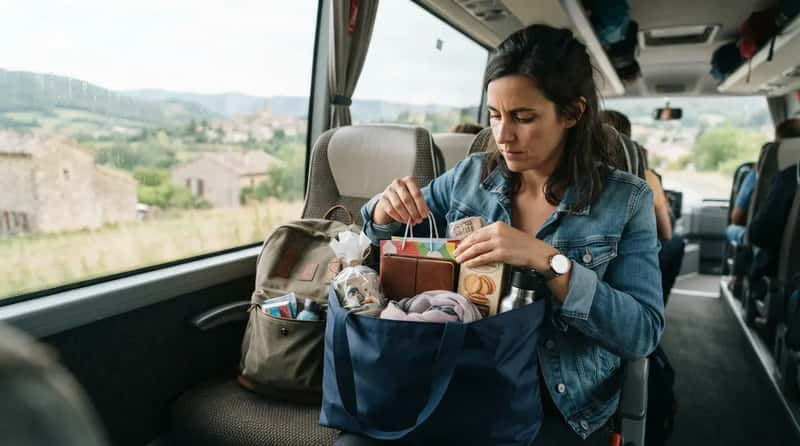
A coach tour fills your arms faster than you’d expect. Every stop adds something: a market find, a gift-shop bag, a jacket you peeled off by noon. A foldable tote weighs almost nothing and packs down to the size of a deck of cards. It can turn five flimsy shopping bags into one sturdy carry-all.
It also means your coat and water bottle never get abandoned on a seat. Tour days often start early and end late, so one bag that holds everything is a real advantage. But that’s nothing compared to the tiny marker that ends the great luggage mix-up at #16…
#16 – A Bright Ribbon on Your Suitcase Beats Any Fancy Tag
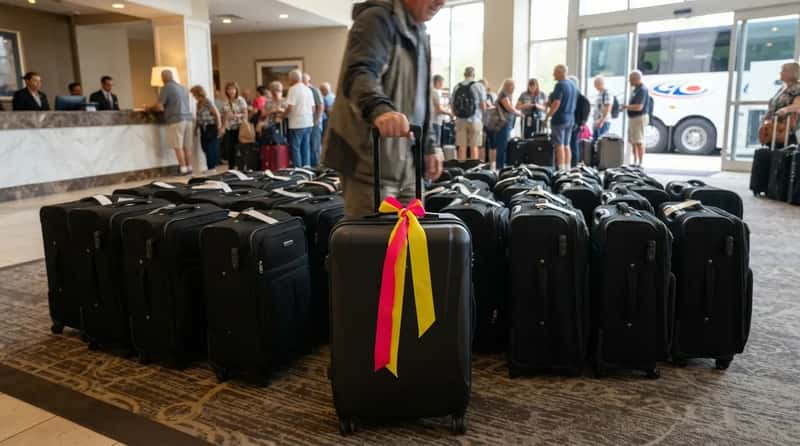
Every coach tour has the moment when 40 suitcases line up and they all look identical. Black, medium-sized, and wheeled is the default luggage look. A strip of bright ribbon or a colorful strap makes yours easy to spot from across a hotel lobby. You grab it and go, instead of lifting every handle in the pile.
Anything that sets your bag apart helps the porters and the driver too. The cost is a couple of dollars, and the payoff is skipping a mix-up on a day when you’re already tired. Still, sleep is the real battle on this trip, and #15 is where most people lose it…
#15 – Earplugs and an Eye Mask, the Duo Light Sleepers Never Travel Without
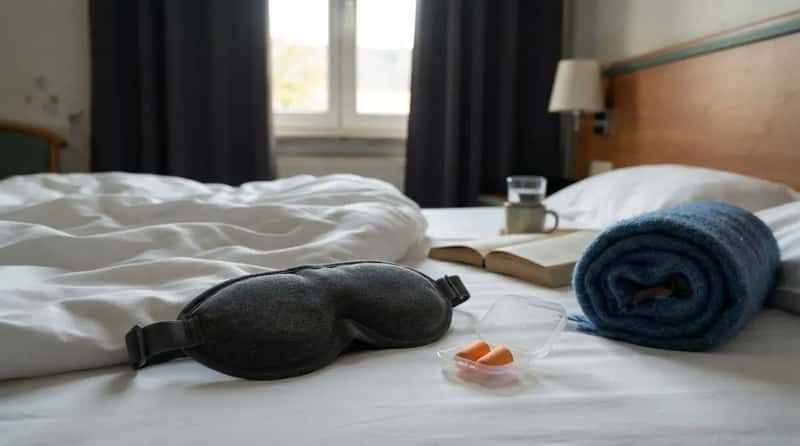
Hotel rooms on a tour are a lottery. You might get a quiet courtyard, or a window over a street where delivery trucks start rumbling at dawn. Earplugs and a sleep mask make both rooms workable. The mask, it turns out, matters more than people think.
Bright light is a well-documented cue for the body’s sleep-wake rhythm. That’s why a mask can help even when your room “feels” dark enough. Some veteran travelers skip the bulky neck pillow and roll up a scarf instead. Either way, the next item keeps you from getting hungry at the worst moment…
#14 – The Snack Stash That Beats the Rest-Stop Menu
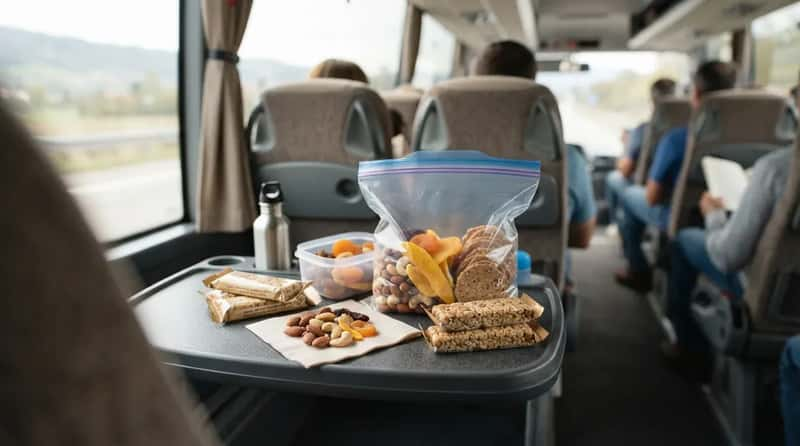
Coach days run on a schedule, and the schedule doesn’t always match your stomach. Lunch might be at 1:30, with a long stretch of road before it. A few nuts, a granola bar, or some dried fruit in your day bag can rescue a mid-morning slump. The most useful snack is the one that survives a warm bus.
Worth Knowing
- Best bets: roasted nuts, dried fruit, crackers, and plain granola bars handle heat and bumps.
- Risky picks: chocolate, bananas, and soft cheese tend to melt or bruise.
- Strong smells, like tuna or boiled eggs, don’t win friends in a shared coach.
- A zip-top bag keeps crumbs and wrappers contained until the next bin.
Pick items that don’t melt, crush, or smell strong in a shared space. Chocolate bars and soft fruit usually lose that fight. Check the rules before crossing borders, too, since some countries restrict certain meat and dairy products. Next up is an item that costs almost nothing and saves you from buying a new bottle every single day…
#13 – A Collapsible Water Bottle Is the Sneaky Budget Saver

Bottled water adds up over 14 days, and it’s one more thing to carry. A collapsible bottle folds flat in your bag and opens when you need it. It keeps you from buying a new bottle at every stop. It also means you have water in hand when the bus is stuck in traffic.
Staying hydrated matters more than people expect on long travel days. Dry cabin air, hours of walking, and skipped drinks can leave you foggy by afternoon. The next item is a cover-up that opens doors, literally…
#12 – The Lightweight Scarf That Gets You Into Cathedrals

Many tours stop at churches, and many of those enforce a dress code. A light scarf or shawl can cover bare shoulders in seconds. It also doubles as a warm layer on a chilly, over-air-conditioned bus. One lightweight piece of fabric can be the difference between walking in and waiting outside.
Bring your own and you won’t have to buy one at an inflated price from a vendor near the door. Keep it folded in your day bag. It’s also a decent stand-in for a pillow, a sun shield, or a picnic blanket. The next item tackles a debate that splits every tour group…
#11 – Packing Cubes: Overhyped or Actually the Smartest Item in Your Bag?
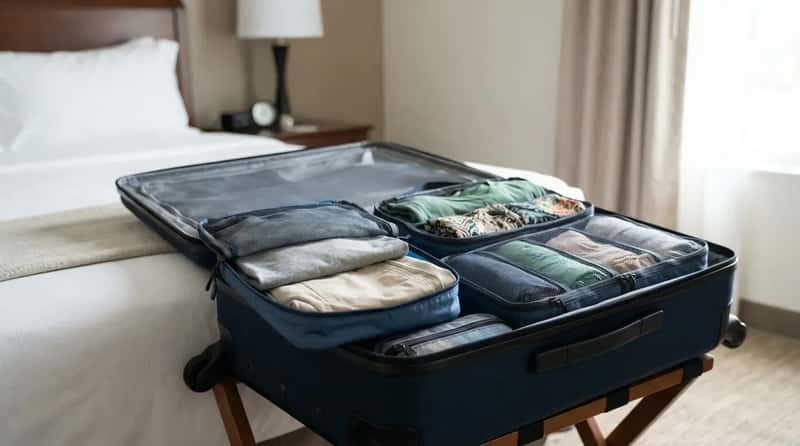
Packing cubes split travelers into two camps. Skeptics say they’re just more bags to carry. Fans say they save you from digging through a whole suitcase every night in a new hotel. On a tour with several hotel changes, the fans tend to win. Hotel changes are exactly where cubes pay off.
Quick Compare
- Without cubes: one big pile, a full unpack at every hotel, and a wrinkled jumble by day five.
- With cubes: one cube per outfit group, grab-and-go mornings, and dirty laundry sealed away.
- The trade-off: cubes add a little weight, so skip them if you pack very light.
You can pull out a single cube with tomorrow’s outfit and leave everything else packed. That makes the early-morning bag drop faster and less chaotic. A cube for dirty laundry also keeps your clean clothes fresh. Speaking of laundry, the next item is the one that lets you pack lighter than everybody else…
#10 – The Sink Laundry Kit That Lets You Pack Half the Clothes

Two weeks does not mean 14 outfits. Travelers who wash a few items in the hotel sink pack far less. A small tube of travel detergent or a few detergent sheets is all it takes. A quick-dry shirt can often be wearable again by morning.
A short travel clothesline or a few plastic hangers help too. Many hotels discourage hanging clothes on balcony rails, so use the bathroom instead. The less you pack, the easier every bag drop becomes. But the next item is a tiny one that few people think of until they’re stuck without it…
#9 – A Pocketful of Coins for the Restroom Fee Nobody Warned You About
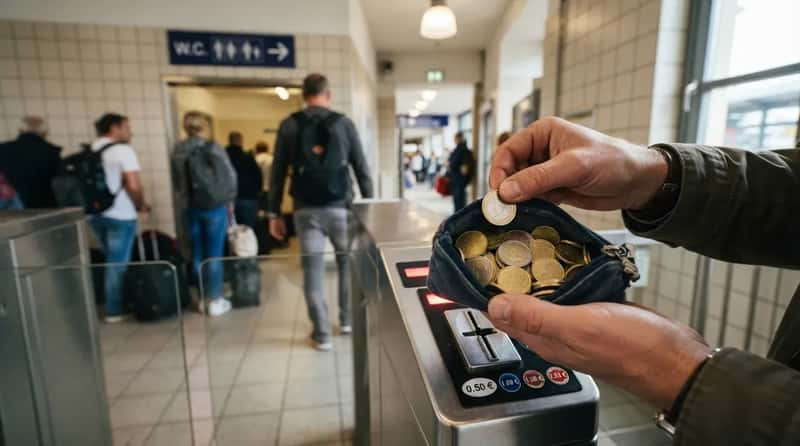
In many parts of Europe, public restrooms and rest-stop facilities charge a small fee. The attendant doesn’t always take cards, and the turnstile may accept only coins. Most people find this out while standing in line holding nothing but a large bill. A handful of small coins can save you a very awkward moment.
Ask your guide at the first stop about local currency and fees. Each country on your route may be different. Most of the items so far are about comfort, but the next one is about your legs, and it’s more serious than it sounds…
#8 – Compression Socks: The Quiet Fix for Swollen Ankles on Long Coach Days
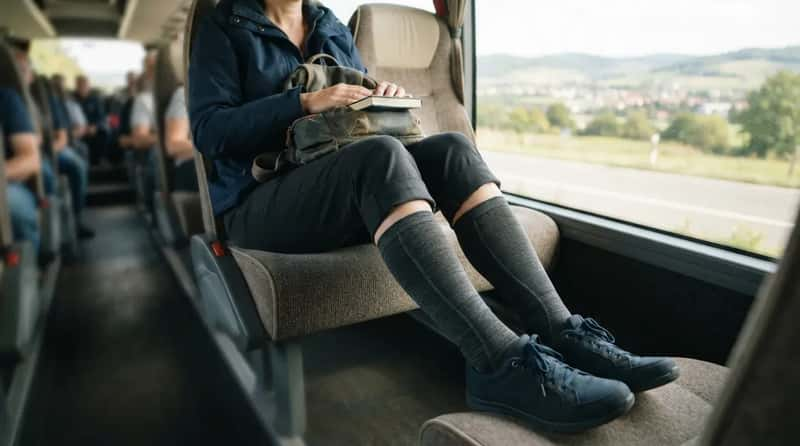
Sitting for hours on a bus, then walking all afternoon, is hard on your legs. The CDC says that traveling four hours or more raises the risk of blood clots. It lists moving around and wearing graduated compression stockings among the ways to lower that risk. Even for people with no health concerns, swollen feet are a common travel complaint.
If you have a medical condition, check with your doctor about the right fit and strength. Put the socks on in the morning, before your feet swell. Standing up and stretching at every rest stop helps too. But the next item prevents the most common trip-souring injury of all…
#7 – The Blister Kit Every Veteran Packs Before the Sunscreen
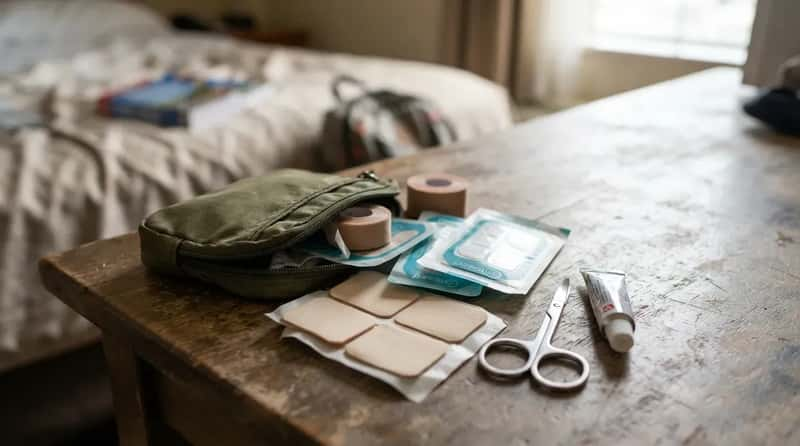
Blisters come from friction and moisture. A coach tour piles on both, with cobblestones, long walking tours, and hot shoes. Moleskin, blister bandages, and a small roll of tape weigh almost nothing. A single blister on day three can make the other 11 days miserable.
Fast Facts
- Blisters need friction, heat, and moisture. A day of walking in warm shoes supplies all three.
- A “hot spot” is the warning sign: a tender, warm patch on your skin.
- Moleskin, blister bandages, and tape together weigh just a few ounces.
- Moisture-wicking socks, swapped at lunch, give your feet a fresh start.
Cover a hot spot the moment you feel it, not after it forms. Pack a few different sizes of bandages. Add a small tube of antiseptic ointment for any blister that breaks. And since your medications deserve the same planning, the next item is easy to get wrong…
#6 – A Pill Organizer and a Medication List That Could Save Your Trip
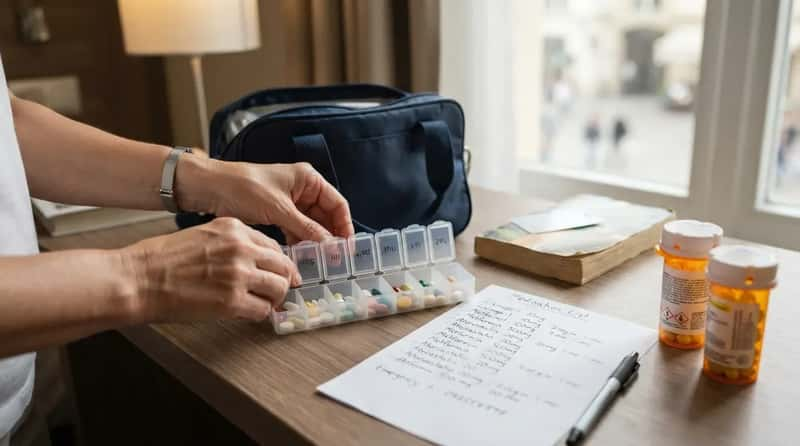
A weekly pill organizer keeps your routine steady when your schedule changes daily. But it shouldn’t be your only copy. Travel guidance commonly suggests keeping prescription medications in their original labeled containers. Keep the original bottles in your carry-on, not in the checked bag.
Bring a little extra in case of delays. Coach tours move fast, and you may not have time to find a pharmacy. A simple painkiller and an upset-stomach remedy are worth their weight too. Next is a bag choice that pickpockets wish you wouldn’t make…
#5 – The Anti-Theft Crossbody Bag Thieves Secretly Hate

Crowded landmarks and busy train stations are where pickpockets work. The State Department’s country pages frequently mention petty theft as a concern for travelers. A crossbody bag with zippers that sit against your body is harder to open without you noticing. Wearing it in front of you in a crowd is the simple habit travel safety advice keeps repeating.
Skip the open-top tote and the back-pocket wallet. Many tour travelers also split cash and cards between two places. A single lost wallet is a headache, but a lost wallet with everything in it is a crisis. And the next item solves a problem that fries phones and hair dryers alike…
#4 – The Power Adapter That Does Not Fix the Voltage
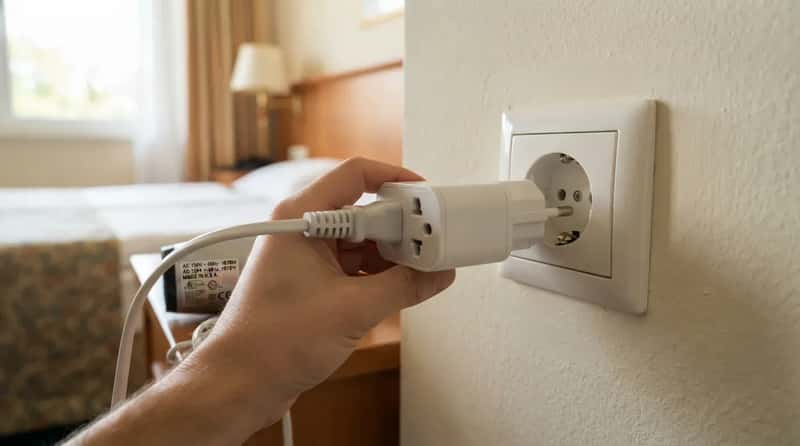
The classic mistake is thinking a plug adapter makes any device safe abroad. Europe generally uses 230 volts, and the U.S. uses about 120. An adapter only changes the shape of the prongs. Plugging a single-voltage hair dryer into a European outlet through an adapter can damage it.
At a Glance
- U.S. outlets run at about 120 volts. Most of Europe runs at about 230.
- A plug adapter changes the prong shape only. It does not convert voltage.
- “100-240V” on a label means the device is dual-voltage and fine abroad.
- Hair dryers, curling irons, and straighteners are the usual casualties.
Check the label on each device. Phone chargers and laptop bricks often say “100-240V,” which means they handle both. If your hair tool doesn’t, leave it home or buy a dual-voltage version. A multi-port USB adapter lets you charge several devices from one outlet, which matters in small hotel rooms. And the next item comes with an airline rule that surprises a lot of people…
#3 – The Power Bank That Must Ride in Your Carry-On, Not Your Suitcase
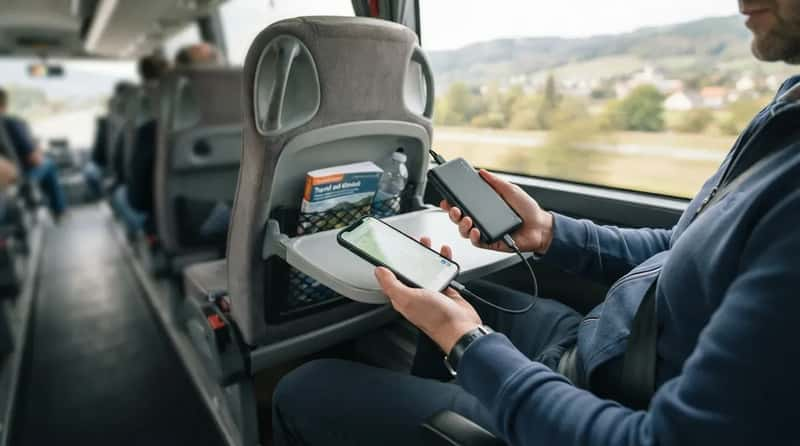
Long days of photos, maps, and digital tickets drain a phone fast. A power bank keeps you from hunting for an outlet at lunch. It also keeps your phone alive when the hotel is a long ride from the last stop. The FAA says spare lithium batteries and power banks must be in carry-on bags, not checked bags.
Many coaches have USB ports at the seats, but they’re not always working. A fully charged power bank is your backup. Pack the short cable too. Now for the item that decides whether your feet survive week two…
#2 – A Second Pair of Broken-In Shoes, Because Your First Pair Will Not Last
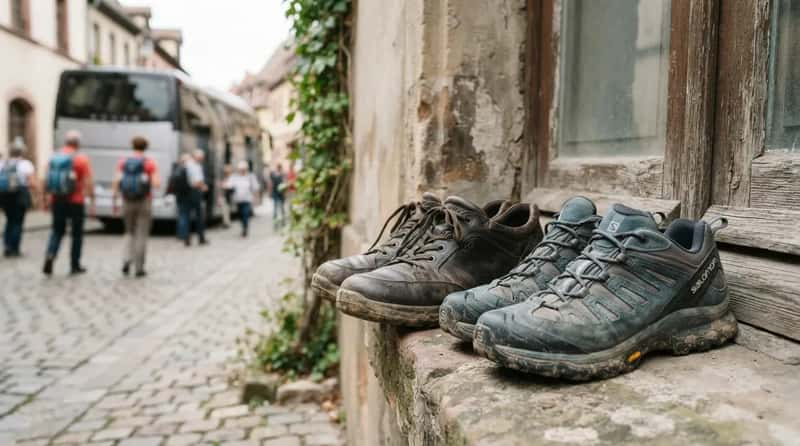
Tour days can be long, and the walking is often more than people expect. A single pair of shoes takes all of it, and it can get soaked by a surprise rain. A second pair gives your feet a break and lets the first pair dry out. Brand-new shoes are one of the classic footwear mistakes on a trip.
Break them in at home first, with real walks. Choose cushioned, supportive soles that can handle cobblestones and uneven stone steps. Rotating pairs also changes where the pressure falls on your feet. And the last item, the one most people skip, is the one you’ll be most grateful for if anything goes wrong…
#1 – Paper Copies of Your Passport and Your Hotel’s Business Card
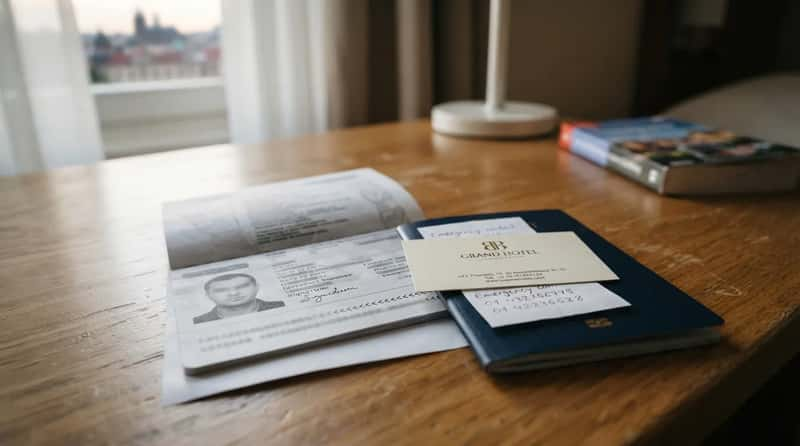
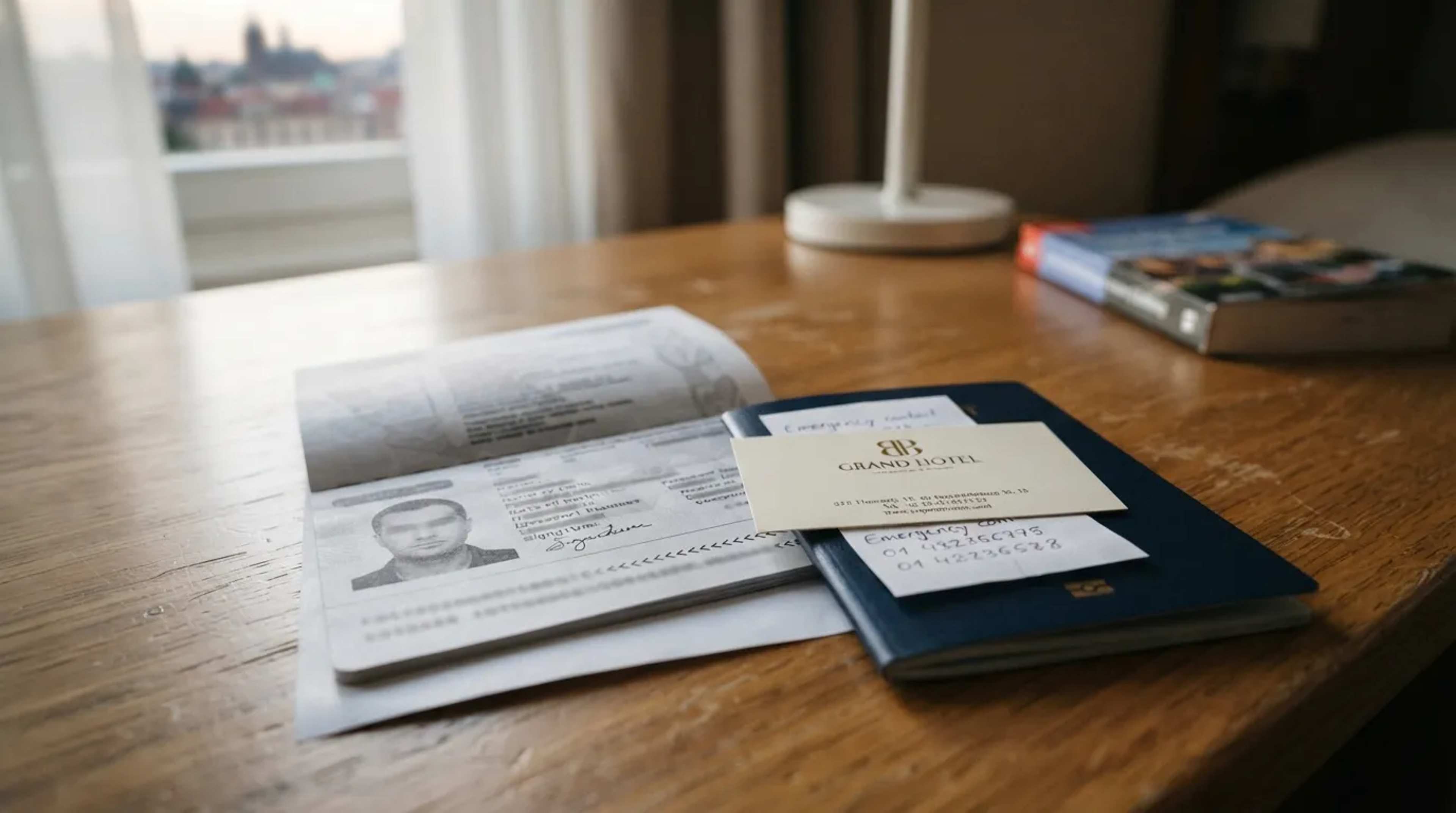
It’s the least exciting thing on the list, and it’s the most valuable. The State Department advises travelers to carry a copy of their passport data page separately from the passport itself. It also suggests leaving a copy with someone at home. If your passport is lost or stolen, a copy can speed up the replacement process.
Grab the business card from each hotel’s front desk when you arrive. If you wander off from the group in a foreign city, you can show it to a taxi driver or a shopkeeper. Add your tour operator’s emergency number on a slip of paper. It’s the cheapest insurance in your whole bag.
The best coach tour items aren’t gadgets. They’re small answers to the problems that hit everyone around day four: sore feet, dead phones, a restroom turnstile, a lost bag in a crowded lobby. Most of this list costs less than a single tour lunch and weighs next to nothing. Which one would you have forgotten?