2 Days in Florence Itinerary: What to See, Pre-Book, and Skip – Image for illustrative purposes only (Image credits: Unsplash)
Florence draws repeat visitors year after year with its compact historic center and layered Renaissance heritage. Travelers often arrive by high-speed train and reach central hotels within minutes, the Duomo already visible on the skyline. A short stay requires clear priorities to balance major sights with practical pacing.
Core Planning Steps
Advance reservations shape any efficient visit. Tickets for the Uffizi Gallery and the Accademia should be secured weeks ahead, especially during peak seasons. The same applies to timed entries at the Duomo complex, which includes the cathedral, baptistery, and climbing access to the dome. Without these bookings, hours can vanish in queues that stretch along the surrounding streets. Transportation choices also matter. The central station sits close enough for most visitors to walk to key areas, eliminating the need for taxis or additional transit on a tight schedule. Hotels or apartments within a few blocks of the cathedral provide the added benefit of early morning or evening strolls when crowds thin.
Highlights Worth the Time
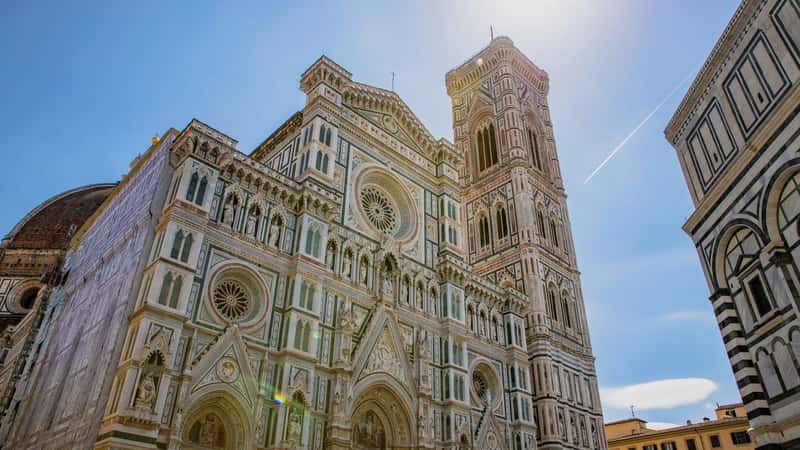
The Duomo and its surrounding piazza anchor any two-day plan. A climb to the top offers sweeping views once the reservation is confirmed. Nearby, the Uffizi houses an unmatched collection of Italian masters that rewards a focused two-hour visit. The Accademia draws crowds primarily for Michelangelo’s David, yet the surrounding galleries contain additional works that justify the entry. A walk across the Ponte Vecchio connects these sites to the Oltrarno district, where quieter streets and smaller churches provide contrast to the main monuments. These locations cluster within easy walking distance, allowing the schedule to remain realistic.
Attractions Best Avoided
Certain experiences consume disproportionate time relative to their payoff. Long waits for non-reserved sites or repetitive souvenir markets near the main square often leave travelers rushed later in the day. Overly broad walking tours that cover already familiar ground can also reduce flexibility for spontaneous discoveries. Instead of attempting every recommended church or museum, focus on two or three signature stops. This approach prevents fatigue and preserves energy for meals or simple neighborhood exploration that many visitors remember most clearly.
Practical Booking and Timing Advice
Morning slots at major museums tend to be less crowded than afternoon windows. Combining a Duomo dome climb with an early Uffizi reservation creates a logical sequence that finishes before midday heat or larger tour groups arrive. Evening hours suit the baptistery or exterior views when interior access closes. A compact list of priorities helps maintain momentum:
– Secure Duomo complex and Uffizi entries first.
– Allocate one full morning to the Accademia.
– Reserve the second afternoon for lighter walking and the Ponte Vecchio.
– Leave buffer time for meals and rest rather than additional sites. This framework turns a brief stay into a coherent experience rather than a checklist sprint.