Most travelers think Global Entry is a magic pass that lets you walk right past the passport officer. That’s only half the story, and the half people skip is where the real time and money are saved.
The program swaps the long queue for a quick check at a kiosk or on your phone. But the regulars who get the most out of it do a long list of small things around it, and first-timers rarely hear about them.
We checked CBP’s own pages and current guides to see which habits hold up. One customs rule also gets stressed to trusted travelers more than any other, and it isn’t the one most people expect.
#16 – They Ask Whether They Need Global Entry at All
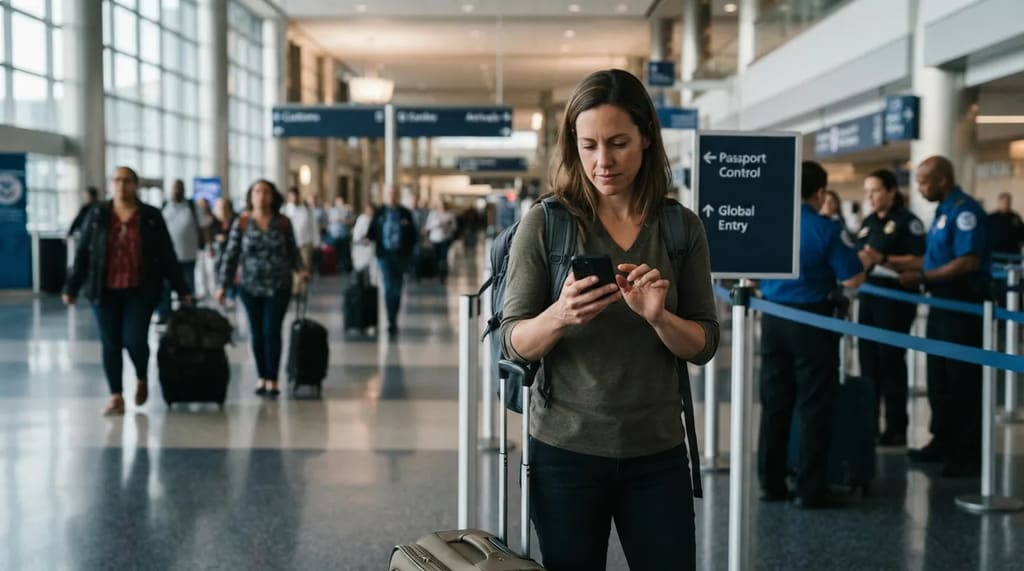
The smartest move happens before anyone pays a cent. CBP calls Global Entry the program for frequent international and business travelers, and that wording is deliberate.1
For everyone else, the agency points elsewhere. If you fly abroad less often, it suggests TSA PreCheck for security and the free Mobile Passport Control app for arrival.1
Mobile Passport Control needs no pre-approval and costs nothing. It lets you submit your arrival details on your phone before you ever walk up to an officer.
Here’s the friction: for a once-a-year flyer, Global Entry can be overkill. One forum poster used it for five years, then switched to Mobile Passport after entering the U.S. about once annually, and found it just as efficient.
Still, if you decide to buy in, there’s a way to get someone else to cover the fee. That’s #15.
#15 – They Make a Credit Card Pay the Fee
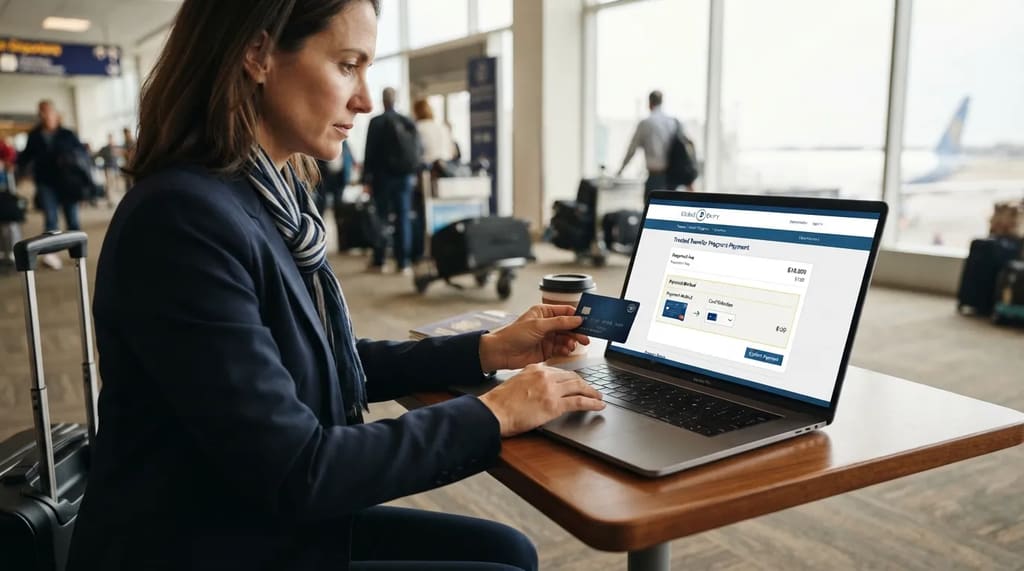
The fee is real, but plenty of members never feel it. Many travel credit cards reimburse the Global Entry application fee as a statement credit.
Capital One, for example, offers a $120 credit when you pay the fee with an eligible card. Other issuers advertise credits of up to $120 that can often be used again every four years for Global Entry, TSA PreCheck or NEXUS.2
Here’s the part most people miss: the credit depends on which card you pay with. Put the fee on the wrong one and the reimbursement simply never shows up.
Terms differ by issuer, including how long the credit takes to post. Read yours before you click pay.
Fast Facts
- The Global Entry fee is $120 and covers five years of membership.1
- Many issuers advertise statement credits of up to $120.
- Some credits can be used again every four years.
- The credit only posts if you pay with the eligible card.
Many of these cards also cover TSA PreCheck, but Global Entry already includes PreCheck. That makes it the better deal for anyone who flies abroad.
Paying with the wrong card is a classic mistake. But the fee carries a harsher lesson, and it’s next at #14.
#14 – They Know the $120 Is Gone Even If They’re Denied
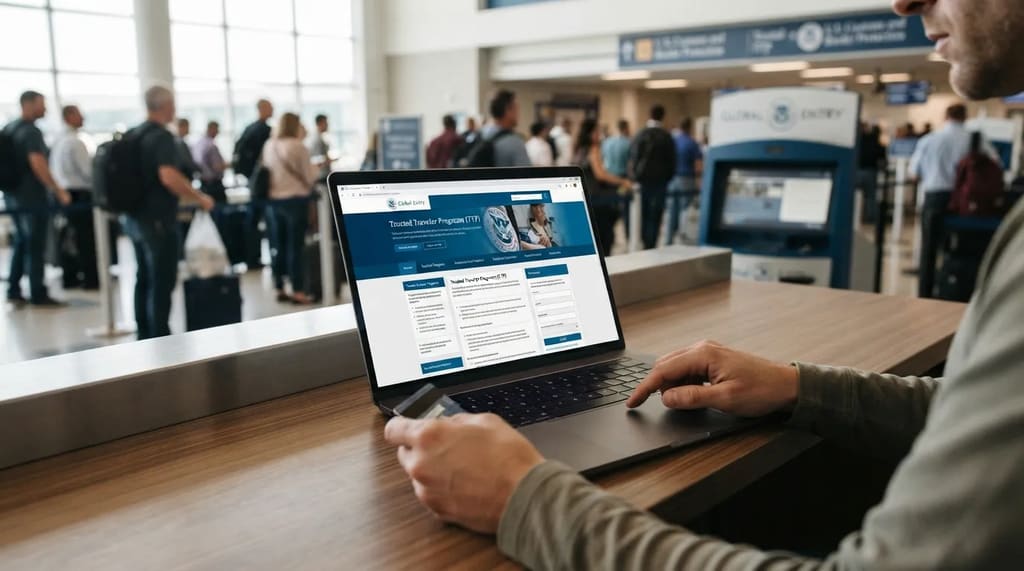
CBP keeps your money whether you pass or fail. The $120 fee is non-refundable, even if your application is denied.3
A denial can follow a past customs violation or a criminal record. Some guides warn that even minor offenses can surface in the CBP background check.
That’s why careful applicants read the rules before they pay. CBP has a dedicated page for checking eligibility requirements.
The fee is spent the moment you submit, not when you’re approved. Think of it as paying for the review, not the card.
Get approved, though, and a different obstacle shows up: the interview. At #13, the shortcut that skips the appointment hunt.
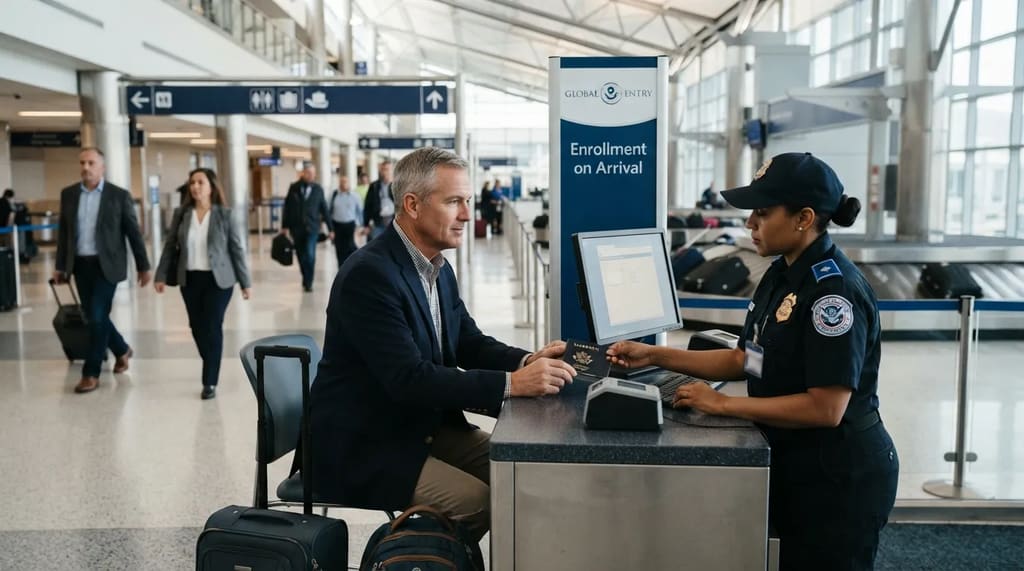
#13 – They Do the Interview at the Airport
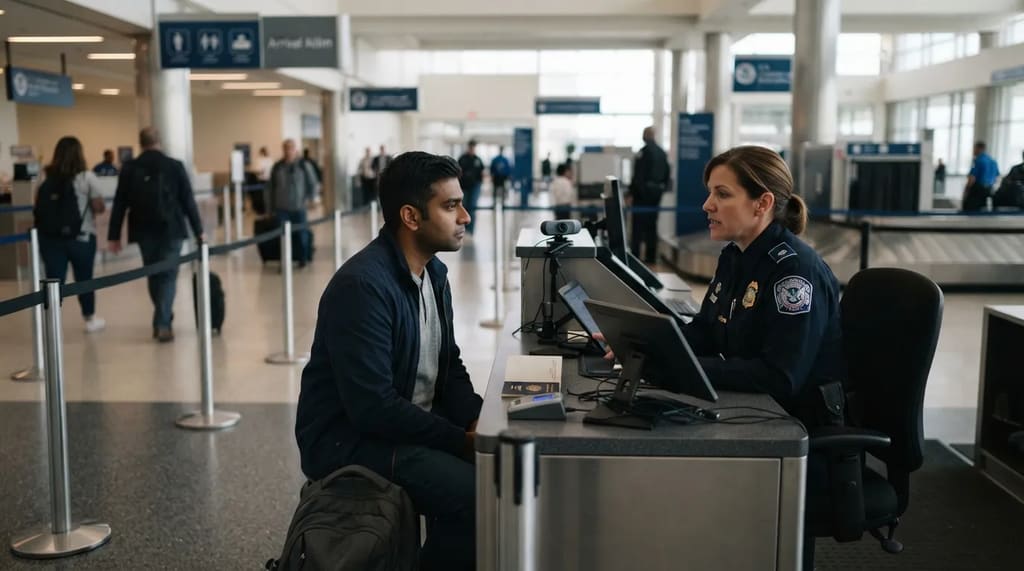
The appointment backlog is real, and experienced applicants route around it. After conditional approval, you must complete an in-person interview with a CBP officer.
CBP says you can finish it without booking an enrollment center slot, through Enrollment on Arrival at participating airports. Turns out, that’s an official option, not a hack.4
CBP lists dozens of U.S. airports for enrollment on arrival, plus a few locations abroad. Airport lists change, so confirm yours before you fly.
Timing varies a lot from one applicant to the next. Some people are conditionally approved within weeks, while others wait many months.
Once the card is yours, one small number matters more than the card itself. That’s #12.
#12 – They Put Their Known Traveler Number Everywhere
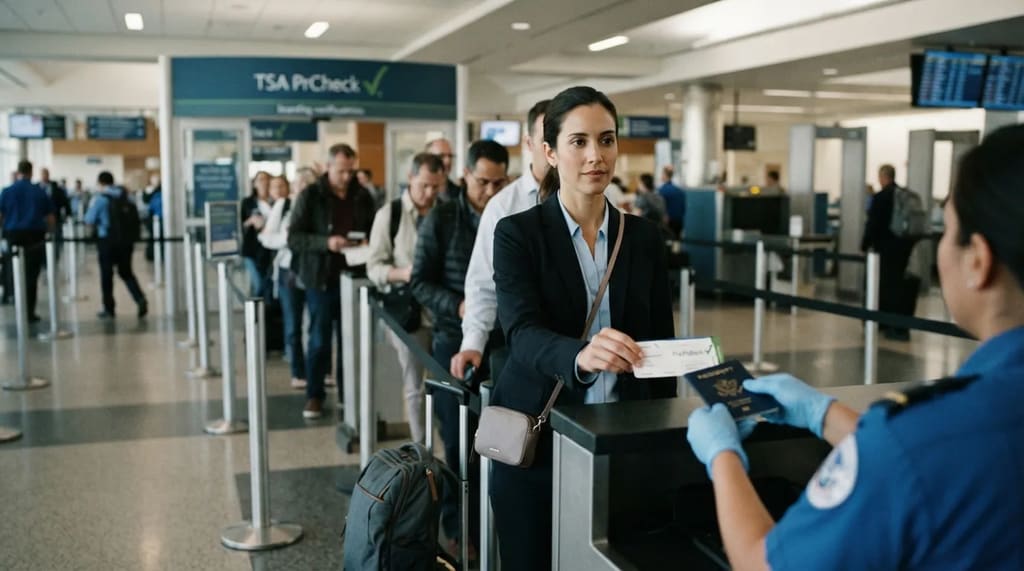
The membership does nothing at security without one line of data. Global Entry members are issued a Known Traveler Number and need to add it when booking flights.5
You can also save it in your frequent flyer account so it follows you onto every reservation. At security, you show your boarding pass to reach the PreCheck line.
The good news is you don’t need a second membership. Global Entry includes TSA PreCheck benefits automatically, with no separate enrollment.
Here’s the catch. Trusted travelers have a very high probability of receiving PreCheck, but it isn’t guaranteed, because TSA still uses random procedures. Even a perfect number can’t promise a perfect lane.
Before you land, there’s another tool worth setting up. It’s #11.
#11 – They Install the Global Entry App Before the Flight
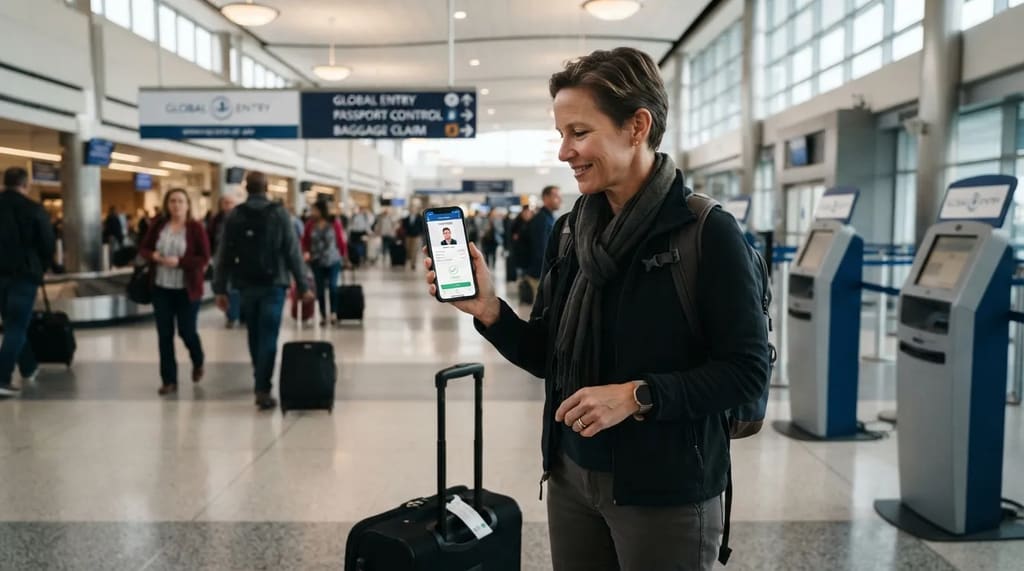
Your phone can stand in for the kiosk. The Global Entry Mobile app lets active members report their arrival at supported airports instead of using a stationary portal.
The app compares your photo with the biometric data on file, then creates an on-screen receipt. You show that receipt to the officer at the Global Entry exit, which saves a stop at the kiosk.6
It also stores your CBP Pass ID and your preferred class of admission, so you aren’t retyping details at the gate. The app supports group submissions for members traveling together.
But the app has a catch that its fans rarely bring up. We reveal it at #10.
#10 – They Keep a Plan B for the App
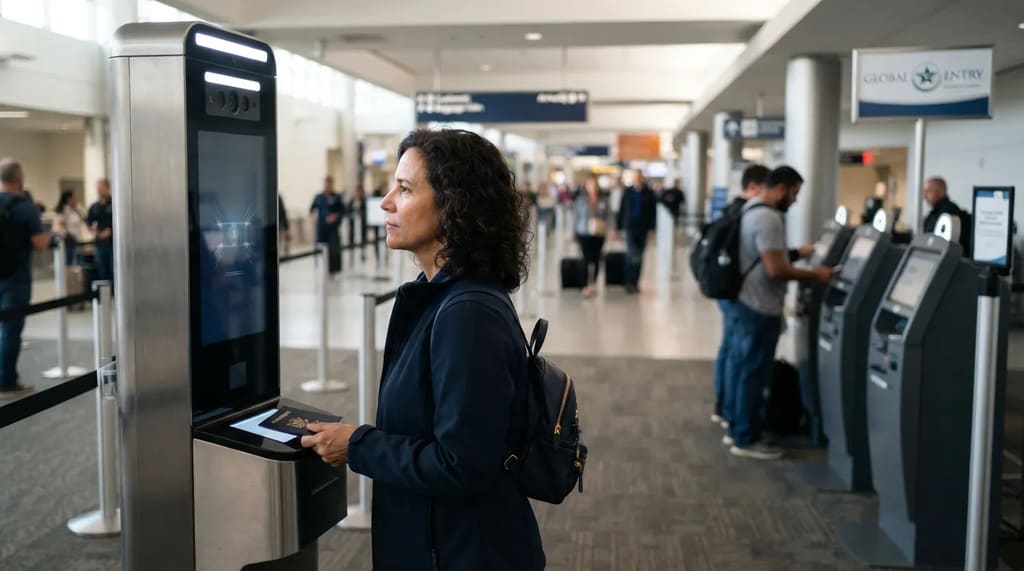
Skipping the kiosk doesn’t always mean skipping the delay. One forum poster called doing everything in the app while the plane taxied to the gate a pain.
That’s one account, not a rule. Still, it shows why experienced members don’t count on the app alone.
The app’s own listing says that if you can’t get a receipt, you can go to a Global Entry portal and proceed with the normal process. The fallback is built into the program.
Here’s the friction. Some members call the app overrated, while others swear by it, and the honest answer seems to depend on your airport and your signal.
And the portal you fall back on isn’t what it used to be. At #9, it’s now a camera.
#9 – They Know the Portal Is Now a Camera
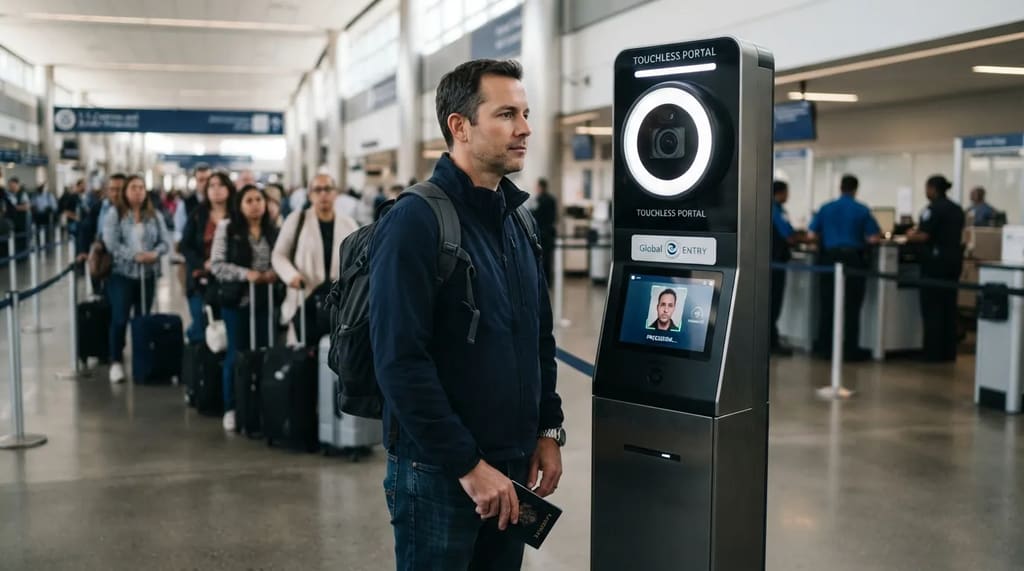
At many airports, the kiosk has stopped asking for your passport. CBP has rolled out touchless kiosks that identify travelers through a biometric image.
One JFK guide describes a touchless facial-comparison portal that confirms who you are in seconds and prints no receipt. A forum poster said the walk from camera to officer took about three minutes for a family of three.
Not everyone gets that result. One commenter said the kiosk never recognized them on the first or even second try.
So the camera isn’t magic. It’s matching your face to a file CBP already holds, and a poor match means a retry.
One thing the camera can’t do, though, is replace a document you forgot. That’s #8.
#8 – They Never Mistake It for a Visa
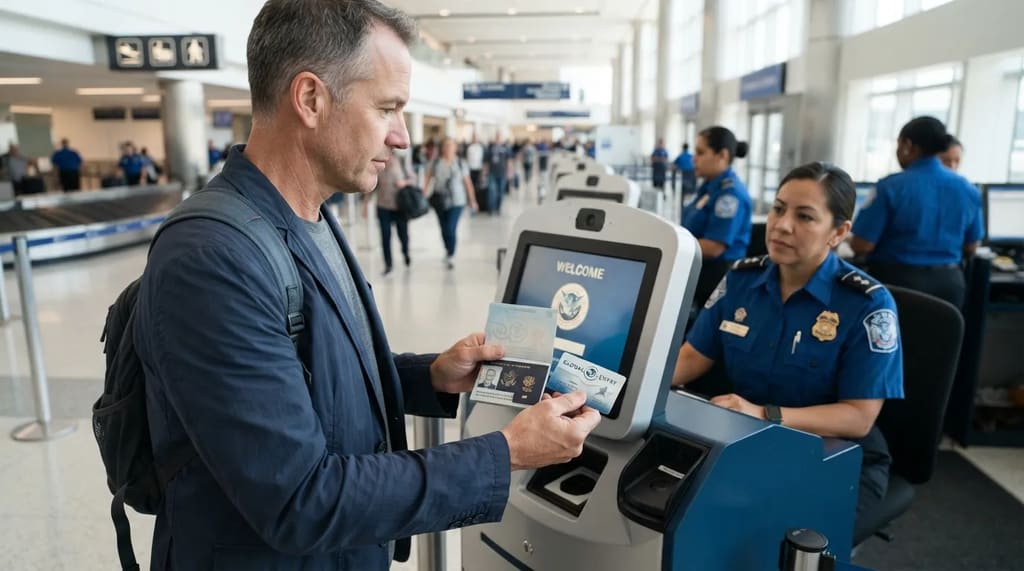
Global Entry is not a travel document. It is not a visa, and it replaces neither ESTA nor a U.S. visa.
Mobile Passport Control also doesn’t replace your passport or required documents such as ESTA. One guide lists forgetting ESTA or a visa as a top mistake, since Global Entry isn’t entry authorization.
Worth Knowing
- Global Entry is not a visa and does not replace one.
- It does not stand in for ESTA, either.
- Mobile Passport Control doesn’t replace your passport.
- Membership speeds up processing but doesn’t guarantee entry.
Here’s what experts keep repeating. The final decision on entry rests solely with CBP.
That means membership speeds up a process, not a guarantee. Long-haul regulars check their paperwork before they leave, not at the portal.
The next habit saves families real money. It’s at #7.
#7 – They Bring the Kids and Pay Nothing Extra
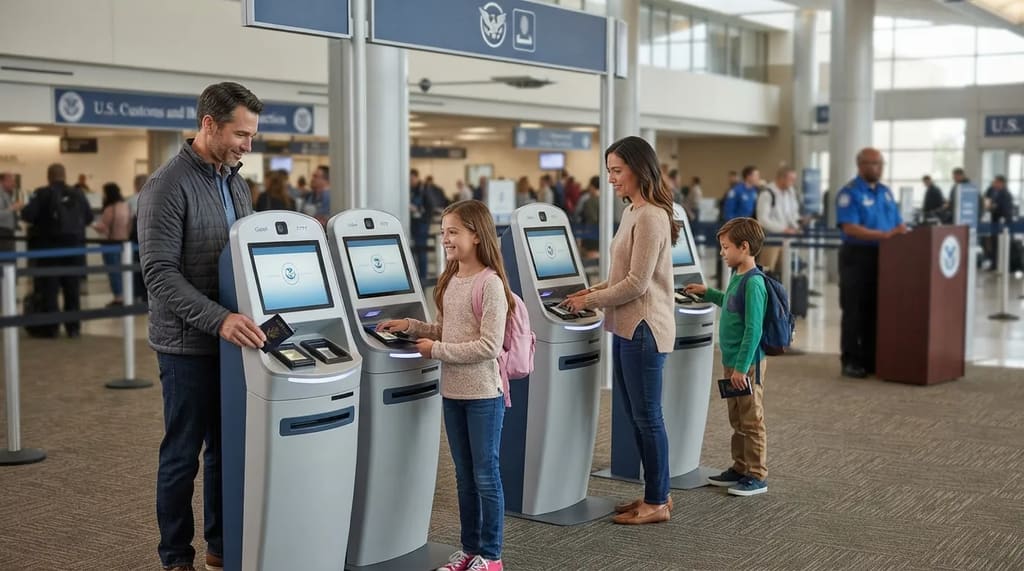
The family discount is a full waiver. Applicants under 18 pay nothing when a parent or guardian is already a member of, or applying for, Global Entry, NEXUS or SENTRI.7
The waiver covers the fee, not the enrollment. Each child still needs to be enrolled to get their own kiosk access.
The mobile app’s group submission support helps here. A family can be processed together, but each person still needs to be a member.
Children can join for $0, which can change the math for a family of four more than any credit card perk.
But the membership isn’t limited to airports. At #6, it works on foot.
#6 – They Use It at the Land Border Too
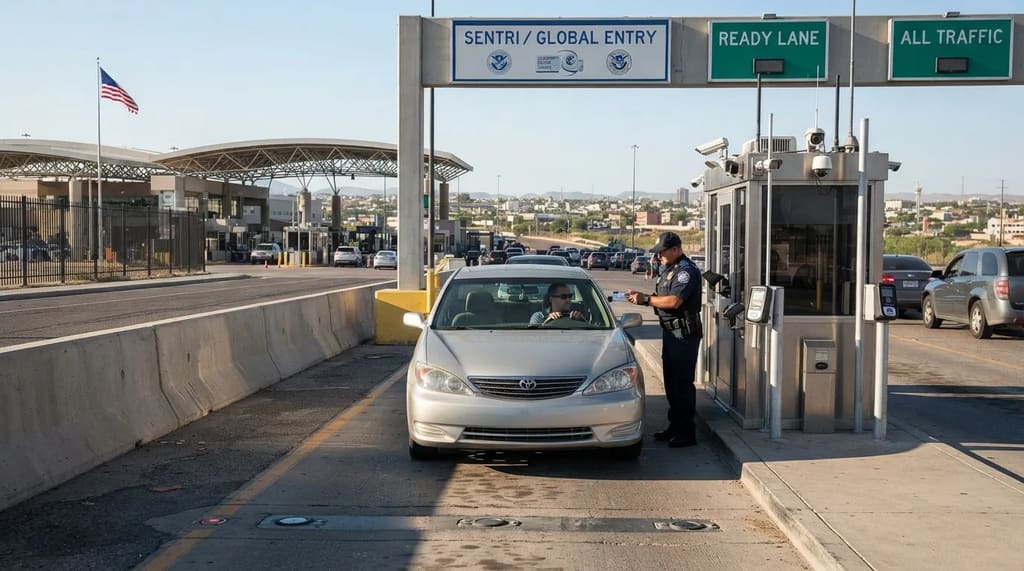
The same membership can help at a border crossing. CBP lists land border use among Global Entry’s benefits.
Global Entry cardholders can use SENTRI lanes when entering the U.S. from Mexico. NEXUS members can use Global Entry processing when arriving in the U.S. by air.
Quick Compare
- Global Entry: SENTRI lanes are open to cardholders entering from Mexico.
- NEXUS: Members can use Global Entry processing on arrival by air.
- SENTRI: Members arriving by air can use Global Entry for expedited customs screening.
The programs overlap more than most people realize. One membership can work across air and land crossings.
Lane rules and hours vary by port, so check before you go. And the biggest group this affects may not be Americans at all. That’s #5.
#5 – They Check the Partner-Country List
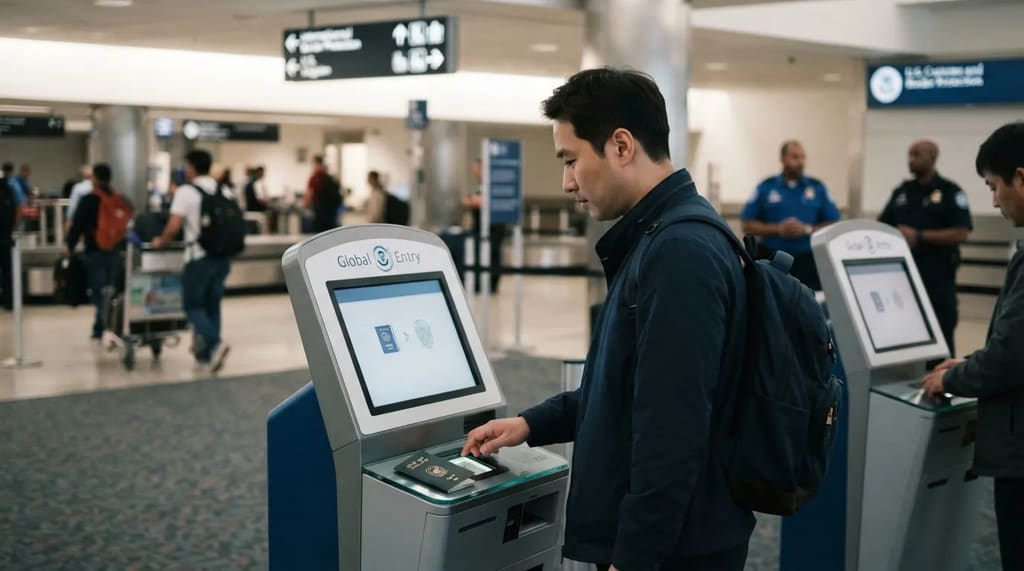
You don’t need a U.S. passport. You can apply if you’re a U.S. citizen, a permanent resident or a citizen of a partner country.
One guide names Germany, the Netherlands, South Korea and the United Kingdom among the partner countries. Mexican nationals may apply as well.
Canadians follow a different route. Canadian citizens and permanent residents get Global Entry benefits through NEXUS rather than applying directly.
For non-U.S. long-haul flyers, this is the line item that decides whether the program is even an option. Don’t assume your passport qualifies.
Once you’re in, there’s a date you can’t afford to forget. It’s #4.
#4 – They Renew Early
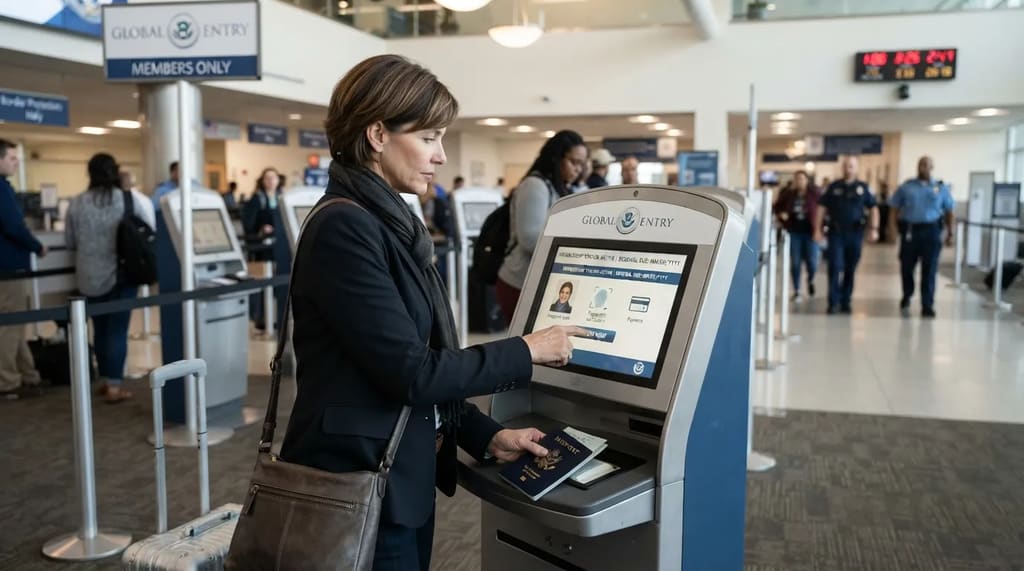
Waiting for the expiry date is the mistake. You can start the renewal process up to one year before your membership expires.
You pay the application fee again at renewal. CBP says members who apply before their expiration date can generally keep their benefits while the renewal is pending.
That’s the whole reason to move early. Apply after expiration and, according to some guides, you may have to wait for approval before using any benefits.
Nobody can promise you a renewal date. Review times vary, so the only real protection is a head start.
Related Stories From Travelbinger

Now for the rules that live in the arrival hall itself. They start at #3.
#3 – They Know the $800 Rule Cold
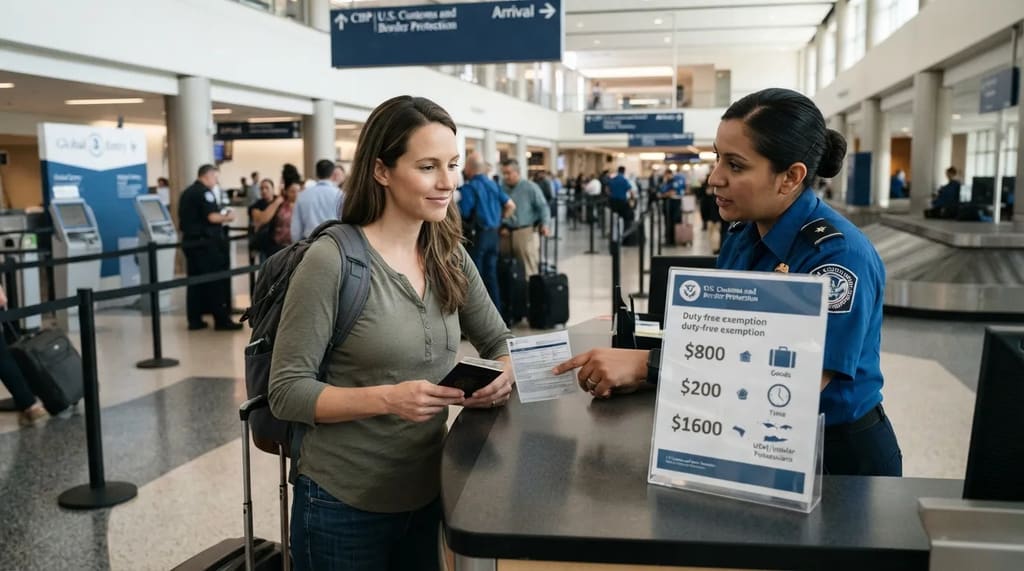
The dollar limits live in the arrival hall, not at the portal. A returning U.S. resident can generally bring in up to $800 of purchases and gifts duty-free after a trip of at least 48 hours, as long as the exemption wasn’t used in the previous 30 days.8
The number shifts with the trip. There’s a $200 exemption for travelers who don’t qualify for the $800 one, such as those away less than 48 hours. Returning from the U.S. Virgin Islands or certain other insular possessions raises the limit to $1,600.
At a Glance
- $800: Trips of at least 48 hours, with no use of the exemption in the past 30 days.
- $200: For travelers who don’t qualify for the $800 exemption.
- $1,600: Returns from the U.S. Virgin Islands or certain other insular possessions.
- Families: Relatives traveling together can combine exemptions on one joint declaration.
Families get an advantage. It doesn’t matter who carries which item.
A family of four can bring back $3,200 duty-free on a joint declaration. That’s a lot of room if you plan ahead.8
But the duty-free shop has a trap of its own. That’s #2.
#2 – They Count the Duty-Free Bag Too
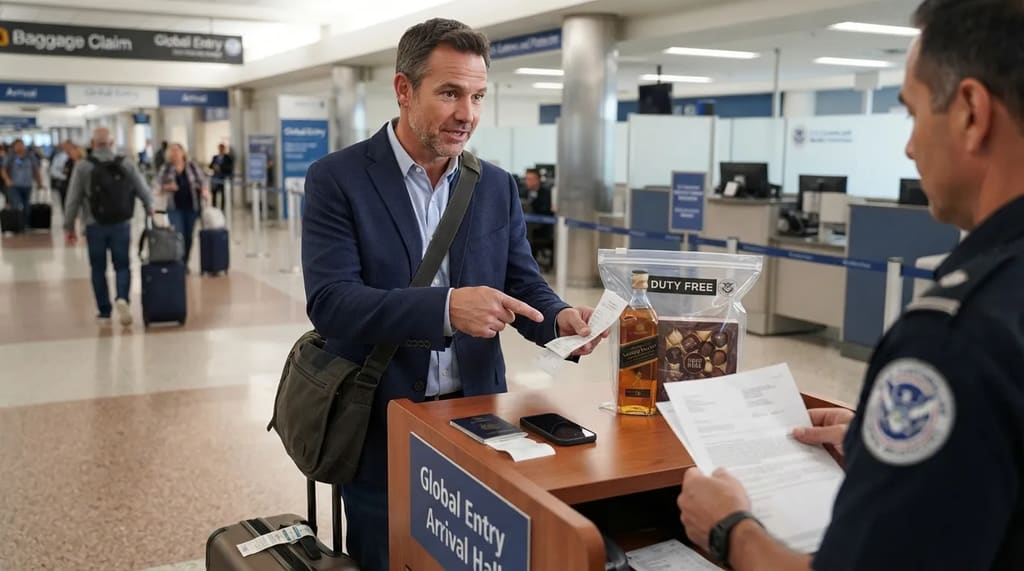
“Duty-free” abroad doesn’t mean duty-free at home. Duty-free shop prices leave out local duties and taxes, but those items still count toward your $800 exemption when you arrive.
Alcohol is a good example. One liter is duty-free if you’re 21 or over, counted within your $800 exemption.
Experts advise keeping receipts for everything you carry home. That way you can answer an officer’s questions without digging through your bags.
Here’s the surprise. Being over the $800 exemption doesn’t by itself create a violation. CBP says the next $1,000 over is generally taxed at a flat 3%, with regular rates applying beyond that.
All of that leads to the habit that matters most. It’s #1.
#1 – They Declare Everything, Because Membership Is Not a Shield
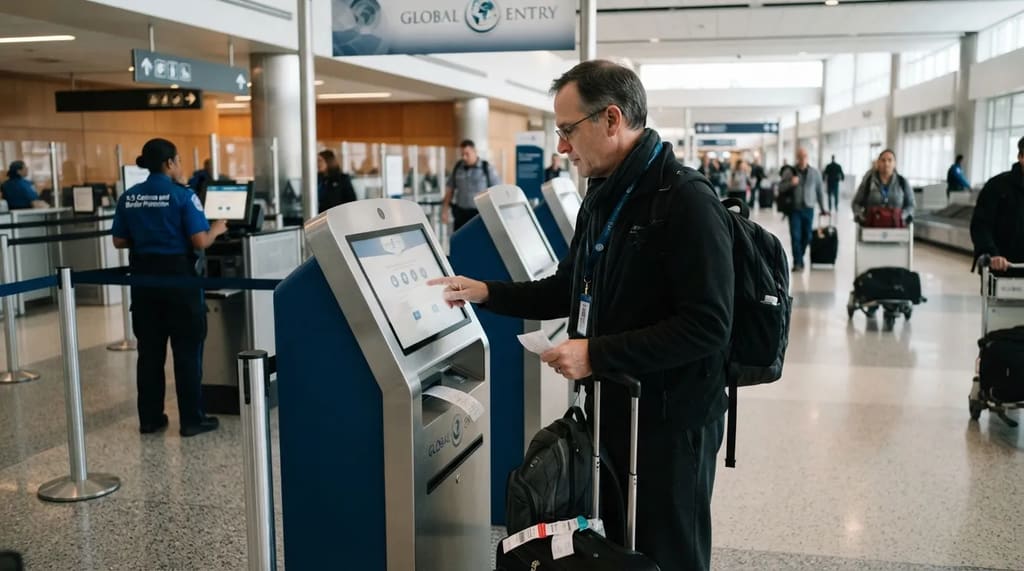
The fastest line in the airport still ends in a customs obligation. Global Entry members don’t fill out a paper declaration form on entry.
That’s the trap for new members. The form disappears, but the duty to disclose doesn’t, and the $800 exemption doesn’t excuse anyone from reporting all their international purchases.
One travel outlet advises trusted traveler members to be extra careful, declaring goods in their possession and anything shipped separately. Another guide notes CBP has stressed that membership is a privilege, not a right.
Here’s the opinion that gets people talking. Many members treat the card like a free pass, yet nothing in the sources we checked says membership softens customs rules. If anything, the guidance points the other way.
Long-haul regulars know it, and they declare everything.
The Bottom Line
The most useful Global Entry habits aren’t really about speed. The fee is $120 for five years, it’s lost even if you’re denied, and PreCheck comes with it automatically.
The savvy moves are to match the program to your travel, finish the interview on arrival, and set up the app before you fly. Renew early, too.
The strongest habit is the least glamorous one: declare everything, because the card changes the line, not the rules. Which of these habits did you learn the hard way?
- CBP Global Entry Overview: https://www.cbp.gov/travel/trusted-traveler-programs/global-entry
- Capital One Global Entry Guide: https://www.capitalone.com/learn-grow/more-than-money/what-is-global-entry/
- CBP How to Apply: https://www.cbp.gov/travel/trusted-traveler-programs/global-entry/how-apply
- CBP Enrollment on Arrival: https://cbp.gov/travel/trusted-traveler-programs/global-entry/enrollment-arrival
- CBP TSA PreCheck Trusted Travelers: https://www.cbp.gov/travel/trusted-traveler-programs/tsa-precheck
- CBP Global Entry Mobile App: https://www.cbp.gov/newsroom/national-media-release/cbp-marks-2-year-anniversary-global-entry-mobile-app
- CBP Global Entry Eligibility: https://www.cbp.gov/travel/trusted-traveler-programs/global-entry/eligibility
- Customs Duty Exemption Guide: https://www.res-q.space/blogs/us-customs-allowance